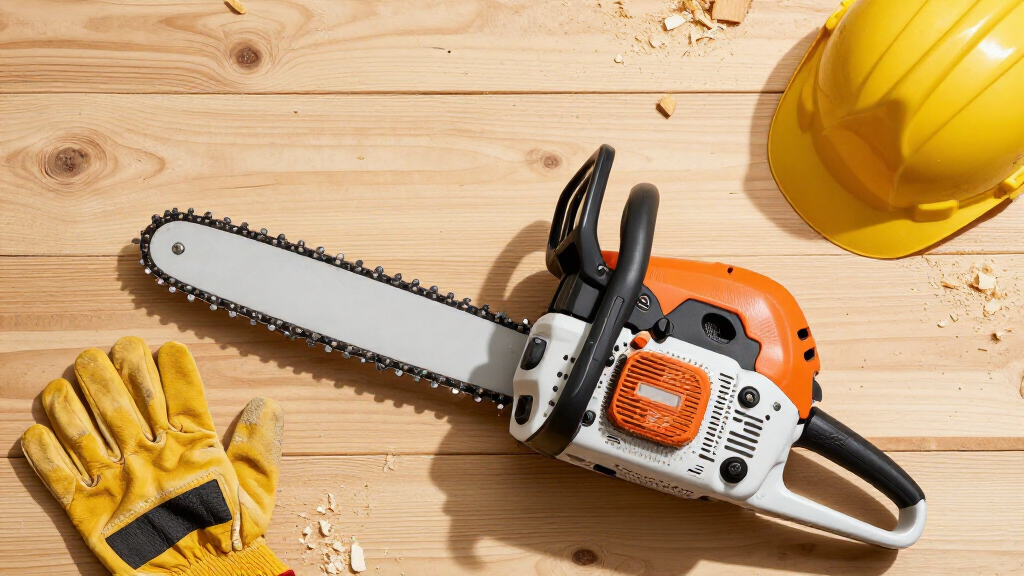
Gas chainsaws still own the jobs battery models can’t finish: felling hardwood, bucking cords of firewood, and clearing storm damage far from an outlet. After comparing 15 of the best gas chainsaws on sale in 2026, the Husqvarna 455 Rancher is my best overall pick — its 55cc engine and 20-inch bar handle nearly everything a homeowner or landowner will cut, and dealer support is everywhere. Buyers on a tighter budget should look at the VEVOR 62cc, which delivers near-professional displacement for a fraction of the price, while first-time owners will have an easier life with the lighter Husqvarna 120 Mark III. The core tradeoff in this category is simple: established brands charge more up front but pay it back in reliability and parts availability, while budget imports give you raw cc per dollar with rougher fit and finish. Bar length, weight, and starting effort matter more day to day than headline horsepower. Read on for the full breakdown of all 15 picks and who each one is really for.
Complete the kit


Key Takeaways
- Husqvarna claims 10 of the 15 slots, and its X-Torq engines are the main reason — they run cleaner, start more reliably, and burn less fuel than the budget clones.
- The 50 to 60cc class (455 Rancher, 450S Rancher, 445S) emerged as the sweet spot for most buyers, balancing felling power against all-day carry weight.
- Budget 62cc saws from VEVOR and SUPMIXTOOLS match the big brands on paper power but trail them in chain quality, anti-vibration, and parts support.
- Dual-bar kits (the 58cc and 52cc quick-switch models) add genuine versatility, though the bundled bars and chains wear faster than name-brand replacements.
- Bar length drove the rankings more than horsepower — 18 to 20 inches covers most property work, while the 24-inch 460 Rancher only makes sense for big timber.
| Husqvarna 440 Gas Chainsaw (18 Inch, 40cc, 2.4-HP) |  | Best Overall | Bar Length: 18 inches | Engine Displacement: 40 cc | Horsepower: 2.4 HP | VIEW LATEST PRICE | See Our Full Breakdown |
| Husqvarna 455 Rancher Gas Chainsaw (20 Inch, 55cc, 3.5-HP) |  | Best for Heavy-Duty Jobs | Engine: 55cc, 3.5-HP X-Torq | Bar Length: 20 inches | Start System: Smart Start | VIEW LATEST PRICE | See Our Full Breakdown |
| Husqvarna 120 Mark III Gas Chainsaw (16 Inch, 38cc, 1.8-HP) |  | Best for Beginners | Engine: 38cc, 1.8-HP X-Torq | Bar Length: 16 inches | Power Source: Gas (2-cycle) | VIEW LATEST PRICE | See Our Full Breakdown |
| Husqvarna 120 Mark III Gas Chainsaw (14 Inch, 38cc) | | Best Compact Pick | Bar Length: 14 inches | Engine: 38cc X-Torq | Chain Pitch: 3/8 inch | VIEW LATEST PRICE | See Our Full Breakdown |
| Husqvarna 130 Gas Powered Chainsaw (16 Inch, 38cc, 2-HP) |  | Best Value | Engine: 38cc, 2-HP, 2-cycle X-Torq | Bar Length: 16 inches | Recommended Bar Range: 14–16 inches | VIEW LATEST PRICE | See Our Full Breakdown |
| Husqvarna 445S Gas Chainsaw, 18 Inch |  | Best Overall | Bar Length: 18 inches | Engine Displacement: 50 cc | Horsepower: 3 HP | VIEW LATEST PRICE | See Our Full Breakdown |
| Husqvarna 450S Rancher Gas Chainsaw, 20 Inch |  | Best Premium Upgrade | Bar Length: 20 inches | Engine Displacement: 50.2 cc | Horsepower: 3.2 HP | VIEW LATEST PRICE | See Our Full Breakdown |
| VEVOR 62CC 20-Inch Gas Powered Chainsaw |  | Best Budget Heavy-Duty | Engine Power: 3.8 HP | Engine Type: 2-Stroke | Displacement: 62cc | VIEW LATEST PRICE | See Our Full Breakdown |
| 61.5CC Gas Chainsaw with 18-Inch Guide Bar |  | Best Value | Engine: 61.5CC 2-Cycle | Horsepower: 3.5 HP | Max RPM: 10,000 | VIEW LATEST PRICE | See Our Full Breakdown |
| 58cc Gas Chainsaw Dual-Bar Combo Kit (18 and 20 Inch) |  | Best Starter Bundle | Engine: 58cc 2-stroke gasoline | Horsepower: 3.0 HP | Guide Bars: 18-inch and 20-inch manganese steel | VIEW LATEST PRICE | See Our Full Breakdown |
| Husqvarna 435 Gas Chainsaw, 40-cc 2.2-HP, 16 Inch Bar |  | Best for Beginners | Engine: 40-cc, 2.2-HP X-Torq | Bar Length: 16 inches | Recommended Bar Range: 13 to 18 inches | VIEW LATEST PRICE | See Our Full Breakdown |
| SUPMIXTOOLS 62cc Gas Chainsaw, 20 Inch |  | Best Budget Power Pick | Engine: 62cc 2-cycle | Guide Bar Length: 20 inches | Chain Type: Low-kickback chain | VIEW LATEST PRICE | See Our Full Breakdown |
| 52 cc Gas Powered Chainsaw with 20-inch & 18-inch Quick-Switch Bars |  | Most Versatile | Engine: 52cc 2-stroke | Bar Sizes: 20-inch and 18-inch (quick-switch) | Fuel Tank Capacity: 550 ml | VIEW LATEST PRICE | See Our Full Breakdown |
| Husqvarna 460 Rancher Gas-Powered Chainsaw, 60.3cc, 3.6HP, 24 Inch Bar |  | Best Overall | Engine Displacement: 60.3 cc X-Torq | Power Output: 3.6 HP | Bar Length: 24 inches | VIEW LATEST PRICE | See Our Full Breakdown |
| Husqvarna T435 12-inch 35.2cc Top Handle Gas Chainsaw |  | Best for Arborists and Tree Work | Engine Displacement: 35.2cc | Bar Length: 12 inches | Handle Type: Top handle | VIEW LATEST PRICE | See Our Full Breakdown |
| gas chainsaw | Bar Length | Engine | Air Filtration |
|---|---|---|---|
| Husqvarna 440 Gas Chainsaw | 18 inches | — | Air Injection |
| Husqvarna 455 Rancher Gas Chai | 20 inches | 55cc, 3.5-HP X-Torq | Air Injection |
| Husqvarna 120 Mark III Gas Cha | 16 inches | 38cc, 1.8-HP X-Torq | Air Injection |
| Husqvarna 120 Mark III Gas Cha | 14 inches | 38cc X-Torq | — |
| Husqvarna 130 Gas Powered Chai | 16 inches | 38cc, 2-HP, 2-cycle X-Torq | Air Injection |
| Husqvarna 445S Gas Chainsaw | 18 inches | — | Air Injection Technology |
| Husqvarna 450S Rancher Gas Cha | 20 inches | — | Air Injection Technology |
| VEVOR 62CC 20-Inch Gas Powered | — | — | — |
| 61.5CC Gas Chainsaw with 18-In | — | 61.5CC 2-Cycle | — |
| 58cc Gas Chainsaw Dual-Bar Com | — | 58cc 2-stroke gasoline | — |
| Husqvarna 435 Gas Chainsaw | 16 inches | 40-cc, 2.2-HP X-Torq | Air Injection centrifugal cleaning |
| SUPMIXTOOLS 62cc Gas Chainsaw | — | 62cc 2-cycle | — |
| 52 cc Gas Powered Chainsaw wit | — | 52cc 2-stroke | — |
| Husqvarna 460 Rancher Gas-Powe | 24 inches | — | Air Injection |
| Husqvarna T435 12-inch 35.2cc | 12 inches | — | — |
More Details on Our Top Picks
Husqvarna 440 Gas Chainsaw (18 Inch, 40cc, 2.4-HP)
I’d call the Husqvarna 440 the sweet spot of this roundup. Its 40cc X-Torq engine and 18-inch bar cover the jobs most property owners actually face — storm cleanup, firewood, felling midsize trees — without the bulk of the 55cc Husqvarna 455 Rancher, which outweighs it and costs more for power many buyers never tap. Compared with the smaller Husqvarna 120 Mark III, the 440 cuts faster and handles thicker trunks without bogging down. The Smart Start system reduces pull effort, and LowVib dampening keeps longer sessions comfortable. The tradeoffs: it sits in a higher price bracket than the entry-level picks here, and its fuel-sipping engine still demands regular air-filter and chain care. For buyers who want one saw that does nearly everything well, this is where I’d start.
Pros:- 18-inch bar and 40cc X-Torq engine handle everything from pruning to felling midsize trees
- Smart Start cuts pull effort on cold mornings
- LowVib dampening reduces arm fatigue during long sessions
- Lighter and cheaper than the 455 Rancher while covering most of the same jobs
Cons:- Costs meaningfully more than the 120 and 130 homeowner picks
- Can still feel heavy for smaller users during overhead limbing
- Needs regular filter and chain maintenance to stay at full performance
Best for: Property owners with an acre or more who want one saw for firewood, storm cleanup, and occasional felling
Not ideal for: Occasional pruners and smaller-framed users — lighter, cheaper options like the 120 Mark III cover light yard work for less money
- Bar Length:18 inches
- Engine Displacement:40 cc
- Horsepower:2.4 HP
- Engine Technology:X-Torq
- Start System:Smart Start
- Vibration Reduction:LowVib
- Chain Brake:Inertia-activated
- Air Filtration:Air Injection
Our verdict“If you want a single gas saw that handles almost every homeowner job without Rancher weight or price, the Husqvarna 440 is the one I’d buy.”
Husqvarna 455 Rancher Gas Chainsaw (20 Inch, 55cc, 3.5-HP)
Where the Husqvarna 440 tops out, the Husqvarna 455 Rancher gets going. Its 55cc, 3.5-HP engine pulls a 20-inch bar through hardwood and thick trunks that would stall the 38cc homeowner saws in this lineup, so I’d point landowners with acreage — or a winter’s worth of firewood to buck — straight to it. Against the bigger Husqvarna 460 Rancher and its 24-inch bar, the 455 keeps weight and cost in check while still covering most felling work. The catch is heft: this saw wears on your arms during all-day sessions, it runs loud, and casual users will pay for displacement they rarely use. If your cutting is occasional pruning, the Husqvarna 130 makes more sense for half the commitment.
Pros:- 55cc, 3.5-HP engine pulls a 20-inch bar through dense hardwood
- Air Injection extends filter life during dusty land-clearing work
- 7-degree offset front handle improves grip control on big cuts
- Lighter, cheaper step down from the 24-inch 460 Rancher
Cons:- Heavy enough to wear you down during all-day use
- Runs loud — hearing protection is a must
- More displacement and fuel use than casual cutting justifies
Best for: Landowners cutting multiple cords of firewood a year or clearing storm-damaged hardwood on larger properties
Not ideal for: Casual users who mostly prune — the weight, noise, and fuel appetite are overkill for light yard work
- Engine:55cc, 3.5-HP X-Torq
- Bar Length:20 inches
- Start System:Smart Start
- Air Filtration:Air Injection
- Vibration Reduction:LowVib
- Front Handle:7-degree offset
- Power Source:Gas (2-cycle)
Our verdict“Buy the 455 Rancher if your cutting regularly involves 16-inch-plus trunks; otherwise a lighter homeowner saw will serve you better.”
Husqvarna 120 Mark III Gas Chainsaw (16 Inch, 38cc, 1.8-HP)
New chainsaw owners tend to struggle with two things — starting and kickback anxiety — and the Husqvarna 120 Mark III addresses both. A combined choke/stop control with air purge simplifies cold starts, and the inertia-activated chain brake adds a layer of protection while you’re building technique. I’d pick it over the nearly identical Husqvarna 130 for a first saw, since the Mark III’s updated controls reduce flooding mistakes, and its 16-inch bar gives more reach than the 14-inch 120 Mark III variant. The 38cc, 1.8-HP engine is the limitation: fine for pruning, limbs, and firewood rounds under a foot thick, but it will labor in hardwood that the Husqvarna 440 slices through. Think of it as a forgiving homeowner saw, not a felling tool.
Pros:- Combined choke/stop control and air purge make cold starts beginner-friendly
- Inertia-activated chain brake adds kickback protection
- LowVib keeps vibration manageable for new users
- 16-inch bar covers typical yard and firewood tasks
Cons:- 1.8-HP engine bogs down in thick hardwood
- Not built for felling anything over about a foot in diameter
- Gas mixing and upkeep add a learning curve for first-time owners
Best for: First-time gas saw owners who want forgiving starting and built-in kickback protection while they learn
Not ideal for: Anyone felling mature hardwood or bucking large rounds — 1.8 HP runs out of breath on thick cuts
- Engine:38cc, 1.8-HP X-Torq
- Bar Length:16 inches
- Power Source:Gas (2-cycle)
- Chain Brake:Inertia-activated
- Air Filtration:Air Injection
- Vibration Reduction:LowVib
- Start System:Air purge with combined choke/stop control
Our verdict“The 16-inch 120 Mark III is the friendliest entry point into gas chainsaws, as long as your ambitions stay under a foot of wood.”
Husqvarna 120 Mark III Gas Chainsaw (14 Inch, 38cc)
Some buyers don’t need reach — they need a saw that’s easy to wrangle around a suburban yard. That’s the case for the 14-inch Husqvarna 120 Mark III. It shares the same 38cc X-Torq engine as its 16-inch sibling, but the shorter bar trims weight and makes limbing and close-in pruning less awkward, which matters if you’re not cutting every week. Compared with the Husqvarna 130, it’s the lighter, more maneuverable option; compared with the Husqvarna T435 top-handle saw, it’s the safer pick for ground-level work since top handles are really arborist tools. The obvious compromise: anything beyond about 12 inches in diameter means cutting from both sides or wishing you’d bought the 16-inch version. For small lots and occasional cleanup, that tradeoff is worth making.
Pros:- Shortest, lightest Husqvarna here — easy to maneuver for limbing and pruning
- Same 38cc X-Torq engine as the 16-inch version, so power per pound is strong
- Inertia-activated chain brake included at an entry-level price
- Less intimidating for occasional users than a full-size Rancher
Cons:- 14-inch bar forces double cuts on anything thicker than about 12 inches
- Too small for serious firewood production or felling
- Regular maintenance still required despite the small size
Best for: Suburban homeowners with small lots who need a nimble saw for limbs, shrubs, and storm debris
Not ideal for: Firewood cutters and rural properties — the 14-inch bar is the bottleneck on anything substantial
- Bar Length:14 inches
- Engine:38cc X-Torq
- Chain Pitch:3/8 inch
- Chain Gauge:.050 inch
- Chain Brake:Inertia-activated
- Vibration Reduction:LowVib
Our verdict“Pick the 14-inch 120 Mark III for light, occasional yard work where maneuverability beats bar length.”
Husqvarna 130 Gas Powered Chainsaw (16 Inch, 38cc, 2-HP)
The Husqvarna 130 is the saw I’d suggest when budget leads the decision. It runs the same 38cc, 2-HP X-Torq engine and 16-inch bar class as the pricier Husqvarna 120 Mark III, so real-world cutting performance is close, and its Air Injection filtration extends engine life by keeping debris away from the filter — a durability feature the bargain-bin 58cc and 62cc no-name saws in this roundup can’t match. What you give up versus the Mark III is the newer combined choke/stop control, so cold starts take a touch more technique. There’s also no published weight figure, which makes direct handling comparisons guesswork. For homeowners who cut a few times a season and want brand reliability without Rancher pricing, the 130 hits the mark.
Pros:- Delivers near-120 Mark III cutting performance for less money
- Air Injection filtration keeps the engine cleaner over years of use
- 2-HP X-Torq engine sips fuel and runs cleaner than older designs
- Widely available parts and dealer network
Cons:- Older start controls are less forgiving than the Mark III’s combined choke/stop
- No published weight makes handling comparisons hard
- Requires gas/oil mixing like all two-strokes
Best for: Budget-minded homeowners who cut a few times a season but still want Husqvarna reliability and dealer support
Not ideal for: Total beginners — the older start routine is less forgiving than the 120 Mark III’s combined controls
- Engine:38cc, 2-HP, 2-cycle X-Torq
- Bar Length:16 inches
- Recommended Bar Range:14–16 inches
- Air Filtration:Air Injection
- Vibration Reduction:LowVib
- Power Source:Gas/oil mix
Our verdict“The Husqvarna 130 delivers most of the Mark III’s real-world performance for less, making it the smart buy for price-first shoppers.”
Husqvarna 445S Gas Chainsaw, 18 Inch
My top pick is the Husqvarna 445S because it balances what most property owners actually need: a 50cc X-Torq engine with 3 HP, an 18-inch bar, and a Smart Start system that removes much of the pull effort people dread. Next to the Husqvarna 450S Rancher, it gives up two inches of bar but costs less and handles a bit more nimbly, which matters more for routine firewood and storm cleanup than extra reach. Compared with budget saws like the VEVOR 62cc, you’re paying more per horsepower here — what that premium buys is refined vibration control, Air Injection filtration for longer engine life, and brand reliability no-name options can’t match. The tradeoffs are real, though: it carries a premium price, and it’s still heavy enough that long sessions will wear down occasional users.
Pros:- X-Torq 50cc engine delivers 3 HP with better fuel efficiency than typical budget two-strokes
- Smart Start system cuts pull effort on cold mornings
- Vibration reduction keeps long cutting sessions comfortable
- Air Injection filtration and X-CUT chain stretch out service intervals
Cons:- Costs well over double the budget saws in this roundup
- Heavy enough to fatigue users during extended limbing or overhead work
- Requires the same regular gas-saw maintenance as any model here
Best for: Property owners who want one dependable saw for firewood, storm cleanup, and regular tree work without stepping up to Rancher-level prices
Not ideal for: Budget-first buyers and twice-a-year users — the premium price is hard to justify for a saw that mostly sits in the garage
- Bar Length:18 inches
- Engine Displacement:50 cc
- Horsepower:3 HP
- Engine Type:2-cycle X-Torq
- Starting System:Smart Start
- Vibration Reduction:Yes
- Air Filtration:Air Injection Technology
- Fuel Tank Capacity:0.26 L
- Oil Tank Capacity:0.55 US pint
Our verdict“The Husqvarna 445S is the gas chainsaw I’d recommend to most property owners: enough power and refinement for regular work without paying Rancher money.”
Husqvarna 450S Rancher Gas Chainsaw, 20 Inch
Where the 445S is the balanced choice, the Husqvarna 450S Rancher is the saw I’d point serious users toward. Its 50.2cc X-Torq engine makes 3.2 HP and spins a 20-inch bar, so felling mid-size trees and bucking big logs takes fewer passes and less repositioning than with the 18-inch Husqvarna 445S. The inertia-activated chain brake and LowVib dampening also make long cutting days safer and less fatiguing than anything the budget saws here — the VEVOR 62cc or the 61.5CC 18-inch model — can offer.
What you give up is money and headroom. It costs more than every non-Husqvarna in this roundup, the bar range caps at 20 inches, and like the 445S it expects regular maintenance. For owners of wooded acreage, though, that premium buys durability the cheaper options rarely match.
Pros:- 20-inch bar reaches around timber the 18-inch saws here can’t handle in one pass
- 3.2 HP X-Torq engine is the strongest Husqvarna in this batch
- Inertia-activated chain brake adds genuine kickback protection
- Reinforced crankcase and optimized cooling suit heavy seasonal workloads
Cons:- Highest price in this group — overkill for occasional yard cleanup
- Bar length limited to 13–20 inches, so truly large timber still needs a bigger saw
- Weight demands breaks on all-day jobs
Best for: Owners of wooded acreage who fell mid-size trees and buck large logs often enough for the longer bar and tougher build to pay off
Not ideal for: Suburban homeowners with light trimming needs — the 20-inch bar and premium cost are more saw than small yards require
- Bar Length:20 inches
- Engine Displacement:50.2 cc
- Horsepower:3.2 HP
- Engine Type:2-cycle X-Torq
- Chain Brake:Inertia-activated
- Vibration Reduction:LowVib technology
- Cooling System:Optimized cooling with reinforced crankcase
- Air Filtration:Air Injection Technology
- Compatible Bar Range:13–20 inches
Our verdict“Buy the 450S Rancher if you cut often enough — and big enough — that the 20-inch bar and extra durability will pay for themselves.”
VEVOR 62CC 20-Inch Gas Powered Chainsaw
If the Husqvarna prices make you wince, the VEVOR 62cc is the budget saw I’d look at first. Its 3.8 HP engine is the strongest in this lineup — more than the Husqvarna 450S Rancher manages — and the 20-inch bar with an 18-inch max cut diameter handles land clearing and storm-felled trunks that would stall smaller saws. Dual fuel tanks mean longer runs between refills, a genuinely useful perk when you’re working far from the shed. The catch: customer feedback flags inconsistent starting, and fit and finish sit well below the Husqvarna 445S and 450S Rancher. You’re trading polish and proven reliability for raw displacement at a much lower price. For occasional heavy cutting where a premium saw feels hard to justify, that trade makes sense; for weekly professional use, it doesn’t.
Pros:- 3.8 HP output is the most powerful engine in this lineup
- 20-inch bar with 18-inch max cut diameter suits land-clearing jobs
- Dual fuel tanks extend run time between refills
- Impact-resistant body holds up to rough outdoor use
Cons:- Customer reviews flag inconsistent starting, a real headache on big jobs
- Build quality and vibration control trail the Husqvarna models
- Heavy for prolonged handheld work
Best for: Budget-conscious buyers tackling land clearing, storm damage, or big firewood batches who want maximum displacement per dollar
Not ideal for: Anyone who needs guaranteed first-pull starts for professional or weekly use — reported startup issues and thin support make it a risky primary tool
- Engine Power:3.8 HP
- Engine Type:2-Stroke
- Displacement:62cc
- Guide Bar Length:20 inches
- Max Cut Diameter:18 inches
- Fuel System:Dual fuel tanks
- Fuel Tank Capacity:550 ml
- Chain Oil Tank Capacity:260 ml
- Fuel Mixture:40:1
Our verdict“The VEVOR 62cc is the pick when raw power per dollar matters more than polish or guaranteed reliability.”
61.5CC Gas Chainsaw with 18-Inch Guide Bar
This 61.5CC saw is the dark horse of the lineup: a 3.5 HP engine and 18-inch bar at a price that undercuts even the VEVOR 62cc. Its 10,000 RPM top speed beats the 58cc dual-bar kit’s 8,000, which translates to faster chain speed and cleaner cuts through seasoned firewood. It also covers the safety basics — an emergency stop lever and protective guard — that some cheap saws skip.
So why does it rank below the VEVOR? The VEVOR’s larger fuel capacity and 20-inch bar suit bigger jobs, and this model’s no-name heritage makes parts and service a gamble. I’d call it the right buy for homeowners who cut a few cords a year and can live without brand backing — anyone who needs dependable dealer support should step up to the Husqvarna 445S.
Pros:- 3.5 HP and 10,000 RPM outgun every other budget saw here
- Lowest cost per horsepower in the roundup
- Emergency stop lever and protective guard cover key safety basics
- Anti-vibration handle reduces fatigue on longer cuts
Cons:- No-name brand means uncertain parts and service support down the road
- Fuel mixing and gas upkeep add hassle versus electric alternatives
- Heavier than electric saws, which gets tiring over long sessions
Best for: Homeowners who process a few cords of firewood a year and want near-pro cutting speed at the lowest price in the lineup
Not ideal for: Buyers who value parts availability and dealer service — a no-name saw is a gamble if something breaks mid-season
- Engine:61.5CC 2-Cycle
- Horsepower:3.5 HP
- Max RPM:10,000
- Guide Bar Length:18 inches
- Fuel Ratio:40:1
- Starting:Easy start design
- Safety Features:Emergency stop lever and protective guard
- Handle:Anti-vibration design
Our verdict“This 61.5CC saw is the smart buy for budget-minded homeowners who want serious cutting power and can accept the no-name risk.”
58cc Gas Chainsaw Dual-Bar Combo Kit (18 and 20 Inch)
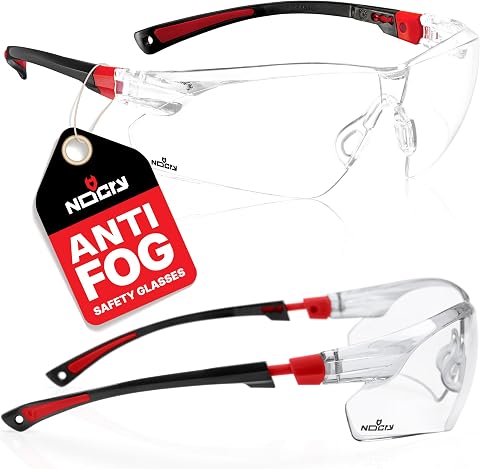
What sets this 58cc combo kit apart isn’t the saw itself — it’s everything in the box. You get both an 18-inch and a 20-inch manganese steel bar, so a new owner can learn limbing on the shorter bar and swap to the longer one for felling, a trick the fixed-bar 61.5CC model can’t pull off. The bundle also includes ear protection, gloves, and safety glasses, which removes the hidden starter costs that follow most bare-saw purchases. The compromises show up in the machine: at 3.0 HP and 8,000 RPM it’s the mildest cutter here, the assembly instructions frustrate first-timers, and long-term durability is an unknown beside the Husqvarna 450S Rancher. I’d recommend it to someone starting from zero; anyone who already owns safety gear should buy the stronger 61.5CC saw instead.
Pros:- Two guide bars (18 and 20 inches) cover limbing through felling with one saw
- Full PPE bundle — ear protection, gloves, safety glasses — eliminates extra starter purchases
- Automatic chain lubrication and diaphragm carburetor simplify day-to-day running
- Mixing bottle, funnel, and installation kit included for fuel prep and setup
Cons:- 3.0 HP and 8,000 RPM make it the slowest cutter in this group
- Assembly instructions are complex enough to frustrate beginners
- Heavy build wears on users during long sessions
Best for: First-time chainsaw owners starting from zero who need the saw, both bar sizes, and all safety gear in one purchase
Not ideal for: Experienced users who already own PPE and care about cutting speed — its 3.0 HP and 8,000 RPM lag every other saw in this batch
- Engine:58cc 2-stroke gasoline
- Horsepower:3.0 HP
- Guide Bars:18-inch and 20-inch manganese steel
- Maximum RPM:8,000
- Fuel System:Diaphragm carburetor
- Lubrication:Automatic chain lubrication
- Starting:Quick-start system
- Safety Accessories:Ear protector, gloves, safety glasses
- Included Extras:Guide bar cover, felling spike, mixing bottle, funnel, installation kit
Our verdict“Choose the dual-bar kit if you’re starting from nothing and want every accessory included; skip it if cutting speed is your priority.”
Husqvarna 435 Gas Chainsaw, 40-cc 2.2-HP, 16 Inch Bar
If the 460 Rancher sounds like too much saw, the Husqvarna 435 is where I’d steer a first-time gas buyer. At 40cc with a 16-inch bar, it sits a step above the 38cc Husqvarna 130 in power while staying light enough to control through long limbing sessions. Smart Start matters more than it sounds: easier pull-starts remove the most frustrating part of owning a gas saw, and LowVib keeps hands from going numb. The tradeoff is limited cutting capacity — with a recommended bar range of 13 to 18 inches, felling anything over about two feet across becomes slow, multi-pass work, and it can’t match the torque of the 52cc quick-switch model on thick logs. For trimming, storm cleanup, and occasional firewood, that’s a trade worth making.
Pros:- Smart Start and light weight make it genuinely approachable for new users
- X-Torq engine sips fuel and cuts emissions compared with older 40cc designs
- LowVib damping reduces hand and arm fatigue on longer sessions
- Inertia-activated chain brake adds a real safety layer for inexperienced operators
Cons:- Bar range caps at 18 inches, limiting it on larger felling jobs
- 40cc engine bogs down in dense hardwood where 50cc+ saws pull through
- Gas noise and fuel mixing still apply despite the beginner-friendly pitch
Best for: First-time gas saw owners who need a forgiving, easy-starting machine for trimming, limbing, and light firewood work
Not ideal for: Anyone regularly felling trees over 20 inches thick — the 40cc engine and 18-inch max bar will turn those cuts into a chore
- Engine:40-cc, 2.2-HP X-Torq
- Bar Length:16 inches
- Recommended Bar Range:13 to 18 inches
- Fuel Tank Capacity:0.53 US pint (0.25 L)
- Starting System:Smart Start
- Vibration Control:LowVib anti-vibration
- Air Filtration:Air Injection centrifugal cleaning
- Safety:Inertia-activated chain brake
- Fuel Monitoring:Transparent fuel indicator
Our verdict“The right first gas chainsaw for homeowners who value easy starting and control over raw cutting power.”
SUPMIXTOOLS 62cc Gas Chainsaw, 20 Inch
The SUPMIXTOOLS 62cc is the saw I point to when someone wants big-engine displacement without the big-brand price. On paper, its 62cc engine and 20-inch bar nearly match the cutting capacity of the Husqvarna 460 Rancher for a fraction of the cost, and it undercuts the similar VEVOR 62cc on the same promise: raw power per dollar. In practice, the savings show up in refinement, not muscle. There’s no Smart Start equivalent, vibration damping is basic, and long-term parts support can’t touch Husqvarna’s dealer network. It’s also heavy enough that extended sessions get punishing. My read: this makes the most sense for occasional big jobs — dropping a few trees, bucking a season’s firewood — where the money saved outweighs comfort features you’d only appreciate with weekly use.
Pros:- 62cc engine delivers near-Rancher displacement at a budget price
- 20-inch bar handles large logs and firewood rounds efficiently
- Low-kickback chain and quick-stop brake cover the safety basics
- Ergonomic handle layout keeps it manageable for its size
Cons:- Heavy build wears you down during prolonged cutting
- No advanced starting or anti-vibration tech like the Husqvarna lineup offers
- Parts availability and service support are uncertain compared with major brands
Best for: Budget-conscious landowners who need big-log cutting power a few times a year and can tolerate rougher refinement
Not ideal for: All-day or weekly users — the weight, vibration, and thin parts support make it a poor long-term workhorse
- Engine:62cc 2-cycle
- Guide Bar Length:20 inches
- Chain Type:Low-kickback chain
- Safety:Safety switch and quick-stop chain brake
- Fuel Requirement:Gas/oil mix (2-stroke)
- Intended Use:Large logs, tree trimming, firewood prep
Our verdict“A smart buy for occasional heavy cutting when budget matters more than comfort and dealer support.”
52 cc Gas Powered Chainsaw with 20-inch & 18-inch Quick-Switch Bars
This 52cc quick-switch chainsaw earns its spot by solving a real problem: most owners need a long bar sometimes and a handy one the rest of the time. Swapping between the included 20-inch and 18-inch bars takes minutes, so felling and limbing no longer demand two saws or one awkward compromise. Compared with the 58cc dual-bar combo kit elsewhere in this roundup, the engine is slightly smaller, but the 550ml fuel tank runs longer between refills and the 0.325-pitch low-kickback chain is friendlier for less experienced hands. The tradeoffs are weight and brand depth: it’s tiring over a full day, and like the SUPMIXTOOLS 62cc, it lacks the dealer support and refinement of a Husqvarna. For mixed-property work on a budget, that flexibility is hard to beat.
Pros:- Quick-switch bar system swaps between 20-inch and 18-inch setups in minutes
- Large 550ml fuel tank extends runtime on bigger jobs
- 52cc engine balances power and weight better than 60cc+ budget rivals
- Inertial chain brake and low-kickback chain suit less experienced users
Cons:- Heavy enough to fatigue you on all-day jobs
- Limited brand backing for parts, service, and warranty claims
- Regular maintenance demands are higher than on refined big-brand saws
Best for: Property owners who alternate between felling midsize trees and limbing or bucking, and want one saw to cover both
Not ideal for: Buyers who cut daily or need dealer service — the no-name brand means you’re largely on your own for parts and repairs
- Engine:52cc 2-stroke
- Bar Sizes:20-inch and 18-inch (quick-switch)
- Fuel Tank Capacity:550 ml
- Oil Tank Capacity:260 ml
- Chain Pitch:0.325 in
- Chain Gauge:0.058 in
- Drive Links:76DL (20-inch), 72DL (18-inch)
- Safety:Inertial chain brake, low-kickback chain
Our verdict“The most flexible single-saw solution here for owners who split time between felling and cleanup work.”
Husqvarna 460 Rancher Gas-Powered Chainsaw, 60.3cc, 3.6HP, 24 Inch Bar
Among the fifteen saws in this roundup, the Husqvarna 460 Rancher is the one I’d hand to someone who wants a single machine for everything from firewood to felling midsize trees. Its 60.3cc X-Torq engine and 24-inch bar outmuscle the 455 Rancher’s 20-inch setup, so hardwood cuts that bog down smaller saws stay smooth here. Compared with the cheaper SUPMIXTOOLS 62cc, you pay more up front, but you get Smart Start, LowVib, and Air Injection — features that translate to easier pulls, less arm fatigue, and a longer-lived engine. The tradeoff is weight and price: this is a heavy saw that casual users will find tiring, and it costs clearly more than budget 20-inch options. For property owners cutting regularly, that premium buys real durability and dealer support.
Pros:- 60.3cc engine and 24-inch bar handle the biggest cutting jobs in this roundup
- Smart Start and LowVib make a heavy saw noticeably easier to live with
- Air Injection filtration extends engine life under dusty, heavy use
- Backed by Husqvarna’s dealer network for parts and service
Cons:- Heavy enough to punish casual or prolonged overhead use
- Highest price point among the picks here
- Overkill for trimming and light yard work a 40cc saw handles fine
Best for: Rural property owners and regular firewood cutters who want one durable saw for felling, bucking, and land clearing
Not ideal for: Occasional users or anyone with smaller frames — the weight and cost only pay off with frequent, demanding use
- Engine Displacement:60.3 cc X-Torq
- Power Output:3.6 HP
- Bar Length:24 inches
- Fuel Tank Capacity:0.32 L
- Oil Tank Capacity:0.7 US pint
- Starting System:Smart Start
- Vibration Control:LowVib
- Air Filtration:Air Injection
- Handle:Offset front handle with improved grip
Our verdict“The best all-around gas chainsaw here for serious landowners who cut often and want it to last.”
Husqvarna T435 12-inch 35.2cc Top Handle Gas Chainsaw
A warning up front: the Husqvarna T435 is a top-handle saw, and top handles belong in trained hands, usually up a tree with a rope and harness. That’s exactly who I’d recommend it to. At 35.2cc with a 12-inch bar, it’s built for one-handed pruning and removals where the rear-handle Husqvarna 435 would be dangerously awkward. The rope attachment and quick chain tensioning both serve climbing work, the anti-vibration system keeps fatigue in check aloft, and the X-Cut chain on an X-Force bar cuts faster than the generic chains on budget saws like the SUPMIXTOOLS. The tradeoffs are plain: tiny bar, narrow purpose, and a price that would buy a far more versatile 460 Rancher if you cut on the ground. For certified arborists and serious climbers, nothing else in this lineup fits the job.
Pros:- Top-handle design and rope attachment are purpose-built for climbing work
- Very light and maneuverable for one-handed cuts aloft
- X-Cut chain and X-Force bar deliver fast, efficient cutting for the size
- Anti-vibration system and quick chain tensioning suit all-day professional use
Cons:- 12-inch bar limits it to pruning and small-diameter removals
- Unsafe in untrained hands — not a general-purpose consumer saw
- Costs as much as far more versatile full-size saws
Best for: Professional arborists and trained climbers who need a compact top-handle saw for in-tree pruning and removals
Not ideal for: Homeowners cutting on the ground — a rear-handle saw like the Husqvarna 435 is safer, cheaper, and more capable there
- Engine Displacement:35.2cc
- Bar Length:12 inches
- Handle Type:Top handle
- Chain:Husqvarna X-Cut
- Bar:X-Force
- Vibration Control:Anti-vibration system
- Chain Tensioning:Quick tensioning
- Climbing Feature:Rope attachment
Our verdict“The right specialist tool for trained tree professionals — and the wrong saw for almost everyone else.”
How We Picked
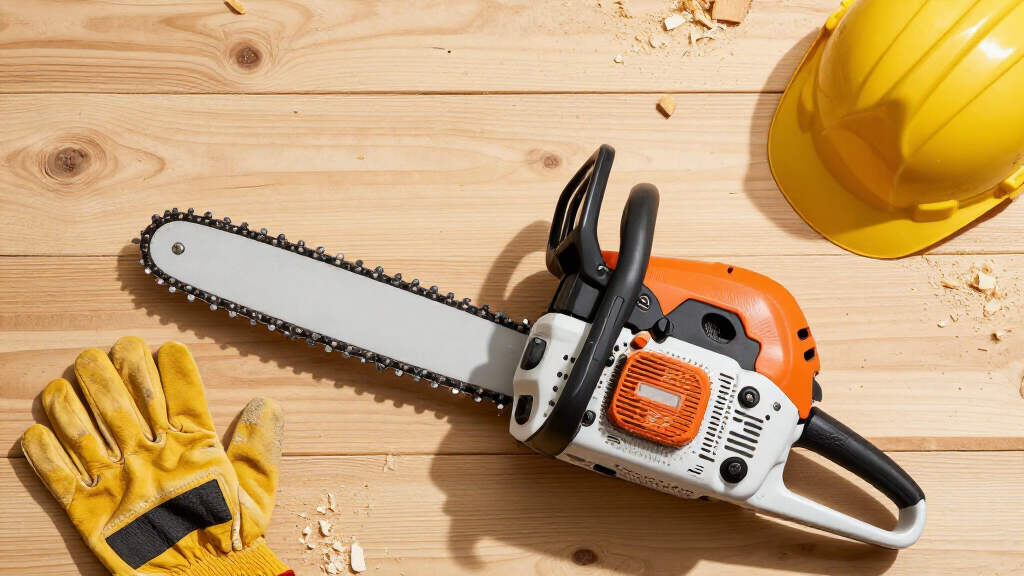
I ranked these saws the way a buyer should shop for them: usable power first, ownership cost second. Engine displacement and bar length were weighed against what each saw realistically cuts, not spec-sheet horsepower — a 40cc Husqvarna that starts on the third pull beats a 62cc import that fights you cold. Build quality, anti-vibration, automatic oilers, and chain-brake design all factored in, because fatigue and maintenance are what separate a saw you keep for a decade from one you replace in two seasons. Parts and dealer support carried real weight too; a cheaper saw is no bargain if a failed carburetor ends it.
The top spots went to saws with the widest competence — models that fell, limb, and buck without punishing the operator. Mid-list picks trade refinement for price, and the last few slots are specialists or budget options whose compromises only make sense at their price. Where two saws were close, the one with easier starting, better vibration control, or stronger service availability ranked higher.
| gas chainsaw | Air Filtration |
|---|---|
| Husqvarna 440 Gas Chainsaw | Air Injection |
| Husqvarna 455 Rancher Gas Chai | Air Injection |
| Husqvarna 120 Mark III Gas Cha | Air Injection |
| Husqvarna 120 Mark III Gas Cha | — |
| Husqvarna 130 Gas Powered Chai | Air Injection |
| Husqvarna 445S Gas Chainsaw | Air Injection Technology |
| Husqvarna 450S Rancher Gas Cha | Air Injection Technology |
| VEVOR 62CC 20-Inch Gas Powered | — |
| 61.5CC Gas Chainsaw with 18-In | — |
| 58cc Gas Chainsaw Dual-Bar Com | — |
| Husqvarna 435 Gas Chainsaw | Air Injection centrifugal cleaning |
| SUPMIXTOOLS 62cc Gas Chainsaw | — |
| 52 cc Gas Powered Chainsaw wit | — |
| Husqvarna 460 Rancher Gas-Powe | Air Injection |
| Husqvarna T435 12-inch 35.2cc | — |
Factors to Consider When Choosing Best Gas Chainsaws
The reviews above tell you which saws made the cut. This section covers the decisions underneath them — the sizing, safety, and spending questions that determine whether the saw you pick actually fits your work. Get these right and nearly anything in the top half of the list will serve you well; get them wrong and even the best pick will disappoint.
Match Engine Size to Your Real Workload
The most common buying mistake in this category is paying for cubic centimeters you will never use. A 35 to 40cc saw handles limbing, storm cleanup, and firewood from trees under about 14 inches thick, which covers most suburban owners. Step up to the 50 to 55cc class when you are bucking whole cords each season or felling trees in the 16 to 24 inch range, because the extra torque keeps chain speed up through long cuts instead of bogging down. Anything past 60cc is farm and ranch territory — big hardwoods or a 24-inch bar all day — and the weight penalty is real. An oversized saw is not just heavier on your arms; it is harder to control, which makes it less safe for an inexperienced operator, not more capable. Buy for the biggest job you do at least a few times a year, and rent for the once-a-decade monster.
Bar Length Follows Wood Diameter, Not Ego
A chainsaw cuts comfortably when the bar is at least two inches longer than the wood you cut most often, and anything beyond that is mostly dead weight swinging at the end of the saw. For typical firewood and property work, an 18-inch bar is the sweet spot: it buckles through 16-inch rounds in one pass and still fells a 30-inch tree with cuts from both sides. Jumping to a 20 or 24-inch bar pays off only if your property has mature hardwoods, because longer bars demand more engine, more oil, and more skill to keep out of the dirt. Dual-bar kits look like free versatility, and they are, but remember that the saw’s oiler and clutch are tuned around a range — burying the longest bar in oak all afternoon shortens sprocket and clutch life. If you regularly need the big bar, buy the saw built for it instead of stretching a smaller one.
Weight, Vibration, and Starting Effort Decide Real-World Value
Spec sheets bury the numbers that decide whether you reach for the saw or dread it. A saw that weighs 13 pounds instead of 11 feels fine for ten minutes and punishing by hour two, and cheap anti-vibration systems can be worse than none, letting the handles buzz just enough to numb your grip. Cold-start behavior is the other hidden cost: decompression valves, primer bulbs, and spring-assisted starters can cut pull effort by a third or more, and budget saws often skip them — which is part of why they are cheap. If you are buying for an older operator or someone with smaller hands, starting ease should outrank horsepower on your list. A saw that starts on the second pull gets used, maintained, and stored properly; one that fights you gets left flooded in the shed.
The Real Math on Budget Imports vs. Established Brands
A 62cc import at a third of the price of a name-brand 55cc saw is not automatically a bad buy — it is a different bet. You are trading refinement and support for displacement: rougher castings, faster-wearing bars and chains, more vibration, and a parts supply that depends on a marketplace seller still existing next spring. For a landowner who cuts a few weekends a year and is willing to tinker, that bet often pays off. For anyone who depends on the saw for heat or farm income, downtime costs more than the savings, and established brands win on dealer networks, overnight parts, and resale value. A middle path exists too: keep a small name-brand saw for regular work and a budget big-bore for occasional heavy jobs, so a failure never leaves you stuck. Whatever you choose, budget for a spare chain and a better bar with any import purchase, because the stock ones are usually the first things to go.
Maintenance Features That Decide How Long the Saw Lasts
Most gas chainsaws do not wear out — they are neglected to death, and the difference is often designed in. An automatic, adjustable oiler is the feature I would refuse to give up: fixed-rate oilers starve long bars in hardwood and flood short ones in pine, and a dry chain ruins a bar in a single afternoon. Tool-free chain tensioning sounds like a luxury until you have adjusted a hot chain with a scrench on your knees in wet leaves. Look at air filtration too — a good quick-release filter keeps the carburetor clean through dusty summer cutting, while a cramped foam filter begs to be ignored. Plan for the boring costs before you buy: chains stretch and dull, bar rails wear, and two-stroke fuel mix goes stale in about a month. The happiest owners treat chain sharpening and fresh fuel as part of the purchase price, not a surprise.
Frequently Asked Questions
What size gas chainsaw do I need for cutting firewood?
For most firewood cutting, a 45 to 55cc saw with a 16 to 18-inch bar is the right answer, and this roundup’s rankings reflect that. That class bucks rounds from trees up to about 16 inches in diameter in a single pass, which covers the bulk of what homeowners split for a wood stove. If your woodlot is mostly softwood or smaller than 12 inches, a 38 to 40cc saw is lighter, cheaper to run, and easier on your back over a long Saturday. Go bigger only when you regularly fell the trees yourself rather than bucking delivered logs, because felling rewards bar length and torque in ways bucking never does. The mistake to avoid is buying a 60cc-plus saw for a wood stove habit — you will burn more fuel, fight more weight, and gain nothing at the splitter.
Are cheap gas chainsaws from online brands actually worth it?
They can be, if you buy them with open eyes. The budget 58 to 62cc saws in this roundup deliver genuine cutting power for a fraction of name-brand prices, and for occasional storm cleanup or a few cords a year, many owners get years of service from them. The compromises show up in fit, vibration control, chain quality, and parts availability rather than raw power, so plan to replace the stock chain early and learn basic carburetor adjustment. Where they fail buyers is support: when a recoil starter or oil pump dies, you may be hunting generic parts instead of ordering from a dealer. If the saw is a convenience tool, that tradeoff is acceptable; if your winter heat depends on it, the established brands earn their premium.
How much should I spend on a gas chainsaw in 2026?
Three price tiers cover nearly every buyer. Around $200 to $300 gets you either a small name-brand homeowner saw or a large-displacement budget import — pick the former for reliability, the latter for raw power. The $400 to $600 band is where the best values in this roundup live: 50 to 55cc ranch-class saws with real anti-vibration, adjustable oilers, and dealer support that will still exist in a decade. Past $700 you are paying for professional-duty engines, longer bars, and components built for daily use, which only pays back if you fell big timber or cut for income. Whatever tier you land in, hold back $60 to $100 for a spare chain, bar oil, fresh fuel mix, and safety gear — skimping there undermines any saw you buy.
Should a homeowner buy a top-handle chainsaw?
Almost never. Top-handle saws like the T435 in this roundup are built for trained arborists working in trees, where one-handed control at height matters more than anything else. That same design is actively risky on the ground: the grip position puts the bar closer to your body, and one-handed use removes the leverage that keeps a rear-handle saw stable during kickback. Homeowners are drawn to them because they are light and compact, but a small rear-handle saw with a 14 or 16-inch bar gives you the same maneuverability with far safer handling. If you have limbs that genuinely require climbing, the right answer is usually a pole saw or a professional — not a top-handle saw and a ladder.
Is gas still a better choice than battery for a chainsaw in 2026?
For the jobs this roundup targets, yes — with one honest exception. Gas still wins on sustained power, runtime, and cold-weather reliability, and nothing battery-powered matches a 55cc saw for felling or bucking all afternoon. Refueling takes a minute, and a well-maintained gas saw runs for decades, which no current battery platform can claim. The exception is the light-duty owner: if your cutting is a few branches after storms and the occasional small tree, a quality battery saw starts instantly, needs almost no maintenance, and runs quietly. Where gas pulls decisively ahead is firewood production, rural property work, and anywhere a dead battery means a long walk back. Match the power source to your actual annual cutting hours, not to what looks good in the garage.
Conclusion
Fifteen saws is a lot, but the decision collapses quickly once you know your buyer type. Most people should buy the Husqvarna 455 Rancher: it is the best overall gas chainsaw here because it fells, limbs, and bucks without demanding pro-level strength, and nearly every small-engine shop in the country can service it. Budget-focused buyers get the most displacement per dollar from the VEVOR 62cc, accepting rougher edges as the price of admission, while the 58cc dual-bar kit is the value pick for anyone who genuinely needs two bar lengths. Beginners should start with the Husqvarna 120 Mark III — light, forgiving, and cheap to feed — and step up later if the work grows. Heavy-duty users cutting big timber or heating with wood full-time should spend once on the Husqvarna 460 Rancher and never think about it again. The one specialist: the T435 belongs in the hands of trained climbers only. Pick the tier that matches your biggest regular job, and you will not second-guess the purchase.