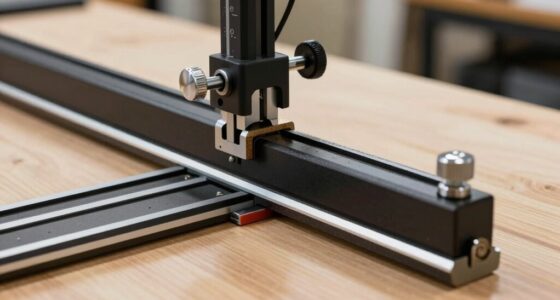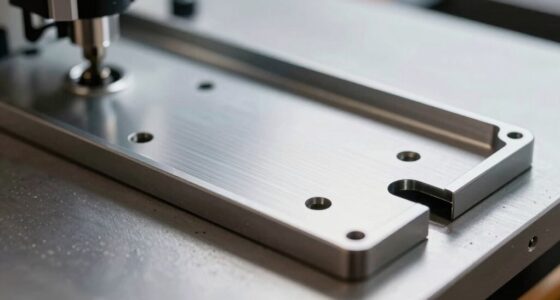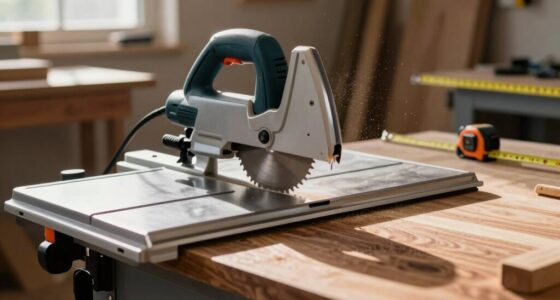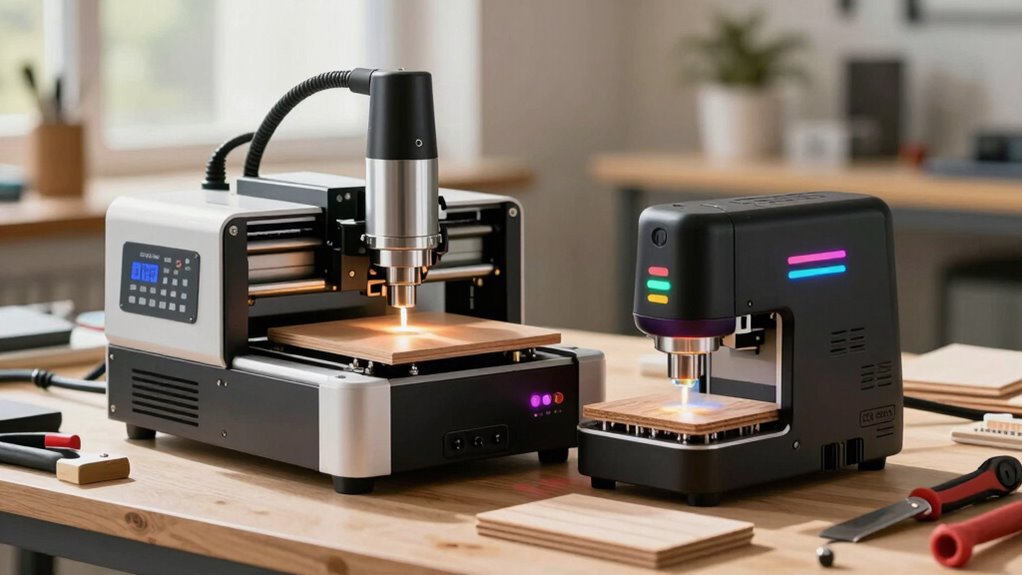

When choosing between a CO2 laser and a diode laser for woodworking, consider your project’s demands. If you need to cut thicker materials and tackle intricate designs, go for a CO2 laser for its versatility with various materials. However, if you’re focused on engraving softer woods and want a budget-friendly option, a diode laser is a great choice. Each has its pros and cons, so explore the specific features to find the best fit for your needs.

Get business pricing on tools and workshop supplies
- Business-only prices and quantity discounts
- Tax-exempt purchasing
- Multiple users, one account, clear invoices
Key Takeaways
- Choose a CO2 laser for cutting thicker materials and intricate designs, as it excels in versatility and speed.
- Opt for a diode laser if your focus is on engraving detailed work on thinner woods with lower power consumption.
- Consider your budget: diode lasers are more affordable initially, while CO2 lasers are a long-term investment with higher durability.
- Evaluate maintenance needs; diode lasers require less upkeep compared to CO2 lasers, making them suitable for hands-off operations.
- Assess material compatibility; CO2 lasers can handle a broader range, while diode lasers are best for specific woodworking tasks.
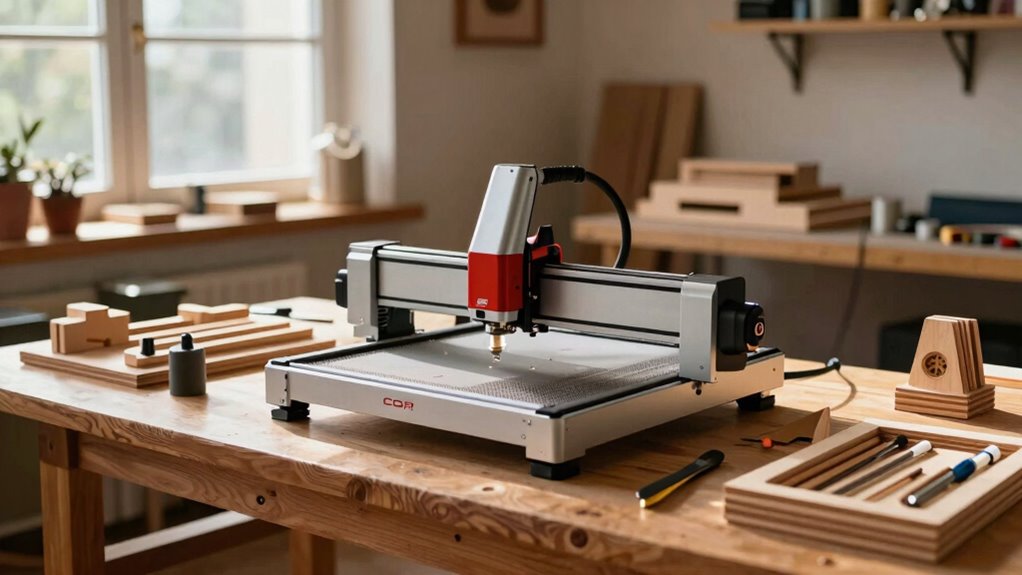
When you’re diving into the world of woodworking, have you ever wondered which laser is right for you—CO2 or diode? Choosing between these two types can be a game-changer for your projects. Each has its strengths and weaknesses, and understanding them will guide you in making the right choice for your woodworking needs.
First off, let’s talk about laser cutting and engraving techniques. CO2 lasers are generally best for cutting through thicker materials, like plywood and acrylic, thanks to their higher power output. If you plan to tackle intricate designs or larger projects, a CO2 laser might be your best bet. On the other hand, diode lasers excel in engraving techniques on various surfaces, making them ideal for detailed work on thinner woods or even delicate finishes. Knowing the kind of work you want to do will greatly impact your decision. Additionally, laser technology advancements continue to improve the precision and capabilities of both types, influencing their suitability for different tasks. As technology improvements progress, both laser types become more adaptable to diverse woodworking applications. Furthermore, the ease of integration with software tools can also influence your choice depending on your workflow. It’s also worth considering that cost efficiency varies between the two, impacting long-term operational expenses.
Next, consider material compatibility. CO2 lasers can handle a wider range of materials, including plastics and glass, while diode lasers are more limited, typically focused on wood and some softer metals. If you aim to diversify your projects, a CO2 laser offers better versatility. However, if your focus is mainly on woodworking, a diode laser could be sufficient.
Power efficiency is another factor worth examining. Diode lasers tend to consume less power, making them more cost-effective in the long run. If you’re running a small workshop or a home-based business, this could make a considerable difference in your operating costs. On the flip side, CO2 lasers require more energy but provide faster cutting speeds, which might appeal to those who value efficiency.
Cost comparison is also vital. Diode lasers usually come at a lower initial price point, making them accessible for hobbyists or those just starting out. But if you’re looking for durability and longer-term investments, CO2 lasers can pay off over time despite the higher upfront cost.
Maintenance requirements shouldn’t be overlooked either. Diode lasers generally require less maintenance, while CO2 lasers might need periodic alignment and care. If you prefer a more hands-off approach, you might lean toward diode lasers. Additionally, understanding technology differences between these lasers can help you better appreciate their capabilities and limitations. Recognizing these distinctions can also assist in optimizing your workflow and ensuring you select the best tool for your woodworking projects.
Products Worth Considering

Levoit Core 400S-P Smart Air Purifier for Large Rooms

LEVOIT Vital 200S-P Smart Air Purifier for Large Rooms

TCL 85-Inch QM6K Series QLED Mini LED 4K HDR Smart Google TV
As an affiliate, we earn on qualifying purchases.
Frequently Asked Questions
What Is the Maintenance Cost for CO2 Versus Diode Lasers?
CO2 lasers typically have higher maintenance costs due to their maintenance frequency and the need for more extensive repairs. You’ll often face expenses related to lens replacement, mirrors, and cooling systems. In contrast, diode lasers usually require less frequent maintenance, so your repair expenses will be lower. Overall, if you’re looking for a more budget-friendly option, a diode laser might save you money in the long run.
How Do Power Requirements Differ Between CO2 and Diode Lasers?
When you’re deciding between lasers, think of it like choosing between a classic vinyl and a digital track. CO2 lasers generally need more power, allowing for deeper cuts and faster engraving speeds. They excel at intricate designs on thicker materials, while diode lasers use less power, making them perfect for lighter tasks. If you want versatility and depth, CO2’s your pick; for simplicity and efficiency, diode lasers shine. Choose what fits your needs best!
Can I Upgrade My Laser Later On?
Yes, you can upgrade your laser later on. Many laser systems offer upgrade options like enhanced power or new features to future-proof your technology. When selecting your initial laser, consider models known for their compatibility with upgrades. This way, you won’t be stuck with outdated equipment down the line. Staying informed about advancements in laser technology will also help you make the best decisions for your woodworking projects.
What Safety Precautions Should I Take With Each Laser Type?
When you’re working with lasers, think of it like stepping into a sci-fi movie—safety’s your best sidekick! Always wear laser safety gear and make certain you’ve got proper eye protection. Set up ventilation systems to avoid harmful fumes, especially with flammable materials. Keep a fire extinguisher nearby, just in case. Each laser type has its risks, so stay vigilant and prioritize your safety to enjoy your woodworking adventures!
How Does Portability Compare Between CO2 and Diode Lasers?
When it comes to portability, diode lasers usually win due to their lighter weight and compact design flexibility. You’ll find them easier to move around, making them ideal for smaller workshops or projects requiring frequent relocation. CO2 lasers, while powerful, tend to be bulkier and heavier, limiting their portability. If you need something that’s easy to transport, a diode laser might be the better choice for your woodworking needs.
Conclusion
As you stand before your workshop, envision the smooth, intricate patterns a CO2 laser could carve into the wood, each beam a dancer gliding across the surface. Now, picture the precise, detailed cuts a diode laser offers, like a fine brush painting your ideas into reality. Choosing between them is like picking your favorite tool in a craftsman’s chest. Trust your vision, embrace your creativity, and let either laser bring your wooden masterpieces to life.