
TL;DR
Camilo Huinca, also known as ONLYJOKE, has unveiled a collection of sculptural wooden chairs that incorporate personal memories and literary references. The chairs serve as autobiographical narratives, blending art and storytelling through carving and paint.
Chilean artist and designer Camilo Huinca, known as ONLYJOKE, has introduced a collection of sculptural wooden chairs that embed personal histories and literary influences through intricate carving and painting. The series transforms everyday furniture into narrative objects, making personal memory and cultural references visible in each piece.
Huinca’s collection draws inspiration from literary figures such as Rainer Maria Rilke, Franz Kafka, and Chilean poet Gonzalo Millán, translating their themes into carved timber chairs that serve as autobiographical portraits. Each piece incorporates symbolic motifs, carved faces, and painted details that evoke childhood, labor, rural life, and emotional resilience.
Among the notable works, Palma Sucia references themes of manual labor and physical wear, depicting a weathered figure embodying physical and emotional scars. Monólogo al origen features carved faces representing childhood’s emotional foundation, with a solitary figure symbolizing adulthood rooted in early memories. Confluencia captures rural landscapes and personal photographs, blending furniture with archival memory.
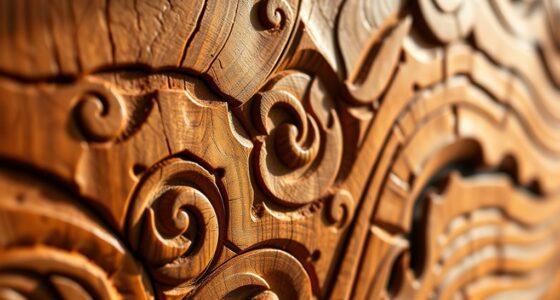
Huinca treats each chair as a narrative structure, where the carving marks, uneven contours, and painted elements reveal the making process and imbue the objects with character. Themes of resilience, loss, and identity are expressed through symbolic figures, layered materials, and embedded references, turning furniture into carriers of personal and cultural history.
Art as Personal Memory Preservation
Huinca’s work demonstrates how furniture can serve as a vessel for personal and cultural memory, transforming functional objects into autobiographical sculptures. This approach highlights the potential of art to preserve individual histories and literary influences, fostering a deeper connection between viewers and personal narratives embedded in everyday objects.
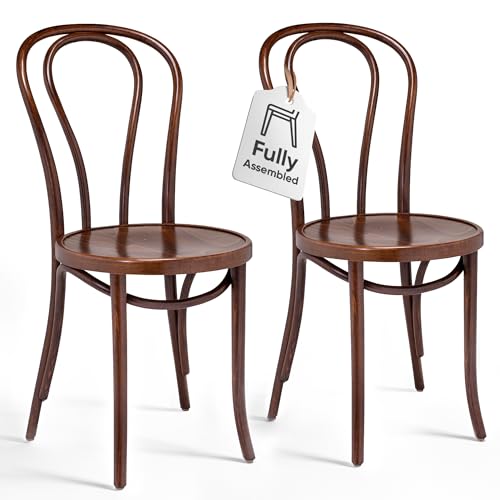
1018 Hairpin Bentwood Dining Chairs Set of 2 | Natural Handcrafted Wood Frame, Rustic Indoor Furniture | Wooden Chair for Kitchen Table, Coffee Shop, Cafe, or Bistro | Dining Room Chairs in Walnut
- Vintage Hairpin Design: Classic hairpin backrest with curved lines
- Handcrafted Beechwood Frame: Durable, natural, and handcrafted for strength
- Walnut Finish: Elegant deep Walnut color for versatile decor
As an affiliate, we earn on qualifying purchases.
As an affiliate, we earn on qualifying purchases.
Contemporary Chilean Art and Personal Mythology
Camilo Huinca’s collection emerges within a broader context of contemporary Chilean art that explores identity, memory, and cultural roots. His use of carved timber and symbolic motifs aligns with ongoing artistic practices that value handcrafted techniques and personal storytelling. The series also reflects a trend of blurring the lines between functional furniture and fine art, emphasizing the emotional and narrative potential of design.
“Huinca’s chairs are more than furniture; they are autobiographical sculptures that embed personal and literary histories through craftsmanship.”
— an anonymous researcher
Unconfirmed Aspects of Artistic Process
Details about Huinca’s specific techniques for carving and painting, as well as the full scope of literary and personal references embedded in each piece, remain undisclosed. It is also unclear whether the collection will be exhibited publicly or if additional works are planned.
Future Exhibitions and New Works Pending
Huinca is expected to showcase this collection in upcoming exhibitions, where viewers will be able to engage more deeply with the autobiographical and literary themes. Further projects exploring the intersection of furniture, memory, and storytelling are anticipated, though specific plans have not yet been announced.
Key Questions
What inspired Camilo Huinca to create these sculptural chairs?
Huinca drew inspiration from personal experiences, childhood memories, and literary figures such as Rainer Maria Rilke, Franz Kafka, and Gonzalo Millán, translating these influences into carved and painted furniture.
Are these chairs meant to be functional or purely artistic?
While designed as sculptures, some pieces retain functional elements, but their primary purpose is as narrative art objects that preserve personal and cultural memories.
Will these works be displayed publicly?
It is not yet confirmed whether the collection will be exhibited, but Huinca’s upcoming projects suggest a potential public showcase in the near future.
How does Huinca incorporate literary influences into his work?
He uses carved motifs, symbolic figures, and thematic references from literature to evoke emotional and intellectual responses, embedding these influences into the physical structure of each chair.
What themes are explored through Huinca’s collection?
The collection explores themes of childhood, labor, rural life, resilience, loss, and identity, using symbolism and craftsmanship to turn furniture into autobiographical storytelling devices.
Source: designboom