
Finding the best resaw bandsaw blade depends on your specific woodworking needs. The Timber Wolf Bandsaw Blade 111″ x 3/4″ stands out for its balanced performance and durability, making it a versatile choice for most users. The Dark Stone Carbide-Tipped Blade offers exceptional longevity for heavy-duty resawing, while the AYAO Bandsaw Blades provide a budget-friendly option suitable for hobbyists. Buyers often face tradeoffs between blade longevity, cut accuracy, and cost. Continue reading to discover how these options compare and which one fits your project best.

Get business pricing on tools and workshop supplies
- Business-only prices and quantity discounts
- Tax-exempt purchasing
- Multiple users, one account, clear invoices
Key Takeaways
- Durability and longevity vary significantly, with carbide-tipped blades lasting much longer than traditional steel options.
- Blade width influences cut stability; wider blades excel at straight resawing, but narrower blades offer more flexibility for intricate cuts.
- To get the best performance, matching blade TPI to your material density is key—fewer teeth for hardwoods, more for softer woods.
- Higher-quality blades often come at a premium, but they can reduce downtime and improve cut quality over time.
- Maintenance and proper tensioning are vital; even the best blade will underperform if not set correctly.
| Timber Wolf Bandsaw Blade 111″ X 3/4″, 3Tpi |  | Best Overall Resaw Blade for Versatility and Long-Lasting Performance | Item Dimensions: 111″L x 3/4″W | Item Thickness: 0.025 inches | Item Weight: 10.72 ounces | VIEW LATEST PRICE | See Our Full Breakdown |
| 3423VPC 93.5″ by 3/4″ Timber Wolf Bandsaw Silicone Steel Low Tension Resaw Blade |  | Best for Precision Resawing in Small to Large Boards | Item Length: 93.5″ | Item Width: 3/4″ | Number of Teeth: 4 TPI | VIEW LATEST PRICE | See Our Full Breakdown |
| Timber Wolf Bandsaw Blade 1/2″ X 93-1/2″, 4 Tpi |  | Best for Light to Medium-Duty Resawing with Sharp Finish | Item Dimensions: 93.5″L x 1/2″W | Item Thickness: 0.025 inches | Number of Teeth: 4 TPI | VIEW LATEST PRICE | See Our Full Breakdown |
| Dark Stone 111″ Carbide-Tipped Resaw Band Saw Blade, 3/4″ x 2 TPI |  | Best Heavy-Duty Blade for Long-Lasting Performance in Dense Woods | Item Length: 111″ | Item Width: 3/4″ | Number of Teeth: 2 TPI | VIEW LATEST PRICE | See Our Full Breakdown |
| Timber Wolf Bandsaw Blade 3/4″ X 93-1/2″, 3 Tpi |  | Best for Heavy-Duty Resawing in Thick, Dense Stock | Item Dimensions: 93.5″L x 3/4″W | Item Thickness: 0.03 inches | Number of Teeth: 3 TPI | VIEW LATEST PRICE | See Our Full Breakdown |
| AYAO Bandsaw Blades 70-1/2 Inch X 1/2 Inch X 4TPI Hardened Teeth, for Craftsman 921400, Rikon 10-305 and 10-3061 10″ Band Saw |  | Best for Compatibility and General Purpose Cutting | Length: 70.5 inches | Width: 1/2 inch | Teeth per inch: 4 TPI | VIEW LATEST PRICE | See Our Full Breakdown |
| Timber Wolf Bandsaw Blade 3/4″ X 131.5″, 2-3 TPI |  | Best for Heavy-Duty Straight-Line Resawing in Larger Boards | Width: 3/4 inch | Length: 131.5 inches | Teeth per inch: 2-3 TPI | VIEW LATEST PRICE | See Our Full Breakdown |
More Details on Our Top Picks
Timber Wolf Bandsaw Blade 111″ X 3/4″, 3Tpi
This Timber Wolf blade stands out for its thin kerf and low tension design, which results in less horsepower needed and smoother cuts. Compared with the Dark Stone carbide-tipped blade, it offers easier handling and less risk of breakage for hobbyists or light-duty use. While it excels in resawing thick stock with minimal wear, it does require proper tension adjustment to maximize its lifespan. The blade’s high silicon steel and thoughtful tooth pattern deliver a sharp, clean finish, suitable for a broad range of woods. However, its less aggressive TPI means slower cuts on very dense material, and it may require more frequent sharpening than carbide-tipped options. This pick makes the most sense for users needing a reliable, durable blade that balances cost and performance.
Pros:- Excellent balance of cut quality and durability
- Thin kerf reduces material waste and power consumption
- Long lifespan with proper tensioning
Cons:- Requires careful tension adjustment to avoid premature wear
- Not as aggressive as carbide-tipped blades for very dense materials
Best for: Home woodworkers and hobbyists who want a versatile, long-lasting blade for resawing a variety of woods.
Not ideal for: Heavy-duty professional shops cutting dense exotic woods daily, where carbide-tipped blades might last longer and perform faster.
- Item Dimensions:111″L x 3/4″W
- Item Thickness:0.025 inches
- Item Weight:10.72 ounces
- Number of Teeth:3 TPI
- Compatible Devices:Bandsaws
- Compatible Material:Metal and wood
Bottom line: This blade is best suited for woodworkers seeking a reliable, versatile resaw blade that balances cost with long-term durability.
3423VPC 93.5″ by 3/4″ Timber Wolf Bandsaw Silicone Steel Low Tension Resaw Blade
This Timber Wolf VPC blade is distinguished by its precision induction hardening and razor-sharp milled teeth, making it ideal for straight-line resawing. Compared to the 111″ Timber Wolf, it offers greater sharpness and edge retention, especially suited for detailed work or small shop environments. Its variable pitch, positive claw tooth pattern minimizes resonance and produces a very clean finish, almost polishing the wood. While its harder steel and milled teeth provide extended sharpness, the more complex tooth design means it might be slightly more expensive and less forgiving of rough handling. Its narrower focus on precision resawing makes it less ideal for heavy, aggressive cuts in very dense woods. This blade is perfect for woodworkers who prioritize finish quality and blade longevity in lighter to medium-duty applications.
Pros:- Exceptional edge retention and sharpness
- Reduces resonance for cleaner cuts
- Ideal for precise, straight resawing
Cons:- Less aggressive teeth for slower cutting in tough woods
- Higher cost due to milling and hardening process
Best for: Furniture makers and detailed hobbyist woodworkers focused on achieving smooth, precise cuts in medium-density woods.
Not ideal for: High-volume production shops requiring rapid, heavy-duty cuts with frequent blade changes, where more aggressive blades are preferred.
- Item Length:93.5″
- Item Width:3/4″
- Number of Teeth:4 TPI
- Material:Silicon Steel
- Blade Type:Low Tension Resaw
- Compatible Devices:Bandsaws
Bottom line: This blade is best for woodworkers who need precise, smooth resaw cuts with maximum blade life and minimal vibration.
Timber Wolf Bandsaw Blade 1/2″ X 93-1/2″, 4 Tpi
This 1/2″ Timber Wolf blade is a superb choice for hobbyists and small shops doing lighter resaw tasks. Its thin kerf and silicon steel construction mean less power is needed and the blade stays cooler, extending its life. Compared to the thicker, more aggressive 111″ blade, this offers more finesse and control in fine resawing or small projects. The 4 TPI tooth pattern ensures smooth, precise cuts, but may struggle with very dense or large stock, where a lower TPI blade might be less efficient. Its high-quality steel and sharp teeth make it excellent for detailed work, though it isn’t designed for heavy-duty industrial applications. The tradeoff is that it may require more frequent sharpening in demanding use. This pick is ideal for hobbyists and small-scale furniture makers needing clean cuts in moderate woods.
Pros:- Excellent for fine, precise cuts
- Runs cooler and extends blade life
- Thin kerf minimizes material waste
Cons:- Less aggressive for heavy-duty resawing
- May need more frequent sharpening in tough applications
Best for: Amateur woodworkers and small shops focusing on detailed resawing of medium-density woods.
Not ideal for: Heavy industrial settings or dense exotic woods requiring more aggressive blades and higher TPI for speed.
- Item Dimensions:93.5″L x 1/2″W
- Item Thickness:0.025 inches
- Number of Teeth:4 TPI
- Compatible Devices:Bandsaws
- Compatible Material:Wood
- Blade Type:Thin-Kerf
Bottom line: This blade suits those who prioritize cut quality and blade longevity over aggressive cutting speed.
Dark Stone 111″ Carbide-Tipped Resaw Band Saw Blade, 3/4″ x 2 TPI
This Dark Stone carbide-tipped blade is designed for demanding professional use, with long-life carbide teeth that outperform standard blades in tough hardwoods. Compared with the Timber Wolf 111″ blade, it offers superior wear resistance but at a higher cost and weight. Its hook tooth geometry supports aggressive, fast cuts in dense materials, with deep gullets for efficient chip removal. While its heavy-duty construction provides stability and straightness in large resaw jobs, it is less suited for delicate or finish work, where smoother blades are preferred. The tradeoff involves increased weight and cost, and it requires a robust bandsaw setup to handle the carbide teeth properly. This blade makes the most sense for professional shops needing maximum durability and throughput in hardwoods.
Pros:- Exceptional wear resistance and longevity
- Supports aggressive, fast cuts in hardwoods
- Reduces frequency of blade changes
Cons:- Heavy and more expensive than steel blades
- Requires a powerful bandsaw and proper tensioning
Best for: Professional woodshops and furniture producers handling large, dense hardwood stock daily.
Not ideal for: Casual hobbyists or light-duty resawing in softer woods, where the extra cost and weight are unnecessary.
- Item Length:111″
- Item Width:3/4″
- Number of Teeth:2 TPI
- Material:Carbide-Tipped Steel
- Blade Type:Heavy-Duty Resaw
- Compatible Devices:Bandsaws
Bottom line: This carbide-tipped blade is ideal for high-volume, heavy-duty resawing in dense woods where maximum durability is essential.
Timber Wolf Bandsaw Blade 3/4″ X 93-1/2″, 3 Tpi
This 3/4″ Timber Wolf blade is tailored for users who need to resaw thick, dense woods with minimal fuss. Its thin kerf and silicon steel construction allow for easier, cooler cuts, reducing strain on the bandsaw. When compared with the 111″ blade, it offers more aggressive cutting in larger, tougher stock, thanks to its 3 TPI configuration. Although it is slightly shorter, it provides excellent stability and straightness for heavy-duty applications. The high silicon steel and durable teeth make it suitable for repeated, demanding use. The main tradeoff is the slightly reduced length, which requires verifying compatibility with your saw. Overall, this blade excels in demanding hardwood resawing scenarios.
Pros:- Excellent for tough, thick hardwoods
- Runs cooler and lasts longer
- Thin kerf minimizes waste
Cons:- Slightly shorter length requires compatibility check
- Less aggressive tooth pattern for faster cuts in softer woods
Best for: Serious hobbyists and small shops needing to cut large, thick stock in dense hardwoods regularly.
Not ideal for: Light-duty or fine woodworking projects where a finer cut or smoother finish is desired.
- Item Dimensions:93.5″L x 3/4″W
- Item Thickness:0.03 inches
- Number of Teeth:3 TPI
- Compatible Devices:Bandsaws
- Compatible Material:Hardwood
- Material Type:Alloy Steel
Bottom line: This blade is best for users who need a durable, high-performance resaw blade for thick, dense woods and demanding applications.
AYAO Bandsaw Blades 70-1/2 Inch X 1/2 Inch X 4TPI Hardened Teeth, for Craftsman 921400, Rikon 10-305 and 10-3061 10″ Band Saw
This AYAO Bandsaw Blade is designed specifically for 10″ band saws like Craftsman 921400 and Rikon models, making it an excellent choice for users seeking a reliable replacement blade that fits common machines. Its hardened teeth and unique welding technique ensure smoother cuts and better durability, especially in hardwoods and resaw work. Compared with more specialized blades, this option offers a balanced performance for general woodworking, though it might not handle heavy-duty metal cutting or extremely thick stock as well. Its 0.026″ thickness provides good rigidity without sacrificing flexibility, but some users may find it less effective for very fine or intricate cuts. This pick makes the most sense for woodworkers who need a dependable, easy-to-install blade for versatile projects on popular 10-inch saws, especially if hardwood resawing is common in their workflow.
Pros:- Excellent fit for popular 10-inch band saws like Rikon and Craftsman
- Hardened teeth improve durability and cutting performance in hardwoods
- Unique welding technique provides smoother, more consistent cuts
- Affordable price point for quality general-purpose blades
Cons:- Limited to 70.5-inch length, not suitable for larger saws
- Less effective for very fine cuts or delicate work
- Thickness of 0.026″ may be less suitable for thin or fragile materials
Best for: Woodworkers with 10-inch band saws needing a reliable, all-purpose blade for hardwoods and general resaw work.
Not ideal for: Metalworkers or users with larger, heavy-duty saws who require blades with heavier gauge or specialized teeth for thick material or metal cutting.
- Length:70.5 inches
- Width:1/2 inch
- Teeth per inch:4 TPI
- Teeth Material:Hardened Steel
- Thickness:0.026 inches
- Compatibility:Craftsman 921400, Rikon 10-305, 10-3061
Bottom line: This blade is ideal for hobbyists and professional woodworkers seeking a dependable, compatible option for general resaw and hardwood cutting on 10-inch saws.
Timber Wolf Bandsaw Blade 3/4″ X 131.5″, 2-3 TPI
The Timber Wolf 3/4″ x 131.5″ blade is crafted from premium Swedish steel with proprietary induction hardening, which results in a blade with exceptional sharpness and longer lifespan compared to stamped or flame-hardened blades like the Timber Wolf 111″ 3 TPI model. Its variable pitch, positive claw tooth design reduces resonance, providing a very smooth and polished finish on large, straight resaw projects—ideal for professional or serious hobbyist use. While this blade excels in cutting thick hardwoods and large stock, its 2-3 TPI tooth count may be too coarse for fine cuts or detailed work, and its 3/4″ width limits its maneuverability in tight curves. This blade makes the most sense for users prioritizing straight-line resawing of wide boards with minimal vibration and maximum durability, especially in demanding woodworking environments.
Pros:- Made from high-quality Swedish steel for durability and sharpness
- Variable pitch, positive claw design reduces resonance and vibration
- Extended blade life due to proprietary induction hardening
- Excellent for straight-line resawing of large, thick boards
Cons:- Coarse 2-3 TPI teeth limit fine or detailed cuts
- Width of 3/4″ can restrict use in tight curves
- Higher cost compared to standard stamped blades
Best for: Professional woodworkers or advanced hobbyists focusing on large-scale, straight resawing of thick hardwoods and wide stock.
Not ideal for: Users needing blades for intricate curves or fine detailing, or those working on smaller or delicate projects that require finer teeth or narrower blades.
- Width:3/4 inch
- Length:131.5 inches
- Teeth per inch:2-3 TPI
- Material:Swedish Steel with induction hardening
- Teeth Type:Variable pitch, positive claw
- Application:Large straight resawing
Bottom line: This blade is best suited for professionals and serious hobbyists needing a durable, smooth-cutting solution for large, straight resaw projects in thick hardwoods.
How We Picked
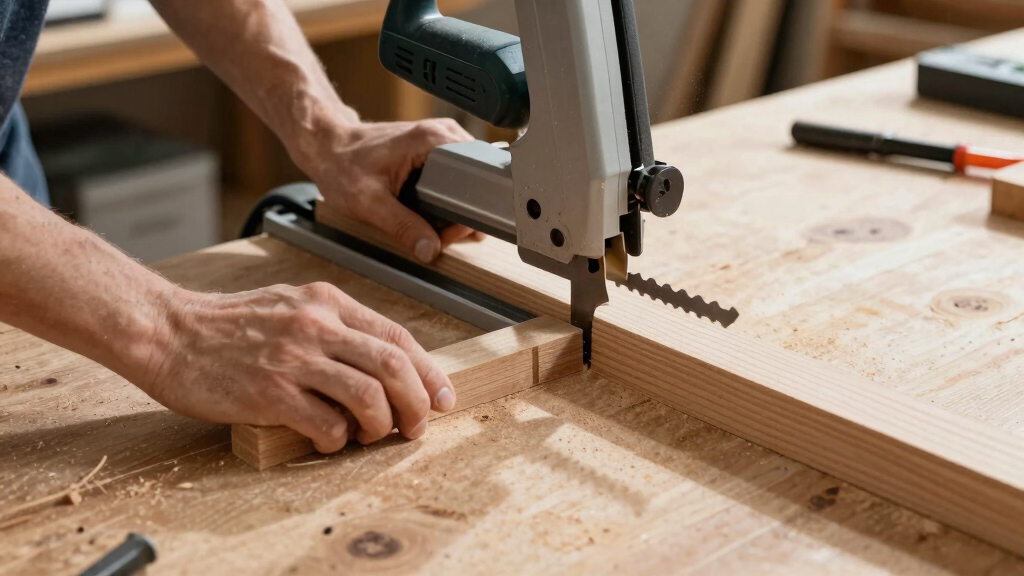
Each blade was evaluated based on performance benchmarks such as cut straightness, ease of installation, and resistance to twisting or breaking. Durability was a key factor, especially for heavy-duty use, so we prioritized blades with carbide tips or reinforced steel. Usability and compatibility with common bandsaw models were also considered, alongside value for money—balancing price against expected lifespan and performance. We also looked at user reviews and industry reputation to ensure reliability. The ranking reflects a combination of these factors, emphasizing blades that deliver consistent results for different woodworking needs.
Factors to Consider When Choosing Best Resaw Bandsaw Blade
Choosing the best resaw bandsaw blade involves understanding several critical factors that influence cutting performance, blade longevity, and compatibility. While specifications like blade width and TPI are essential, broader considerations such as material type, tensioning ease, and intended use can significantly impact your results. Making an informed decision helps avoid common pitfalls like premature blade wear or poor cut accuracy, ensuring your investment pays off over time.Blade Width and Thickness
Wider blades (3/4″ or more) are better suited for straight, stable resawing, especially when working with large hardwoods. Narrower blades improve maneuverability for curved cuts but may sacrifice some straightness and stability. Thickness also affects rigidity; thicker blades resist twisting but can be more challenging to track and tension properly. Matching width and thickness to your projects helps optimize cut quality and blade lifespan.
Tooth Pitch and Set
The number of teeth per inch (TPI) impacts cut speed and finish quality. Fewer teeth (around 2-3 TPI) are ideal for resawing thick hardwoods, allowing for aggressive removal and less heat buildup. Higher TPI blades (4 or more) produce finer finishes on softer woods but may clog or wear faster under heavy loads. Consider your typical material to select a tooth configuration that balances cutting efficiency and blade longevity.
Material and Coating
Steel blades are standard and budget-friendly, but carbide-tipped blades excel for demanding projects because they resist wear and maintain sharpness longer. Some blades feature coatings that reduce friction or inhibit resin buildup, extending their lifespan and improving cut quality. Think about your workload—heavy-duty resawing justifies investing in carbide or coated blades, while occasional hobbyist use can often get by with steel options.
Compatibility and Tensioning
Ensuring the blade fits your bandsaw’s dimensions and tensioning system is crucial. Some blades are designed for specific models or tension ranges, and using an incompatible blade can lead to poor cuts or damage. Proper tensioning not only extends blade life but also stabilizes the cut. Always verify your saw’s specifications before purchasing to avoid compatibility issues.
Cost vs. Longevity
High-quality blades, especially those with carbide tips, come at a higher initial price but often deliver superior durability and cut precision. Cheaper steel blades may seem economical upfront but require more frequent replacements, increasing long-term costs. Balancing budget with your expected workload and desired results helps select a blade that offers the best value for your woodworking style.
Frequently Asked Questions
How often should I replace my resaw bandsaw blade?
The frequency of replacement depends on usage intensity and material hardness. Heavy-duty resawing of dense hardwoods can dull a blade in as little as 8-10 hours of operation, while lighter hobbyist work may extend blade life to 50 hours or more. Signs that it’s time to change include reduced cut quality, increased blade wandering, or visible wear on the teeth. Regular inspection and proper tensioning can help maximize your blade’s lifespan.
Can I use a general-purpose bandsaw blade for resawing hardwoods?
While you can technically use a general-purpose blade, it often won’t deliver the best results for resawing hardwoods. Resaw blades designed specifically for heavy-duty work typically feature wider profiles, fewer teeth, and reinforced teeth, which help produce straight, smooth cuts and resist wear. Using a blade tailored for resawing minimizes frustration, reduces blade wear, and results in cleaner, more precise cuts.
What is the difference between a carbide-tipped blade and a steel blade?
Carbide-tipped blades incorporate teeth with carbide inserts, which maintain sharpness far longer than standard steel teeth. They’re ideal for frequent heavy-duty resawing or working with abrasive materials. Steel blades are less expensive and suitable for light or occasional use but tend to dull faster, requiring more frequent replacements. The choice hinges on your workload and budget—carbide blades are a worthwhile investment for demanding projects.
Should I prioritize blade width or TPI for my resaw projects?
Both factors matter, but your primary focus should be on blade width for straight resawing—wider blades provide more stability and better track straight through thick materials. TPI should be adjusted based on your material; fewer teeth (2-3 TPI) are better for hardwoods, while higher TPI works well for softer woods or fine finishes. Matching these specifications to your typical projects ensures optimal results and prolongs blade life.
How does blade tension affect resawing performance?
Proper tensioning is essential for maintaining straight cuts and preventing blade twisting or buckling. Too little tension allows the blade to wobble, resulting in jagged cuts, while overly tight tension can cause premature blade failure or damage to the bandsaw. Always follow your saw’s tensioning guidelines and regularly check tension before resawing to achieve the best cut quality and extend blade life.
Conclusion
For most woodworkers seeking a reliable, versatile option, the Timber Wolf Bandsaw Blade 111″ x 3/4″ offers a balanced blend of performance and value, making it the best overall choice. Hobbyists or those on a budget might prefer the AYAO Bandsaw Blades for their affordability and decent performance. For heavy-duty, professional use, the Dark Stone carbide-tipped blade provides exceptional durability, justifying its premium price. Beginners should prioritize ease of installation and forgiving performance, while seasoned professionals may focus on long-term durability and cut precision to match their workload.”
Fall yard work Picks
leaf blowers
As an affiliate, we earn on qualifying purchases.