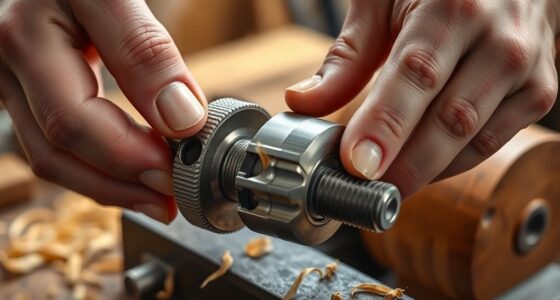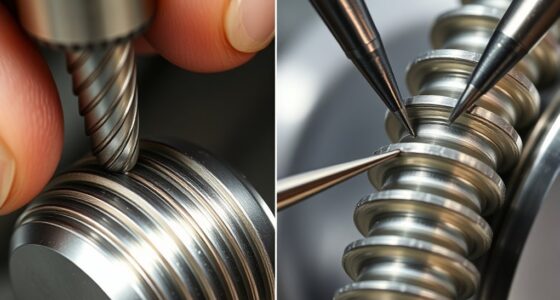

A steady rest is your best ally for tackling difficult turning projects. It minimizes vibrations and chatter, giving you the stability needed for smooth, even cuts. By maintaining consistent pressure, it prevents wobbling and misalignment, allowing you to focus on your technique. Plus, it extends the life of your tools, saving you time and money on maintenance. With a steady rest, you can push your creative boundaries and transform challenging designs into successful outcomes. There’s more to discover about optimizing your projects!

Get business pricing on tools and workshop supplies
- Business-only prices and quantity discounts
- Tax-exempt purchasing
- Multiple users, one account, clear invoices
Key Takeaways
- A steady rest stabilizes intricate turning projects, reducing vibration and chatter for smoother finishes.
- It maintains consistent pressure, preventing wobbling and enhancing workpiece security during turning.
- By keeping workpieces aligned, it ensures precision and reduces the risk of uneven surfaces.
- The steady rest minimizes tool strain, extending tool life and reducing maintenance needs.
- Overall, it enhances craftsmanship, allowing artisans to focus on creativity and quality.

When tackling turning projects, a steady rest can be your best friend. It’s one of those essential tools that can make a world of difference, especially when you’re working on larger or more intricate pieces. You might have faced challenges with vibration, chatter, or uneven cuts before, and a steady rest can help you overcome those hurdles by providing the turning stability you need. You might also notice that it helps reduce turning vibrations, leading to smoother finishes. When you’re focused on achieving that perfect finish, having the right support is vital.
One of the most significant steady rest benefits is that it allows you to maintain consistent pressure on the workpiece. This stability means fewer chances for the piece to wobble or shift during the turning process. You know that feeling when your tool digs in unexpectedly because the workpiece isn’t secure? A steady rest helps mitigate that risk. It supports the piece at various points, letting you concentrate on your technique rather than worrying about whether your workpiece will slip.
A steady rest provides vital support, ensuring consistent pressure and stability, so you can focus on perfecting your technique without worry.
Using a steady rest also enhances your ability to create intricate designs. When you’re turning something complex, precision is key. The steady rest keeps your piece aligned, reducing the risk of misalignment that can lead to uneven surfaces or undesired shapes. You can push your creative boundaries, knowing that your workpiece is secure and stable. This tool can transform your experience, turning a potential struggle into a smooth and enjoyable process.
Moreover, the steady rest can extend the life of your tools. When your workpiece is stable, it reduces the strain on your cutting tools, leading to less wear and tear. You won’t have to sharpen or replace your tools as frequently, saving you time and money in the long run. With consistent cutting performance, you’ll find your workflow becomes more efficient, allowing you to tackle more projects without the constant interruptions of tool maintenance.
In short, if you haven’t yet incorporated a steady rest into your turning projects, now’s the time. It’s not just a nice-to-have; it’s a game-changer. By providing the turning stability that allows you to focus on your artistry, you’ll find that your projects not only improve in quality but also in enjoyment. So, embrace the steady rest, and watch how it rescues your turning endeavors, making each project more manageable and rewarding. Recognizing the importance of turning stability can truly elevate your craftsmanship.
As an affiliate, we earn on qualifying purchases.
Frequently Asked Questions
What Types of Materials Can I Use With a Steady Rest?
You can use a steady rest with various materials to enhance your turning projects. For wood types, consider hardwoods like maple or oak, which provide stability. When working with metal grades, aluminum and brass are great options. In plastics, acrylic and nylon work well, offering versatility. Don’t forget composite materials like MDF or plywood, which can also benefit from the added support a steady rest provides, ensuring smoother finishes and better results.
How Do I Choose the Right Size Steady Rest for My Lathe?
Did you know that using the correct steady rest size can improve your lathe’s stability by up to 50%? To choose the right size steady rest for your lathe, measure your workpiece diameter and consider the lathe compatibility. Look for options that accommodate your specific lathe model and guarantee the rest’s arms can adjust to your project’s needs. This way, you’ll maximize performance and achieve smoother results.
Can a Steady Rest Improve My Finish Quality?
Yes, a steady rest can greatly improve your finish quality. By providing support, it helps maintain finish consistency throughout your turning process. You’ll notice a reduction in vibrations, which often lead to surface imperfections. With a steady rest in place, you can achieve smoother cuts and more uniform surfaces. This not only enhances your project’s appearance but also saves you time on sanding and finishing, making your work more efficient.
Are There Any Downsides to Using a Steady Rest?
Yes, there are some downsides to using a steady rest. While it provides significant stability benefits, nearly 30% of woodturners report setup challenges that can frustrate the process. You might find adjustments time-consuming, especially if you’re working with irregularly shaped pieces. Additionally, a steady rest can limit your access to certain areas of your project, making intricate designs harder to achieve. Weigh these factors before deciding if it’s right for you.
How Do I Maintain My Steady Rest for Longevity?
To maintain your steady rest for longevity, perform regular inspections to check for wear and tear. Clean the components frequently to prevent debris buildup, which can affect performance. Lubricate moving parts as needed to guarantee smooth operation. Tighten any loose screws or fittings during your inspections to keep everything secure. By following these steady rest maintenance steps, you’ll enhance its durability and keep it functioning effectively for your turning projects.
Conclusion
In the world of turning projects, a steady rest isn’t just an accessory; it’s your secret weapon. Imagine the confidence you’ll feel as you watch your workpiece spin with precision, free from the dreaded chatter and wobble. With each cut, you’ll reveal the smooth, professional finish you’ve always desired. So, are you ready to transform your turning experience? Grab that steady rest, and let the magic begin—because the best projects are just a steady hand away.
Fall yard work Picks
leaf blowers
As an affiliate, we earn on qualifying purchases.