Using test boards during development helps you catch design flaws early, saving you from costly mistakes later. They let you quickly modify circuits, troubleshoot issues, and validate your design before full production. This prevents producing flawed units and reduces the risk of recalls or repairs. By catching problems early, you avoid delays and rework, making your process smoother and more reliable. Keep exploring how test boards can make your projects more successful and regret-free.
Key Takeaways
- They enable early detection of design flaws, preventing costly rework and delays.
- Test boards facilitate quick modifications, reducing time-to-market and associated regrets.
- They help identify issues before full-scale production, minimizing expensive recalls and rework.
- Using test boards improves product reliability, decreasing post-market failures and customer complaints.
- They streamline collaboration and troubleshooting, leading to more efficient development and fewer regrets.
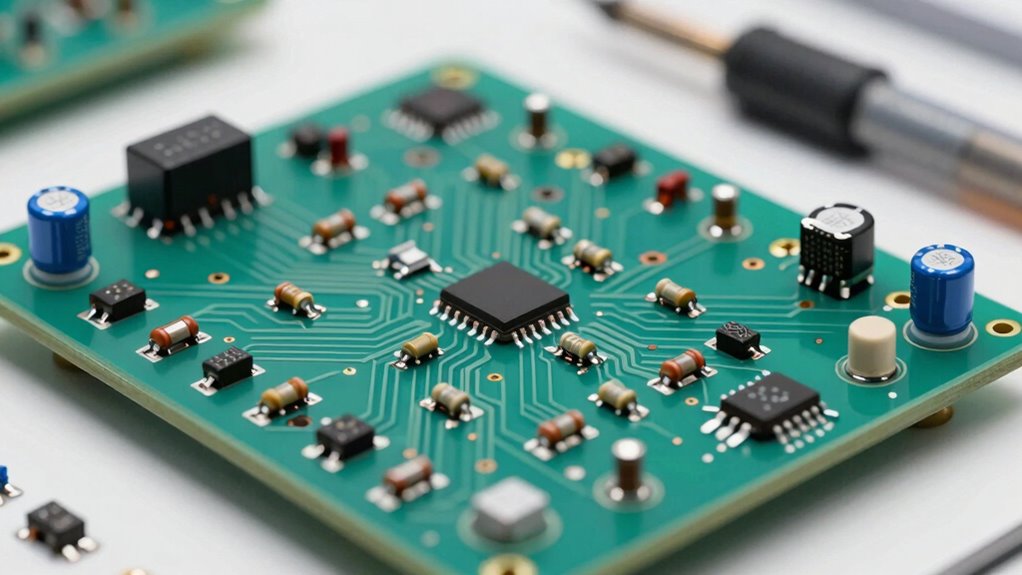
When developing new electronic products, test boards have become essential tools that can prevent costly mistakes and future regrets. They allow you to prototype and validate your designs before moving into full-scale production, saving both time and money. One of the key benefits of using test boards is their exceptional design flexibility. You can quickly modify circuits, test different configurations, and troubleshoot issues without the need for expensive and time-consuming rework on the main PCB. This adaptability means you can iterate rapidly, refine your design, and identify potential flaws early in the development process, which ultimately leads to a more reliable product. Additionally, test boards facilitate design validation, ensuring that your circuitry functions as intended before committing to final production. Furthermore, test boards promote cost efficiency in multiple ways. Instead of risking the production of large quantities of flawed units, you can identify and fix issues during the testing phase. This proactive approach prevents costly recalls, repairs, and customer dissatisfaction down the line. The ability to test various scenarios on a dedicated board means you’re not only saving money on materials and manufacturing but also on the labor involved in troubleshooting and fixing errors after the product hits the market. In addition, test boards often require less time to set up and run tests compared to testing directly on the final product, which accelerates your development cycle and gets your product to market faster. Incorporating testing methodologies with test boards ensures a comprehensive approach to quality control, further safeguarding your product’s success. Using test boards also encourages better collaboration among your design team. Since these boards can be easily customized and reused, different engineers can contribute to testing and improving various aspects of the circuit. This shared flexibility streamlines communication, accelerates troubleshooting, and fosters innovative solutions. All these efficiencies contribute to a smoother development process, ultimately saving you from future regrets linked to design errors, delays, or unanticipated costs. Additionally, understanding the importance of electrical testing can help you implement more effective validation procedures during development. Recognizing the role of test board design in the overall process emphasizes how crucial proper planning and setup are to achieving reliable results. Emphasizing early testing can significantly reduce the risk of overlooked issues that might otherwise lead to costly failures later on.
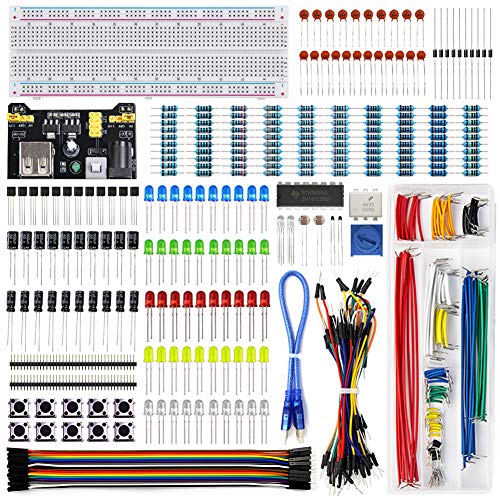
REXQualis Electronics Component Fun Kit w/Power Supply Module, Jumper Wire, 830 tie-Points Breadboard, Precision Potentiometer,Resistor Compatible with Arduino, Raspberry Pi, STM32
- Component Quantity: Over 400 sensors and components
- Secure Packaging: Individually packaged and labeled parts
- Includes Power Supply: USB-powered breadboard supply included
As an affiliate, we earn on qualifying purchases.
As an affiliate, we earn on qualifying purchases.
Frequently Asked Questions
How Do Test Boards Impact Overall Product Development Timelines?
Test boards profoundly impact your product development timelines by streamlining prototype validation and improving testing accuracy. They allow you to quickly identify design flaws early, reducing delays caused by late-stage revisions. With precise testing, you avoid costly mistakes and rework. This efficiency accelerates your overall process, ensuring faster iterations and quicker product launches. Ultimately, incorporating test boards helps you stay on schedule and deliver a reliable, high-quality product.
Can Small Businesses Afford Custom Test Boards?
You might think custom test boards are out of reach, but they’re more affordable than you realize. Cost considerations depend on your needs, and many providers offer flexible customization options tailored to small businesses. Think of it as planting a seed—you invest wisely now, and it grows into a reliable testing solution. With careful planning, you can find options that fit your budget without sacrificing quality or functionality.
What Are Common Mistakes When Designing Test Boards?
When designing test boards, you often make design errors or rush component selection, which can lead to costly issues later. To avoid this, double-check your schematic and layout for errors and confirm components meet your specifications. Avoid overcomplicating your design; simplicity helps identify problems early. Take your time during component selection, focusing on quality and compatibility. Proper planning and thorough reviews help prevent common mistakes and ensure your test board works flawlessly.
How Often Should Test Boards Be Updated or Replaced?
You should update or replace your test boards based on their longevity and performance. Typically, consider replacement every 3 to 5 years, depending on usage and wear. Regular maintenance and inspections help identify signs of degradation early. Prioritize replacement if you notice inconsistent results, damaged components, or outdated technology. Maintaining ideal test board condition ensures accurate testing and reduces costly errors, ultimately saving you time and money.
Do Test Boards Improve Product Compliance With Standards?
Test boards definitely improve product compliance with standards by enhancing testing accuracy. When you use well-maintained test boards, you reduce errors, ensuring your products meet regulatory requirements consistently. This proactive approach helps catch issues early, saving you from costly recalls or non-compliance penalties later. Ultimately, investing in quality test boards boosts your confidence in product safety and compliance, making your manufacturing process more reliable and efficient.
Conclusion
So, next time you skip testing, remember—ignoring test boards isn’t just a mistake; it’s practically inviting chaos into your project. Without them, you risk catastrophic failures that could cost you everything, from reputation to dreams. Test boards aren’t just tools; they’re your safeguard against the nightmare of regret. Embrace them fully, or prepare to face a future where every mistake haunts you like a ghost of what could’ve been. Choose wisely—your peace of mind depends on it.