
To choose materials that foster long-term trust, prioritize options known for durability, sustainability, and certification. Look for advanced, innovative composites that withstand wear and environmental stress over time. Opt for eco-friendly and recycled resources that demonstrate responsibility, and verify they meet industry standards to boost credibility. Long-lasting materials reduce maintenance and reinforce transparency. Keep these principles in mind, and you’ll be well on your way to making dependable choices—more insights await those who explore further.

Get tools and workshop supplies delivered free — and shop member deals
- Fast, free delivery on millions of items
- Access to Prime Big Deal Days deals on October 6–7
- Prime Video, Amazon Music and more included
Key Takeaways
- Prioritize durable, high-quality materials that withstand wear, environmental stressors, and aging over time.
- Incorporate innovative, advanced composites that blend durability with modern technology.
- Choose eco-friendly, recycled, or renewable materials to demonstrate environmental responsibility.
- Ensure materials meet industry standards and certifications to reinforce credibility and trust.
- Consider long-term performance and maintenance needs to select materials that maintain integrity and value.
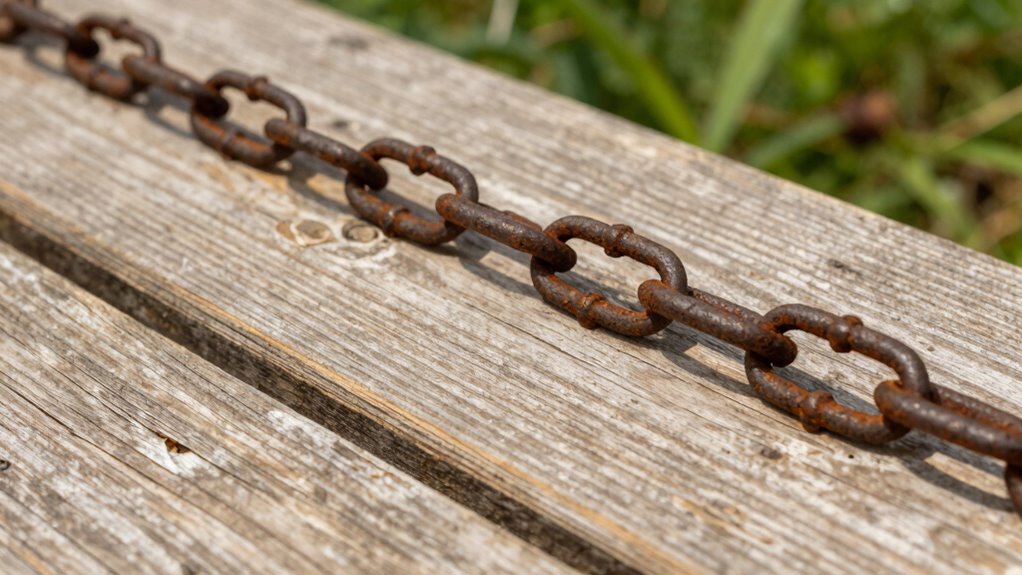
Building trust begins with choosing the right materials—materials that communicate reliability and integrity from the very start. When you focus on long-term trust, you need to look beyond quick fixes and consider the qualities that make materials dependable over time. Innovative approaches come into play here, offering new solutions that blend durability with cutting-edge technology. These approaches often involve advanced manufacturing processes or novel composites that stand up to wear and tear, environmental stressors, and the test of time. By embracing innovative options, you demonstrate a commitment to quality, signaling to others that you prioritize lasting value over fleeting gains.
Choosing innovative, durable materials signals a commitment to lasting quality and long-term trust.
Sustainable options are equally essential when you’re aiming for long-term trust. Choosing eco-friendly materials shows you care about the environment and future generations, which can deepen trust with clients, partners, and consumers. Sustainable options often include recycled or renewable resources that don’t compromise strength or performance. They tend to be less harmful to the environment during production and disposal, emphasizing your dedication to responsible practices. When you integrate sustainable materials into your projects or products, you not only meet current standards but also set a precedent for accountability and integrity. Recognizing how materials age and respond to changing conditions is crucial, as some sustainable materials are designed specifically to age gracefully, and maintain their integrity over time. Incorporating material longevity into your planning ensures your choices support enduring quality.
In your decision-making process, consider how materials age and how they respond to changing conditions. Long-lasting materials might cost more upfront but often save money and reputation over time by reducing maintenance and replacement needs. Think about the stories these materials tell—how well they hold up, how they age gracefully, and how they reflect your values. Choosing materials that get better with age or maintain their integrity over decades reinforces trust, proving that you’re invested in quality and transparency. Understanding the importance of material durability can help guide your choices toward options that truly stand the test of time. Additionally, understanding the sustainability of your materials can help you meet evolving standards and expectations. Moreover, prioritizing materials that are industry-certified can further enhance credibility and demonstrate your commitment to high standards.
durable eco-friendly building materials
As an affiliate, we earn on qualifying purchases.
As an affiliate, we earn on qualifying purchases.
Frequently Asked Questions
How Do I Assess the Durability of Different Materials Over Time?
You assess durability by examining each material’s lifespan and wear resistance. Check product specifications and manufacturer data for expected longevity and how well it withstands daily use. Consider real-world testing results and user reviews to see how materials perform over time. Test for resistance to environmental factors like moisture or temperature changes, ensuring they won’t degrade prematurely. This approach helps you select materials that truly last.
Are Eco-Friendly Materials More Reliable for Long-Term Trust?
Eco-friendly materials can be reliable for long-term trust if you avoid common misconceptions, like thinking they’re less durable. In fact, sustainable material sourcing often leads to higher quality and longevity. You should evaluate each material’s properties and sourcing practices, ensuring they meet your durability needs. By doing so, you build trust with your audience, knowing your choices support environmental responsibility while maintaining long-term reliability.
How Does Cost Impact the Choice of Durable Materials?
Cost considerably impacts your choice of durable materials. Material cost can limit your options, especially if you’re working within a tight budget. You need to balance budget considerations with the long-term benefits of investing in high-quality, reliable materials. While cheaper options might seem appealing initially, they could lead to higher maintenance or replacement costs down the line. Prioritize materials that offer durability and trustworthiness within your financial constraints for lasting results.
Can Traditional Materials Outperform Modern Alternatives in Trustworthiness?
You might find that traditional materials, with their historical reputation and cultural significance, often outperform modern alternatives in trustworthiness. For example, ancient stone structures still stand strong, embodying durability and trust built over centuries. These materials carry stories and significance that modern options often lack. Relying on traditional choices can foster a deeper sense of reliability, proving that sometimes, age-old methods offer more lasting trust than fleeting innovations.
What Role Does Maintenance Play in Preserving Material Trustworthiness?
Maintenance plays a vital role in preserving material trustworthiness by ensuring longevity. You should adopt effective maintenance strategies that regularly inspect, clean, and repair materials, preventing deterioration. Focusing on material longevity means addressing issues early and maintaining the integrity of your materials over time. Consistent upkeep not only sustains trust but also extends the lifespan of your investments, proving that well-maintained materials truly stand the test of time.
Conclusion
So there you have it—pick materials that promise longevity, not just shiny promises. Remember, quick fixes might win a race, but they’ll never win your trust in the long run. If you’re serious about building something that lasts, choose wisely—because nothing screams “trust” like durability and integrity, not fleeting trends. After all, who needs trust when you can have shiny, cheap thrills? Keep your standards high, and your materials even higher.
Halloween Picks
halloween
As an affiliate, we earn on qualifying purchases.