To keep your tools in good shape, always drain moisture from your air compressor’s tank regularly. Moisture causes internal rust, which can lead to corrosion and damage your tools over time. Neglecting to drain the tank reduces efficiency and may result in costly repairs or replacements. Make it a habit to drain the tank daily, especially if the compressor is used often. Keep going to discover more essential tips to prolong your compressor’s life and protect your tools.
Key Takeaways
- Drain moisture from the compressor tank daily to prevent rust and internal corrosion.
- Regularly remove accumulated water to maintain air quality and protect tools from moisture damage.
- Use the drain valve at the tank’s bottom to efficiently release trapped water after each use.
- Failing to drain moisture can cause tool rust, reduce compressor efficiency, and lead to costly repairs.
- Incorporate routine draining into maintenance to ensure clean, dry compressed air and extend tool lifespan.

Proper maintenance is essential to keep your air compressor running efficiently and avoid costly breakdowns. One of the most critical aspects of maintenance is ensuring that your compressor’s oil levels are correct. Low oil levels can cause excessive wear on moving parts, leading to overheating and eventual failure. Check the oil regularly, ideally before each use, and top it off with the manufacturer-recommended type. If you notice the oil is dark or gritty, it’s time to change it. Clean oil not only lubricates the internal components but also helps prevent corrosion and keeps the compressor operating smoothly. Ignoring oil levels can lead to overheating, increased energy consumption, and shortened equipment lifespan. Make it a habit to inspect the oil every few hours of operation, especially if your compressor runs frequently or under heavy loads.
Another vital aspect of maintenance is keeping the belt tension correct. The belt connects the motor to the compressor’s pump, and its tension directly influences performance. Too loose, and the belt may slip, reducing efficiency and causing uneven wear. Too tight, and it can strain the motor and bearings, leading to premature failure. To check belt tension, turn off the compressor and disconnect it from power. The belt should have a slight give when pressed — typically about a half-inch of movement. If it feels slack or overly tight, adjust the tension according to the manufacturer’s instructions. Regularly inspecting the belt for cracks, fraying, or glazing is also crucial. Replace worn or damaged belts promptly to maintain optimal operation. Proper belt tension not only prolongs the life of your compressor but also ensures it runs quietly and efficiently, saving you time and money on repairs.
Beyond oil levels and belt tension, don’t forget to keep the compressor clean. Dust and dirt can clog filters and vents, causing overheating and reducing airflow. Regularly inspect and replace filters as needed. Drain accumulated moisture from the tanks daily, especially if you use the compressor often, because moisture can cause internal rust and compromise air quality. Additionally, monitoring humidity levels in the air can help prevent internal corrosion and ensure the delivered air remains dry and safe for use. Check for leaks in hoses and fittings, which can reduce efficiency and increase energy costs. Overall, consistent maintenance routines, focusing on oil levels and belt tension, are your best defense against unexpected breakdowns. Staying proactive allows you to catch small issues before they turn into costly repairs, keeping your tools and equipment in top shape and ensuring your work isn’t interrupted.
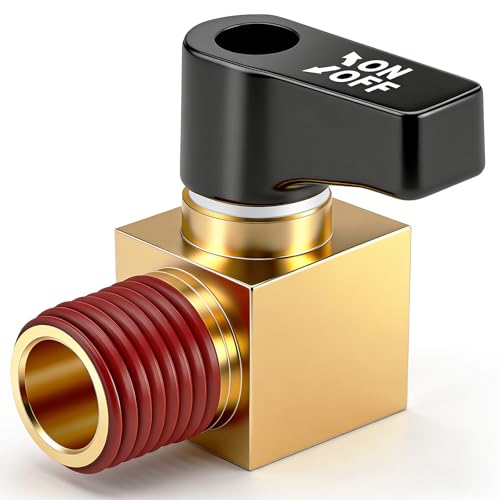
Aienxn Brass Air Compressor Drain Valve Cock Ball Valve, 1/4" NPT Male Thread Ball Type Drain Valve Air Compressor Accessories
Premium Quality: Aienxn air compressor ball valve is made of brass, which is not easy to damage, corrosion-resistant…
As an affiliate, we earn on qualifying purchases.
As an affiliate, we earn on qualifying purchases.
Frequently Asked Questions
How Often Should I Inspect My Air Compressor for Leaks?
You should inspect your air compressor for leaks at least once a month. Regular leak detection helps you catch small issues early before they turn into costly repairs. Increase inspection frequency if you notice a drop in pressure or decreased performance. By staying vigilant and routinely checking for leaks, you’ll guarantee your compressor runs efficiently, save energy, and prolong the lifespan of your tools and equipment.
Can I Use Any Type of Oil for My Compressor?
You shouldn’t use any type of oil for your compressor; instead, choose the right lubricant based on oil compatibility and lubricant selection. Check your compressor’s manual to identify the recommended oil type, whether it’s synthetic or mineral-based. Using incompatible oil can cause damage or reduce performance. Always follow the manufacturer’s guidelines to guarantee ideal operation and longevity of your compressor.
What’s the Best Way to Store My Air Compressor Long-Term?
Did you know improper storage can reduce your compressor’s lifespan by up to 50%? To guarantee long-term maintenance, store your air compressor in a cool, dry place away from direct sunlight. Clean it thoroughly and drain all moisture before storage. Cover it with a breathable material, and disconnect power sources. These storage tips help prevent rust and damage, keeping your compressor ready for use whenever you need it.
How Do I Troubleshoot if My Compressor Isn’t Building Pressure?
If your compressor isn’t building pressure, start by checking for pressure loss, which could indicate leaks or faulty seals. Also, inspect the pressure gauge; if it’s faulty, it may give inaccurate readings. Verify the power supply is consistent and the safety relief valve isn’t stuck open. Regularly clean or replace filters, as clogged filters can hinder pressure buildup. These steps should help you identify and fix the issue efficiently.
Are There Specific Safety Precautions for Draining the Compressor?
Think of draining your compressor like handling a wild beast—you need the right safety gear. Always wear safety goggles and gloves, and make certain the compressor is turned off and unplugged to prevent electrical shocks. Release pressure slowly, and avoid opening the drain valve when the system is still hot or under pressure. Following these safety precautions keeps you safe while maintaining your equipment’s health.

NEIKO 30252A Water and Oil Separator for Air Line | 1/4" NPT Inlet and Outlet | 90 PSI | Air Compressor and Air Tool Accessory | Protect Lifespan of Pneumatic Tools | Water Moisture Filter Dryer
WATER SEPARATOR: Add this air-tool accessory to your shop or garage to stop moisture, water, oil, and particles…
As an affiliate, we earn on qualifying purchases.
As an affiliate, we earn on qualifying purchases.
Conclusion
Neglecting to drain your air compressor can lead to costly damage and tool failure. Studies show that over 80% of compressor problems stem from moisture buildup, which can corrode parts and reduce efficiency. By making draining a quick, routine task, you can extend your tools’ lifespan and save money in the long run. Don’t let moisture ruin your equipment—stay vigilant, drain regularly, and keep your compressor running smoothly for years to come.

Dasbecan 90K-38159 A/C Belt Tensioner Kit Compatible with Chevy Tahoe 2000-2008, Gmc Yukon 2000-2008, Cadillac Escalade 2002-2008, Chevy Avalanche 2002-2008 Replaces# 38159 ACK040378HD
【Reliable A/C Belt Performance】Maintains correct AC belt tension to reduce slip, squeal, and vibration, helping the belt track…
As an affiliate, we earn on qualifying purchases.
As an affiliate, we earn on qualifying purchases.
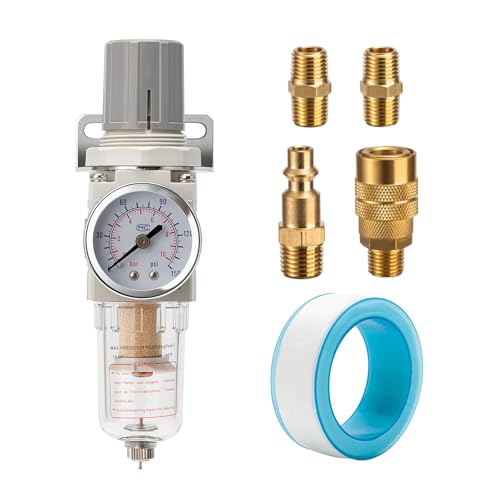
LNCHKA Pneumatic Air Compressor Filter Regulator Combo 1/4" NPT 150 PSI w/Adjustable Gauge-Water Separator,Metal Bracket,Manual Drain,5 Micron Brass Cartridge
CONDITIONS OF USE:Air pressure filter 1/4 NPT should meet the values specified As follows: Maximum pressure:145PSI,recommended pressure adjustment…
As an affiliate, we earn on qualifying purchases.
As an affiliate, we earn on qualifying purchases.