

For woodworkers choosing a book about joinery, The Complete Illustrated Guide to Joinery is my best overall pick for its broad, visual approach to joints and their uses. Woodworking Joinery by Hand stands out for readers focused on Japanese saws and jigs, while The Joint Book offers a direct reference to a wide range of joint types. The main choice is between broad coverage and a deeper focus on a particular tradition or building method. Some books favor step-by-step instruction, while others offer plans, design context, or specialist techniques. Read on for the full comparison and help matching a book to the work you want to do.

Get business pricing on tools and workshop supplies
- Business-only prices and quantity discounts
- Tax-exempt purchasing
- Multiple users, one account, clear invoices
Complete the kit


Key Takeaways
- The Complete Illustrated Guide to Joinery takes the broadest role in this lineup, making it the clearest starting point for readers who want coverage across joint types.
- Woodworking Joinery by Hand and The Craft of Japanese Joinery serve readers drawn to Japanese methods, but the former foregrounds hand-tool techniques and jigs while the latter frames traditional practice for modern woodworking.
- A Timber Framer’s Workshop is the specialist choice for large structural joints; its focus is less relevant to furniture makers working at smaller scales.
- Measure and Construction of the Japanese House adds architectural plans and sketches, giving it a different purpose from books centered on shop instruction.
- Several titles promise foundational or complete coverage, so the best fit depends on the actual work: compare their emphasis on illustrations, hands-on methods, traditional context, and joint-making reference.
| Woodworking Joinery by Hand: Innovative Techniques Using Japanese Saws and Jigs |  | Best for Hand-Tool Joinery | Format: Book | Subject: Woodworking joinery | Approach: Hand-tool techniques | VIEW ON AMAZON | See Our Full Breakdown |
| Japanese Joinery |  | Best for a Focused Japanese Joinery Reference | Format: Book | Title: Japanese Joinery | Subject indicated by title: Japanese joinery | VIEW ON AMAZON | See Our Full Breakdown |
| The Complete Illustrated Guide to Joinery |  | Best Overall for Visual Learning | Format: Book | Subject: Wood joinery and construction | Visual content: More than 1,400 step-by-step photos and diagrams | VIEW ON AMAZON | See Our Full Breakdown |
| Measure and Construction of the Japanese House: 250 Plans and Sketches Plus Illustrations of Joinery |  | Best for Architectural Context | Format: Book | Subject: Traditional Japanese residential architecture and construction | Plans and sketches: 250 | VIEW ON AMAZON | See Our Full Breakdown |
| A Timber Framer’s Workshop: Joinery and Design Essentials for Building Traditional Timber Frames |  | Best for Timber-Frame Building | Format: Book | Subject: Timber-frame joinery and design | Building style: Traditional timber frames | VIEW ON AMAZON | See Our Full Breakdown |
| Essential Joinery: The Fundamental Techniques Every Woodworker Should Know |  | Best for Core Skills | Format: Book | Subject: Woodworking joinery | Focus: Fundamental techniques | VIEW ON AMAZON | See Our Full Breakdown |
| The Craft of Japanese Joinery: Traditional Techniques for the Modern Woodworker |  | Best for Detailed Japanese Methods | Format: Book | Subject: Japanese joinery | Approach: Traditional techniques for modern woodworkers | VIEW ON AMAZON | See Our Full Breakdown |
| Foundations of Woodworking: Essential Joinery Techniques and Building Strategies |  | Best for Joinery Plus Building Methods | Format: Book | Subject: Woodworking | Joinery focus: Essential joinery techniques | VIEW ON AMAZON | See Our Full Breakdown |
| The Joinery Compendium: Learning from Traditional Woodworking |  | Best for Traditional Joinery Study | Format: Book | Subject: Joinery | Approach: Learning from traditional woodworking | VIEW ON AMAZON | See Our Full Breakdown |
| The Art of Japanese Joinery | 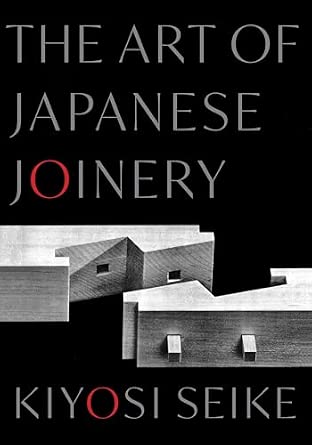 | Best for Japanese Joinery Enthusiasts | Format: Book | Subject: Japanese joinery | Title: The Art of Japanese Joinery | VIEW ON AMAZON | See Our Full Breakdown |
| The Complete Guide to Joint-Making |  | Best for Practical Instruction | Format: Book | Subject: Woodworking joint-making | Coverage: Various types of joints | VIEW ON AMAZON | See Our Full Breakdown |
| The Joint Book: The Complete Guide to Wood Joinery |  | Best for Illustrated Reference | Format: Book | Subject: Wood joinery | Coverage: Various joinery techniques | VIEW ON AMAZON | See Our Full Breakdown |
| joinery | Format | Subject | Title | ASIN |
|---|---|---|---|---|
| Woodworking Joinery by Hand: I | Book | Woodworking joinery | — | — |
| Japanese Joinery | Book | — | Japanese Joinery | — |
| The Complete Illustrated Guide | Book | Wood joinery and construction | — | — |
| Measure and Construction of th | Book | Traditional Japanese residential architecture and construction | — | — |
| A Timber Framer’s Workshop: Jo | Book | Timber-frame joinery and design | — | 188926900X |
| Essential Joinery: The Fundame | Book | Woodworking joinery | Essential Joinery: The Fundamental Techniques Every Woodworker Should Know | 1951217055 |
| The Craft of Japanese Joinery: | Book | Japanese joinery | The Craft of Japanese Joinery: Traditional Techniques for the Modern Woodworker | B0H8XM2ZWV |
| Foundations of Woodworking: Es | Book | Woodworking | Foundations of Woodworking: Essential Joinery Techniques and Building Strategies | 1641551623 |
| The Joinery Compendium: Learni | Book | Joinery | The Joinery Compendium: Learning from Traditional Woodworking | 3944074521 |
| The Art of Japanese Joinery | Book | Japanese joinery | The Art of Japanese Joinery | 1645473864 |
| The Complete Guide to Joint-Ma | Book | Woodworking joint-making | — | — |
| The Joint Book: The Complete G | Book | Wood joinery | — | — |
More Details on Our Top Picks
Woodworking Joinery by Hand: Innovative Techniques Using Japanese Saws and Jigs
Japanese saws and jigs are the focus here, giving this book a narrower, more practical angle than The Complete Illustrated Guide to Joinery, which covers wood joints broadly through extensive photos and diagrams. That focus makes this a stronger fit for readers who want to shape joinery with hand tools and learn methods built around specific tools. The description says it offers detailed instructions and practical techniques, though it does not identify particular joints or provide enough detail to judge the depth of each project. Beginners may find the methods useful, but the stated possibility that prior woodworking knowledge helps makes it a less certain starting point than a broadly illustrated reference. Choose it for a Japanese-saw-centered approach; skip it if you want a clearly documented survey of many joint types.
Pros:- Centers its instruction on Japanese saws and jigs
- Described as offering detailed, practical methods
- Addresses both enthusiasts and professional woodworkers
Cons:- The supplied description does not identify specific joints or projects
- Some methods may assume prior woodworking knowledge
Best for: Hand-tool woodworkers who want to explore joinery methods using Japanese saws and jigs
Not ideal for: Readers seeking a broad, fully specified beginner reference with a documented list of joint types
- Format:Book
- Subject:Woodworking joinery
- Approach:Hand-tool techniques
- Featured tools:Japanese saws and jigs
- Instruction:Detailed instructions and practical methods
- Intended readers:Hand-tool enthusiasts and professional woodworkers
Our verdict“Choose this for hand-tool joinery built around Japanese saws and jigs, especially if a broad illustrated survey is not your priority.”
Japanese Joinery
Japanese joinery is the only subject established by the available product information, so this title offers a clear thematic contrast with The Complete Illustrated Guide to Joinery, whose description promises broad coverage and more than 1,400 visual aids. That makes Japanese Joinery a possible fit for readers who want a title centered on one tradition, but the listing gives no description of its methods, illustrations, intended audience, or level of detail. I would not assume it teaches particular joints or provides step-by-step instruction from the title alone. Compared with Woodworking Joinery by Hand, it also has no stated emphasis on saws, jigs, or hand-tool practice. Its appeal is the focused subject; the tradeoff is that buyers have little information to judge what kind of reference it will be.
Pros:- Title identifies Japanese joinery as its subject
- Offers a narrower thematic focus than a general joinery guide
- May suit readers comparing books devoted to different joinery traditions
Cons:- No product description or instructional details are supplied
- The available information does not establish its audience or level
- No format details beyond its identification as a book are provided
Best for: Readers specifically seeking a book titled around Japanese joinery who can verify its contents before buying
Not ideal for: Beginners who need confirmed step-by-step instruction, tool guidance, or a described set of techniques
- Format:Book
- Title:Japanese Joinery
- Subject indicated by title:Japanese joinery
- Instructional approach:Not specified in supplied product data
- Illustrations:Not specified in supplied product data
- Intended readers:Not specified in supplied product data
Our verdict“Consider it if you want a Japanese joinery title and can confirm its contents, since the supplied information does not establish its instructional value.”
The Complete Illustrated Guide to Joinery
More than 1,400 step-by-step photos and diagrams give this guide the clearest instructional advantage in the batch. That visual depth sets it apart from Japanese Joinery, whose supplied listing provides no details about illustrations or teaching method, and gives readers a broader survey than Woodworking Joinery by Hand, which centers on Japanese saws and jigs. The stated subject is wood joinery and construction, so it suits learners who want to see how joints are built rather than focus on one tool tradition. The tradeoff is that the description does not name the joints covered, identify the intended skill level, or establish a focus on a specific style such as timber framing. It is the strongest general visual reference here, though specialists may want a more targeted book.
Pros:- Includes more than 1,400 step-by-step photos and diagrams
- Covers wood joinery and construction
- Visual instruction can help readers follow joint-building sequences
Cons:- The supplied data does not list the specific joints covered
- No intended skill level is stated
- Its broad subject may be less targeted than a Japanese joinery or timber-framing book
Best for: Woodworkers learning or revisiting joint construction who benefit from abundant step-by-step visual references
Not ideal for: Readers seeking a specialized manual on Japanese hand tools or traditional timber-frame design
- Format:Book
- Subject:Wood joinery and construction
- Visual content:More than 1,400 step-by-step photos and diagrams
- Instruction style:Illustrated, step-by-step guidance
- Intended readers:Not specified in supplied product data
- Specific joints covered:Not specified in supplied product data
Our verdict“Pick this as a broad visual learning reference if seeing joinery steps matters more than studying one tradition in depth.”
Measure and Construction of the Japanese House: 250 Plans and Sketches Plus Illustrations of Joinery
250 plans and sketches place joinery within the design and construction of traditional Japanese homes, giving this book a different purpose from Woodworking Joinery by Hand, which centers on saws, jigs, and hand-tool methods. Its illustrated joinery details may help architects, builders, and enthusiasts understand how joints relate to a building’s layout and construction. That context is its main strength; it is also its boundary. The description focuses exclusively on Japanese residential architecture, so readers seeking a general workshop manual or a broad comparison of joint-making methods may get more relevant coverage from The Complete Illustrated Guide to Joinery. The supplied information does not specify particular joints or how much instruction each illustration provides. Choose it for architectural reference, not as a general-purpose joinery course.
Pros:- Includes 250 plans and sketches
- Provides illustrations of traditional Japanese joinery
- Connects joinery details to residential architecture
- Aims to serve professionals and hobbyists
Cons:- Focuses exclusively on Japanese house construction
- The supplied data does not name specific joints
- The description does not establish how much step-by-step workshop instruction is included
Best for: Architects, builders, and traditional-design enthusiasts studying Japanese house plans and construction details
Not ideal for: Woodworkers seeking a general workshop guide to joint-making across furniture and other projects
- Format:Book
- Subject:Traditional Japanese residential architecture and construction
- Plans and sketches:250
- Joinery content:Illustrations of joinery
- Scope:Japanese house construction
- Intended readers:Architects, builders, and enthusiasts
Our verdict“Choose this for joinery details in the context of traditional Japanese houses, rather than for general shop instruction.”
A Timber Framer’s Workshop: Joinery and Design Essentials for Building Traditional Timber Frames
Traditional timber frames define this book’s subject, making it the most construction-specific pick here. Where The Complete Illustrated Guide to Joinery is described as a broad guide to wood joints, this title is aimed at joinery and design essentials for building frames. That narrower purpose may help readers whose projects involve timber-frame construction, where joint choices need to fit a larger structural design. The supplied product data, however, gives no further description of its teaching approach, illustrations, specific joints, or level of detail. Compared with Measure and Construction of the Japanese House, it is framed around the timber-framing craft rather than Japanese residential architecture. Its stated subject is compelling for a specialist; buyers should confirm the contents if they need a particular method or project sequence.
Pros:- Explicitly focuses on traditional timber-frame building
- Covers both joinery and design essentials
- Has a more specialized construction focus than a general joinery guide
Cons:- The supplied description gives no specific joints or techniques
- Illustrations and instructional format are not specified
- The specialist scope may not fit furniture or general woodworking projects
Best for: Woodworkers and builders focused on designing and constructing traditional timber frames
Not ideal for: Furniture makers or beginners seeking a documented, general introduction to many types of wood joints
- Format:Book
- Subject:Timber-frame joinery and design
- Building style:Traditional timber frames
- Focus:Joinery and design essentials
- Instructional details:Not specified in supplied product data
- ASIN:188926900X
Our verdict“Choose this if traditional timber-frame design and joinery are your main goals, and verify the contents for the specific instruction you need.”
Essential Joinery: The Fundamental Techniques Every Woodworker Should Know
Essential Joinery is the most direct fit for readers who want a grounding in the techniques behind common woodworking joints. Its title points to a fundamentals-first approach, which makes it easier to place than The Craft of Japanese Joinery, whose focus is a particular tradition. That broad remit could suit a woodworker building skills across projects, but the available product information gives no chapter list, tool guidance, or details about how the techniques are taught. I would treat it as a candidate for basic joinery study, not assume it includes step-by-step illustrations or advanced projects. Compared with Foundations of Woodworking, it appears more specifically centered on joinery rather than combining joints with broader building strategies. That focus is useful, though the lack of further details makes its depth hard to judge.
Pros:- Explicit focus on foundational joinery techniques
- The subject appears more concentrated than broader woodworking guides
- Could serve as an entry point before studying specialized methods
Cons:- No details confirm which joints or skill levels the book covers
- No information is provided about illustrations, projects, or teaching format
Best for: Woodworkers seeking a fundamentals-focused joinery book before choosing a specialized tradition or project method
Not ideal for: Readers who need confirmed illustrations, project plans, tool recommendations, or coverage of a specific joinery tradition
- Format:Book
- Subject:Woodworking joinery
- Focus:Fundamental techniques
- Intended audience:Woodworkers
- Title:Essential Joinery: The Fundamental Techniques Every Woodworker Should Know
- ASIN:1951217055
Our verdict“Choose this if you want a fundamentals-centered joinery title and can accept limited information about its contents.”
The Craft of Japanese Joinery: Traditional Techniques for the Modern Woodworker
The Craft of Japanese Joinery stands apart from broad fundamentals books by focusing on Japanese techniques and explaining them for modern woodworkers. The supplied description specifically notes detailed instructions and illustrations, giving it a clearer practical teaching promise than The Art of Japanese Joinery, for which no further content details are available. That makes this the more grounded pick for readers who want guidance they can follow at the bench. Its traditional focus is also its main limitation: someone seeking a general survey of everyday Western joints may get a narrower range than from Essential Joinery. The description says it suits beginners as well as experienced woodworkers, but the actual depth and project scope are unspecified. I’d choose it for an interest in Japanese craft, not as a guaranteed all-purpose joinery reference.
Pros:- Dedicated coverage of traditional Japanese joinery
- Description identifies detailed instructions and illustrations
- Presented as suitable for beginners and experienced woodworkers
Cons:- Its traditional Japanese focus may be too narrow for general joinery study
- No chapter list, project details, or specific techniques are provided
Best for: Woodworkers who want illustrated instruction in traditional Japanese joinery, whether building initial skills or refining existing ones
Not ideal for: Readers seeking a broad survey of joinery traditions or confirmed coverage of non-Japanese joints
- Format:Book
- Subject:Japanese joinery
- Approach:Traditional techniques for modern woodworkers
- Instruction:Detailed instructions, according to the description
- Illustrations:Included, according to the description
- Intended audience:Beginners and experienced woodworkers
- Title:The Craft of Japanese Joinery: Traditional Techniques for the Modern Woodworker
- ASIN:B0H8XM2ZWV
Our verdict“Pick this for an illustrated introduction to Japanese joinery; choose a broader fundamentals title for wider coverage.”
Foundations of Woodworking: Essential Joinery Techniques and Building Strategies
Foundations of Woodworking suggests a broader learning path than Essential Joinery: its title pairs essential joints with building strategies, potentially helping readers connect a joint choice to the way a project is assembled. That combination may suit someone who wants joinery within a wider woodworking framework rather than a book devoted only to foundational joints. The available description, however, does not identify specific techniques, projects, illustrations, or skill level, so the title alone cannot confirm how practical or detailed that framework is. Compared with The Craft of Japanese Joinery, it makes no stated commitment to one woodworking tradition, which could make it more general but less distinctive for readers pursuing Japanese methods. I’d shortlist it for broad learning goals while checking its contents before relying on it as a technique-by-technique manual.
Pros:- Title combines joinery techniques with building strategies
- Broader woodworking framing than a joinery-only title
- May suit readers connecting joint selection with project construction
Cons:- No specific techniques or construction methods are identified in the supplied details
- No information confirms the book’s illustrations, projects, or intended skill level
Best for: Woodworkers who want a title framed around both essential joints and the strategies for building projects
Not ideal for: Buyers who need a confirmed list of joints, illustrated instructions, or a specialized Japanese joinery focus
- Format:Book
- Subject:Woodworking
- Joinery focus:Essential joinery techniques
- Additional focus:Building strategies
- Title:Foundations of Woodworking: Essential Joinery Techniques and Building Strategies
- ASIN:1641551623
Our verdict“Consider this for a broad woodworking foundation that includes joinery, after checking whether its contents match your projects.”
The Joinery Compendium: Learning from Traditional Woodworking
The Joinery Compendium signals a tradition-centered reference, making it a plausible fit for readers more interested in learning from established woodworking methods than following a fundamentals-first course. That places it alongside The Craft of Japanese Joinery in its interest in tradition, though the supplied description does not tie this compendium to a particular region or set of techniques. The word “compendium” suggests breadth, but it does not confirm the number of joints, the teaching format, or whether the book includes working drawings. That uncertainty matters for buyers who need instructions they can take directly to the bench. Compared with Essential Joinery, this title leans toward traditional learning rather than explicitly foundational techniques. I’d consider it for historical or method-focused curiosity, while verifying its contents if practical instruction is the priority.
Pros:- Explicitly centers joinery and traditional woodworking
- Its compendium framing may appeal to readers seeking reference material
- Offers a distinct tradition-oriented angle beside fundamentals-focused books
Cons:- No particular traditions or joinery techniques are identified
- No details confirm its breadth, illustrations, or practical instruction
Best for: Woodworkers interested in traditional methods and the history or practice of joinery across woodworking traditions
Not ideal for: Beginners who need confirmed step-by-step lessons, a defined sequence, or a specified list of joints
- Format:Book
- Subject:Joinery
- Approach:Learning from traditional woodworking
- Reference framing:Compendium
- Title:The Joinery Compendium: Learning from Traditional Woodworking
- ASIN:3944074521
Our verdict“Choose this for a tradition-oriented joinery reference only if its actual contents support the methods you want to study.”
The Art of Japanese Joinery
The Art of Japanese Joinery has the clearest appeal for readers drawn specifically to Japanese woodworking, but the supplied data does not describe its teaching approach or contents beyond that subject. That leaves it harder to recommend for bench instruction than The Craft of Japanese Joinery, whose description explicitly mentions detailed instructions and illustrations. This title may still suit readers seeking a focused treatment of the craft, but I can’t infer that it includes plans, diagrams, or a beginner-friendly progression from the title alone. Compared with The Joinery Compendium, its stated focus is narrower and more clearly tied to one tradition; compared with Essential Joinery, it is less suited to a general foundation across woodworking. Treat it as a targeted Japanese joinery option, and check the contents if you need practical guidance.
Pros:- Clearly focused on Japanese joinery
- Provides a distinct specialized alternative to general joinery titles
- May suit readers researching the craft as a tradition
Cons:- No details confirm specific techniques, diagrams, or project instructions
- Its narrow stated subject may not serve broad joinery learning goals
Best for: Woodworking readers whose main interest is Japanese joinery as a distinct craft tradition
Not ideal for: Beginners who need confirmed step-by-step instruction or woodworkers seeking a broad survey of joinery methods
- Format:Book
- Subject:Japanese joinery
- Title:The Art of Japanese Joinery
- ASIN:1645473864
- Additional product details:Not provided
- Instruction format:Not specified
Our verdict“Select this for a specifically Japanese joinery interest, but check its contents before expecting a practical instruction guide.”
The Complete Guide to Joint-Making
The Complete Guide to Joint-Making is a practical pick for woodworkers who want instruction focused on making different joints, with tips that can help turn descriptions into shop work. Its stated suitability for beginners and experienced makers gives it broader reach than a book aimed only at a traditional specialty, such as Japanese Joinery. The tradeoff is that the available description says little about which tools the projects require, so readers planning purchases or choosing methods around their existing kit may need more information. Compared with The Joint Book: The Complete Guide to Wood Joinery, this title’s clearest stated strength is its emphasis on practical tips; the other book has explicitly noted illustrations. I’d choose this one when direct technique guidance matters more than a specified visual format.
Pros:- Instructions cover various types of woodworking joints
- Practical tips and techniques are included
- Presented as suitable for beginners and experienced woodworkers
Cons:- The available product information does not identify required tools
- No additional resources or supporting content are specified
Best for: Woodworkers at beginner or intermediate level seeking instructions and practical tips for making a range of joints
Not ideal for: Readers who need a clearly documented tool list, project materials, or a confirmed illustrated layout before choosing a technique
- Format:Book
- Subject:Woodworking joint-making
- Coverage:Various types of joints
- Instruction:Detailed instructions
- Additional guidance:Practical tips and techniques
- Stated audience:Beginners and experienced woodworkers
Our verdict“Choose this guide if practical guidance across different joints is your priority and you can select methods without a detailed tool list.”
The Joint Book: The Complete Guide to Wood Joinery
The Joint Book: The Complete Guide to Wood Joinery suits readers who want joinery instruction paired with illustrations. Those visuals can help explain how a joint fits together, while the broad coverage gives beginners and experienced woodworkers a shared reference point. Against The Complete Guide to Joint-Making, its stated advantage is the illustrated instruction; the other title specifically mentions practical tips but gives no comparable detail about visuals. That makes this a better fit for readers who learn from diagrams, though the available product data does not identify particular joint types, tools, or materials. I’d treat it as a general visual guide rather than choose it for a documented tool list or a narrowly defined specialty such as Japanese joinery.
Pros:- Covers various wood joinery techniques
- Illustrations accompany detailed instructions
- Presented as suitable for beginners and experienced woodworking enthusiasts
Cons:- The available product information does not specify particular joints or projects
- Tools and materials are not listed in the supplied details
Best for: Woodworking learners who want illustrated guidance across wood joinery techniques
Not ideal for: Buyers who need confirmed details about specific joint types, required tools, or project materials before selecting a reference
- Format:Book
- Subject:Wood joinery
- Coverage:Various joinery techniques
- Instruction:Detailed instructions
- Visuals:Illustrations
- Stated audience:Beginners and experienced woodworking enthusiasts
Our verdict“Pick this book if illustrated instruction is your main priority and a broadly described joinery reference meets your needs.”
How We Picked
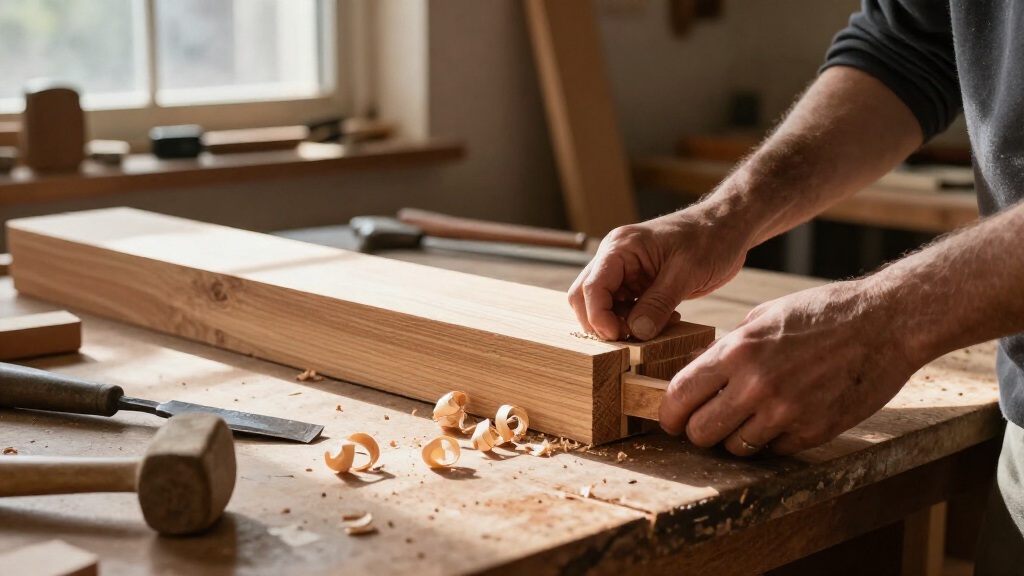
I compared these books by how clearly their stated focus serves a woodworker’s learning goal: broad joint reference, practical hand-tool instruction, Japanese joinery, timber framing, or architectural context. I gave more weight to titles that appear suited to applying techniques at the bench, while recognizing that plans, historical practice, and design essentials can be more useful for readers with those specific aims.
The ranking reflects usefulness across a range of joinery interests, clarity of role, and the likely tradeoff between breadth and depth. Broad guides rank ahead for general readers; specialist books rise for buyers whose projects match their subject. Since the supplied information is limited to titles, I avoid claims about specific contents, page quality, or tested performance that cannot be established from those details.
| joinery | Title |
|---|---|
| Woodworking Joinery by Hand: I | — |
| Japanese Joinery | Japanese Joinery |
| The Complete Illustrated Guide | — |
| Measure and Construction of th | — |
| A Timber Framer’s Workshop: Jo | — |
| Essential Joinery: The Fundame | Essential Joinery: The Fundamental Techniques Every Woodworker Should Know |
| The Craft of Japanese Joinery: | The Craft of Japanese Joinery: Traditional Techniques for the Modern Woodworker |
| Foundations of Woodworking: Es | Foundations of Woodworking: Essential Joinery Techniques and Building Strategies |
| The Joinery Compendium: Learni | The Joinery Compendium: Learning from Traditional Woodworking |
| The Art of Japanese Joinery | The Art of Japanese Joinery |
| The Complete Guide to Joint-Ma | — |
| The Joint Book: The Complete G | — |
Factors to Consider When Choosing Joinery
Choose a joinery book by matching its scope to the decisions you need to make at the bench or drawing board. These factors can help you distinguish a useful learning resource from one that only shares a broad title with your interests.
Match the book to your project scale
Furniture joints, small boxes, house framing, and timber structures place different demands on a reader. A book devoted to large frames may explain connections that are too substantial for a small cabinet, while a compact-joint reference may leave structural design questions unanswered. Before buying, identify one project you expect to build and list the joint decisions it will require. Check whether the book’s stated scope aligns with that scale. A common mistake is choosing a title because it says “complete” and assuming that means complete for every kind of woodworking. For mixed projects, a broad reference can serve as a base, with a specialist title added when a particular construction method becomes central.
Choose between reference and instruction
A reference book helps you compare joint options and look up a connection when needed; an instructional book is meant to guide practice in sequence. These formats solve different problems, so decide whether you need to choose a joint or learn to cut one. If you are new to the craft, a sequence of techniques may be easier to follow than a dense survey. Experienced makers may prefer a book that lets them scan alternatives without revisiting introductory steps. Look for clues in the title and description, such as “techniques,” “guide,” or “compendium,” but verify the format before relying on those words alone. Avoid buying two books that serve the same role unless you want a second perspective on the same methods.
Decide how much tradition and context you want
Books on Japanese joinery can connect construction methods with a distinct woodworking tradition, while a general guide may spend more space on comparing common joints across projects. Architectural plans and sketches also offer a different kind of learning: they show how joinery relates to a building, rather than focusing only on a bench exercise. That context can matter when you want to understand proportion, structure, or how components fit together. It may be less useful if your immediate goal is to practice a single furniture joint. A frequent buying mistake is treating cultural or historical context as a substitute for hands-on instruction. Choose context-rich books when that perspective is part of your goal, and pair them with practical guidance if you need shop-ready steps.
Check whether the visual approach suits you
Joinery depends on seeing how surfaces meet, where material is removed, and how parts register during assembly. Illustrations, plans, and sketches can make those relationships easier to understand, especially when a written description leaves the geometry unclear. At the same time, more drawings do not automatically mean a book explains tool handling or cutting order. Think about whether you learn best from diagrams, written explanations, or a combination. If you can preview a book, inspect a spread that covers a joint you do not already know. That small check can reveal whether the visuals clarify the steps or simply show finished forms.
Pay more for specialization when it solves a real gap
A specialist book makes sense when its subject directly supports work you plan to do, such as hand-tool Japanese joinery or timber framing. Its narrower focus can offer more relevant context than a general book, but it also leaves other areas uncovered. Beginners who have not settled on a project type may get more use from broad foundational coverage first. Makers with a defined goal can accept a narrower scope because every chapter is more likely to relate to their work. Avoid collecting specialist titles based only on an appealing tradition or technique; consider whether you have the tools, materials, and projects to apply the subject. The strongest choice is the one that fills a specific learning gap rather than duplicating what you already know.
Frequently Asked Questions
Which kind of joinery book should I buy if I am still choosing between furniture and timber framing?
Start with a broad guide that covers common joint types and helps you understand how they differ. Timber framing asks questions about scale and structural connections that a furniture-focused book may not address, so a specialist frame title may be premature if you are undecided. Use your first projects to learn whether you prefer small-scale fitting and assembly or larger structural work. Once that direction is clearer, add a focused book for the methods your projects require. This approach limits overlap and makes each book more useful.
Can a book on Japanese joinery teach me without Japanese woodworking tools?
It depends on how closely the book ties its methods to particular tools. A title focused on Japanese saws and jigs may be most useful when you have or plan to use that equipment, while a broader treatment of traditional joinery may still offer ideas about fit, layout, and construction. Check the book’s description or sample pages for tool-specific steps before you buy. You can often learn design principles without copying every tool choice, but substituting tools may change the technique. If your goal is immediate practice with the tools you own, favor a guide that clearly matches them.
Should I choose a visual guide or a book centered on step-by-step techniques?
Choose based on the point where you get stuck. If you struggle to picture how parts meet, illustrated examples and plans can make joint geometry easier to follow. If you understand the shape but need help with layout and cutting sequence, technique-led instruction is likely a better fit. Many buyers benefit from one book of each type, but only when the books cover different needs. Previewing a sample chapter can show whether the diagrams explain process or mainly present finished examples.
Is a book about traditional joinery useful for modern projects?
Traditional methods can inform modern work through their approaches to fit, material use, and how parts connect. Their usefulness depends on whether the book explains the principles in a way you can apply to your own design and materials. A tradition-focused title may spend time on context that a quick shop reference would omit. That context is valuable if you want to understand why a joint developed, but it may not answer every question about contemporary tools or project constraints. Pair traditional study with practical guidance when you need both historical understanding and a current workflow.
How do I avoid buying two joinery books that cover the same ground?
Compare the intended role of each book before focusing on its title. One might offer a broad overview, while another concentrates on hand-tool practice, Japanese techniques, architectural plans, or structural framing. Write down the specific question you want each book to answer and look for differences in scope and approach. If both books promise general coverage with no clear distinction, a preview or table of contents can help expose overlap. A useful pair has complementary jobs, such as joint selection in one book and detailed practice in another.
Conclusion
For the best overall starting point, I recommend The Complete Illustrated Guide to Joinery for its broad, visual remit. Readers seeking a practical hand-tool focus should look first at Woodworking Joinery by Hand, while The Joint Book is my value-minded pick for buyers who want a general joint reference. Beginners can start with Essential Joinery or Foundations of Woodworking, choosing between a fundamentals-led title and one that also brings in building strategies. For premium specialist depth, consider A Timber Framer’s Workshop if structural frames are your goal; for Japanese architectural context, choose Measure and Construction of the Japanese House. The right book is the one whose scale and teaching approach match the work you plan to make.


