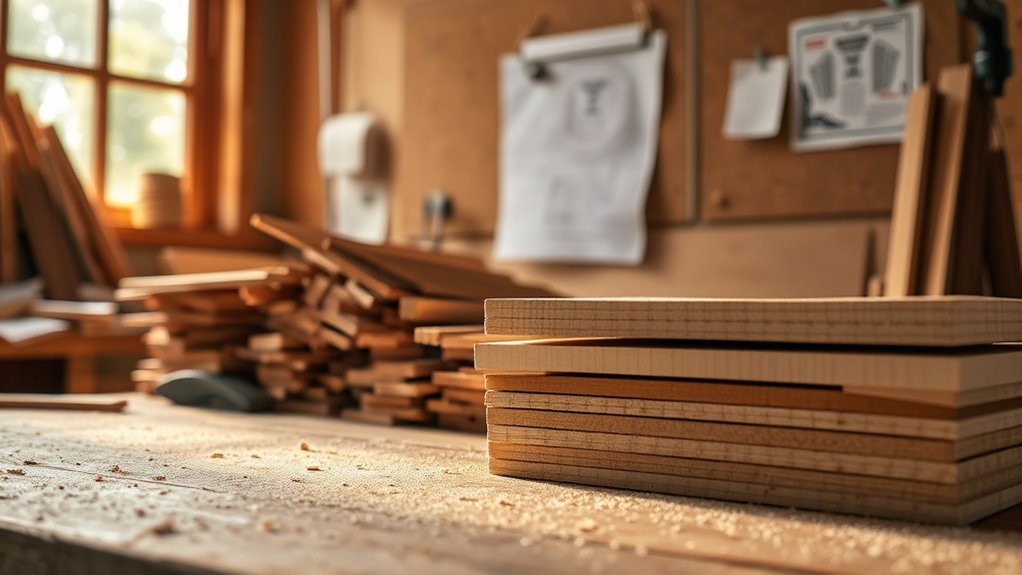

To reduce waste effectively, plan your cuts carefully to minimize excess material and optimize material usage. Use detailed measurements and layout designs to cut down on offcuts and scraps. Reuse those offcuts creatively in other projects or repurpose them to save resources. Proper planning not only conserves materials but also decreases landfill waste. Keep exploring ways to improve your waste reduction efforts—this approach can make a big difference in your sustainability journey.
Key Takeaways
- Plan cuts carefully to minimize waste of materials and maximize usable offcuts for future projects.
- Arrange cuts strategically to optimize material utilization and reduce leftover scraps.
- Reuse offcuts creatively in other projects or as functional components like spacers or templates.
- Document or map out planned cuts to ensure efficient use of resources and limit unnecessary waste.
- Incorporate offcut management into your workflow to promote sustainable practices and resource conservation.
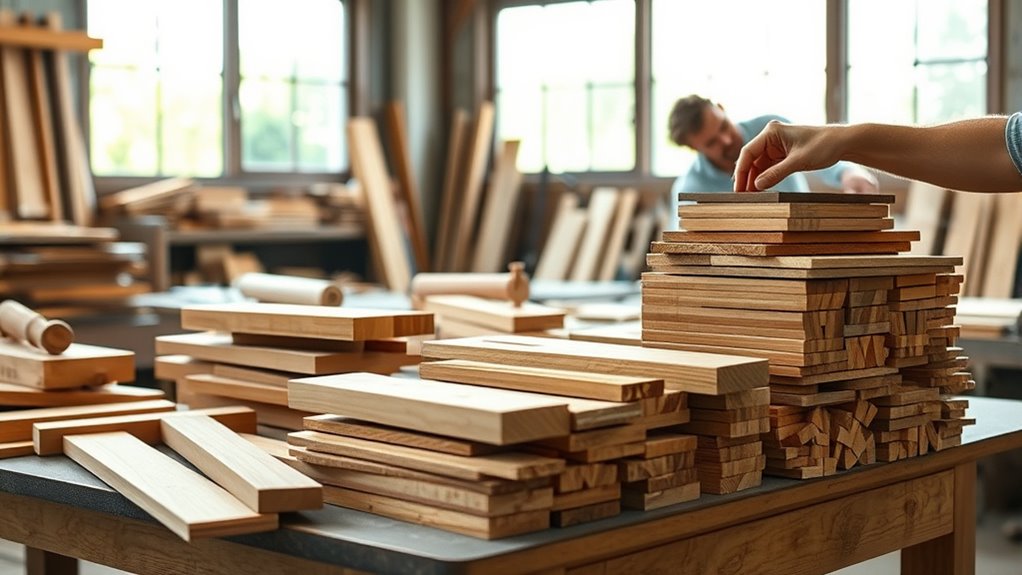
Reducing waste is essential for creating a more sustainable future, and implementing effective strategies can make a significant difference. One of the most impactful ways to do this is by engaging in recycling programs and emphasizing material reuse. Recycling programs allow you to divert waste from landfills by sorting and processing materials like paper, plastic, glass, and metals. When you participate actively, you help conserve natural resources, reduce energy consumption, and lessen pollution. Material reuse, on the other hand, involves repurposing items or scraps instead of discarding them. This approach not only minimizes waste but also saves you money and resources, as you make the most of what you already have.
Reducing waste through recycling and reuse helps conserve resources and build a sustainable future.
To make the most of recycling programs, start by familiarizing yourself with local guidelines. Properly sorting waste ensures that recyclable materials are not contaminated and can be processed efficiently. Keep separate bins for different materials and educate everyone involved about what can and cannot be recycled. By doing so, you prevent recyclable waste from ending up in landfills, reducing the overall volume of waste generated. Additionally, look for opportunities to donate items that still have value but are no longer needed. Clothing, electronics, and household items can often be reused or refurbished, extending their life cycle and reducing the need for new production.
Material reuse is equally vital. When planning projects or daily activities, think about how scraps or offcuts can be repurposed. For example, leftover fabric can become cleaning rags, or scrap wood can be used for small DIY projects. This mindset encourages you to view waste as a resource rather than trash. You might also explore creative ways to reuse packaging materials or repurpose old containers, transforming them into storage solutions or decorative pieces. By doing so, you cut down on the need for new items, which in turn reduces demand for manufacturing and lessens environmental impact. Using offcuts effectively can significantly reduce waste and promote sustainability.
Implementing these strategies requires a proactive attitude and a willingness to modify your habits. Incorporate recycling into your routine and seek opportunities to reuse materials whenever possible. Over time, these practices become second nature and contribute considerably to waste reduction efforts. Remember, every small action counts. When you plan your activities with waste reduction in mind—whether through sorting waste properly, participating in recycling programs, or reusing offcuts—you play a direct role in conserving resources and protecting the environment. Your conscious choices can inspire others to follow suit, creating a ripple effect that amplifies the positive impact. Together, through mindful planning and resourcefulness, you can make a real difference in reducing waste and building a sustainable future.
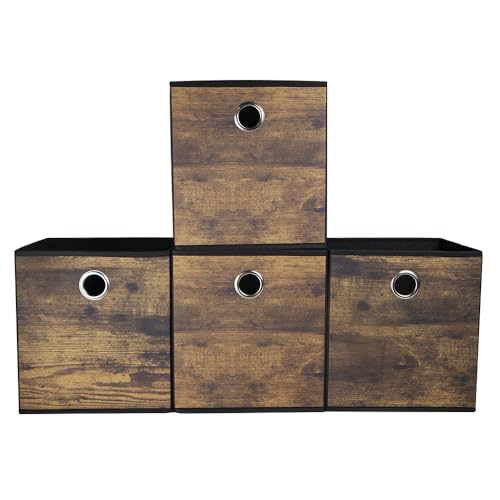
Folzaelar 4 Pack Durable Storage Cube Bins with Wood Grain,Thickened Fabric Box,Storage Baskets for Open Shelf,Bookcase,Closet,Storeroom,Bedroom,Living Room,Nursery,Office,Dorm, 10.2×10.2x11in (Small)
- Stylish Wood Grain Design: Attractive vintage look for home decor
- Optimal Size for Space: 10.5” x 10.5” x 11” dimensions
- Versatile Storage Solution: Suitable for toys, clothes, books, and more
As an affiliate, we earn on qualifying purchases.
As an affiliate, we earn on qualifying purchases.
Frequently Asked Questions
How Can I Measure the Effectiveness of Waste Reduction Strategies?
You can measure the effectiveness of waste reduction strategies by tracking performance metrics like waste volume, cost savings, and material efficiency. Implement feedback mechanisms such as employee surveys and regular audits to identify areas for improvement. Monitoring these indicators helps you see progress over time, ensuring your strategies are working effectively. Consistent review and adjustment based on data and feedback keep your waste reduction efforts on track.
What Tools Assist in Identifying Potential Waste in Production?
You can identify potential waste in production by using tools like process mapping, which visually outlines each step to spot inefficiencies. Inventory management systems help track stock levels, revealing excess or obsolete items that contribute to waste. Together, these tools enable you to analyze workflows, identify bottlenecks, and optimize resource use, ultimately reducing waste and improving overall efficiency in your production process.
How Do I Train Staff to Implement Waste Reduction Practices?
You should focus on engaging employees through effective training methods that emphasize the importance of waste reduction. Use hands-on workshops, real-life examples, and interactive activities to inspire commitment. Encourage open communication and feedback to boost employee engagement. Regularly review practices and recognize efforts to reinforce waste reduction habits. By actively involving staff and providing ongoing training, you create a culture where waste reduction becomes second nature.
What Are Common Challenges Faced When Planning Cuts?
You might find that subtle challenges, like fine-tuning material estimation and improving scheduling accuracy, often complicate planning cuts. These issues can lead to unforeseen waste or delays, making it hard to optimize resource use. To overcome these, you need precise data and flexible plans, so you can adapt quickly. Addressing these common hurdles helps guarantee your waste reduction efforts are effective, saving costs and boosting efficiency.
How Can Offcuts Be Repurposed Into New Products?
You can repurpose offcuts into new products through material reuse, transforming leftover pieces into smaller items or components. Get creative with product innovation by designing items that incorporate these scraps, reducing waste and adding unique features. By doing so, you maximize resource efficiency, cut costs, and develop innovative products that appeal to eco-conscious consumers, all while minimizing waste and promoting sustainability in your production process.
Conclusion
Just as Da Vinci saw beauty in every scrap, you can transform waste into opportunity. By planning cuts carefully and using offcuts creatively, you not only reduce waste but also unleash hidden potential. Your mindful approach echoes the Renaissance spirit of innovation and resourcefulness. Embrace these strategies, and you’ll find that what once seemed like trash can become your greatest asset—turning your workshop into a canvas of sustainability and ingenuity.