To craft outdoor planters that withstand the weather, choose materials like resin, fiberglass, or sealed metal, which resist cracking, rust, and UV damage. Consider adding UV coatings for extra protection and guarantee proper drainage with drilled holes or screens to prevent water pooling. Low-maintenance options like plastic or composite are also great for durability and ease of care. Keep these tips in mind, and you’ll find out more about creating resilient, stylish planters that last.

Get business pricing on tools and workshop supplies
- Business-only prices and quantity discounts
- Tax-exempt purchasing
- Multiple users, one account, clear invoices
Key Takeaways
- Choose materials like resin or fiberglass for durability in extreme weather conditions.
- Opt for UV-resistant coatings and sealed surfaces to prevent sun and moisture damage.
- Select weather-appropriate materials such as metal in dry climates or plastic for low maintenance needs.
- Incorporate drainage features like pre-drilled holes to protect roots and prevent water pooling.
- Match material properties with regional climate to ensure outdoor planters resist freezing, rust, or cracking.

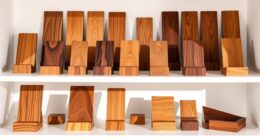
Outdoor planters are a versatile way to enhance your garden, balcony, or patio space. When choosing the right planters, you’ll want to assess your plant container options carefully. There’s a wide range of materials available, including wood, ceramic, metal, plastic, and composite options. Each offers distinct advantages and challenges, so it’s important to match your choice to your aesthetic preferences and functional needs. For example, wooden planters give a natural, rustic look but may require regular sealing or treatment to withstand weather conditions. Ceramic or terracotta pots are stylish and breathable but can crack in freezing temperatures. Metal planters, like aluminum or copper, are durable and modern-looking but might heat up quickly under direct sunlight, which could affect your plants. Plastic and composite planters are lightweight, affordable, and generally low-maintenance, making them popular choices for many outdoor spaces.
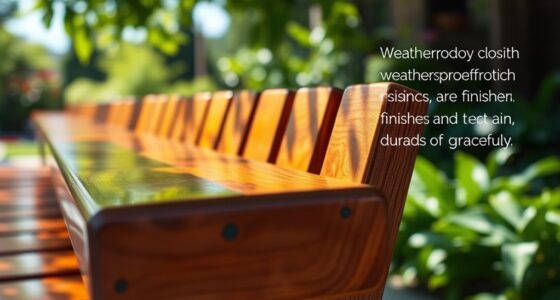
Weather resistance is a key factor when selecting your plant container options. Look for planters specifically designed for outdoor use, which have features like UV-resistant coatings or sealed surfaces to prevent deterioration from sun, rain, and temperature fluctuations. The right material can considerably extend the lifespan of your planters and keep your plants thriving. If you’re in a region with harsh winters, consider planters that won’t crack or warp in cold weather. Some materials, like resin or fiberglass, are engineered to resist extreme conditions and require minimal upkeep. Understanding the weather-resistant properties of each material can help you make a more informed choice and ensure your outdoor planters last longer.
Speaking of maintenance considerations, you’ll want to think about how much effort you’re willing to put into caring for your outdoor planters. For instance, ceramic and clay pots often need to be sealed to prevent cracking and may require more frequent cleaning to prevent mineral deposits or moss buildup. Metal planters may need periodic repainting or sealing to maintain their appearance and prevent rust. Plastic and composite planters generally demand less maintenance—they’re easy to clean with soap and water and resist pests and rot.
Drainage is another important factor to consider, regardless of the material. Good drainage prevents water from pooling at the bottom of your planters, which can lead to root rot. Many containers come with pre-drilled holes, or you can add drainage layers or screens to improve water flow. Overall, balancing your plant container options with maintenance considerations ensures your outdoor planters stay beautiful and functional for years to come. By selecting weather-resistant materials suited to your climate and upkeep preferences, you’ll create a thriving, attractive outdoor space that’s easy to care for.
weather-resistant outdoor planters
As an affiliate, we earn on qualifying purchases.
As an affiliate, we earn on qualifying purchases.
Frequently Asked Questions
What Are the Eco-Friendly Options for Weather-Resistant Outdoor Planters?
You can choose eco-friendly weather-resistant outdoor planters made from biodegradable plastics or recycled composite materials. Biodegradable plastics break down naturally over time, reducing plastic waste, while recycled composite materials use recycled wood fibers and plastics, making them durable and sustainable. These options stand up to weather conditions and help you reduce your environmental impact, ensuring your outdoor space stays stylish and eco-conscious.
How Do I Prevent Pests From Damaging My Outdoor Planters?
To prevent pests from damaging your outdoor planters, start by installing bird deterrents like reflective tapes or scare devices to keep birds away. Use natural pest repellents such as neem oil or garlic spray to deter insects. Regularly inspect your plants for signs of pests, remove any affected foliage, and keep your planters clean. These steps help protect your plants without harming the environment, ensuring your outdoor space stays healthy.
Can Weather-Resistant Planters Be Painted or Customized?
Just like a blank canvas waiting for your creativity, weather-resistant planters can be painted or customized. You can choose from various painting options and techniques like chalk paint or exterior spray to add personality. I once personalized a sturdy ceramic planter with vibrant colors and sealant, and it lasted through rain and sun. With proper preparation and sealant, your outdoor planters will stay beautiful and personalized for seasons to come.
What Is the Average Lifespan of Different Weather-Resistant Materials?
The average lifespan of weather-resistant materials varies based on material durability and weather resistance longevity. For example, high-quality cedar or composite materials often last 10-15 years with proper care. Plastic planters typically endure 5-10 years, while metal options like aluminum can last 20+ years if maintained properly. Your choice depends on your climate and how well you care for them, but generally, these materials offer excellent long-term durability.
Are There Maintenance Tips to Prolong the Life of Outdoor Planters?
Your outdoor planters can last a lifetime if you follow simple maintenance tips. Regular drainage maintenance prevents water buildup that can weaken materials. Seasonal cleaning clears away dirt, mold, or algae, keeping your planters looking fresh and functional. Also, consider reapplying protective coatings when needed. Think of it as giving your planters a mini-vacation—small efforts that dramatically extend their lifespan and keep your garden stunning year-round.
Conclusion
Now that you know how to choose weather-resistant materials, your outdoor planters will thrive season after season. Imagine the vibrant blooms and lush greenery flourishing in your durable planters, transforming your outdoor space into a mesmerizing oasis. Isn’t it rewarding to create an inviting environment that withstands the elements and showcases your personal style? With the right materials, you’re all set to enjoy beautiful, low-maintenance containers that keep your garden looking stunning year-round.
Fall yard work Picks
leaf blowers
As an affiliate, we earn on qualifying purchases.