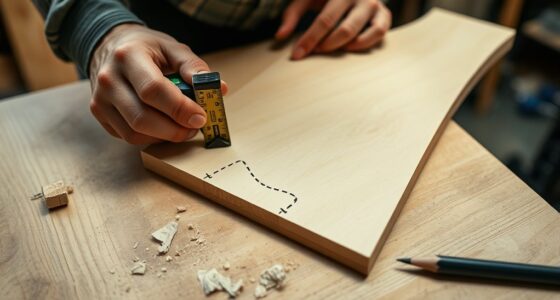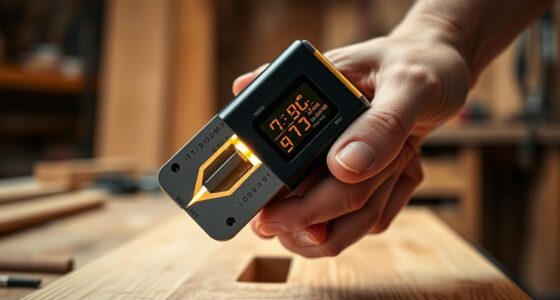

To avoid measuring mistakes, double-check your work by measuring multiple times and from different angles. Use the right tools for the task, confirm they’re clean and properly calibrated, and verify results with alternative methods or tools. Maintain a stable environment, note conditions, and record measurements clearly. Following a systematic approach with consistent steps helps catch errors early. Keep practicing these habits, and you’ll improve accuracy—you’ll discover more ways to ensure precise measurements along the way.

Get business pricing on tools and workshop supplies
- Business-only prices and quantity discounts
- Tax-exempt purchasing
- Multiple users, one account, clear invoices
Key Takeaways
- Always measure at least twice to confirm consistency and reduce random errors.
- Cross-verify measurements using different tools or angles for increased accuracy.
- Record measurements immediately with clear units to prevent misinterpretation later.
- Maintain a systematic process, including calibration and inspection, to catch potential mistakes early.
- Perform measurements in a stable environment to minimize external influences affecting readings.
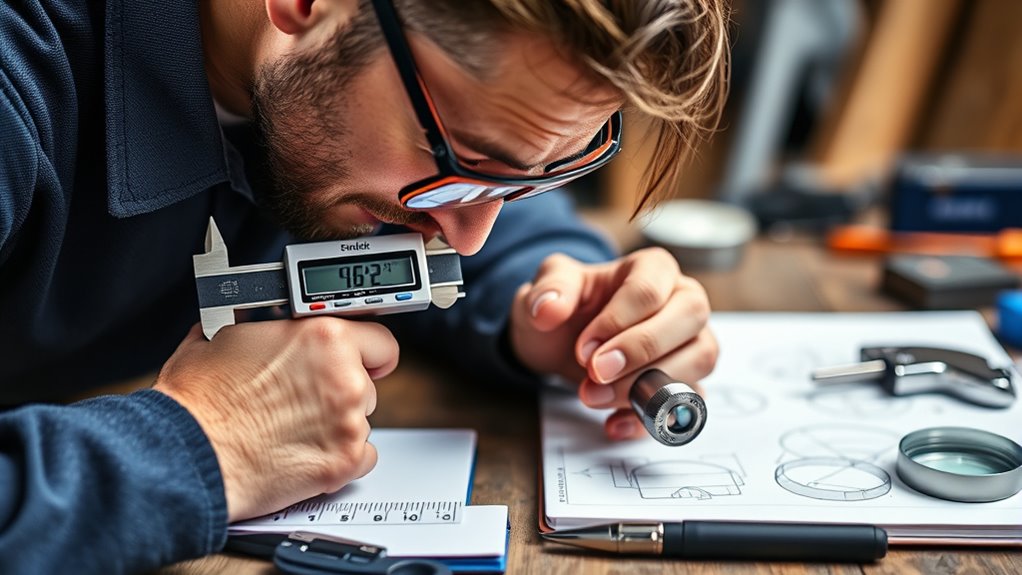
Accurate measurements are essential to guarantee your projects turn out as planned, but even small mistakes can lead to costly errors. To avoid these pitfalls, you need to adopt reliable methods that ascertain your measurements are precise every time. One of the most effective strategies is to use proper calibration techniques for your measurement tools. Calibration involves adjusting your tools to align with known standards, which helps you maintain their accuracy over time. Regularly calibrating your measurement tools, whether they’re rulers, calipers, or digital devices, prevents drift and ensures consistent results. Skipping calibration can cause subtle inaccuracies that compound as your project progresses, so make it a routine part of your measurement process. Incorporating mindfulness and focus during measurement tasks can also help minimize errors caused by distraction or haste.
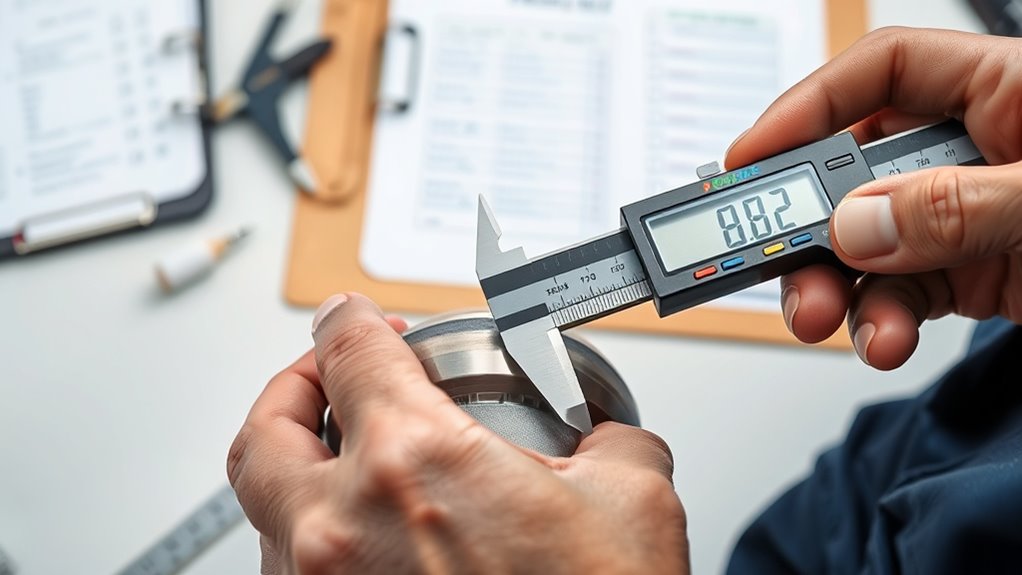
Equally important is selecting the right measurement tools for your task. Using appropriate tools designed for specific applications reduces the risk of errors. For instance, a tape measure might work well for general measurements, but a digital caliper offers greater precision for detailed work. When choosing measurement tools, consider their accuracy, resolution, and suitability for the materials or dimensions involved. Always inspect your tools before use—look for damage, wear, or dirt that can impair accuracy. Clean and maintain your measurement tools regularly to keep them in top condition, making certain they give reliable readings each time.
Another key to avoiding measuring mistakes is to double-check your measurements. Never rely on a single reading; instead, measure twice or even three times. Take the time to verify your measurements from different angles or positions to confirm consistency. When possible, compare your results with a secondary measurement method or a different tool to cross-verify accuracy. This simple step can catch errors caused by misreading, misalignment, or tool malfunction before they affect your project.
Additionally, pay attention to environmental conditions. Temperature, humidity, and vibrations can influence measurement accuracy. For example, metal tools may expand or contract with temperature changes, affecting precision. Performing measurements in a stable environment minimizes these variables. Also, record your measurements carefully, noting units and reference points clearly to avoid confusion later on.
Finally, develop a systematic approach to your measurements. Create a checklist that includes calibration, tool inspection, environmental considerations, and double-checking procedures. By following a consistent process, you reduce the chance of oversight and guarantee each measurement is as accurate as possible. Being mindful of physical sensations and maintaining focus during measurement tasks can further help catch potential mistakes early. Incorporating these practices into your routine helps you catch mistakes early, save time, and produce more reliable results—key to successful projects and avoiding costly errors.
digital caliper for precise measurements
As an affiliate, we earn on qualifying purchases.
As an affiliate, we earn on qualifying purchases.
Frequently Asked Questions
What Tools Are Best for Precise Measurements?
You should use precision tools like digital calipers, micrometers, and laser measurement devices for accurate measurements. Make certain these tools are properly calibrated using calibration techniques before each use to guarantee accuracy. Regular tool maintenance, like cleaning and inspecting for damage, helps maintain their precision. By selecting high-quality instruments and keeping them well-maintained, you minimize measurement errors and achieve reliable, precise results every time.
How Often Should Measuring Tools Be Calibrated?
You should calibrate your measuring tools regularly, like tuning a fine instrument, to keep them singing true. Follow calibration intervals recommended by measurement standards, often every 6 to 12 months, depending on usage. If tools are subject to heavy wear or environmental changes, more frequent calibration guarantees accuracy. Staying on top of calibration schedules helps you avoid costly mistakes and keeps your measurements trustworthy and precise.
Can Digital Tools Reduce Measurement Errors?
Digital tools can considerably reduce measurement errors because they enhance digital accuracy and improve tool reliability. You benefit from consistent readings, minimizing human error common with manual methods. By choosing high-quality digital equipment and maintaining it properly, you guarantee precise measurements. Always double-check digital readings, especially for critical tasks, to avoid mistakes, and rely on digital tools to streamline your process while maintaining accuracy and reliability.
What Are Common Causes of Measurement Inaccuracies?
You often face measurement inaccuracies caused by miscalibration, user error, or environmental factors. To minimize these issues, guarantee proper calibration procedures are followed regularly, provide thorough user training to promote correct techniques, and control environmental conditions like temperature and humidity. Consistently double-check measurements, stay attentive to equipment settings, and stay aware of potential interference. When you implement these practices, you greatly reduce the chances of errors and improve measurement accuracy.
How Do Environmental Factors Affect Measurement Accuracy?
Environmental influences like temperature, humidity, and lighting can considerably affect your measurement accuracy. These factors cause measurement variability by altering instrument calibration or material properties. To guarantee precise results, you should control environmental conditions as much as possible and double-check your measurements in consistent settings. This way, you reduce the risk of errors caused by environmental influences, maintaining reliable and accurate measurements every time.
Conclusion
To avoid measuring mistakes, always double-check your work like a seasoned scientist in a lab of the future. Don’t rely on just your first impression—measure twice, cut once, and embrace the habit of careful verification. Remember, even the most skilled artisans of yore knew the importance of precision. By taking these simple steps, you’ll prevent costly errors and ensure your project turns out just right. Keep your tools sharp and your mind sharper!
Fall yard work Picks
leaf blowers
As an affiliate, we earn on qualifying purchases.