
To guarantee accurate measurements, start by carefully lining up the tape’s zero mark with your starting point and keep it flush against the edge. Pay close attention to fractional markings, especially eighths and sixteenths, and double-check their positions before recording. Avoid rushing, and keep the tape steady and straight throughout. Practicing proper alignment and understanding fractional scales will improve precision, and if you continue exploring, you’ll find more tips to master your measurement skills.

Get business pricing on tools and workshop supplies
- Business-only prices and quantity discounts
- Tax-exempt purchasing
- Multiple users, one account, clear invoices
Key Takeaways
- Always double-check fractional marks, especially eighths and sixteenths, to ensure measurement accuracy.
- Keep the tape straight and flush against the workpiece edge to prevent tilting and measurement errors.
- Confirm which side of the tape you are reading and verify the correct measurement scale before recording.
- Take your time, slow down, and carefully interpret fractional lines to avoid misreading.
- Practice consistent tape alignment and measurement techniques to minimize common errors and improve precision.
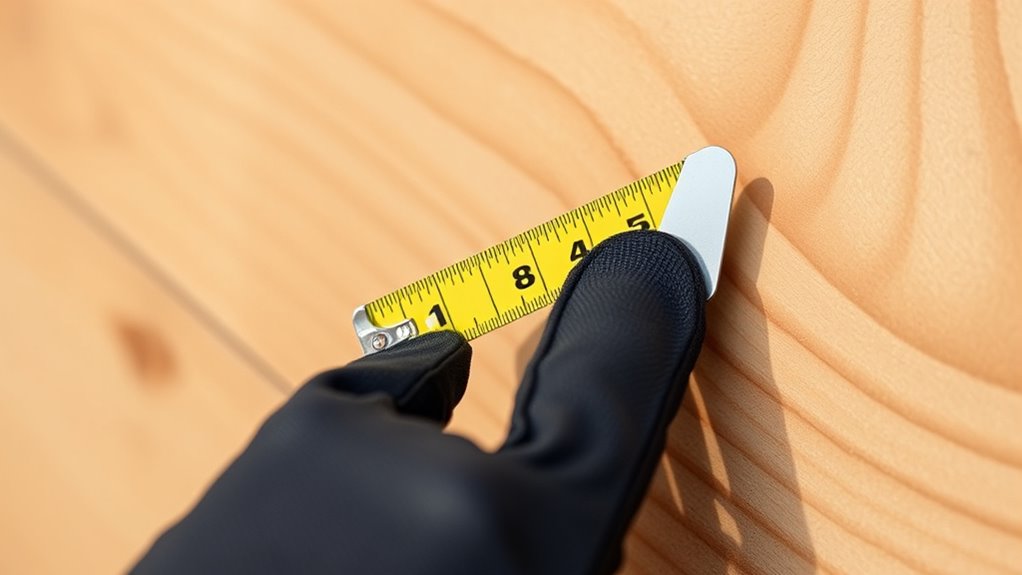
A tape measure is an essential tool for any project, but using it accurately can make all the difference. When it comes to measuring, precision is key, and understanding how to read fractions correctly can significantly improve your measuring accuracy. Many people fall into common mistakes that compromise the reliability of their measurements, so being aware of these pitfalls is crucial to achieving accurate results.
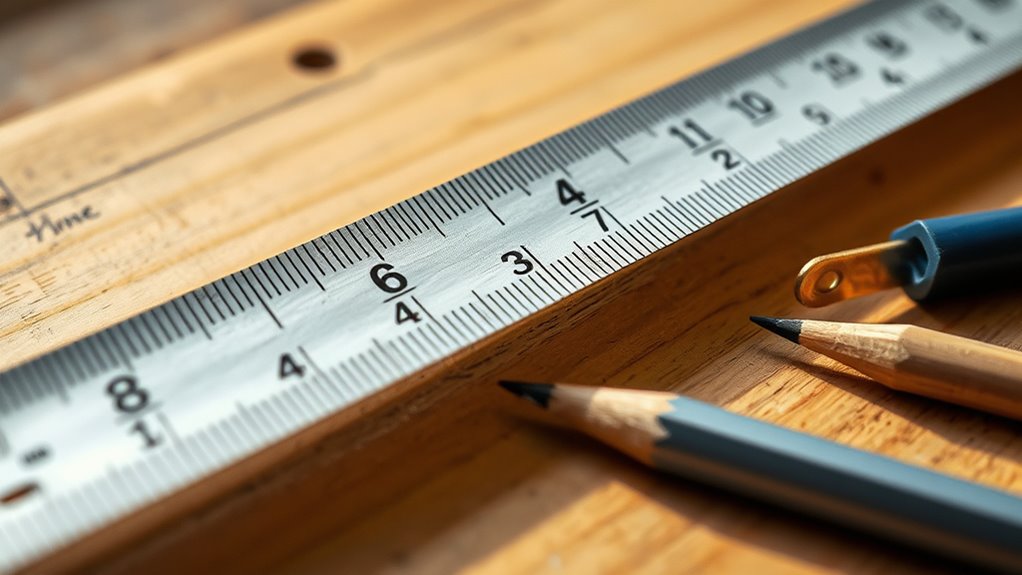
One of the most frequent errors is misreading the fractional markings on the tape. Tape measures typically feature a combination of inches divided into halves, quarters, eighths, and sixteenths. If you’re not paying close attention, you might mistake a mark for a different fraction, leading to errors in your measurements. For example, confusing the 3/8-inch mark with the 1/2-inch mark can throw off an entire project. To avoid this, take your time when reading the tape, and double-check the fractional lines to ensure you’re reading the correct measurement.
Another common mistake is not aligning the tape properly with the edge of your workpiece. When you don’t keep the tape straight and flush against the edge, your measurement can become skewed, affecting the overall accuracy. Always ensure the tape is flat against the surface and that the zero mark is precisely aligned with the starting point. This might seem simple, but even slight tilts or gaps can introduce errors, especially over longer measurements.
It’s also important to understand the importance of reading the correct side of the tape. Some tapes have different measurement scales on each side, which can cause confusion if you’re not careful. Always verify which side you’re reading and ensure you’re noting the measurement from the correct scale. This is especially vital when working on detailed projects where small measurement discrepancies can lead to significant flaws.
Another tip is to avoid rushing through measurements. Taking your time to carefully read the fractional marks and keeping the tape steady ensures your reading is as precise as possible. If you’re measuring a long distance, consider using a helper or a clamp to hold the tape in place, reducing the chance of movement that could introduce errors. Additionally, understanding the measurement units used on your tape can help you interpret the fractions more accurately, especially when working with unfamiliar or specialized tapes.
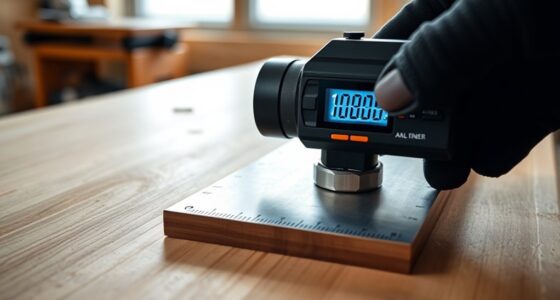
digital tape measure with fractional readings
As an affiliate, we earn on qualifying purchases.
As an affiliate, we earn on qualifying purchases.
Frequently Asked Questions
How Do I Calibrate My Tape Measure for Accuracy?
You can calibrate your tape measure for accuracy by first verifying its measurements against a known standard, like a precise steel ruler. To do this, mark a specific length on the tape and compare it to the standard. If discrepancies are found, note the difference and consider replacing or adjusting the tape. Regular accuracy verification guarantees your measurements remain precise, especially for critical projects.
What Materials Are Best for Extending Tape Measure Lifespan?
To extend your tape measure’s lifespan, use durable materials like reinforced nylon or fiberglass for the tape itself, which resist wear and tear. Regular tape measure maintenance, such as cleaning the tape and lubricating the retraction mechanism, keeps it functioning smoothly. Store it properly to prevent bending or damage. By choosing tough materials and performing routine maintenance, you guarantee your tool stays accurate and reliable for years to come.
Can Digital Tape Measures Improve Measurement Precision?
Imagine a crystal-clear digital display, showing your measurements with pinpoint accuracy. Digital tape measures can greatly improve your precision by providing instant readouts in various measurement units, eliminating guesswork. With features like easy unit conversion and consistent readings, you gain confidence in your measurements. They’re especially helpful for detailed projects, as they guarantee you avoid errors caused by misreading traditional tape measure fractions.
How Do Environmental Factors Affect Tape Measure Readings?
Environmental factors like temperature fluctuations and humidity effects can considerably impact your tape measure readings. When it’s hot, the tape may expand, giving longer measurements, while cold temperatures cause contraction, leading to shorter readings. High humidity can also cause the tape material to swell or degrade over time. To guarantee accuracy, always measure in a stable environment and consider these factors before recording your measurements.
Are There Specific Techniques for Measuring Curved Surfaces Accurately?
Picture wrapping a flexible tool along a winding river to capture every bend. To measure curved surfaces accurately, use a flexible tape measure that contours surface contours seamlessly. Keep the tape snug against the surface, avoiding slack or gaps. Steady your hand, follow the curves smoothly, and take multiple readings if needed. This technique guarantees precise measurements, especially on irregular or rounded shapes, giving you reliable results every time.
Conclusion
Remember, mastering your tape measure is like wielding Excalibur—you’ll feel unstoppable once you read fractions accurately and avoid common mistakes. Keep practicing, stay patient, and don’t let small errors turn into a modern-day Sisyphus struggle. With these tips, you’ll be measuring with the precision of a seasoned craftsman, even if you’re just starting out. So, keep your wits sharp, and soon you’ll be measuring like a true Renaissance master—no need for a time machine!
Halloween Picks
halloween
As an affiliate, we earn on qualifying purchases.