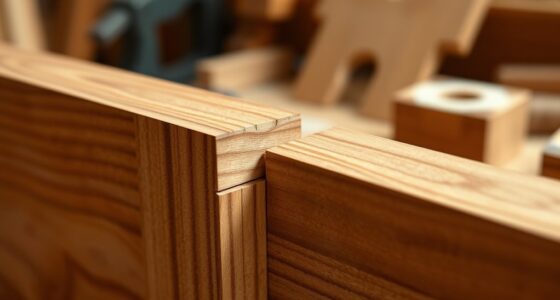
To develop a personal style in joinery, focus on mastering fundamental techniques while experimenting with different materials and finishes. Your confidence in craftsmanship allows you to push boundaries and create unique designs that reflect your personality. Make deliberate choices about wood types and joinery methods to establish a cohesive look. Continuously learn new skills and explore innovative ideas to evolve your style. Keep honing your craft, and you’ll discover how your signature approach takes shape over time.

Get business pricing on tools and workshop supplies
- Business-only prices and quantity discounts
- Tax-exempt purchasing
- Multiple users, one account, clear invoices
Key Takeaways
- Master fundamental techniques and experiment to develop a unique craftsmanship style.
- Carefully select materials that align with your aesthetic and structural goals.
- Consistently incorporate signature joinery methods and material choices for recognizability.
- Engage in ongoing learning, exploring new methods and materials to evolve your style.
- Let your personal projects reflect your evolving tastes, skills, and artistic voice.
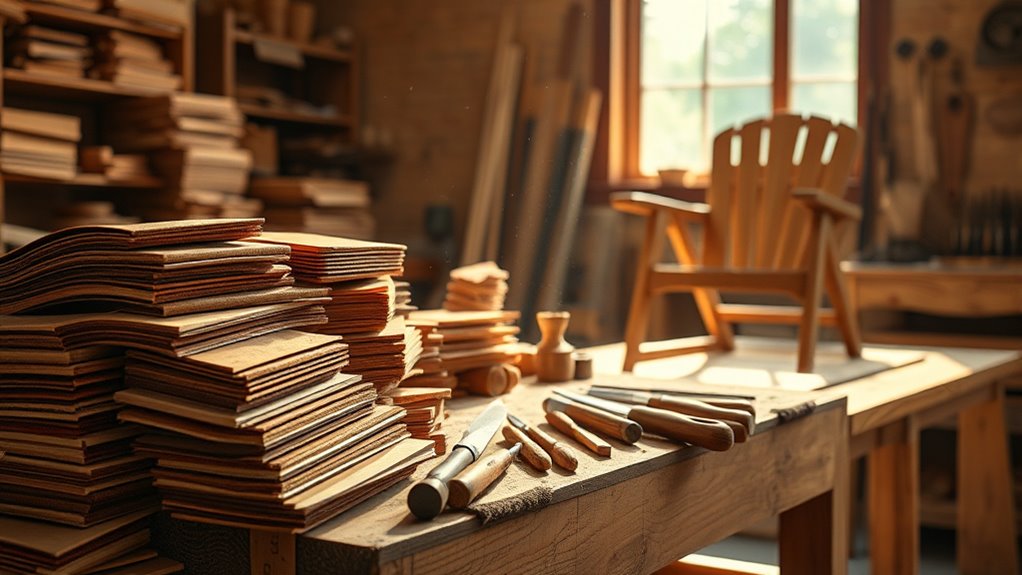
Have you ever wondered how some joiners develop a distinctive style that sets their work apart? It’s not just about following standard procedures; it’s about honing your techniques mastery and choosing materials with purpose. When you focus on mastering your techniques, you gain confidence in your craftsmanship, allowing you to experiment and push boundaries. This mastery means understanding each joint, cut, and finish inside and out. As you become more skilled, you can adapt and refine your methods, blending traditional methods with innovative touches that reflect your personality. Developing AI-powered tools can further enhance your craftsmanship, providing new ways to visualize and plan your projects. Material selection plays a vital role in developing your personal style. The woods, veneers, and finishes you choose tell a story about your aesthetic and craftsmanship philosophy. Do you prefer the warm glow of mahogany or the subtle grain of oak? Perhaps you enjoy working with exotic woods to add a unique character to your projects. Your choice of materials influences not only the look but also the feel and durability of your work. Picking the right materials requires a keen eye and a deep understanding of their properties, which, over time, becomes second nature. This deliberate selection helps you create pieces that are not only structurally sound but also visually compelling, embodying your artistic identity.
As you build your skill set, you start to develop a signature style through consistent choices and techniques. For example, you might favor clean, minimalist designs or intricate joints that showcase your technical prowess. Your personal style emerges from the combination of your technique mastery and material choices, creating a cohesive look that’s unmistakably yours. It’s about making intentional decisions that align with your creative vision, rather than simply copying others or sticking to generic designs. Over time, your work will reflect your evolving tastes, skills, and values, giving it authenticity that clients and appreciators recognize.
To truly develop your personal style, you need to stay curious and open to new ideas. Attend workshops, study different woodworking traditions, and experiment with unfamiliar materials. This continuous learning enriches your understanding of techniques mastery and broadens your material palette. As you do so, you’ll discover what resonates with you most, allowing your style to become more refined and unique. Ultimately, developing a personal style isn’t about reaching a final destination but about ongoing growth and expression. Your craft becomes a mirror of your personality, showcasing your technical proficiency and your distinct aesthetic voice.
professional woodworking joinery tools
As an affiliate, we earn on qualifying purchases.
As an affiliate, we earn on qualifying purchases.
Frequently Asked Questions
How Can I Incorporate Modern Trends Into My Traditional Joinery Style?
You can incorporate modern trends into your traditional joinery style by experimenting with fusion techniques, blending classic craftsmanship with contemporary design elements. Use material contrasts, like pairing sleek metals with rustic woods, to create visual interest. Incorporate minimalist lines or innovative hardware to update traditional pieces. By balancing these modern touches with your craftsmanship, you’ll develop a unique style that respects tradition while embracing current trends.
What Are the Best Resources for Learning Unique Joinery Techniques?
You should explore woodworking communities and online tutorials to learn unique joinery techniques. These resources connect you with experienced craftsmen who share innovative methods and tips. By participating in forums and watching detailed tutorials, you can discover new approaches and refine your skills. Practice regularly and experiment with different styles to develop your distinctive joinery technique, blending traditional skills with modern ideas.
How Do I Develop a Signature Finish or Detailing in My Work?
You can develop a signature finish by experimenting with unique techniques and carefully selecting finishing touches that reflect your style. Investigate how different stains, carvings, or inlays create distinctive effects, then incorporate these signature techniques into your work. Consistently applying these finishing touches helps your pieces stand out and become recognizable, allowing your personal style to shine through every project you complete.
What Role Does Personal Background Influence Joinery Style Development?
Your personal background shapes your joinery style through cultural influences and personal experiences. These elements inspire your choice of techniques, finishes, and detailing, making your work unique. By embracing your heritage, traditions, or life stories, you add authenticity and character to your pieces. Let your background inform your designs, and you’ll develop a distinctive style that reflects who you are and resonates with others.
How Can I Balance Functionality With Aesthetic Uniqueness in My Designs?
You can balance functionality with aesthetic uniqueness by carefully selecting material pairings that enhance durability while adding visual interest. Use color coordination to create harmony and highlight design features without sacrificing practicality. Focus on clean lines and thoughtful details that serve a purpose, ensuring your pieces are both beautiful and functional. Experiment with contrasting textures and subtle color accents to make each piece uniquely yours, blending utility with artistic expression seamlessly.
Conclusion
As you carve your unique mark in joinery, think of your style as a signature ripple in a still pond—each piece you craft sends out waves of personality and craftsmanship. Embrace your tools and instincts like a painter wields brushes, blending tradition with innovation. Over time, your personal style becomes a vibrant tapestry woven from countless projects, a visual symphony that whispers your story through every joint and curve you create.
Halloween Picks
halloween
As an affiliate, we earn on qualifying purchases.