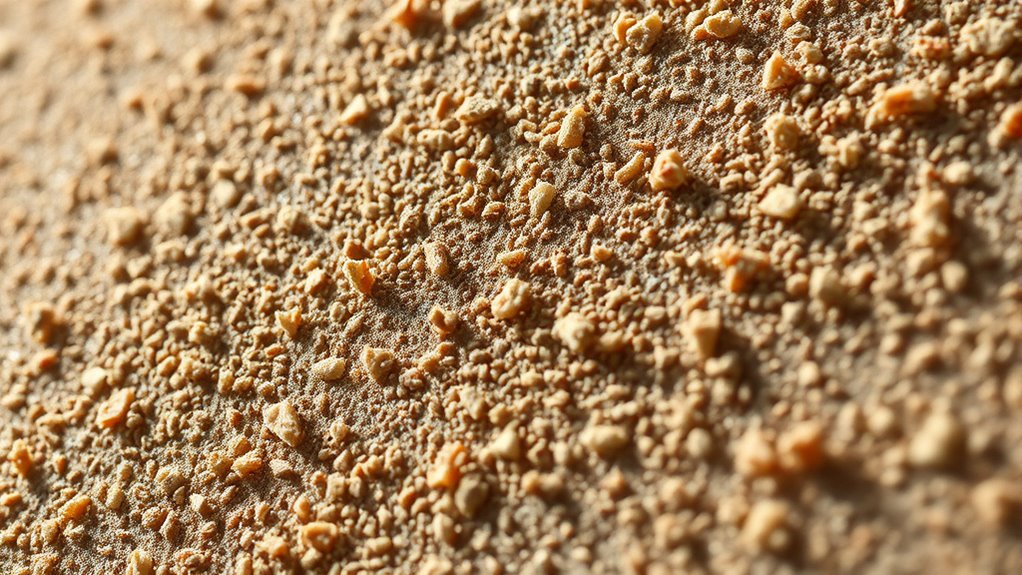

Choosing the right abrasive depends on grit size, backing type, and wear characteristics. Coarser grits remove material quickly, great for shaping, while finer grits give a smooth finish. Backings like cloth offer flexibility, ideal for detailed surfaces, and paper supplies stiffness for tougher tasks. Good handling and proper cooling prevent premature wear, ensuring tool longevity. Understanding these factors helps you get the best results and extend abrasive life—there’s more to discover if you keep going.

Get business pricing on tools and workshop supplies
- Business-only prices and quantity discounts
- Tax-exempt purchasing
- Multiple users, one account, clear invoices
Key Takeaways
- Grit size determines material removal speed and finish quality, with coarse grits for shaping and fine grits for polishing.
- Backing types (cloth, paper, resin) affect abrasives’ flexibility, control, and suitability for specific tasks.
- Diamond abrasives offer durability and consistent performance, ideal for hard materials and high-precision work.
- Proper wear management and maintenance extend abrasive lifespan, ensuring optimal performance and preventing workpiece damage.
- Selecting the right grit, backing, and handling techniques improves efficiency, finish quality, and tool longevity.
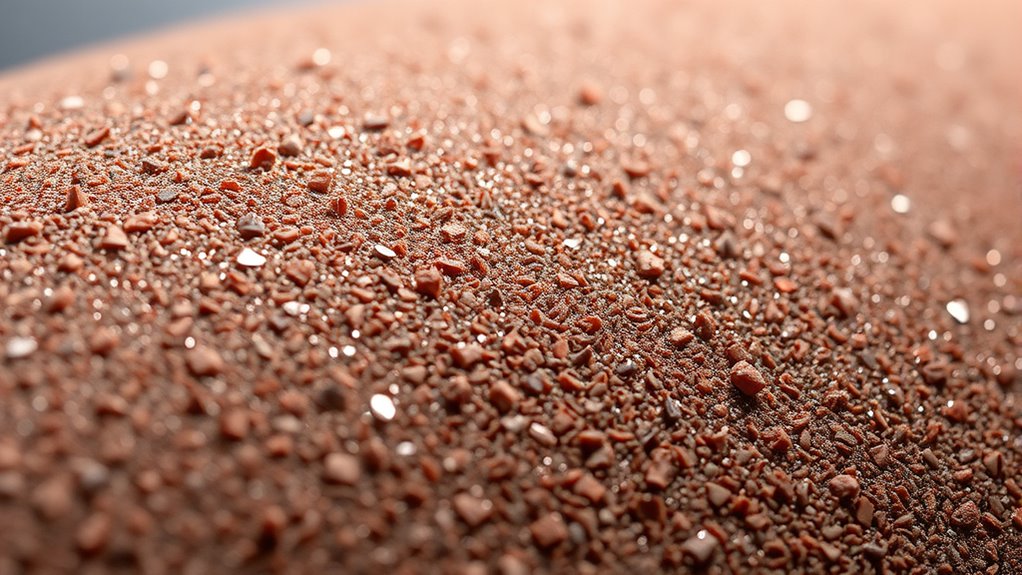
Are you looking for the right abrasive to tackle your project? Choosing the proper abrasive depends on understanding its grit size, backing type, and wear characteristics. One of the most precise and efficient options for sharpening tools or blades is diamond sharpening. Diamond abrasives are renowned for their unmatched hardness, making them ideal for cutting, grinding, and polishing hard materials like carbide, glass, or stone. When it comes to abrasive manufacturing, diamond grains are embedded onto various backing materials to create tools that deliver consistent, high-quality results. By selecting the right diamond sharpening product, you guarantee sharper edges and longer-lasting tools, saving you time and effort.
Diamond sharpening tools provide unmatched hardness for precise, long-lasting results on tough materials.
Grit size plays a vital role in defining the abrasive’s aggressiveness and finish. Coarser grits (such as 60 or 80) remove material quickly, making them suitable for shaping or rapid material removal. Finer grits (like 400 or higher) produce a smoother finish, ideal for honing or polishing. If you’re sharpening a blade or tool, matching the grit to the task guarantees you achieve the desired sharpness without overdoing it. When working with diamond sharpening tools, you might start with a coarse grit to reshape, then switch to a finer grit for honing. Understanding grit sizes helps you balance between efficiency and precision, depending on your project’s needs.
Backing types also influence how you handle abrasives during your work. Common backing materials include cloth, paper, and resin-bonded composites. Cloth-backed abrasives are flexible, making them suitable for curved surfaces or detailed work. Paper-backed options are generally stiffer and used for more aggressive material removal. Resin-bonded abrasives, often seen in diamond wheels or discs, provide durability and stability during heavy-duty tasks. The backing type affects how the abrasive conforms to the workpiece and how easily you can control it. When selecting an abrasive, consider your project’s shape and the level of precision required, guaranteeing the backing matches your application.
Wear is an unavoidable aspect of abrasive use, but understanding it helps you maximize your tools’ lifespan. Abrasives naturally wear down as they grind or cut, exposing new abrasive particles. Diamond abrasives tend to last longer than other types because of their hardness, but they still require proper handling and storage to prevent premature degradation. Proper cooling and avoiding excessive pressure can also slow wear, maintaining cutting efficiency. Additionally, selecting high-quality abrasives with consistent wear characteristics can help ensure predictable performance over time. When managing abrasive wear, check your tools regularly and replace them when they lose effectiveness. This approach ensures consistent results and prevents damage to your workpiece. By understanding how abrasives wear and how to manage it, you keep your projects running smoothly while extending the life of your abrasives.
As an affiliate, we earn on qualifying purchases.
Frequently Asked Questions
How Do I Choose the Right Abrasive for Delicate Materials?
To choose the right abrasive for delicate materials, consider material compatibility and abrasive sensitivity. Opt for fine grits, like 400 or higher, to prevent damage. Soft backing types, such as paper or cloth, provide gentle abrading. Test a small area first to check for any adverse reactions. Always select abrasives designed for sensitive surfaces, ensuring you avoid scratches or deformation, while maintaining a smooth, professional finish.
Can I Reuse or Recycle Abrasive Discs and Sheets?
Sure, you can try recycling abrasive discs and sheets, but don’t hold your breath for a miracle. Most aren’t designed for reuse, and abrasive disposal is tricky—think recycling methods that often end in landfill. You might peel off worn-out layers or repurpose them in rougher projects, but in general, expect to replace rather than recycle. It’s more about managing waste responsibly than extending their life.
What Safety Precautions Should I Take When Using Abrasives?
When using abrasives, you should always wear protective gear like goggles, gloves, and a dust mask to shield your eyes, skin, and lungs. Make certain proper ventilation in your workspace to prevent inhaling dust particles. Follow safety guidelines, avoid excessive pressure, and keep the abrasive surfaces well-maintained. Taking these precautions reduces health risks and ensures safer, more effective use of abrasives.
How Does Humidity Affect Abrasive Performance and Wear?
Humidity can critically impact abrasive performance by causing moisture-induced corrosion, which dulls the abrasive surface faster. You might think it’s negligible, but controlling humidity is essential. Use humidity control techniques like dehumidifiers or moisture barriers to maintain stable conditions. This prevents corrosion, extends abrasive life, and guarantees consistent results. Don’t overlook humidity’s role; proper management keeps your abrasives effective and safe for ongoing use.
Are There Eco-Friendly or Biodegradable Abrasive Options Available?
Yes, there are eco-friendly abrasive options available. Biodegradable abrasives, like those made from natural materials such as coconut shells, corncobs, or walnut shells, offer sustainable alternatives to traditional abrasives. These biodegradable abrasives break down naturally, reducing environmental impact. By choosing eco-friendly abrasive options, you can effectively complete your projects while minimizing waste and supporting environmental conservation efforts.
Conclusion
Now that you’ve uncovered the secrets of grits, backing types, and wear, you’re armed with the map to navigate the abrasive world. Think of abrasives as your trusted allies—sharp swords ready to carve and shape your project with precision. With this knowledge, you’ll wield them like a craftsman, turning rough materials into polished masterpieces. Embrace the journey, and let your creativity shine brighter than a diamond under pressure. Your perfect finish is just a grit away!
Fall yard work Picks
leaf blowers
As an affiliate, we earn on qualifying purchases.