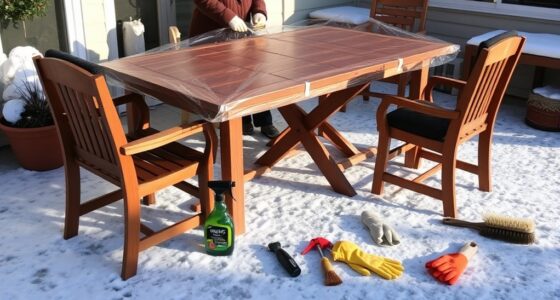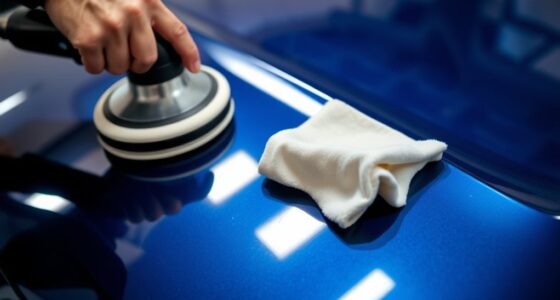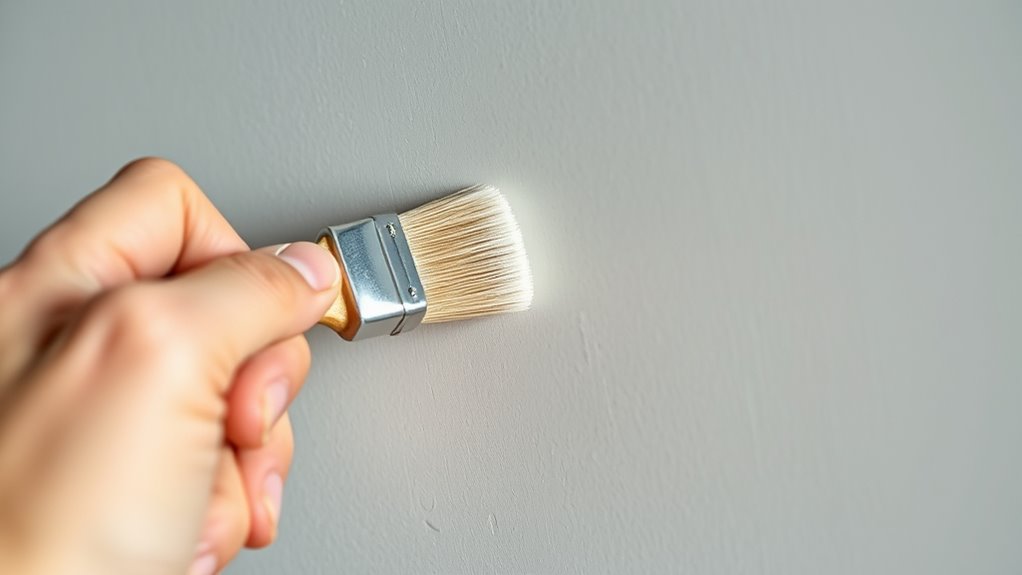

To maintain painted surfaces, start with proper touch-ups by cleaning the area thoroughly and gently sanding if needed. Match the existing color accurately using samples or professional services, and apply thin coats, allowing each to dry fully. Guarantee the sheen—matte, semi-gloss, or satin—aligns for a seamless look, sometimes using clear coats to blend differences. Paying attention to these details helps your surfaces stay vibrant and smooth—if you keep exploring, you’ll find even more tips for perfect upkeep.
Key Takeaways
- Proper surface cleaning and sanding ensure a smooth base for seamless touch-ups and better paint adhesion.
- Use original paint samples or matching services to achieve accurate color and sheen consistency.
- Apply paint in thin, even layers, allowing each to dry fully for a uniform finish.
- Match the sheen (matte, semi-gloss, satin) and consider clear coats to blend touch-ups seamlessly.
- Regular maintenance and prompt repairs preserve surface appearance and prevent deterioration over time.
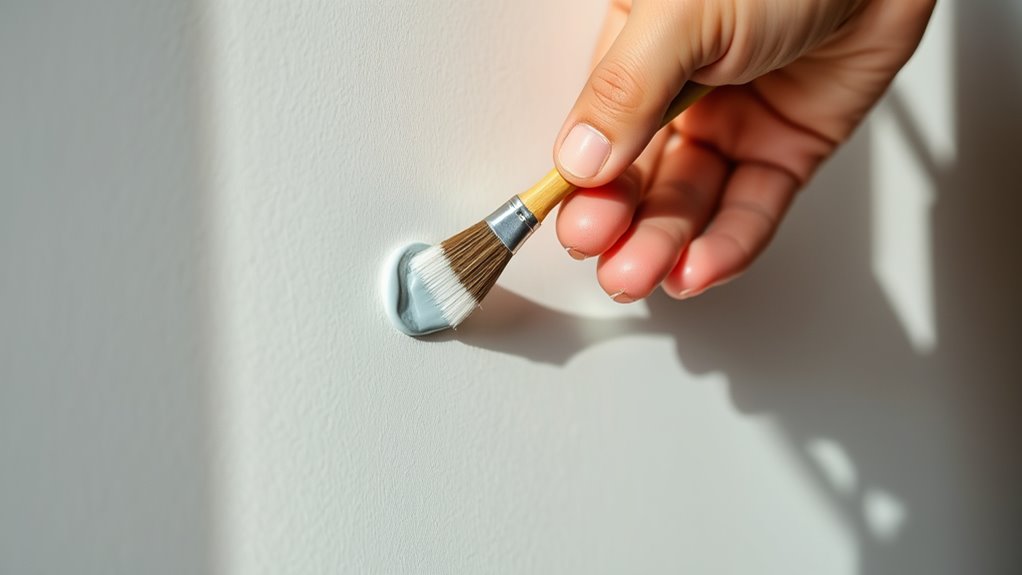
Maintaining painted surfaces is essential to keep them looking fresh and to extend their lifespan. Over time, you might notice color fading or small chips that can detract from the overall appearance. Addressing these issues promptly through touch-ups and ensuring the sheen matches perfectly can make a significant difference. The key to a successful repair starts with proper surface preparation. You need to clean the area thoroughly to remove dirt, grease, or any loose paint. If the surface is rough or peeling, gently sand it to create a smooth, even base. This step ensures that the new paint adheres well and blends seamlessly with the existing finish, preventing future peeling or flaking. Additionally, understanding paint matching techniques can help achieve a more uniform look. When dealing with color fading, it’s vital to understand that matching the existing paint is not always straightforward. Light colors may fade unevenly, and even slight differences in shade can be noticeable. To get the best match, keep a sample of the original paint if possible, or take a small chip to a paint store for color matching. Many stores can analyze the sample and provide an exact or close match. Remember, when applying touch-ups, it’s better to work in thin layers rather than one thick coat. This approach helps avoid drips, uneven coverage, and ensures the new paint blends smoothly into the surrounding surface. Be patient and allow each layer to dry completely before applying the next. Matching the sheen is equally important for a seamless appearance. If your wall has a matte finish, avoid using a glossy paint; similarly, if it has a semi-gloss or satin finish, choose a matching sheen for your touch-up. If you can’t find an exact match, consider applying a clear coat over the newly painted area to help blend the sheen more effectively. Keep in mind that lighting plays a role in how sheen appears, so examine your work in different lighting conditions before considering it complete. Touch-up work isn’t just about covering imperfections; it’s about restoring the integrity and look of your painted surfaces. With proper surface preparation, attention to color matching, and controlling sheen, you can make repairs that are virtually invisible. Regular maintenance and prompt touch-ups help prevent issues from worsening, saving you time and money in the long run. By investing a little effort into these details, your painted surfaces will stay vibrant, smooth, and attractive for years to come.

Mister Rui Foam Paint Roller, 2 Inch Mini Paint Roller Kit 10 Pack, Touch Up Small Paint Roller for Painting Wall, Door, Cabinet
Paint Roller kit 10 Pack: 2 inch foam paint roller covers 6 pack, 2 inch plastic paint tray,…
As an affiliate, we earn on qualifying purchases.
As an affiliate, we earn on qualifying purchases.
Frequently Asked Questions
How Do I Prevent Paint From Peeling Over Time?
To prevent paint from peeling over time, you should focus on proper surface preparation and careful paint removal of old, flaking paint. Clean the surface thoroughly, remove any loose paint, and sand it smooth before applying a high-quality primer. Use the right type of paint for your surface and conditions, and guarantee proper drying. Regularly inspect and touch up areas, which helps maintain a durable, peel-free finish.
What Tools Are Best for Detailed Touch-Ups?
Think of your touch-up as fine brushstrokes on a masterpiece. Use detail brushes, like tiny artist’s tools, to navigate corners and delicate spots with precision. Opt for high-quality brush selection, such as fine-tipped or angled brushes, to capture every nuance. These tools help you blend seamlessly, making your touch-ups invisible, like a whisper of color that restores the surface’s beauty without disturbing the original artwork.
How Can I Match Sheen Levels Accurately?
To match sheen levels accurately, focus on maintaining sheen consistency by choosing the same type of finish as the original paint. Use a clean, high-quality brush or roller for finish blending, feathering the edges gently to blend the new paint seamlessly. Test on a hidden area first, adjusting your technique if needed. Consistent application and careful blending guarantee a uniform sheen, making the touch-up nearly invisible.
Is It Necessary to Prime Before Touching up Paint?
Did you know that using primer can improve paint adhesion by up to 50%? For touch-ups, priming isn’t always necessary, but it’s recommended for better results. Priming benefits include providing a uniform surface, sealing stains, and enhancing paint durability. Choose the right primer type—oil-based or latex—based on your existing paint and surface. This guarantees a smooth finish, long-lasting color, and a professional look for your touch-up project.
How Do Environmental Factors Affect Paint Longevity?
Environmental factors considerably impact paint durability and the overall lifespan of your painted surfaces. Exposure to sunlight, moisture, temperature fluctuations, and pollution accelerates wear and causes fading, cracking, or peeling. To protect your paint from environmental impact, make certain of proper surface preparation, use high-quality paints suited for your environment, and consider applying protective coatings. Regular maintenance and touch-ups also help extend the longevity of your painted surfaces, keeping them looking fresh longer.

COLOR MUSE Colorimeter – Mobile Color Matching Tool – Instantly identify closest matching paint colors, products, and digital color values
SIMPLE AND PORTABLE – Scan any flat surface to find the closest matching paint colours and products in…
As an affiliate, we earn on qualifying purchases.
As an affiliate, we earn on qualifying purchases.
Conclusion
Think of maintaining painted surfaces like tending a garden; regular touch-ups and sheen matching keep everything vibrant and alive. I once ignored a small chip on my wall, and over time, it grew into a noticeable flaw, much like weeds taking over a garden. Consistent care prevents small issues from becoming big problems, ensuring your space stays fresh and inviting. So, stay attentive—your walls will thank you with lasting beauty.
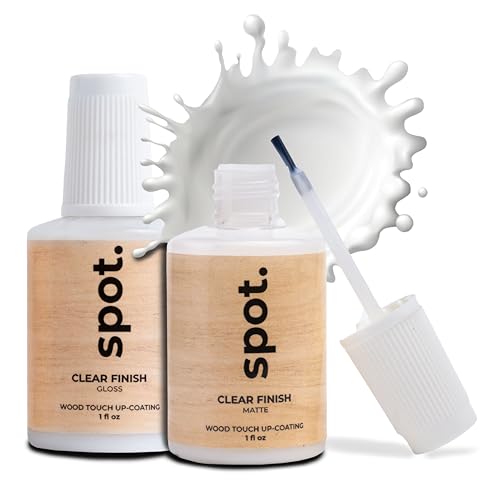
Clear Coat for Wood Stain Repairs, Brush-On Matte and Gloss Finish, Sealing and Sheen Matching, Interior and Exterior Wood, 2 fl oz Total by spot.
Seal and Protect Wood Stain Repairs: Includes one matte and one gloss clear coat designed to seal stained…
As an affiliate, we earn on qualifying purchases.
As an affiliate, we earn on qualifying purchases.

Romeda 8-Pack Sanding Sponge, Four Grits Per Pack 60/80/120/220, Washable and Reusable Handmade Sandpaper Block, Drywall Sandpaper Blocks for Wooden Drywall Sheetrock and Metal Glazing
【ASSORTED GRIT SANDING BLOCKS】 8 sand blocks, 4 sizes from coarse to ultra-fine sand, 60/80/120/220 grit, 2 blocks…
As an affiliate, we earn on qualifying purchases.
As an affiliate, we earn on qualifying purchases.