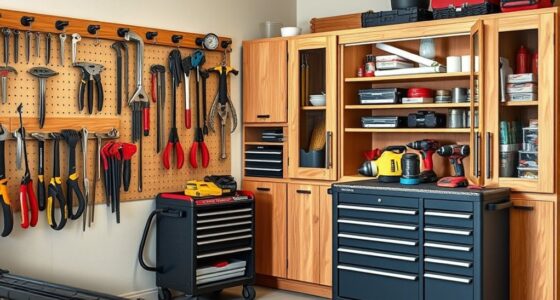
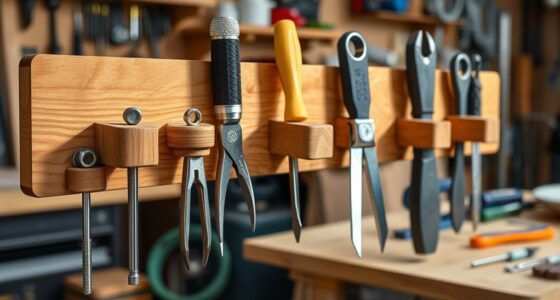
Wearing the right workshop safety gear is essential to protect yourself from common hazards like flying debris, chemical splashes, loud noises, and dust. Equipment such as safety glasses, gloves, ear protection, and respirators shield specific parts of your body and prevent injuries. Before each use, inspect your gear to confirm it’s in good condition and fits properly. Following proper safety protocols makes your workspace safer—keep exploring to learn more about maintaining and using your protective equipment effectively.
Key Takeaways
- PPE includes safety glasses, gloves, ear protection, and respirators to protect against common workshop hazards.
- Proper inspection and fitting of PPE ensure maximum effectiveness in preventing injuries.
- Following safety protocols and hazard awareness reduces risks during workshop activities.
- Maintaining and storing PPE correctly prolongs its usability and safety features.
- Using PPE consistently fosters a safety-conscious culture and minimizes workplace accidents.
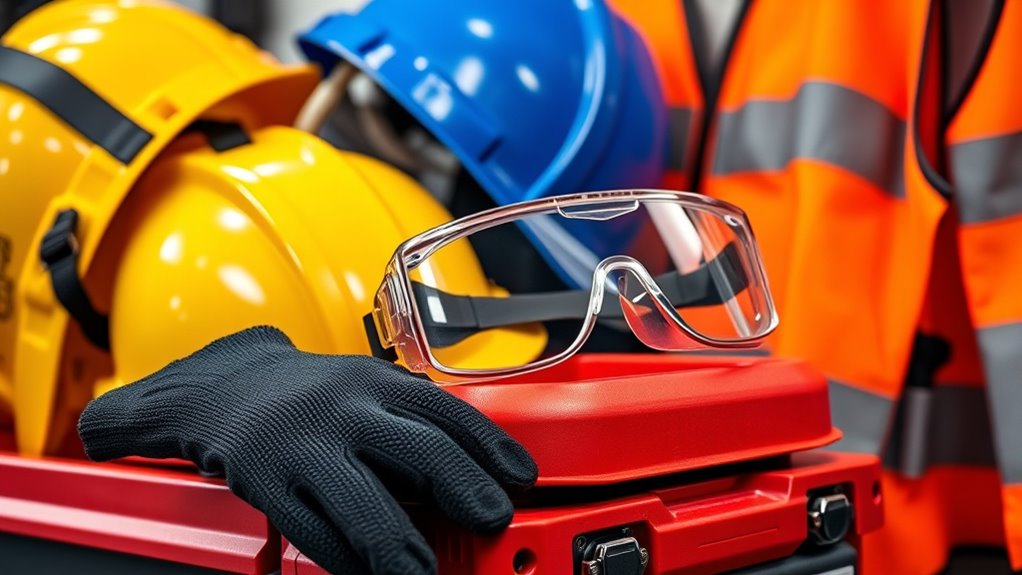
Have you ever wondered why safety gear is crucial in a workshop? It’s because accidents can happen in an instant, and without proper protection, the consequences can be severe. Personal protective equipment, or PPE, is your first line of defense against injuries. PPE includes items like safety glasses, gloves, ear protection, and respirators—each designed to shield specific parts of your body from hazards. But wearing PPE isn’t enough on its own; it needs to be used in conjunction with well-established safety protocols. These protocols serve as the rules and procedures that keep you safe during every task, ensuring that safety gear is used correctly and consistently.
Wearing PPE is essential, but following safety protocols ensures proper use and maximum protection.
When you follow safety protocols, you create a structured approach to working in the workshop. This means always inspecting your PPE before use, making sure it’s in good condition and fits properly. For example, safety glasses should be free of cracks, gloves should be free of tears, and respirators should seal correctly around your face. Proper use of PPE protects you from flying debris, chemical splashes, loud noises, and inhaling harmful dust. Adhering to safety protocols also involves understanding the specific hazards associated with each task. Whether you’re operating a saw, grinding metal, or handling chemicals, knowing the risks helps you select and wear the right gear at all times.
Your awareness of safety protocols extends beyond just wearing PPE. It includes maintaining a clean work environment, securing loose clothing, and knowing emergency procedures. For instance, keeping walkways clear prevents trips and falls, while knowing how to shut off equipment quickly can minimize damage and injury during an emergency. Proper training in safety protocols ensures you understand how and when to use your protective gear properly. It also emphasizes the importance of reporting hazards or damaged PPE before starting work, reinforcing a safety-conscious mindset.
In addition, safety protocols often include guidelines on how to store PPE properly when not in use. Proper storage prevents damage and contamination, ensuring your gear remains effective when needed. It’s important to remember that PPE is not a substitute for safe work practices but an essential part of them. Combining PPE with safety protocols creates a thorough safety system that protects you and others in the workshop. By staying vigilant, following procedures, and wearing the appropriate personal protective equipment, you markedly reduce your risk of injury and contribute to a safer work environment. Your commitment to safety not only preserves your health but also sets a positive example for colleagues, fostering a culture of safety that benefits everyone.
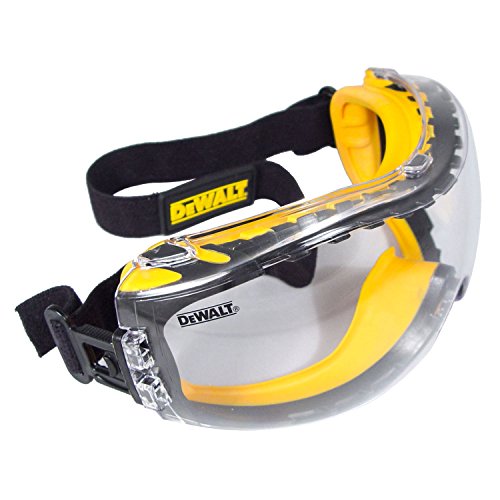
DEWALT DPG82-11 Concealer Clear Anti-Fog Dual Mold Safety Goggle, Clear Lens, 1 Pair
DEWALT ToughCoat hard coated lens provides tough protection against scratches.
As an affiliate, we earn on qualifying purchases.
As an affiliate, we earn on qualifying purchases.
Frequently Asked Questions
How Do I Choose the Right Safety Gear for Specific Workshop Tasks?
To choose the right safety gear for specific workshop tasks, start by evaluating the risks involved. Select personal protective equipment like gloves, goggles, or ear protection that directly address those hazards. Always opt for task-specific gear designed for the job, ensuring proper fit and comfort. Remember, the right safety gear not only protects you but also helps you work more efficiently and confidently.
Are There Any Safety Gear Options Suitable for Children in Workshops?
Imagine a tiny superhero suit—yes, that’s what children’s protective gear can feel like! For workshop safety for kids, you can find safety goggles, gloves, and ear protection designed just for little hands and heads. These options are lightweight, comfy, and effective, ensuring children stay safe while exploring. Always choose gear specifically made for kids to provide the best protection without sacrificing comfort or mobility.
How Often Should Safety Equipment Be Inspected or Replaced?
You should inspect your safety equipment regularly, ideally before each use, to make certain it’s in good condition. Follow the inspection frequency recommended by the manufacturer and replace gear according to the replacement guidelines, especially if you notice damage, wear, or deterioration. Regular checks help maintain safety standards, prevent accidents, and ensure your gear functions properly when you need it most. Don’t delay replacing equipment that no longer meets safety requirements.
Can Safety Gear Be Customized for Better Fit and Protection?
Yes, safety gear can be customized for better fit and protection. Studies show that ergonomic design reduces workplace injuries by up to 50%. You should opt for custom fit options, which guarantee gear conforms to your body, enhancing comfort and safety. Customization helps prevent accidents caused by ill-fitting equipment, making your workspace safer. Investing in ergonomic design gear provides ideal protection tailored to your needs, boosting both safety and productivity.
What Are the Legal Safety Gear Requirements in Different Workshop Types?
You need to follow legal safety gear requirements based on your workshop type, which start with a thorough hazard assessment. Personal protective equipment, like gloves, goggles, and masks, must meet industry standards to guarantee your safety. Regulations vary by region and industry, so stay informed about local laws. Always prioritize proper PPE to reduce risks and comply with legal safety mandates, protecting yourself and others in your workspace.

PROHEAR 037 Bluetooth 6.0 Hearing Protection Headphones with Rechargeable 1500mAh Battery, 30dB SNR Safety Noise Reduction Ear Muffs 120H Playtime for Mowing, Workshops, Snowblowing – Black
EXTREMELY SMOOTH BLUETOOTH 6.0 TECHNOLOGY: The connection to the phone is smoother, faster and more stable. Bluetooth has…
As an affiliate, we earn on qualifying purchases.
As an affiliate, we earn on qualifying purchases.
Conclusion
Remember, wearing the right safety gear isn’t just a rule—it’s your best defense. For instance, imagine you’re working with powerful tools, and an unexpected spark causes a minor burn. If you’re wearing gloves and eye protection, you minimize injuries and keep yourself safe. Always prioritize your safety gear, stay alert, and follow safety protocols. Protecting yourself today guarantees you stay healthy and productive tomorrow. Safety gear isn’t optional; it’s essential for every workshop.

ThxToms Chemical Resistant Nitrile Gloves, Resist Household Acid, Alkali, Solvent and Oil, Latex Rubber Free, 1 Pair Large
【Heavy-Duty Chemical Resistance】High-end nitrile gloves possess excellent chemical resistance, providing a tough barrier against harsh substances such as…
As an affiliate, we earn on qualifying purchases.
As an affiliate, we earn on qualifying purchases.

3M P100/OV Odor/Particulate Multi-Purpose Reusable Respirator 65021, Medium Size, NIOSH-APPROVED Organic Vapor Cartridge & P100 Rated Filters, Flexible, Thermoplastic Faceseal For Comfort (65021H1-DC)
NIOSH-APPROVED OV CARTRIDGE WITH P100 FILTER filters at least 99.97% of solids and liquid aerosols as well as…
As an affiliate, we earn on qualifying purchases.
As an affiliate, we earn on qualifying purchases.