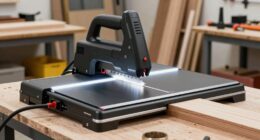
To soundproof your garage shop, install acoustic panels on walls where noise bounces most and position them at ear level or in corners for better absorption. Sealing gaps around your garage door with rubber or vinyl seals helps prevent noise from escaping and keeps sound contained inside. Maintaining these elements guarantees maximum performance, reducing reverberation and noise leaks. Keep exploring for detailed tips to create a quieter, more comfortable workspace.
Key Takeaways
- Install acoustic panels on walls opposite noisy equipment to absorb sound and reduce echo inside the garage.
- Mount panels at ear level and in corners for maximum sound reflection absorption.
- Use door seals made of rubber or vinyl to block gaps and prevent sound leaks through the garage door.
- Regularly inspect and maintain acoustic panels and door seals for optimal soundproofing performance.
- Combine strategic panel placement with effective door sealing for comprehensive noise reduction.

If you’re working in a garage shop, noise can quickly become a major issue for you and your neighbors. The sounds of power tools, grinders, and impact drills can echo and carry beyond your walls, leading to complaints and potential restrictions on your work. To keep noise levels under control and maintain good neighborhood relations, you need effective soundproofing measures. Two essential components to consider are acoustic panels and door seals. Together, they can substantially reduce the amount of sound escaping your garage, creating a quieter, more comfortable workspace.
Acoustic panels are a smart investment. They absorb sound waves, preventing them from bouncing around and amplifying inside your garage. When installing acoustic panels, place them on walls where sound reflections are most intense, typically opposite noisy equipment. Mounting panels at ear level and in corners can maximize their effectiveness, reducing echo and muffling loud noises. You don’t need to cover every inch of wall space; strategic placement makes a noticeable difference. Acoustic panels come in various materials and thicknesses, so choose ones designed specifically for sound absorption. This way, you’ll dampen the noise at its source and prevent it from reverberating throughout the space. Additionally, using panels with high sound absorption coefficients can further enhance their performance.
Door seals are equally important. Your garage door is often the largest opening, and if it leaks sound, noise will escape easily. Installing high-quality door seals around the perimeter of your garage door creates an airtight barrier. These seals are made from flexible materials like rubber or vinyl, which compress when the door is closed, filling gaps and preventing sound leaks. Properly sealing your garage door not only reduces noise transmission but also improves insulation, keeping your workspace warmer in winter and cooler in summer. It’s a straightforward upgrade that offers a quick, cost-effective way to enhance soundproofing. Make sure the seals fit snugly and are durable enough to withstand frequent opening and closing.
Combining acoustic panels with door seals provides a holistic approach to soundproofing. While panels absorb sound within the space, door seals stop noise from escaping through openings. This dual strategy minimizes disturbance both inside and outside your garage, making your work less disruptive to your household and neighbors. Regularly inspect and maintain these soundproofing elements to guarantee they continue working effectively. Over time, seals can wear out or become damaged, and panels may need replacing or repositioning for best performance. Understanding the importance of soundproofing materials can help you select the most effective options for your specific needs.

Focusound 52 Pack Acoustic Foam Panels 1" x 12" x 12" Sound Proof Foam Panles Soundproofing Noise Cancelling Wedge Panels for Home Office Recoding Studio with 300PCS Double-Side Adhesive
Soundproofing – Acoustic foam panels triangular grooves structure for better noise absorption, helps to reduce and absorb unwanted…
As an affiliate, we earn on qualifying purchases.
As an affiliate, we earn on qualifying purchases.
Frequently Asked Questions
How Long Does Soundproofing Last Before Needing Replacement?
Soundproofing panels and seals generally last between 10 to 15 years, depending on durability lifespan and exposure conditions. You should inspect them regularly for wear, damage, or deterioration. Maintenance requirements are minimal but include cleaning and resealing any gaps or cracks promptly. Proper care ensures your soundproofing remains effective longer, saving you money and effort over time. Keep an eye out for signs of aging to maintain ideal noise reduction.
Are There Eco-Friendly Soundproofing Options Available?
Yes, eco-friendly soundproofing options are available for your garage shop. You can choose panels made from recycled materials or biodegradable options that reduce environmental impact. These environmentally conscious choices often perform as well as traditional solutions, helping you minimize your carbon footprint while maintaining effective soundproofing. By selecting recycled or biodegradable materials, you contribute to sustainability without sacrificing your workspace’s noise control needs.
Will Soundproofing Panels Affect Garage Ventilation?
Soundproofing panels can slightly affect garage airflow during panel installation, but you can minimize this impact. By choosing breathable, eco-friendly panels and installing them carefully, you preserve ventilation while reducing noise. Properly sealed panels prevent sound leaks without blocking airflow completely, ensuring your garage remains well-ventilated and quiet. You control both noise levels and ventilation, balancing soundproofing benefits with essential garage airflow for a comfortable, functional workspace.
Can I Install Soundproofing Myself or Need Professional Help?
You can definitely handle DIY installation of soundproofing panels if you’re comfortable with basic tools and follow instructions carefully. However, for the best results and to avoid mistakes, consider professional assistance, especially for complex setups or larger spaces. Professionals ensure proper installation, which maximizes soundproofing effectiveness. If you’re confident in your skills, DIY works, but don’t hesitate to seek expert help if needed to achieve maximum results.
How Does Weather Impact the Effectiveness of Soundproof Seals?
Weather impacts the effectiveness of soundproof seals by affecting their durability and performance. Harsh weather, like rain, snow, or extreme heat, can degrade seal materials over time, reducing their ability to block noise. You should regularly inspect and maintain your seals to guarantee they stay weather-resistant. Choosing weather-durable seals and sealing gaps properly helps maintain soundproofing, regardless of weather conditions, keeping your garage shop quieter and more comfortable.
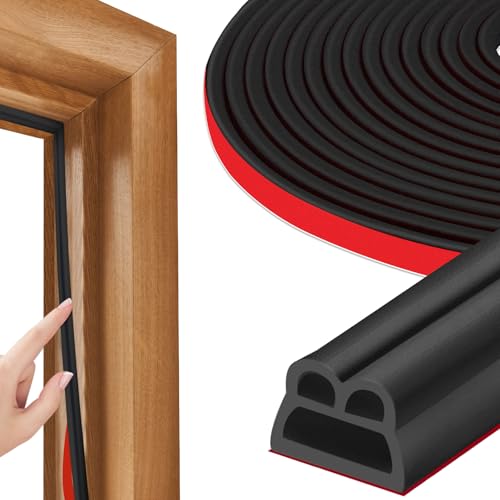
40FT Rubber Weather Stripping Door Seal, Self Adhesive Door Insulation Strip, Block Drafts, Multi-Layer Soundproof, Weatherstripping for Door Frame and Windows (Black)
Size Upgrade: Weather stripping total length is about 40 feet, specification is 0.35 * 0.23 inches, applicable gap…
As an affiliate, we earn on qualifying purchases.
As an affiliate, we earn on qualifying purchases.
Conclusion
So, after all that effort, you’ve managed to silence your garage shop—only to realize it’s now so quiet, you might miss the noise of your own tools. Irony, isn’t it? You set out to keep the sound in, but now you’ve got a serene space that’s almost too peaceful. Still, with your new panels and seals, at least you’ll never have to suffer through noisy interruptions again—unless, of course, you miss the racket!
Focusound 52 Pack Acoustic Foam Panels 1" x 12" x 12" Sound Proof Foam Panles Soundproofing Noise Cancelling Wedge Panels for Home Office Recoding Studio with 300PCS Double-Side Adhesive
Soundproofing – Acoustic foam panels triangular grooves structure for better noise absorption, helps to reduce and absorb unwanted…
As an affiliate, we earn on qualifying purchases.
As an affiliate, we earn on qualifying purchases.
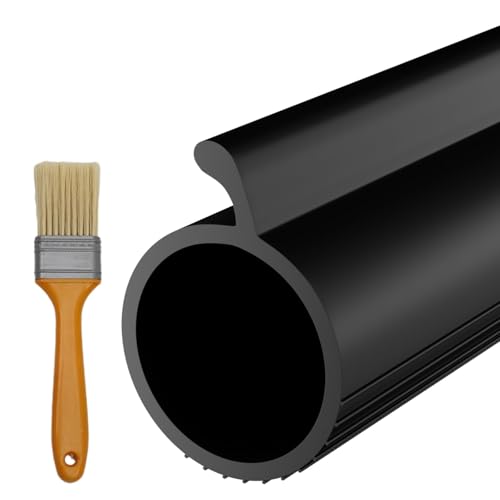
Garage Door Seal P Bulb – 16.5ft Flexible Weatherproof TPE Seal for Single-Channel Doors, Easy DIY Installation, Prevents Drafts, Noise Reduction, Saves Energy, 0.19" Tip | Fits 0.20-0.25" Channels
Selecting the Correct Size: Small P-Bulb (Diameter 0.19"): Recommended Channel Diameter 0.20"-0.25" & Base Width 0.10"-0.15". Large P-Bulb…
As an affiliate, we earn on qualifying purchases.
As an affiliate, we earn on qualifying purchases.