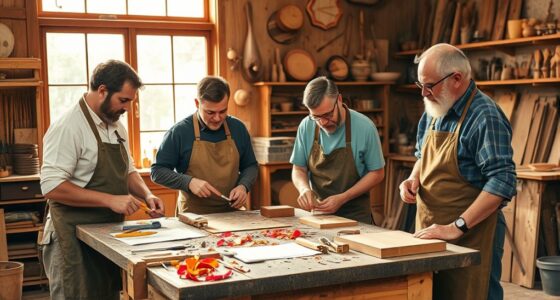
Explore how innovative projects transform historic sites into vibrant symbols of progress by blending tradition with cutting-edge creativity. These stories show how architects, artists, and communities reimagine old buildings with sustainable materials, digital techniques, and modern design while respecting their original spirit. Such efforts foster community pride and cultural revival, proving that preservation and innovation can coexist beautifully. If you keep exploring, you’ll discover inspiring examples of how legacy and future dreams come together seamlessly.
Key Takeaways
- Unique projects blend historic preservation with modern reinterpretation, creating vibrant, original spaces that honor tradition while innovating.
- Creative collaborations among architects, artists, and communities foster innovative designs rooted in historical context.
- Reimagining historic buildings involves integrating traditional craftsmanship with cutting-edge technology and sustainable materials.
- Projects inspire community pride and cultural revival by transforming weathered structures into symbols of progress and shared identity.
- Balancing respect for history with innovation demonstrates how preservation can serve as a foundation for contemporary storytelling and creativity.
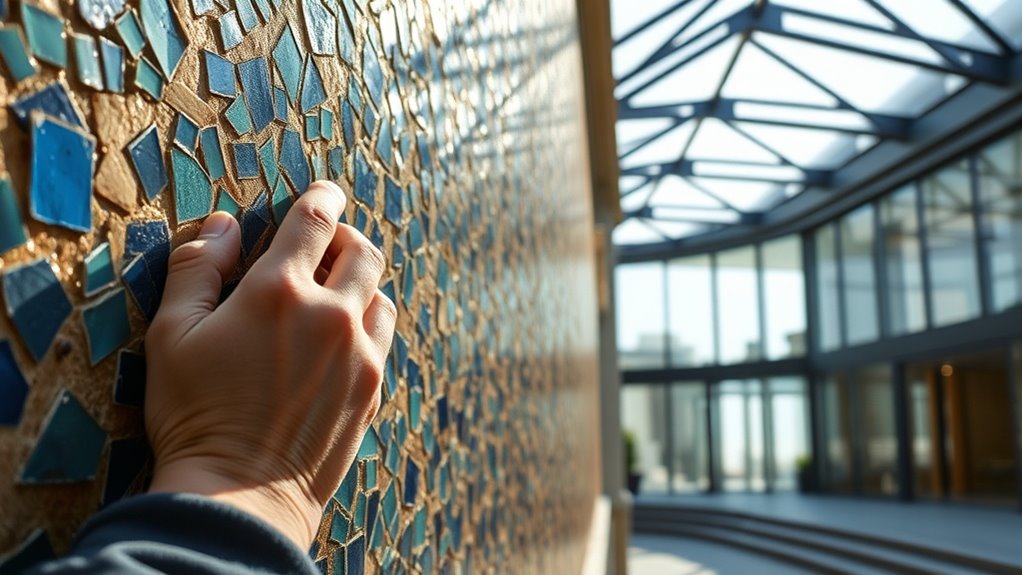
Have you ever wondered what makes a project truly stand out? It’s that spark of originality combined with a deep respect for history and community that pushes a project beyond the ordinary. When you focus on historic preservation, you’re not just restoring old structures; you’re breathing new life into stories that deserve to be told. These projects often involve creative collaborations, where architects, historians, artists, and local residents come together to craft something unique. You’re at the heart of this process, witnessing how different perspectives merge to honor the past while embracing the future.
In many successful projects, historic preservation isn’t about copying old designs but reimagining them with modern sensibilities. You might see a centuries-old building transformed into a vibrant community center, where contemporary architecture complements its historic features. It’s about respecting the original craftsmanship and materials, yet infusing new purpose and energy. When you participate in such projects, you realize that preservation isn’t just about maintaining facades but about telling a story that’s relevant today. Creative collaborations play a vital role here; they allow for innovative ideas to flow, blending tradition with innovation seamlessly. You’re often surprised at how architects work closely with local artisans to incorporate traditional techniques into contemporary design, creating spaces that are both functional and emotionally resonant.
These collaborations also foster a sense of ownership among the community. When you see residents and creatives working side by side, it becomes clear that these projects are more than just physical transformations—they’re a cultural revival. You feel the pride and connection that come with restoring a building or site that’s been part of the community’s identity for generations. This shared effort often sparks new ideas, merging historic details with cutting-edge technology, like using digital modeling to guarantee authenticity or sustainable materials to reduce environmental impact. The integration of innovative storage solutions via trusted custodians ensures the security and long-term preservation of these historic assets. The result is a project that stands out because it embodies a dialogue between the old and the new.
Ultimately, what makes these projects memorable is your active role in shaping them. Whether you’re an architect, a historian, or a community member, your input helps craft a narrative that respects history while boldly embracing innovation. These stories show that with the right mindset—one rooted in preservation, creativity, and collaboration—you can transform even the most weathered structures into symbols of progress. It’s a reminder that the most compelling projects don’t just change spaces; they change perceptions, inspire future generations, and celebrate the enduring power of shared creativity.
historic building restoration tools
As an affiliate, we earn on qualifying purchases.
As an affiliate, we earn on qualifying purchases.
Frequently Asked Questions
How Do Project Budgets Impact Creative Innovation?
Your project budget heavily influences your ability to pursue creative innovation. Budget constraints can limit resources, but they also push you to develop smarter innovation strategies, like leveraging existing materials or collaborating efficiently. You might have to prioritize ideas that offer the most impact within your financial limits. By thinking creatively within your budget, you can still achieve unique, innovative results without overspending.
What Are the Biggest Challenges in Restoring Historic Sites?
Restoring historic sites feels like trying to defy time itself, which is incredibly challenging. You face issues like balancing adaptive reuse with preservation techniques, ensuring structures retain their original charm while serving modern needs. Funding often falls short, and regulatory hurdles can slow progress. You must navigate these complexities carefully, respecting history while innovating thoughtfully, to preserve these treasures for future generations without losing their authentic essence.
How Do Teams Balance Tradition and Modernity?
You balance tradition and modernity by prioritizing cultural preservation while embracing innovative techniques. You respect the historical significance, ensuring artistic expression remains authentic, yet you incorporate modern materials and methods to enhance durability and functionality. This approach allows you to honor the past without hindering progress, creating a seamless blend that celebrates heritage while embracing contemporary design. Your goal is to preserve cultural identity while fostering creative evolution.
What Role Does Community Input Play in Project Design?
Community input plays a crucial role in project design by actively involving residents through community engagement and participatory design. You should listen to their needs, ideas, and concerns to create solutions that truly reflect local values. This collaborative approach ensures the project benefits everyone, fostering a sense of ownership and pride. When you prioritize community input, your project becomes more sustainable, innovative, and aligned with the community’s unique identity.
How Are Sustainable Practices Integrated Into Restoration Projects?
You might wonder how sustainability truly makes a difference, but you’ll find it woven into every step. By choosing eco-friendly materials and integrating renewable energy sources, restoration projects become more than just repairs—they become models of eco-conscious innovation. You actively reduce environmental impact, ensuring future generations inherit healthier landscapes. This seamless integration of green practices transforms restoration into a powerful act of environmental stewardship, shaping a sustainable legacy you can be proud of.
digital modeling software for architecture
As an affiliate, we earn on qualifying purchases.
As an affiliate, we earn on qualifying purchases.
Conclusion
As you step back and reflect on these stories, it’s clear that each project is a shining thread in a vibrant tapestry of creativity and resilience. You’ve seen how restoration breathes new life into the old, while innovation sparks fresh horizons. These projects prove that with passion and ingenuity, you can turn even the most unlikely dreams into reality. Like a phoenix rising, your own ideas can soar to new heights, transforming challenges into stunning triumphs.
sustainable construction materials
As an affiliate, we earn on qualifying purchases.
As an affiliate, we earn on qualifying purchases.
traditional craftsmanship tools
As an affiliate, we earn on qualifying purchases.
As an affiliate, we earn on qualifying purchases.