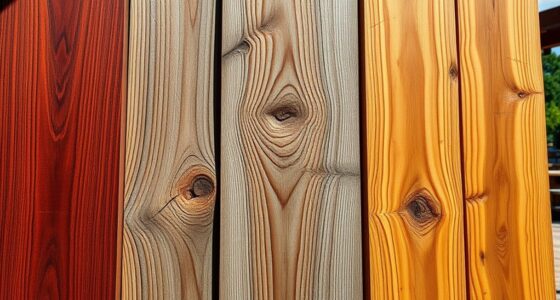
If you’re considering cedar for outdoor projects, you’ll appreciate its natural rot resistance. Thanks to its oils and tight grain, cedar resists moisture, decay, and insect damage. Its durability means less maintenance and longer-lasting structures, even in harsh weather. The wood’s appealing appearance develops a charming silver-gray patina over time, with minimal effort. To learn more about cedar’s benefits and how to maximize its lifespan outdoors, keep exploring this versatile material.
Key Takeaways
- Cedar’s natural oils and compounds provide inherent rot and decay resistance, making it ideal for outdoor use.
- Its tight, straight grain resists moisture penetration, reducing warping, cracking, and splitting risks.
- Cedar withstands rain, snow, and humidity with minimal maintenance, naturally aging to a protective silvery-gray patina.
- Its consistent grain allows for easy cutting, shaping, and finishing, facilitating durable outdoor projects.
- Cedar’s weather durability and low upkeep ensure long-lasting outdoor structures with minimal chemical treatments.
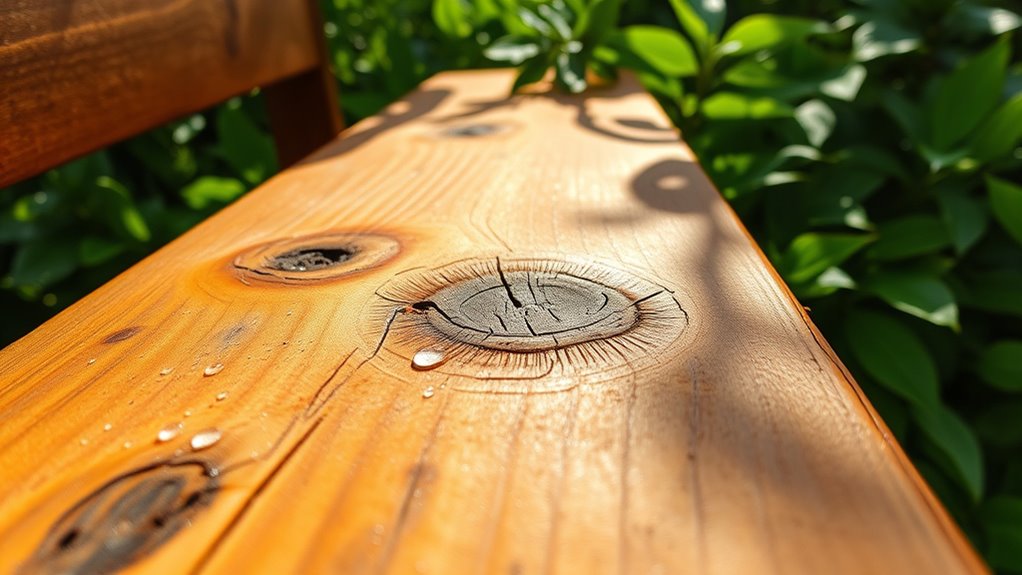
Are you considering the best wood for your outdoor projects? If so, cedar should be at the top of your list. Known for its natural rot resistance, cedar naturally withstands the elements better than many other woods, making it an excellent choice for outdoor use. One of the reasons cedar is so durable is its unique wood grain. The tight, straight grain of cedar helps it resist moisture penetration, reducing the chances of warping, cracking, or splitting over time. Its dense fibers act as a barrier against water, which is essential for outdoor structures exposed to rain, snow, and humidity. This natural characteristic means your cedar projects will retain their integrity longer, even when subjected to harsh weather conditions.
When it comes to weather durability, cedar truly shines. Unlike softwoods that may quickly deteriorate when left unprotected, cedar’s oils and compounds provide a natural defense against decay, insects, and fungal growth. This means you can enjoy your outdoor furniture, decks, or fencing without constantly worrying about applying chemical treatments or sealants. Cedar’s ability to withstand the rigors of weather makes it a low-maintenance, long-lasting choice. Plus, as it ages, cedar develops a beautiful silvery-gray patina, adding character and charm to your outdoor space without needing extra upkeep. If you prefer to preserve its warm reddish hue, regular sealing and staining can help maintain its vibrant color.
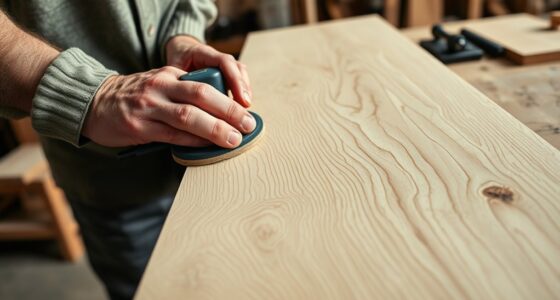
Another aspect to consider is cedar’s workability. Its consistent wood grain makes it easy to cut, shape, and install, which speeds up your project and guarantees a smooth finish. Whether you’re building a garden bench or a pergola, cedar’s workability combined with its weather durability means you won’t have to compromise on quality or longevity. Cedar also responds well to finishing products, allowing you to customize its appearance or add extra protection against the elements.
Frequently Asked Questions
How Long Does Cedar Last Outdoors Without Treatment?
Cedar can last 10 to 15 years outdoors without treatment, but this depends on durability factors like exposure to moisture, sunlight, and insects. Wood treatment isn’t always necessary, but applying a sealant can considerably extend its lifespan. You should regularly inspect and maintain your cedar to prevent rot and decay, especially in harsh weather conditions. Proper maintenance ensures your cedar outdoor projects stay durable and attractive for years.
Is Cedar Safe for Children’s Outdoor Furniture?
Think of cedar as a gentle guardian for your child’s outdoor space. It’s naturally resistant to rot and pests, making it a safe choice without relying on chemical treatments. You can rest easy knowing cedar’s chemical-free nature supports child safety, reducing worries about harmful substances. Its warm, inviting hue and durability turn outdoor furniture into a cozy, safe haven where your little ones can play freely and comfortably.
Can Cedar Be Painted or Stained Effectively?
Yes, you can paint or stain cedar effectively. For best results, choose paints with strong painting durability and stains that are compatible with cedar’s porous surface. Properly prepare the wood by cleaning and sanding to guarantee good adhesion. Applying a primer before painting improves durability, while using a suitable stain enhances cedar’s natural beauty. Regular maintenance and reapplication will keep your outdoor cedar projects looking great and protected over time.
How Does Cedar Compare to Other Rot-Resistant Woods?
You’ll find cedar offers excellent rot resistance compared to many other woods, making it a durable choice for outdoor projects. Its natural oils help with wood preservation, reducing decay and insect damage. While hardwoods like ipe or teak may be more durable, cedar’s balance of rot resistance and ease of work makes it a popular, cost-effective option. Keep in mind durability factors such as climate and maintenance to maximize its lifespan.
What Environmental Impacts Does Cedar Harvesting Have?
You should consider that cedar harvesting, when done sustainably, minimizes ecological impact by ensuring forests aren’t overexploited. Responsible practices promote regeneration and protect biodiversity. However, unsustainable harvesting can lead to habitat loss and soil erosion. By choosing cedar from well-managed sources, you help reduce environmental harm and support ecological balance, making your outdoor projects more eco-friendly and contributing to forest conservation efforts.
Conclusion
Choosing cedar means choosing durability, beauty, and natural resistance. It resists rot, withstands the elements, and ages gracefully. With cedar, you get longevity, low maintenance, and timeless appeal. It’s a smart, sustainable choice for outdoor projects that last. When you select cedar, you invest in quality, in resilience, and in nature’s own craftsmanship. Trust cedar to enhance your outdoor spaces today, tomorrow, and for years to come.