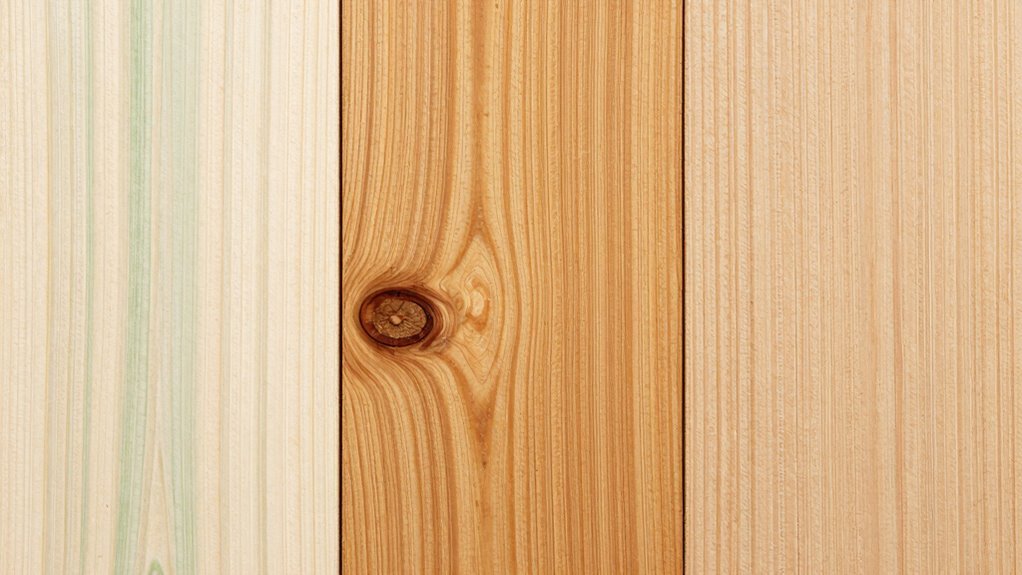
To distinguish poplar, pine, and maple quickly, check the grain patterns and knots. Poplar has a smooth, uniform, straight grain with little variation, making it great for painting. Pine features prominent knots and a varied grain, giving it a rustic look. Maple boasts fine, consistent grain with subtle waves or curly figures for a more refined appearance. Spot these key traits, and you’ll avoid buying the wrong board—there’s more to uncover if you keep exploring.
Key Takeaways
- Poplar has a smooth, uniform grain with a light color, making it easy to identify compared to the knotty, varied grain of Pine.
- Pine features prominent knots and a more rustic appearance, while Maple has a fine, even grain with subtle figure.
- Poplar is softer and dents easily, whereas Maple is dense and durable, helping distinguish their strength and wear resistance.
- Maple’s fine, consistent grain makes it ideal for staining, unlike Pine, which may stain unevenly due to resin.
- Poplar’s smooth, straight grain is perfect for painting projects, unlike Pine and Maple, which may require special finishing techniques.
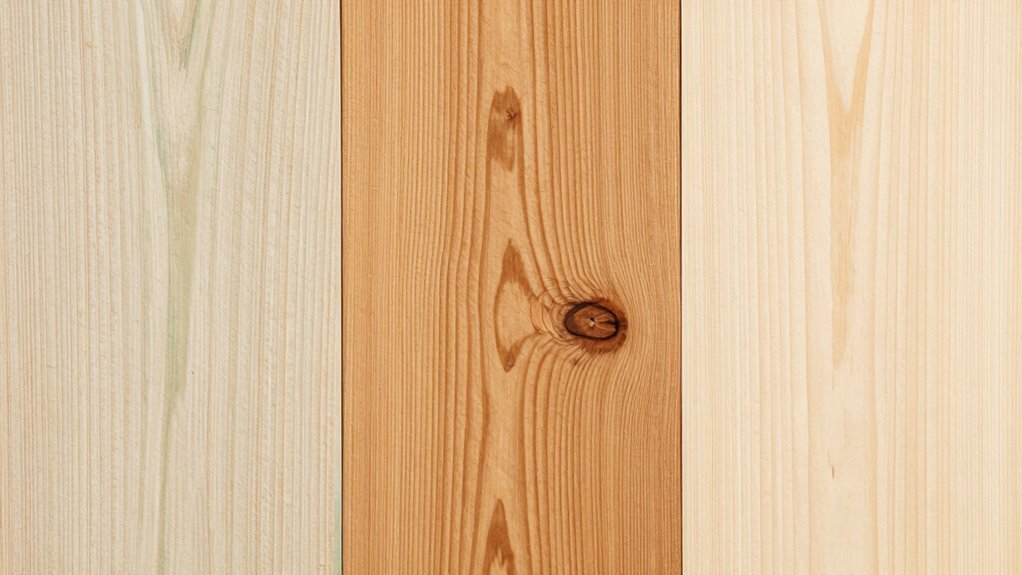
When choosing between poplar, pine, and maple, understanding their unique characteristics can help you make an informed decision. One of the easiest ways to distinguish these woods is by examining their grain patterns. Poplar has a relatively smooth, straight grain with occasional subtle waves or irregularities, giving it a uniform appearance. Pine, on the other hand, often showcases prominent knots and a more varied grain pattern that can be quite distinctive. Maple’s grain is usually fine and consistent, with a smooth surface and subtle, sometimes wavy or curly, figure that can add visual interest. Recognizing these patterns allows you to pick the right wood for your project, whether you want a clean, modern look or a more rustic, textured feel. Additionally, understanding the wood properties can guide you in selecting the best material for durability and finishability. Beyond appearance, it’s important to think about woodworking durability. Poplar is quite soft compared to pine and maple, making it easier to cut and shape, but it’s also more prone to dents and scratches. If your project requires a sturdy, long-lasting material, poplar might need some reinforcement or sealing. Pine is moderately soft but has a reputation for being relatively easy to work with; however, it’s susceptible to dents and scratches, especially in its softer areas. Maple stands out for its hardness and durability, which makes it ideal for furniture, flooring, or pieces that will see heavy use. Its tight, dense grain resists dents and wears well over time, ensuring longevity. You should also think about how each wood responds to finishing. Poplar takes paint and stain well, making it a popular choice for painted furniture or projects where a smooth, uniform surface is desired. Pine has a tendency to stain unevenly because of its sap and resin content, so it often requires pre-treatment or special finishing techniques. Maple’s fine grain provides an excellent surface for staining, but because of its density, it can sometimes be challenging to sand evenly. Knowing these finishing characteristics can help you avoid surprises after you’ve cut and assembled your project.

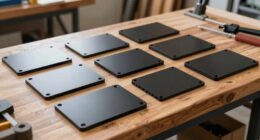
MUXGOA 20 Pcs Poplar Plywood Sheets,Unfinished Thin Wood Sheet for Laser Cutting,Wood Burning,Painting, Model Making(150x100x2mm)
POPLAR PLYWOOD SHEETS – Our poplar wood sheets contains 20 pack wood sheets for diy sand table model…
As an affiliate, we earn on qualifying purchases.
As an affiliate, we earn on qualifying purchases.
Frequently Asked Questions
Which Wood Is Most Resistant to Moisture and Humidity?
You’ll find that maple offers the best moisture resistance among these woods, making it more durable in humid environments. Its tight grain structure helps prevent moisture absorption, increasing overall wood durability. Pine is less resistant, prone to warping and swelling with humidity changes. Poplar has decent resistance but isn’t as durable as maple. For areas with high moisture, choose maple to guarantee your project stays stable and lasts longer.
How Do I Identify These Woods by Smell?
Think of scent identification as a secret handshake among woods. You’ll notice poplar has a faint, almost sweet aroma, while pine smells like fresh Christmas trees with a sharp, resinous scent. Maple’s scent is subtle, slightly sweet but mild. To identify these woods by smell, gently crush a small piece and sniff deeply—your nose will reveal aroma differences that help you distinguish them quickly and confidently.
Are There Eco-Friendly Options Among Poplar, Pine, and Maple?
Yes, eco-friendly options exist among poplar, pine, and maple. Look for wood sourced through sustainable harvesting practices, which minimizes environmental impact. Poplar and certain pine types are often sustainably harvested and come from well-managed forests. Maple can also be eco-friendly if certified by organizations like FSC. Always check labels or ask suppliers about their sourcing methods to guarantee you’re choosing woods that support conservation and responsible forestry.
Which Wood Is Best for Outdoor Furniture?
For outdoor furniture, you should choose pine or maple, as they’re more durable against weather. Pine has prominent grain patterns and tends to be softer, so it’s easier to work with. Maple offers a tighter grain and more uniform color variations, making it a stylish choice. Keep in mind, sealing and finishing are essential to protect the wood from moisture and extend its lifespan outdoors.
How Do These Woods Compare in Terms of Cost?
If you’re on a tight budget, pine is your best bet, offering a price comparison that’s more affordable than maple or poplar. For example, a DIY project using pine saved you hundreds compared to maple, making it a budget-friendly option. Poplar tends to fall in the middle, while maple is pricier but offers better durability. Knowing these differences helps you pick the right wood without overspending.

Groovy Patterns Wood Grain Large Knots – Patchwork Quilt Pattern – Long Arm Board Sewing Patterns – Quilting Templates Sewing Supplies
Groovy Boards for Consistent Quilting: Discover the ultimate solution for precise quilting replication with durable groovy board quilt…
As an affiliate, we earn on qualifying purchases.
As an affiliate, we earn on qualifying purchases.
Conclusion
Now that you know the easy tricks to identify poplar, pine, and maple, you can confidently choose the right board for your project. Imagine your perfect piece taking shape, each wood telling its own story through its grain and color. With these simple clues, you’re armed to stop guessing and start creating. So go ahead—pick the right wood, and watch your craftsmanship come to life like a masterpiece waiting to be revealed.

Mullican Flooring Solid Maple Hardwood Flooring 15574
As an affiliate, we earn on qualifying purchases.
As an affiliate, we earn on qualifying purchases.

Wood Identification Kit
50, 4" x 9" samples
As an affiliate, we earn on qualifying purchases.
As an affiliate, we earn on qualifying purchases.