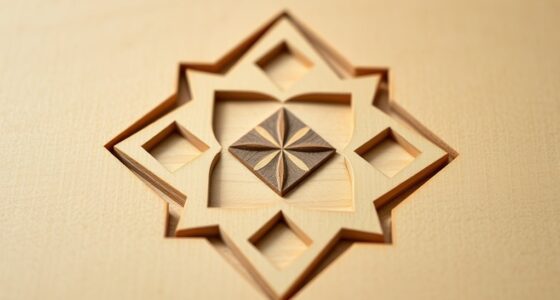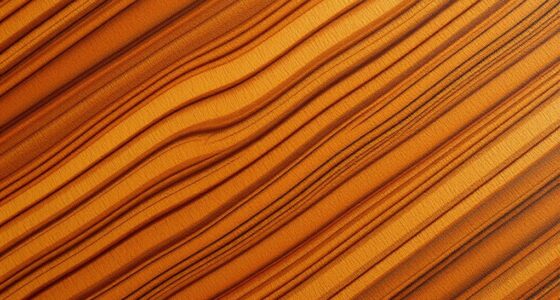

When carving green wood, moisture content is crucial since it influences how the wood responds to your tools and shapes over time. You should expect some movement, like shrinking and warping, as the wood dries, which can cause cracks if not managed properly. Using proper drying techniques—slow air drying in ventilated, shaded areas—helps stabilize your piece. To learn how to control moisture and prevent defects, keep going to find more detailed tips.
Key Takeaways
- Green wood’s high moisture content makes it softer and easier to carve but increases the risk of warping and cracking.
- Proper drying, such as slow air drying, helps stabilize moisture levels and prevents defects in finished carvings.
- Monitoring moisture with tools like a moisture meter ensures wood reaches an ideal 12-15% before carving.
- Anticipate shrinkage and movement during and after carving to avoid cracking or splitting in the final piece.
- Allow for natural wood movement by designing joints and details that accommodate future moisture loss and shape changes.
Carving green wood offers a unique and rewarding experience that differs from working with seasoned timber. When you carve freshly cut wood, you’re working with a material that still holds a significant amount of moisture, which greatly influences how the wood responds to your tools. Moisture control becomes a critical aspect of the process because green wood is prone to movement as it dries. If you don’t manage this properly, your project can develop cracks, warps, or other defects over time, making the experience both challenging and instructive.
Carving green wood offers a rewarding challenge with moisture management and natural movement.
The key to successful green wood carving lies in understanding how moisture affects the wood’s behavior. Initially, the wood contains a high level of water, which makes it softer and easier to carve. However, this moisture isn’t just a temporary factor — it actively influences the wood’s shape and stability long after your carving session ends. As the wood dries, it shrinks unevenly, especially if the moisture isn’t evenly distributed or if the wood isn’t appropriately dried beforehand. That’s why controlling the moisture content from the start is essential. You want the wood to be moist enough to carve easily but not so wet that it warps or cracks as it dries.
To manage this, you should pay close attention to wood drying techniques. Properly drying green wood involves a slow, controlled process — often air drying in a shaded, well-ventilated space. Rushing the drying process, like using heat or direct sunlight, can cause rapid moisture loss, leading to surface cracking or internal splitting. You can also monitor moisture levels with a simple moisture meter, ensuring the wood reaches a stable moisture content suitable for carving. This threshold varies depending on the type of wood and your project, but generally, a moisture content between 12% and 15% works well for most carving projects.
Controlling moisture isn’t just about drying; it’s about anticipating how the wood will behave during and after carving. As you work, keep in mind that the wood will continue to lose moisture, so you should plan your project accordingly. For instance, avoid making tight joints or fine details that might crack as the wood shrinks. Instead, work with the wood’s natural movement, leaving some allowances for future shrinkage and warping. If you notice any signs of cracking or warping during carving, it’s often best to pause and let the piece stabilize. Proper moisture regulation ensures your finished piece remains durable and true to your original design, making the effort worthwhile and your work more satisfying.
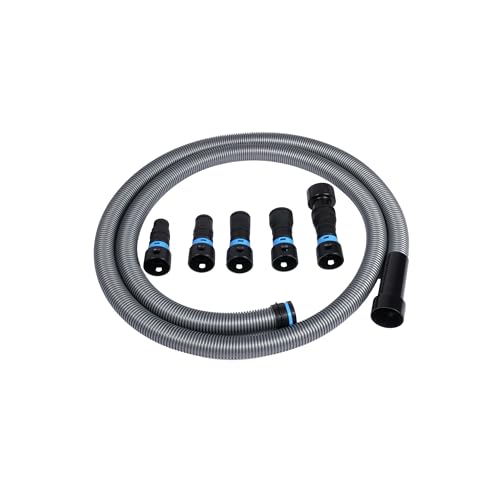
Cen-Tec Systems 94698 Quick Click 10 Ft. Hose for Home and Shop Vacuums with Expanded Multi-Brand Power Tool Adapter Set for Dust Collection
1-1/4" diameter x 10-foot commercial grade vacuum hose to connect from all major brands of home shop vacuums...
As an affiliate, we earn on qualifying purchases.
Frequently Asked Questions
How Does Humidity Affect Green Wood Carving?
Humidity considerably affects green wood carving because it influences wood shrinkage and expansion. High humidity levels cause the wood to absorb moisture, making it swell and become softer, while low humidity leads to drying and shrinkage, which can cause cracking or warping. To minimize these issues, you need humidity control in your workspace, ensuring consistent moisture content. This helps you carve more precisely and reduces the risk of unwanted movement or damage.
What Tools Are Best for Carving Moist Wood?
You should choose sharp carving blades and wooden tools specifically designed for moist wood. Carving blades with a fine edge help you make precise cuts without tearing the wood fibers, while sturdy wooden tools provide better control. Always keep your tools sharp and clean to handle the moisture effectively. Using the right tools allows you to work smoothly, minimizing splits and ensuring clean, detailed carvings even on damp wood.
How Can I Prevent Cracking During Carving?
Oh, cracking during carving? Just what every green wood enthusiast dreams of! To prevent cracks, you need to control wood shrinkage—think of it as taming a wild beast. Keep your wood at consistent humidity levels, work with the grain, and carve slowly. Use proper tools and avoid removing too much material at once. With patience and care, crack prevention becomes your secret weapon against green wood’s sneaky tendencies.
What Drying Methods Are Recommended After Carving?
After carving, you should use drying racks to evenly air-dry your piece. Place it in a well-ventilated, shaded area to prevent sun damage. Follow proper seasoning processes by gradually reducing moisture content over time, which minimizes cracking. Avoid direct heat sources or high humidity. Patience is key—slow, controlled drying guarantees your carved wood remains stable and free from cracks, preserving your craftsmanship for the long term.
How Does Wood Species Influence Moisture Content?
Think of wood species as different personalities, each with its own moisture story. You’ll find that dense woods, rich in natural oils, hold moisture longer and resist drying faster. Lighter woods with less oil dry quicker but may crack more easily. Understanding how wood density and natural oils influence moisture content helps you choose the right species for your project, ensuring stability and reducing movement.

Dust Right Flexiport Power Tool Hose Kit - 3 To 12' Expandable Hose & 4 FlexiPorts - Lightweight Dust Collectors for Woodworking Power Tools - Collector Hose for Shop Vacuums, Table Saw & More
Click-Connect System: Our Flexible fittings conform to most handheld power tool dust ports and the Click-Connect feature of...
As an affiliate, we earn on qualifying purchases.
Conclusion
As you carve green wood, remember it’s a living, breathing thing, keen to reveal its hidden soul. Moisture dances within, whispering secrets of change and transformation. With patience and care, you guide its gentle journey, embracing the dance of movement and stillness. Like shaping a heartbeat, your hands mold the wood’s story, forging beauty from nature’s raw essence. In each carve, you awaken the spirit of growth, creating art that breathes with life long after you’ve finished.

Cen-Tec Systems 94709 Quick Click 16 Ft. Hose for Home and Shop Vacuums with Expanded Multi-Brand Power Tool Adapter Set for Dust Collection
1-1/4" diameter x 16-foot commercial grade vacuum hose to connect from all major brands of home shop vacuums...
As an affiliate, we earn on qualifying purchases.

95193 Antistatic Vacuum Hose, 1/4 Inch x 16 Ft 95193 Hose and 4 Fittings/Adapters Cen-Tec Systems for Shop Vacs with Expanded Multi-Brand Power Tool Adapter Set, Blue
Effective Static Charge Management:The electro static conductive hose equipped with static dissipative features that provide a reliable path...
As an affiliate, we earn on qualifying purchases.