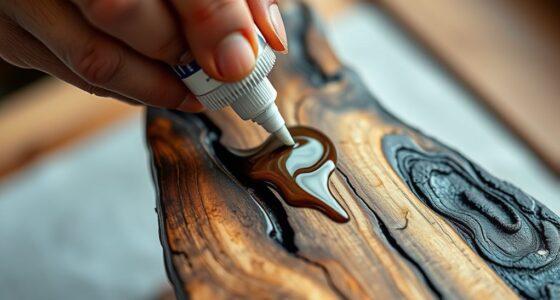
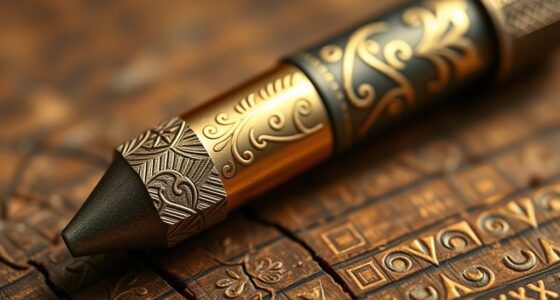
When working with burning letter and script styles, choose fonts that match the mood—elegant, dramatic, or vintage—and use decorative scripts for headlines or accents. Balance ornate fonts with clean, simple ones to maintain readability. Experiment with contrasting styles like calligraphy paired with sans-serif fonts to create visual harmony. Adjust sizes and spacing to enhance legibility, and remember to use decorative scripts sparingly. Keep exploring these tips to craft striking designs that truly resonate.
Key Takeaways
- Choose fiery or bold script fonts that evoke burning effects for impactful titles or headings.
- Use handwriting techniques like flickering strokes or gradient coloring to mimic flames in lettering.
- Pair ornate, decorative fonts with simple sans-serif for readability and visual contrast.
- Experiment with textured or gradient fills to create the illusion of burning or smoldering letters.
- Balance decorative script with clear, straightforward fonts to ensure legibility and aesthetic harmony.
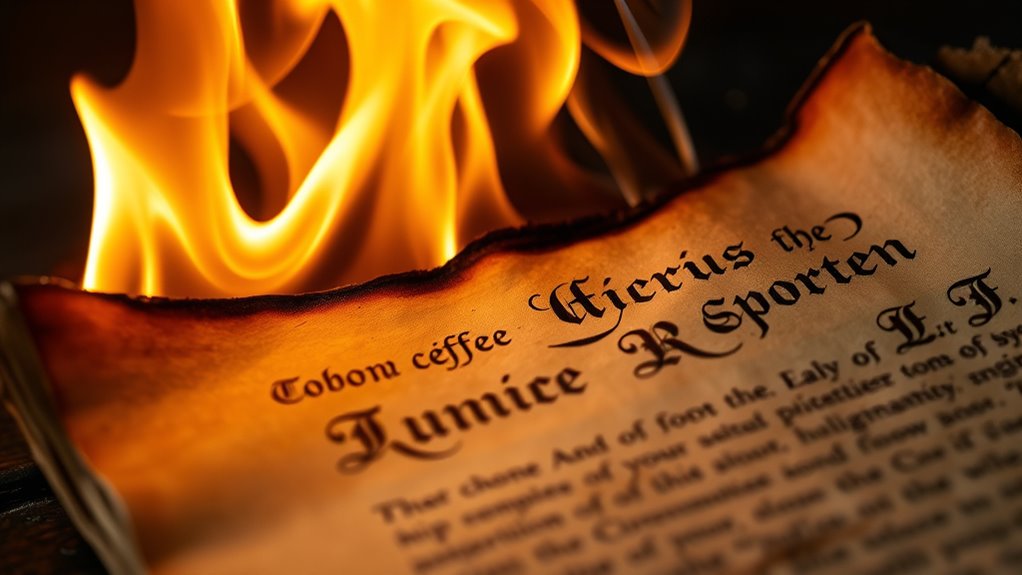
Choosing the right font or handwriting style can considerably enhance the clarity and impact of your written communication. Whether you’re designing a logo, creating a handwritten note, or working on a digital project, understanding how to select and combine calligraphy styles and font pairing techniques can make all the difference. When you explore different calligraphy styles, you unlock a variety of expressive options that match the tone and purpose of your work. From elegant scripts to bold, modern fonts, each style conveys a different mood, so choosing the appropriate one guarantees your message resonates with your audience.
Selecting the right calligraphy style enhances clarity and mood in your design.
You should consider how different fonts complement each other when pairing them. Font pairing techniques involve combining two or more fonts in a way that creates visual harmony without causing confusion. For example, pairing a decorative calligraphy style with a simple, clean sans-serif font can produce a balanced and professional look. The key is to contrast and coordinate fonts so that they stand out individually but work together as a cohesive unit. Think about the hierarchy of information—use more ornate styles for headings or titles, and simpler fonts for body text to improve readability.
Experimentation is essential. When you try different calligraphy styles, keep in mind the context of your project. Are you aiming for a vintage feel, a modern aesthetic, or something playful? Your choice of fonts should reflect that intent. Use font pairing techniques to test combinations on your layout, paying attention to how the fonts’ weights, sizes, and spacing interact. Don’t be afraid to mix serif and sans-serif fonts, or to incorporate script styles sparingly to add an elegant touch without overpowering the overall design. Additionally, understanding the impact of amazing life together can inspire the tone and emotional depth of your design choices, especially when aiming to evoke heartfelt sentiments.
Furthermore, consider the legibility of your fonts. While decorative calligraphy styles are beautiful, they can sometimes hinder readability if overused. Balance is vital. Use ornate styles for headlines or accents, and keep body text in more straightforward fonts that are easy to read. When you’re aware of how calligraphy styles and font pairing techniques work together, you’ll be better equipped to create designs that are not only visually appealing but also clear and effective.
burning effect script fonts
As an affiliate, we earn on qualifying purchases.
As an affiliate, we earn on qualifying purchases.
Frequently Asked Questions
What Are the Best Fonts for Formal Invitations?
For formal invitations, you should choose elegant fonts like classic calligraphy or sophisticated serif fonts. Calligraphy offers timeless charm, while modern fonts give a sleek, contemporary feel. When pairing fonts, use contrast—combine a decorative calligraphy with a clean serif to enhance readability and style. Avoid clutter by balancing font sizes and styles, ensuring your design looks refined and professional. This approach creates a balanced, inviting look that impresses your guests.
How Can I Improve My Cursive Handwriting Quickly?
To improve your cursive handwriting quickly, dedicate time to calligraphy practice daily, focusing on consistent letter formation and flow. Incorporate quick handwriting drills to build muscle memory and speed. Use lined paper to maintain uniform size and slant, and set specific goals for each session. Regular practice will enhance your skills, making your cursive more fluid and polished in no time.
Which Fonts Are Easiest to Read on Small Screens?
Did you know that sans-serif fonts are 13% easier to read on small screens? When choosing fonts for small screens, opt for simple, clean styles like Arial or Helvetica, as they offer better font readability. Keep your screen font size at least 12 points to reduce eye strain. These choices help guarantee your content remains clear and accessible, making reading on small devices more comfortable and enjoyable.
What Tools Help Mimic Vintage Handwritten Letters?
You can use digital tools like Procreate or Adobe Fresco to mimic vintage handwritten letters. These apps offer brushes that simulate ink blending, giving your text an authentic, aged look. Incorporate parchment textures to add a distressed, vintage feel. By layering ink blending techniques with textured backgrounds, you create realistic, timeless handwritten styles that evoke classic letter-writing charm.
How Do I Choose the Right Font for Branding?
When choosing the right font for your branding, you want to take into account typography psychology and font pairing techniques. Focus on fonts that reflect your brand’s personality, evoke the right emotions, and guarantee readability. Use font pairing techniques to create harmony and contrast, making your brand memorable. Test different options, observe how they align with your message, and trust your instincts to select a font that truly represents your brand’s identity and values.

Modern Calligraphy: A Beginner's Guide to Pointed Pen and Brush Pen Lettering
114 pages guide book introducing you to brush lettering and pointed pen modern calligraphy
As an affiliate, we earn on qualifying purchases.
As an affiliate, we earn on qualifying purchases.
Conclusion
Just like a master chef perfects a recipe through careful adjustments, your handwriting and fonts improve with practice. Think of each letter as a brushstroke on a canvas—when you pay attention to detail, your writing becomes a work of art. Remember, even the most famous writers started with messy drafts. So, keep experimenting, stay patient, and soon your words will burn bright with clarity and style, illuminating your unique voice on every page.
gradient fill fonts for digital design
As an affiliate, we earn on qualifying purchases.
As an affiliate, we earn on qualifying purchases.
decorative script fonts for headlines
As an affiliate, we earn on qualifying purchases.
As an affiliate, we earn on qualifying purchases.