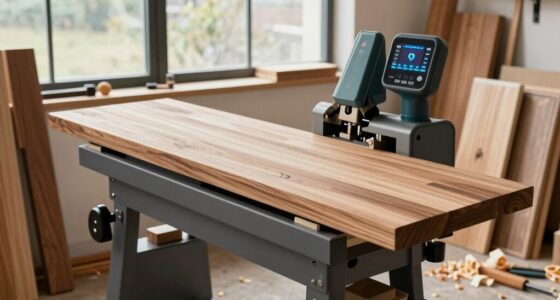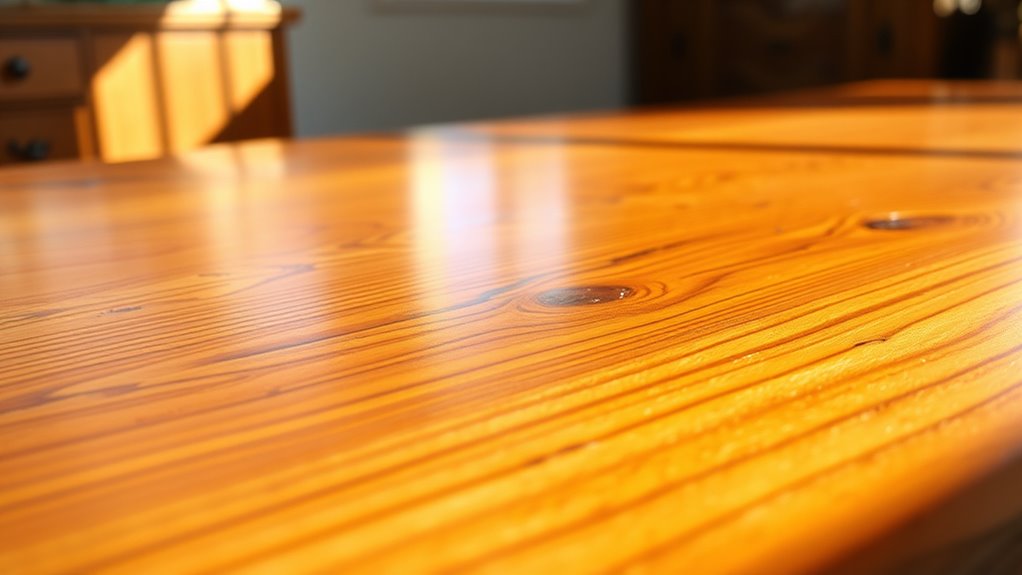

The best wood wax depends on whether I am protecting furniture, conditioning a cutting board, or adding a soft sheen to painted wood. I rank Howard Products Feed-N-Wax, 8 oz as the best overall because its practical size and furniture-focused formula offer the strongest balance of usability, coverage, and value. Daddy Van’s All Natural Beeswax Furniture Polish is the premium choice for buyers who want an unscented, food-safe product, while Walrus Oil Wood Wax, 14 oz makes more sense for frequent cutting-board care. The main tradeoffs are food-contact suitability, scent, finish hardness, container size, and whether the wax is designed to condition bare wood or protect an existing finish. Continue reading for the full breakdown of all 13 options and the buyer each one suits best.

Get tools and workshop supplies delivered free — and shop member deals
- Fast, free delivery on millions of items
- Access to Prime Big Deal Days deals on October 6–7
- Prime Video, Amazon Music and more included
Complete the kit


Key Takeaways
- Howard Feed-N-Wax, 8 oz earned the top position because it offers a more practical furniture-care balance than the larger 16 oz bottle or compact 4.7 oz size.
- The kitchen-focused products split into clear roles: Walrus Oil, 14 oz suits frequent maintenance, the 3 oz can limits waste on occasional jobs, and Wood Butter targets butcher blocks and utensils.
- Daddy Van’s stands apart from the scented furniture polishes by pairing an unscented formula with stated food-safe use across furniture, antiques, cabinets, and butcher blocks.
- Minwax Paste Finishing Wax is the traditional furniture-finishing specialist, while the clear chalk-paint wax is the more relevant choice for painted or decorative surfaces.
- Larger packs are not automatically better value: CARGEN 3PCS favors multi-room use, but a single container or Howard‘s 4.7 oz bottle is the smarter purchase when storage life and low usage matter.
| CARGEN Beeswax Furniture Polish – Beeswax Wood Polish & Conditioner |  | Best Overall for Furniture Restoration | Product Type: Furniture polish and conditioner | Primary Wax: Beeswax | Additional Wax: Carnauba wax | VIEW ON AMAZON | See Our Full Breakdown |
| Howard Products Feed-N-Wax Wood Polish & Conditioner, 8 oz, Orange |  | Best for Occasional Furniture Maintenance | Volume: 8 oz | Product Type: Wood polish and conditioner | Primary Wax: Brazilian carnauba wax | VIEW ON AMAZON | See Our Full Breakdown |
| Wood Butter Cutting Board Wax – 8 fl oz – Conditioner for Butcher Block and Wooden Kitchen Tools |  | Best for Cutting Boards | Volume: 8 fl oz | Product Type: Conditioning wood wax | Oil Ingredient: Mineral oil | VIEW ON AMAZON | See Our Full Breakdown |
| Howard Products Feed-N-Wax Beeswax Wood Polish & Conditioner, 16 Oz, Orange |  | Best for Large Furniture Projects | Volume: 16 oz | Product Type: Wood polish and conditioner | Primary Wax: Beeswax | VIEW ON AMAZON | See Our Full Breakdown |
| Daddy Van’s All Natural Beeswax Furniture Polish – Unscented, Food-Safe Wood Wax for Furniture, Cabinets, Antiques & Butcher Blocks |  | Best Unscented Food-Safe Wax | Wax Ingredients: Natural beeswax and carnauba wax | Scent: Unscented | Food Safety: Food-safe | VIEW ON AMAZON | See Our Full Breakdown |
| Walrus Oil Wood Wax, 3 oz |  | Best Compact Cutting Board Wax | Brand: Walrus Oil | Size: 3 oz | Product Type: Wood wax and cutting board wax | VIEW ON AMAZON | See Our Full Breakdown |
| Minwax Paste Finishing Wax, Natural, 1 lb |  | Best for Finished Furniture | Brand: Minwax | Weight: 1 lb | Finish Type: Paste wax | VIEW ON AMAZON | See Our Full Breakdown |
| Howard Wax-It-All Protective Food-Grade Beeswax, 9 Fl oz |  | Best Multi-Surface Wax | Brand: Howard | Volume: 9 fl oz | Primary Material: Beeswax | VIEW ON AMAZON | See Our Full Breakdown |
| Walrus Oil Wood Wax, 14 oz |  | Best Large-Format Cutting Board Wax | Brand: Walrus Oil | Size: 14 oz | Ingredients: Coconut oil, beeswax, and vitamin E | VIEW ON AMAZON | See Our Full Breakdown |
| Wood Finishing Wax for Furniture, Clear, 3.5 Oz |  | Best for Chalk-Painted Furniture | Size: 3.5 oz | Finish Type: Clear chalk paint wax | Materials: Plant-based oils, carnauba wax, and beeswax | VIEW ON AMAZON | See Our Full Breakdown |
| CARGEN 3PCS Beeswax Wood Polish |  | Best Multipack | Product count: 3 beeswax polish containers | Included applicators: 2 sponges | Wax type: Beeswax furniture polish | VIEW ON AMAZON | See Our Full Breakdown |
| Premium Natural Beeswax Polish for Wood & Furniture, Food Safe – 3.5 Fl Oz |  | Best for Food-Safe Small Projects | Volume: 3.5 fl oz | Primary wax: British beeswax | Conditioning oil: Organic olive oil | VIEW ON AMAZON | See Our Full Breakdown |
| Howard Products Beeswax Wood Polish & Conditioner, Feed-N-Wax for Wood Furniture Polish, 4.7 oz, Orange |  | Best for Antique Upkeep | Size: 4.7 oz | Product type: Wood polish and conditioner | Primary wax: Beeswax | VIEW ON AMAZON | See Our Full Breakdown |
More Details on Our Top Picks
CARGEN Beeswax Furniture Polish – Beeswax Wood Polish & Conditioner
I rank CARGEN Beeswax Furniture Polish first for buyers who want one wax for dull furniture, cabinets, and hardwood floors. Its blend of beeswax, carnauba wax, and orange oil combines conditioning with a firmer protective finish, giving it broader household appeal than Wood Butter Cutting Board Wax. Compared with Howard Feed-N-Wax 8 Oz, CARGEN targets restoration as much as routine polishing, making it better suited to dry wood with faded grain. The drawback is that heavily neglected pieces may need repeated coats and buffing before the finish looks even. Applying it too often can also create waxy buildup, especially on furniture already carrying polish residue. I would choose it for versatile indoor upkeep, but not for food-contact tools or mixed-material surfaces.
Pros:- Restores visible grain and luster on dull or dry wood
- Beeswax and carnauba wax create a durable protective finish
- Orange oil adds conditioning action for neglected furniture
- Works across furniture, cabinets, and hardwood floors
Cons:- Deeply dried wood may require several applications
- Overapplication can leave wax buildup
- Not intended for non-wood or food-contact surfaces
Best for: Homeowners restoring dull indoor furniture, cabinets, and hardwood floors with one multipurpose wax
Not ideal for: Cooks treating cutting boards or owners of mixed-material furniture, since it is intended for wood surfaces rather than food-contact or non-wood materials
- Product Type:Furniture polish and conditioner
- Primary Wax:Beeswax
- Additional Wax:Carnauba wax
- Conditioning Oil:Citrus orange oil
- Furniture Compatibility:Wood furniture
- Floor Compatibility:Hardwood floors
- Cabinet Compatibility:Wood cabinets
- Intended Uses:Polishing, restoring, and protecting
Our verdict“This is my all-purpose choice for buyers who prioritize furniture restoration and broad indoor coverage over food-contact versatility.”
Howard Products Feed-N-Wax Wood Polish & Conditioner, 8 oz, Orange
Howard Products Feed-N-Wax 8 Oz earns its place as a manageable supply for periodic care rather than large restoration jobs. The orange oil and dual-wax formula enriches grain while leaving a softer luster on finished or unfinished wood, which suits side tables, cabinets, and a few cherished pieces. Against the Howard Feed-N-Wax 16 Oz bottle, the formula offers the same core benefits but less product for households with limited maintenance needs. It also feels more furniture-focused than Wood Butter Cutting Board Wax, which is made around food-safe kitchen care. I see two clear compromises: protection depends on regular reapplication, and the oil-rich coating may collect dust over time. Buyers maintaining many doors or dining sets should move to the larger Howard bottle; this version makes more sense for smaller furniture collections.
Pros:- Enhances grain without aiming for a hard, high-gloss finish
- Conditions finished and unfinished wood
- Beeswax and carnauba wax leave a protective coating
- Eight-ounce size suits occasional household use
Cons:- Needs recurring application to maintain protection
- Oil residue may attract dust over time
- Less economical in quantity than the 16-ounce version for large jobs
Best for: Apartment dwellers and occasional DIY users maintaining a small number of finished or unfinished wood pieces
Not ideal for: Owners treating large furniture collections, doors, or extensive cabinetry, because the 8-ounce bottle will require more frequent replacement
- Volume:8 oz
- Product Type:Wood polish and conditioner
- Primary Wax:Brazilian carnauba wax
- Secondary Wax:Beeswax
- Conditioning Oil:Orange oil
- Wood Compatibility:Finished and unfinished wood
- Finish:Soft luster
- Care Purpose:Helps resist drying and cracking
Our verdict“I recommend this size for light, periodic furniture care when a 16-ounce supply would be excessive.”
Wood Butter Cutting Board Wax – 8 fl oz – Conditioner for Butcher Block and Wooden Kitchen Tools
I place Wood Butter Cutting Board Wax at the front of the kitchen-care category because its short formula of food-safe mineral oil and beeswax is tailored to butcher blocks and wooden utensils. Mineral oil penetrates dry fibers while beeswax adds a moisture-resistant surface, helping boards resist cracking under repeated washing. Daddy Van’s All Natural Beeswax Furniture Polish offers wider furniture and cabinet compatibility, while Wood Butter has a narrower, kitchen-centered purpose and includes mineral oil for conditioning. That specialization is also its limitation: it is not the strongest choice for antiques, floors, or buyers seeking a harder carnauba-wax finish. Sparse application guidance may leave beginners uncertain about coat thickness or curing time, and the simple formula will need periodic renewal. I favor it for routine food-prep surface care, especially when ingredient simplicity matters.
Pros:- Food-safe formula suits kitchen work surfaces and utensils
- Mineral oil conditions dry wood fibers
- Beeswax adds a protective moisture barrier
- Made in the USA and linked to animal rescue support
Cons:- Narrower range of uses than furniture-oriented waxes
- Limited application guidance may frustrate first-time users
- Simple oil-and-wax coating requires periodic renewal
Best for: Home cooks maintaining butcher blocks, cutting boards, wooden spoons, and other food-preparation tools
Not ideal for: Furniture restorers who need a harder carnauba-enhanced finish or guidance for treating antiques and floors
- Volume:8 fl oz
- Product Type:Conditioning wood wax
- Oil Ingredient:Mineral oil
- Wax Ingredient:Beeswax
- Food Safety:Food-safe ingredients
- Primary Surface:Butcher blocks and cutting boards
- Additional Use:Wooden kitchen tools
- Country of Manufacture:USA
Our verdict“This is my focused pick for cooks who want a simple food-safe conditioner for boards and wooden kitchen tools.”
Howard Products Feed-N-Wax Beeswax Wood Polish & Conditioner, 16 Oz, Orange
For households caring for several rooms of woodwork, I would pick Howard Products Feed-N-Wax 16 Oz. The larger bottle is better matched to dining tables, cabinets, doors, trim, and antiques than the 8-ounce Feed-N-Wax, while retaining the same beeswax, carnauba wax, and orange oil approach. That combination enriches grain, conditions dry areas, and leaves a protective wax layer across finished or unfinished wood. Quantity is the key reason for its higher placement in large-project use; it is unnecessary for someone polishing one small table. The formula also contains flammable petroleum distillates, so buyers need adequate ventilation and careful storage. Like the smaller Howard bottle, it needs recurring treatment rather than creating a permanent finish. I reserve this pick for broad furniture maintenance, while Daddy Van’s is the better route around food-preparation areas.
Pros:- Sixteen-ounce volume suits multi-piece furniture projects
- Enhances grain on finished and unfinished wood
- Beeswax and carnauba wax provide a protective coating
- Orange oil conditions wood while adding an orange scent
Cons:- Petroleum distillates are flammable and require careful handling
- Adequate ventilation is needed during application
- Protection requires recurring reapplication
Best for: Homeowners maintaining multiple antiques, dining tables, cabinets, wood doors, and trim in one treatment cycle
Not ideal for: Buyers working in poorly ventilated rooms or treating food-preparation surfaces, due to its petroleum-distillate content
- Volume:16 oz
- Product Type:Wood polish and conditioner
- Primary Wax:Beeswax
- Additional Wax:Carnauba wax
- Conditioning Oil:Orange oil
- Compatible Wood:Finished and unfinished wood
- Suggested Surfaces:Antiques, tables, cabinets, doors, and trim
- Handling Requirement:Ventilation required; contains flammable petroleum distillates
Our verdict“I would buy this for high-volume furniture and cabinetry care, provided the workspace has good ventilation.”
Daddy Van’s All Natural Beeswax Furniture Polish – Unscented, Food-Safe Wood Wax for Furniture, Cabinets, Antiques & Butcher Blocks
Daddy Van’s All Natural Beeswax Furniture Polish fills the gap between furniture wax and kitchen-safe conditioner. Its unscented, zero-VOC, food-safe formula works on cabinets, antiques, furniture, and butcher blocks, making it more versatile around sensitive households than orange-oil-based CARGEN or Howard Feed-N-Wax. Compared with Wood Butter Cutting Board Wax, Daddy Van’s reaches beyond kitchen tools and adds carnauba wax for a firmer protective finish, though it lacks Wood Butter’s mineral oil for penetrating very dry board fibers. The polish still demands manual rubbing and buffing, and multiple coats will not erase deep scratches; wax can soften their appearance but cannot repair damaged wood. Its natural, biodegradable, USDA-certified biobased profile is the main buying reason. I would select it when low odor and broad food-safe use outweigh the convenience of a lighter liquid conditioner.
Pros:- Unscented formula suits fragrance-sensitive homes
- Food-safe composition works on butcher blocks and kitchen surfaces
- Zero-VOC, non-toxic, and biodegradable formulation
- Beeswax and carnauba wax serve furniture as well as kitchen wood
Cons:- Requires manual application and thorough buffing
- Deep scratches may remain visible after multiple coats
- Less penetrating than a mineral-oil-based board conditioner
Best for: Fragrance-sensitive households seeking one food-safe wax for furniture, cabinets, antiques, and butcher blocks
Not ideal for: Buyers wanting effortless application or a product capable of repairing deep scratches rather than merely conditioning and polishing them
- Wax Ingredients:Natural beeswax and carnauba wax
- Scent:Unscented
- Food Safety:Food-safe
- VOC Content:Zero-VOC
- Toxicity:Non-toxic
- Environmental Profile:Biodegradable
- Certification:USDA Certified 100% Biobased
- Country of Manufacture:USA
- Suitable Surfaces:Furniture, cabinets, antiques, and butcher blocks
Our verdict“This is my choice for fragrance-sensitive buyers who need a natural food-safe wax across both living areas and kitchens.”
Walrus Oil Wood Wax, 3 oz
I rank Walrus Oil Wood Wax, 3 oz as the compact choice for maintaining a few cutting boards, butcher blocks, or wooden utensils. Its food-safe, FDA-compliant formula suits surfaces that regularly touch ingredients, while the small can is easy to store in a crowded kitchen. Compared with the 14 oz Walrus Oil Wood Wax, this version costs less upfront and makes more sense for occasional upkeep, but frequent users will empty it much sooner. It conditions and protects rather than creating the harder barrier associated with a dedicated furniture finish such as Minwax Paste Finishing Wax. I would also account for the sparse application guidance, which may leave beginners searching for technique details. This is a focused kitchen-care product, not an all-purpose coating for floors or high-wear furniture.
Pros:- Food-safe, FDA-compliant formula fits kitchen wood maintenance
- Compact can stores easily and keeps the initial purchase modest
- Conditions wood while adding a protective wax layer
- Made in the USA
Cons:- Three-ounce supply is inefficient for large surfaces or frequent applications
- Application and maintenance instructions are limited
- Does not replace a hard-wearing finish on heavily used furniture
Best for: I recommend it for home cooks who maintain one or two cutting boards and want a small, food-safe container.
Not ideal for: I would skip it for large butcher-block counters or frequent workshop use because the 3 oz can will run out quickly.
- Brand:Walrus Oil
- Size:3 oz
- Product Type:Wood wax and cutting board wax
- Food Safety:Food-safe and FDA compliant
- Primary Application:Cutting boards and wood surfaces
- Country of Manufacture:USA
- Container:Can
Our verdict“I would choose this size for occasional cutting-board care, while regular users should buy the 14 oz version.”
Minwax Paste Finishing Wax, Natural, 1 lb
I place Minwax Paste Finishing Wax highest for traditional interior furniture care because it adds a hand-rubbed natural luster without pretending to be a heavy protective coating. Its one-pound size is better suited to cabinets, antiques, and repeated projects than the 3.5 oz Wood Finishing Wax for Furniture. The 10–15 minute drying window also supports a quicker apply-and-buff routine than that product’s 24-hour wait. The tradeoff is specialization: unlike Howard Wax-It-All, Minwax is limited to interior wood, requires mineral spirits for cleanup, and is not identified as food-safe. I see it as a finish-enhancing wax for already finished pieces, not a moisture shield for outdoor furniture or a substitute for polyurethane. Buyers seeking rich sheen and familiar paste-wax handling get strong value; kitchen-board owners should choose Walrus Oil instead.
Pros:- Produces a traditional hand-rubbed luster on finished wood
- One-pound container suits furniture and repeated projects
- Short 10–15 minute drying time supports efficient buffing
- Works across furniture, antiques, cabinets, and interior woodwork
Cons:- Does not form a hard protective coating
- Restricted to interior applications
- Mineral-spirit cleanup is less convenient than soap-and-water cleanup
Best for: I recommend it for furniture restorers and homeowners polishing finished cabinets, antiques, and interior woodwork.
Not ideal for: I would avoid it for cutting boards, outdoor wood, or surfaces that need a hard, water-resistant protective coat.
- Brand:Minwax
- Weight:1 lb
- Finish Type:Paste wax
- Color:Natural
- Application:Interior wood surfaces
- Drying Time:10–15 minutes
- Recoat Time:15 minutes
- Cleanup:Mineral spirits
Our verdict“I recommend Minwax for polished interior furniture, but not for food-contact wood or demanding moisture protection.”
Howard Wax-It-All Protective Food-Grade Beeswax, 9 Fl oz
I chose Howard Wax-It-All for buyers who want one food-grade wax for far more than wood. Its multi-surface compatibility covers stone, metal, cement, paint, and plastics, giving it a broader household role than either Walrus Oil Wood Wax. The beeswax formula creates a water-resistant barrier and delays oxidation, so it can protect mixed-material kitchen pieces or decorative items while improving their appearance. That breadth comes with limits: it still requires careful application and buffing, needs periodic renewal, and cannot match a heavy-duty coating where abrasion or weather exposure is severe. Its 9 fl oz volume lands between the small 3 oz Walrus can and the large 14 oz jar, making it a practical middle ground. I rank it below specialized wood waxes for dedicated cutting-board routines, but above them for versatility.
Pros:- Works on wood, stone, metal, cement, paint, and plastics
- Food-grade beeswax suits appropriate kitchen and food-contact surfaces
- Creates a water-resistant barrier
- Helps delay oxidation on compatible materials
Cons:- Application and buffing add hands-on maintenance
- Protective layer needs periodic reapplication
- Insufficient for surfaces requiring heavy-duty wear protection
Best for: I recommend it for households that want one food-grade wax for wood, stone, metal, painted pieces, and plastics.
Not ideal for: I would skip it for high-abrasion floors or exposed outdoor surfaces that demand a harder, longer-lasting coating.
- Brand:Howard
- Volume:9 fl oz
- Primary Material:Beeswax
- Food Grade:Yes
- Compatible Surfaces:Wood, stone, metal, cement, paint, and plastics
- Barrier Type:Water-resistant
- Additional Protection:Delays oxidation
Our verdict“I would pick Howard Wax-It-All when material versatility matters more than having a wood-only treatment.”
Walrus Oil Wood Wax, 14 oz
I rank Walrus Oil Wood Wax, 14 oz as the better buy for large butcher blocks, multiple boards, or recurring kitchen maintenance. The coconut oil, beeswax, and vitamin E formula keeps the ingredient list simple, while its food-contact-safe status matches the needs of working prep surfaces. Compared with the 3 oz Walrus Oil Wood Wax, this jar reduces the risk of repeatedly replacing a tiny container and offers far more product for broad coverage. It is less flexible than Howard Wax-It-All, however, because its stated purpose centers on wood rather than stone, metal, or plastics. The single large size can also be excessive for someone who owns one small board, and there are no scent or formula choices. I see this as a practical volume purchase rather than a versatile household polish.
Pros:- Fourteen-ounce jar supports frequent use and large wood surfaces
- Food-contact-safe formula fits cutting boards and butcher blocks
- Simple blend of coconut oil, beeswax, and vitamin E
- Easy apply-and-buff finishing process
Cons:- Large jar may be excessive for occasional users
- Intended for wood rather than mixed-material maintenance
- No alternate scents, formulas, or smaller size in this listing
Best for: I recommend it for avid cooks, woodworkers, and households maintaining large butcher blocks or several wooden kitchen items.
Not ideal for: I would skip it for occasional treatment of one small board or for buyers who need a wax for several material types.
- Brand:Walrus Oil
- Size:14 oz
- Ingredients:Coconut oil, beeswax, and vitamin E
- Food-Contact Safe:Yes
- Primary Application:Cutting boards and wood surfaces
- Application Method:Apply and buff
- Country of Manufacture:USA
Our verdict“I would buy this jar for regular, high-volume kitchen wood care and choose the 3 oz can for occasional maintenance.”
Wood Finishing Wax for Furniture, Clear, 3.5 Oz
I selected Wood Finishing Wax for Furniture for projects where sealing chalk paint and enriching color matter as much as polishing bare wood. Its plant-based oils, carnauba wax, and beeswax are designed to nourish grain while adding moisture and wear resistance across furniture, floors, and décor. Unlike interior-only Minwax Paste Finishing Wax, this clear wax is presented for indoor and outdoor use and includes application tools. It also demands more patience: the surface needs 24 hours before use, multiple coats may be required, and overapplication can leave a sticky residue. The 3.5 oz container is manageable for a small makeover but poorly matched to a whole floor or several large pieces. I rank it as a project-specific sealer, while Minwax remains the simpler choice for quickly buffing finished interior furniture.
Pros:- Designed to seal chalk paint and deepen painted colors
- Plant-based oils combine with carnauba wax and beeswax
- Suitable for indoor and outdoor wood applications
- Included tools support controlled, streak-free application
Cons:- Requires 24 hours before the treated surface returns to use
- Several coats may be needed for the desired finish
- Heavy or careless application can leave sticky residue
Best for: I recommend it for DIY furniture painters sealing a small chalk-painted table, cabinet, or decorative wood piece.
Not ideal for: I would avoid it for rushed projects or large floors because the 3.5 oz supply, multiple coats, and 24-hour wait add time and cost.
- Size:3.5 oz
- Finish Type:Clear chalk paint wax
- Materials:Plant-based oils, carnauba wax, and beeswax
- Primary Function:Sealing and protecting wood surfaces
- Compatible Projects:Furniture, floors, and décor
- Use Location:Indoor and outdoor
- Wait Before Use:24 hours
- Included Accessories:Application tools
Our verdict“I would choose this for a small chalk-paint makeover when color depth and a clear wax seal outweigh speed.”
CARGEN 3PCS Beeswax Wood Polish
I rank CARGEN 3PCS Beeswax Wood Polish as the multipack choice for buyers maintaining several pieces of furniture. The three-container bundle and two included applicator sponges make it easier to keep supplies in different rooms or tackle a larger restoration project without sharing one applicator. It nourishes dry wood, revives faded surfaces, and emphasizes grain on both finished and unfinished pieces. Compared with the Premium Natural Beeswax Polish, however, CARGEN does not carry a stated food-safe designation, so I would keep it away from cutting boards and utensils. It also requires repeat applications to maintain the effect, and the supplied data does not identify each container’s volume. This pick earns its place through bundle convenience, not specialized ingredients or a documented kitchen-safe formula.
Pros:- Three-piece bundle supports multiple furniture projects
- Two applicator sponges are included
- Revives dull wood while emphasizing natural grain
- Suitable for finished and unfinished wood
Cons:- Needs regular reapplication to maintain its appearance and protection
- No stated food-safe designation for kitchenware
- Individual container volume is not provided
Best for: Households restoring several finished or unfinished furniture pieces that want multiple containers and supplied applicators
Not ideal for: Cooks treating cutting boards or utensils, because the product data does not state that the polish is food-safe
- Product count:3 beeswax polish containers
- Included applicators:2 sponges
- Wax type:Beeswax furniture polish
- Compatible finishes:Finished and unfinished wood
- Primary application:Furniture restoration and maintenance
- Recommended surfaces:Furniture, cabinets, and decorative wood pieces
- Finish effect:Enhances warmth and wood grain
Our verdict“I recommend this bundle for multi-piece furniture upkeep, while food-contact projects call for a clearly certified alternative.”
Premium Natural Beeswax Polish for Wood & Furniture, Food Safe – 3.5 Fl Oz
Premium Natural Beeswax Polish is my choice for small food-contact projects because its British beeswax and organic olive oil formula carries a stated food-safe designation. That makes it better suited to wooden utensils and compact kitchen pieces than CARGEN 3PCS Beeswax Wood Polish, whose supplied details do not make the same safety claim. The rub-on, buff-off process also keeps routine care approachable, while the clear, soft shine preserves the character of untreated, oiled, or previously waxed wood. The tradeoff is capacity: at 3.5 fluid ounces, it is less practical for numerous cabinets or large furniture collections than Howard Feed-N-Wax in its larger sizes. I would also account for the required patch test and the possibility of multiple coats on parched wood. Its advantage is ingredient transparency, not maximum coverage.
Pros:- Stated food-safe formula suits wooden kitchen items
- British beeswax and organic olive oil are clearly identified
- Works on untreated, oiled, and previously waxed wood
- Simple rub-on and buff-off application
Cons:- Small container offers limited coverage for large projects
- Patch testing is required before broad application
- Very dry wood may need several coats
Best for: Home cooks and woodworkers treating a few utensils, serving pieces, or small furniture items with a food-safe natural wax
Not ideal for: Owners maintaining large cabinet runs or extensive furniture collections, because the 3.5-fluid-ounce container may run out quickly
- Volume:3.5 fl oz
- Primary wax:British beeswax
- Conditioning oil:Organic olive oil
- Food-safe:Yes
- Country of manufacture:United Kingdom
- Compatible wood:Untreated, oiled, or previously waxed wood
- Application method:Rub on and buff off
- Finish:Soft, clear shine
Our verdict“I favor this small jar for food-safe detail work, but larger furniture projects justify a higher-capacity polish.”
Howard Products Beeswax Wood Polish & Conditioner, Feed-N-Wax for Wood Furniture Polish, 4.7 oz, Orange
I place Howard Feed-N-Wax 4.7 oz in the antique-care role because its blend of beeswax, carnauba wax, and orange oil combines conditioning with a protective coating. It is aimed at preserving existing finishes on furniture, cabinets, and antiques while enriching visible grain and reducing the risk of drying or cracking. Compared with the Premium Natural Beeswax Polish, this formula offers more product and adds carnauba wax, but it lacks a stated food-safe designation. Compared with Howard Feed-N-Wax 8 oz and 16 oz, the 4.7-ounce bottle is easier to buy for occasional care yet provides poorer value for a large collection. Buyers should also expect recurring applications, and its natural oils may encourage dust buildup over time. I see it as a targeted maintenance polish, rather than a one-time finishing treatment.
Pros:- Beeswax and carnauba wax create a conditioning protective coating
- Orange oil helps revive the appearance of dry wood
- Suitable for furniture, antiques, and cabinets
- Smaller bottle fits occasional maintenance needs
Cons:- Regular reapplication is needed to sustain the result
- Natural oils may attract dust over time
- Less economical for large collections than the 8-ounce or 16-ounce versions
Best for: Antique owners and occasional furniture restorers who want a smaller bottle for conditioning existing wood finishes
Not ideal for: Large-property caretakers or kitchenware owners who need bulk volume or a stated food-safe wax
- Size:4.7 oz
- Product type:Wood polish and conditioner
- Primary wax:Beeswax
- Secondary wax:Carnauba wax
- Conditioning oil:Orange oil
- Recommended surfaces:Furniture, antiques, and cabinets
- Primary purpose:Enhances grain and helps prevent drying and cracking
- Protective action:Leaves a protective coating on wood
Our verdict“I would choose this size for occasional antique and furniture care, while frequent users will get more practical coverage from a larger bottle.”

How We Picked
I ranked these wood wax products by intended surface, protective role, ease of application, maintenance demands, package size, and value for the likely buyer. Products marketed for food-contact surfaces received credit only within that use case; I did not treat a cutting-board conditioner as interchangeable with a harder furniture finishing wax. I also separated products that mainly nourish dry wood from those designed to leave a more protective surface layer. This approach puts everyday suitability ahead of container size or broad marketing claims.
The order reflects how clearly each formula solves a buyer problem. Howard Feed-N-Wax, 8 oz leads through its balanced furniture-care format, while larger jars and multipacks rank as volume specialists rather than automatic upgrades. Daddy Van’s rises for its unscented, food-safe positioning, and the two Walrus Oil sizes are divided by project volume. Products with narrower applications, including Minwax Paste Finishing Wax and the clear chalk-paint wax, remain worthwhile but sit lower because fewer buyers need their specific finish behavior.
Factors to Consider When Choosing Wood Wax
Choosing wood wax starts with the surface rather than the brand. I would match the formula to how the wood is used, the finish already present, and the amount of ongoing care I am willing to perform. A wax that works well on an antique cabinet may be inappropriate for a cutting board, while a soft board conditioner may offer too little surface resistance for decorative furniture. The factors below help separate those jobs before package size or price influences the decision.
Match the Wax to the Surface
I start by separating food-contact wood, finished furniture, bare wood, antiques, and painted pieces. A wax intended for cutting boards should have clear manufacturer guidance supporting that use, since a furniture label alone does not establish food-contact suitability. Finished furniture may need only a thin polish, while a dry butcher block often benefits from a conditioning formula that penetrates as well as coats. Chalk-painted surfaces call for a compatible finishing wax that can add protection without disturbing the paint. For antiques, I favor reversible, gentle care and avoid aggressive cleaning or heavy buildup. When one household contains several surface types, a multi-surface wax is useful only if its label covers every planned application.
Decide Between Conditioning and Surface Protection
Wood wax products do not all perform the same job. A soft blend rich in oils can revive dry-looking grain and spread easily, but it may need more frequent renewal. A firmer paste tends to leave a more substantial surface film and requires extra buffing to avoid haze. I would choose conditioning performance for cutting boards, utensils, and thirsty unfinished wood, then favor greater film durability on low-contact furniture or decorative pieces. Wax is still a relatively light barrier compared with a cured film finish, so it is a poor substitute for polyurethane on surfaces exposed to standing water or abrasion. Recognizing that limit prevents disappointment and unnecessary layers.
Check Food-Contact Claims Carefully
The words natural and beeswax do not automatically mean a product belongs on a cutting board. I look for explicit food-contact or food-safe language from the manufacturer and follow any curing or buffing directions on the label. Added fragrances, solvents, pigments, and drying agents may be acceptable on furniture yet unsuitable for utensils or preparation surfaces. A product can also be safe after curing without being edible, so excess wax should still be removed. Separate applicators prevent residue from a furniture project reaching kitchen wood. For mixed-use households, I would keep a clearly labeled kitchen-only container rather than moving one tin between rooms.
Choose a Package Size You Will Actually Use
Price per ounce matters only when the product is used before it degrades, separates, or collects debris. A 3 oz tin can cover many small boards and is less wasteful for occasional maintenance, while a 14 oz jar suits makers, large butcher blocks, or several kitchen surfaces. Furniture owners face the same choice across Howard’s 4.7, 8, and 16 oz formats. I treat the middle size as the safest starting point because it balances coverage with manageable storage. Multipacks offer better household distribution when separate containers will live in a workshop, kitchen, and utility cupboard. Buying the largest option solely for a lower unit price can leave more unused wax than savings.
Account for Scent, Color, and Sheen
Some wood polishes include orange scent, while others are sold as unscented. Scent affects the application experience more than protection, yet it can decide whether a product is comfortable to use indoors or on objects stored near food. I would favor an unscented wax for scent-sensitive households, enclosed cabinets, and serving pieces. Clear wax can still deepen grain or darken porous wood, especially on pale, unfinished, or chalk-painted surfaces. A hidden-area test reveals changes in color and sheen before the full piece is coated. Thin coats usually produce a cleaner satin appearance than one heavy layer, which can look cloudy or feel tacky.
Plan for Application and Future Maintenance
Wood wax is easiest to manage when applied sparingly with a clean, lint-free cloth. Softer products spread quickly across detailed furniture, while hard pastes may take more effort around carvings, corners, and textured paint. Buffing time affects the result because leftover material can attract dust or transfer onto hands and fabrics. I prefer multiple thin applications over a thick coat, particularly on dense or previously sealed wood. Maintenance should respond to dullness, dryness, or reduced water resistance rather than a rigid calendar. Before recoating, gentle cleaning and complete drying help limit waxy buildup that can muddy the finish.
Frequently Asked Questions
Can I Use Any Beeswax Furniture Polish on a Cutting Board?
No, beeswax content alone does not make every furniture polish suitable for food-contact wood. I would choose a product whose label specifically permits cutting-board or food-contact use, such as the relevant Walrus Oil, Wood Butter, Daddy Van’s, or Howard Wax-It-All options in this lineup. Furniture formulas may contain fragrances, solvents, or other additives chosen for appearance and application rather than kitchen use. The board should be clean and fully dry before treatment, and excess wax should be buffed away. A dedicated kitchen applicator also prevents cross-contamination from furniture residues.
Should I Apply Wood Oil Before Wood Wax?
Oil before wax often makes sense for bare cutting boards and butcher blocks because oil penetrates while wax adds a light moisture-resistant layer. Some products already combine conditioning oils with wax, making a separate oiling step unnecessary. I would read the formula directions before stacking products, since excess oil can leave the surface greasy and delay buffing. On sealed furniture, oil may not penetrate at all and can create residue beneath the wax. The right sequence depends on whether the goal is deep conditioning or surface polish.
How Often Should Wood Wax Be Reapplied?
I would reapply wax when the wood looks dry, loses its soft sheen, or begins absorbing moisture faster than usual. Frequently washed cutting boards may need attention more often than cabinets or display furniture. Climate, cleaning habits, wood species, and the original finish all affect the interval, so a fixed monthly schedule can lead to buildup. A thin maintenance coat is usually enough if the previous layer remains even. Surface condition, rather than elapsed time, is the better guide for reapplication.
Will Clear Wood Wax Change the Color of My Furniture?
Clear wax can deepen the grain and make wood appear warmer even when it contains no added pigment. The change is often stronger on unfinished, pale, porous, or freshly sanded wood than on a sealed surface. I recommend a hidden test patch and viewing it after buffing under the room’s normal lighting. Chalk paint may also darken unevenly if the coat is too heavy or the paint absorbs wax at different rates. A restrained application gives better control over both color shift and sheen.
Is a Large Jar of Wood Wax Better Value Than a Small Tin?
A large jar is better value only for buyers who maintain several surfaces or reapply wax often. The 14 oz Walrus Oil jar and 16 oz Howard Feed-N-Wax bottle fit frequent use, while their smaller counterparts reduce upfront cost and storage. I would compare usable volume, not just price per ounce, because contaminated or long-neglected product offers no savings. Small tins also make sense when trying a formula on one board or piece of furniture. For workshops and multi-room households, a multipack can deliver more practical value by keeping clean supplies near each job.
Conclusion
For most furniture owners, my best overall choice is Howard Products Feed-N-Wax, 8 oz because it offers the most balanced combination of manageable size, conditioning, polishing, and price. The 16 oz version is better for frequent whole-home care, while the 4.7 oz bottle is the compact alternative for one or two pieces. Buyers seeking quantity across several work areas should choose CARGEN 3PCS as the value pick.
My premium recommendation is Daddy Van’s All Natural Beeswax Furniture Polish for its unscented, food-safe positioning and broad range of stated surfaces. The single CARGEN Beeswax Furniture Polish is the beginner-friendly choice for a smaller initial purchase, while Premium Natural Beeswax Polish offers another compact food-safe route. For painted furniture, the clear Wood Finishing Wax for chalk paint has the most focused role; for a traditional furniture finishing layer, Minwax Paste Finishing Wax is the better match.
Kitchen buyers should choose by volume and surface type. Walrus Oil Wood Wax, 14 oz suits frequent cutting-board maintenance, its 3 oz can fits occasional use, and Wood Butter is the dedicated choice for butcher blocks and wooden tools. Howard Wax-It-All makes more sense when food-safe treatment must extend beyond wood to other compatible household surfaces. Those distinct roles matter more than finding one wax for every job, making surface compatibility the final deciding factor.
Fall yard work Picks
leaf blowers
As an affiliate, we earn on qualifying purchases.