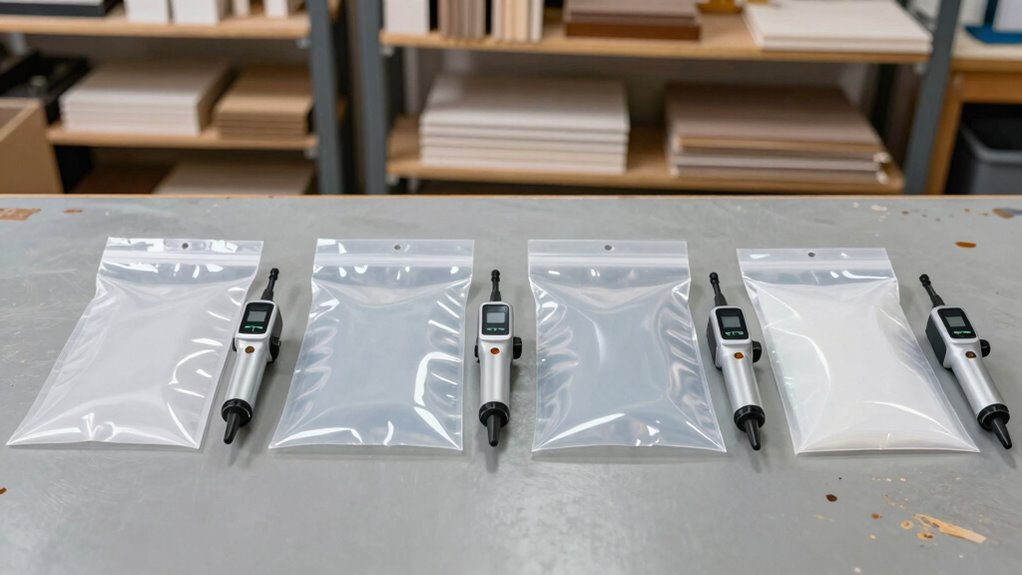

Choosing the right vacuum veneer press bag kit can significantly impact the quality and efficiency of your woodworking projects. For 2026, I’ve identified three standout options: the Polyurethane Vacuum Press Veneer Bag (8’6″ x 52″), which offers heavy-duty durability; the Polyurethane Vacuum Pressing Bag (8’6″ x 52″, 30 mil), known for its exceptional strength; and the QVP 2 CFM Vacuum Veneer Press Kit, combining a reliable pump with a durable bag. Each has its strengths and tradeoffs, especially around size, weight, and system complexity, making them suited to different professional needs.

Get business pricing on tools and workshop supplies
- Business-only prices and quantity discounts
- Tax-exempt purchasing
- Multiple users, one account, clear invoices
Complete the kit

Key Takeaways
- The heavier-duty polyurethane bags provide superior tear and abrasion resistance, ideal for demanding projects.
- Complete kits with pumps offer consistent vacuum pressure but can be cumbersome for small workshops.
- Size and weight are important considerations—larger, thicker bags may require more effort to handle.
- Durability varies; 30 mil bags tend to withstand higher pressures but may have limited reusable lifespan.
- Compatibility with existing vacuum systems can influence which kit is the best fit.
| Polyurethane Vacuum Press Veneer Bag for Woodworking, 8’6″ x 52″, 20 mil Heavy Duty Bag for Veneering, Laminating & Bent Lamination |  | Heavy-duty, durable, suited for demanding projects | Material: Polyurethane | Size: 8’6″ x 52″ | Thickness: 20 mil | VIEW ON AMAZON | See Our Full Breakdown |
| Polyurethane Vacuum Pressing and Veneering Bag (8’6″ x 52″ – 30 mil) for Woodworking | | High-strength, premium durability for precision projects | Size: 8’6″ x 52″ | Thickness: 30 mil | VIEW ON AMAZON | See Our Full Breakdown | |
| QVP 2 CFM Vacuum Veneer Press Kit with 8’6″ x 52″ Polyurethane Vacuum Bag |  | Complete system with consistent pressure for professional veneering | Vacuum Pump: 2 CFM | Vacuum Bag Dimensions: 8’6″ x 52″ | Vacuum Bag Thickness: 20 mil | VIEW ON AMAZON | See Our Full Breakdown |
| vacuum veneer press bag kit for professional woodworking | Material | Size | Thickness |
|---|---|---|---|
| Polyurethane Vacuum Press Vene | Polyurethane | 8’6" x 52" | 20 mil |
| Polyurethane Vacuum Pressing a | — | 8’6" x 52" | 30 mil |
| QVP 2 CFM Vacuum Veneer Press | Polyurethane | — | — |
More Details on Our Top Picks
Polyurethane Vacuum Press Veneer Bag for Woodworking, 8’6″ x 52″, 20 mil Heavy Duty Bag for Veneering, Laminating & Bent Lamination
This bag stands out for its heavy-duty polyurethane construction, providing excellent resistance to cuts, tears, and abrasion—making it suitable for tough, repeated use. Compared with the 30 mil bag, this 20 mil version is slightly thinner but still offers robust durability. It’s ideal for projects that require a resilient, reusable bag, though its size limits it to specific projects, and it can be heavy to handle without additional support. It requires a vacuum system for operation, common in professional shops.
Pros:- Heavy-duty polyurethane construction for longevity
- Resists cuts, tears, and abrasion effectively
- Suitable for a range of woodworking projects
Cons:- Limited to specific size dimensions
- Can be heavy to manipulate
- Requires compatible vacuum system
Best for: Workshops needing durable, versatile bags for various veneering and lamination projects
Not ideal for: Small workshops with limited space or those needing lightweight, easy-to-handle bags
- Material:Polyurethane
- Size:8’6″ x 52″
- Thickness:20 mil
- Application:Veneering, Laminating, Bent Lamination
Our verdict“A robust choice for professionals prioritizing durability in demanding veneering tasks.”
Polyurethane Vacuum Pressing and Veneering Bag (8’6″ x 52″ – 30 mil) for Woodworking
This 30 mil bag excels in strength and resistance, making it ideal for high-pressure applications or projects demanding maximum durability. It surpasses the 20 mil options in tear and abrasion resistance, which translates into a longer lifespan under rigorous use. However, limited details about its compatibility with different vacuum systems and its reusable lifespan mean it may require more attention to maintenance and system fit. It’s best suited for professionals who need a reliable, high-capacity bag.
Pros:- Exceptional resistance to cuts and tears
- Suitable for high-pressure applications
- Long-lasting, durable material
Cons:- Limited information on reuse longevity
- Potentially heavier and less flexible due to thickness
Best for: Experienced woodworkers requiring a tough, high-pressure-resistant bag for demanding tasks
Not ideal for: Entry-level shops or those with limited vacuum system compatibility info
- Size:8’6″ x 52″
- Thickness:30 mil
Our verdict“Ideal for high-demand projects where maximum durability and resistance are critical.”
QVP 2 CFM Vacuum Veneer Press Kit with 8’6″ x 52″ Polyurethane Vacuum Bag
This kit combines a 2 CFM electric pump with a high-quality polyurethane bag, offering a reliable solution for consistent veneer adhesion. The included pump enables precise control of vacuum pressure, which is crucial for achieving smooth, bubble-free finishes. While the kit provides excellent value and ease of setup, its heavier components and system complexity might be less ideal for small workshops or DIYers. It’s best suited for shops needing a ready-to-go, high-performance system.
Pros:- Provides consistent vacuum pressure for reliable results
- Includes pump, fittings, and tubing for quick setup
- Long-lasting, durable polyurethane bag
Cons:- Heavier and more complex system setup
- Requires some understanding of vacuum operation
Best for: Professionals seeking a complete, easy-to-use vacuum system for veneering and laminating
Not ideal for: Small-scale hobbyists or those with limited space and experience with vacuum systems
- Vacuum Pump:2 CFM
- Vacuum Bag Dimensions:8’6″ x 52″
- Vacuum Bag Thickness:20 mil
- Material:Polyurethane
Our verdict“A reliable, all-in-one kit suited to professional workshops prioritizing ease of use and consistency.”

How We Picked
Our selection process focused on professional-grade vacuum veneer press kits that balance durability, ease of use, and versatility. I compared specifications such as bag thickness, material quality, and included components, emphasizing options designed for repeated, high-pressure use. Products were also evaluated based on customer reviews, brand reputation, and how well they suited the needs of serious woodworking shops. Tradeoffs like weight, size, and system complexity were key factors to identify the best all-around options for 2026.
Factors to Consider When Choosing Vacuum Veneer Press Bag Kit For Professional Woodworking
When selecting a vacuum veneer press bag kit, the main considerations include durability, system compatibility, and project scale. The ideal kit should provide consistent vacuum pressure, withstand repeated use, and match your workshop’s size and workflow. Understanding the differences between bag thickness, material quality, and included components helps ensure you choose a system that delivers professional results without unnecessary complexity.Durability and Material Quality
Heavy-duty polyurethane bags, especially those around 30 mil thick, tend to last longer under high-pressure conditions. They resist tears and abrasion better than thinner or lower-quality options. However, increased thickness can add weight and reduce flexibility, making handling more challenging. For frequent, demanding projects, investing in thicker, more resilient bags can be worthwhile, but for occasional use, a slightly thinner bag might suffice.
System Compatibility and Ease of Use
Complete systems with included pumps and fittings often provide more consistent results and are easier to set up, especially for those new to vacuum veneering. But they can also be heavier and more complex, requiring some familiarity with vacuum technology. Conversely, standalone bags are lighter and more flexible but depend heavily on existing vacuum systems and may lack integrated pressure control.
Size, Weight, and Handling
Size matters: larger and thicker bags can accommodate bigger projects but may be more cumbersome to manipulate. Consider your shop space and physical capacity for handling these components. Smaller or thinner bags are easier to store and move but may not suit large or complex projects. Balance your project needs with your handling preferences to find the best fit.
Frequently Asked Questions
What is the typical lifespan of a vacuum veneer press bag?
The lifespan of a vacuum veneer press bag depends on its material, thickness, and how often it’s used. High-quality, thicker bags like 30 mil polyurethane can last through numerous projects if properly maintained, but they may eventually develop tears or wear from repeated use. Regular inspection and careful handling extend their usability, making them a worthwhile investment for professional settings.
Can I reuse vacuum veneer press bags multiple times?
Yes, most polyurethane bags are designed for multiple uses, especially if they are thick and made from durable materials. Proper cleaning after each use and careful storage help preserve their integrity. However, over time, even the best bags may develop small leaks or tears, so periodic replacement is advisable to maintain consistent results.
Is a vacuum veneer press kit suitable for small workshops?
While some kits, especially those with integrated pumps and complete setups, are geared toward larger, professional shops, smaller or lighter systems can work well in compact workshops. It’s important to consider the weight and size of the components—heavier, more complex kits might be cumbersome for tight spaces, but simpler bags or smaller pump systems can still deliver excellent results for smaller-scale projects.
What safety precautions should I consider when using vacuum veneer press kits?
Always ensure your vacuum system is properly maintained and rated for the pressure you intend to use. Follow manufacturer instructions carefully, especially regarding the handling of heavy components and electrical connections. Using appropriate personal protective equipment, such as gloves and eye protection, is recommended during setup and operation. Regular inspection of bags and hoses helps prevent accidental leaks or failures that could compromise safety.
How do I choose the right thickness for my veneer press bag?
The right thickness depends on your project requirements. Thicker bags, like 30 mil, offer greater durability and resistance to high pressure, making them suitable for demanding, repetitive tasks. Thinner bags, around 20 mil, are lighter and more flexible, ideal for less intense applications or smaller projects. Consider your project’s pressure needs, handling preferences, and budget when selecting the appropriate bag thickness.
Conclusion
For professional woodworkers handling frequent, high-pressure projects, the Polyurethane Vacuum Pressing Bag (30 mil) offers unmatched durability, while the QVP Complete Kit provides a reliable, ready-to-use system with consistent pressure. Smaller workshops or those new to vacuum veneering may prefer the Polyurethane Vacuum Press Veneer Bag (20 mil) for its balance of strength and manageability. Ultimately, your choice depends on your project demands, workspace size, and familiarity with vacuum systems.
Columbus Day / Indigenous Peoples' Day Picks
long weekend sales
As an affiliate, we earn on qualifying purchases.