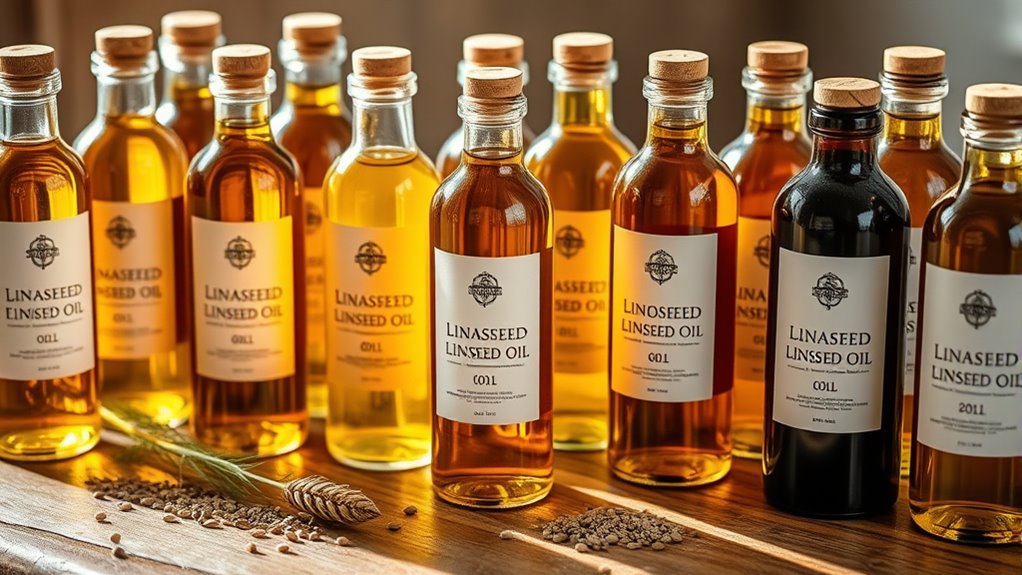
Linseed oil is a versatile product used for painting, wood finishing, and conservation. The best options combine quality, purity, and usability, with the Winsor & Newton Refined Linseed Oil standing out as the top overall pick thanks to its consistent performance and purity. For artists, the Gamblin Alkali Refined Linseed Oil offers a refined experience, while the Nordicare Linseed Oil for Wood provides a food-safe option for wood finishing. Choosing the right linseed oil involves balancing factors like purity, drying time, and intended use, which can be tricky. Keep reading for a detailed breakdown to find the best fit for your needs.

Get business pricing on tools and workshop supplies
- Business-only prices and quantity discounts
- Tax-exempt purchasing
- Multiple users, one account, clear invoices
Complete the kit


Key Takeaways
- The top-ranked products tend to be refined and purer, offering better consistency and fewer impurities.
- There is a clear distinction between linseed oils designed for art and those meant for wood or food-safe applications, impacting their formulation and drying properties.
- Larger bottles generally provide better value, but their usability depends on your specific project size and storage capacity.
- Premium brands often deliver higher purity and better drying characteristics, but at a higher cost.
- Choosing a product with clear labeling about drying time and purity helps avoid common pitfalls like excess odor or extended drying periods.
| Winsor & Newton Refined Linseed Oil, 250ml Bottle |  | Best for Professional Artists Seeking Consistency and Gloss | Volume: 250ml | Country of Origin: France | VIEW ON AMAZON | See Our Full Breakdown | |
| U.S. Art Supply Refined Linseed Oil, 16.9 oz |  | Best for Versatility in Artistic and Woodwork Applications | Volume: 16.9 oz | Type: Refined Linseed Oil | Uses: Oil paints, painting mediums, wood finishing | VIEW ON AMAZON | See Our Full Breakdown |
| U.S. Art Supply Refined Linseed Oil, 125ml (4.2 oz) Fluid Medium |  | Best for Artists Needing a Compact, Reliable Oil Medium | Volume: 125ml (4.2 oz) | Usage: Oil painting, wood finishing, paint mediums | Type: Refined Linseed Oil | VIEW ON AMAZON | See Our Full Breakdown |
| Refined Linseed Oil for Painting – 3.5oz |  | Best for Small-Scale Artists and Hobbyists | Volume: 3.5oz | Type: Refined Linseed Oil | Application: Thinning oils, painting mediums, color mixing | VIEW ON AMAZON | See Our Full Breakdown |
| Gamblin Alkali Refined Linseed Oil 4 oz Bottle |  | Best for Artists Requiring High-Quality Drying Oil | Volume: 4 oz | Brand: Gamblin | Type: Refined Linseed Oil | VIEW ON AMAZON | See Our Full Breakdown |
| Winsor & Newton Refined Linseed Oil, 75ml (2.5oz) Bottle |  | Best for Artists Looking to Enhance Paint Quality | Volume: 75ml (2.5oz) | VIEW ON AMAZON | See Our Full Breakdown | ||
| Nordicare Linseed Oil for Wood – 100% Pure & Natural, Food-Safe, 84.5oz |  | Best for Natural Wood Finishing and Food-Safe Applications | Volume: 84.5oz | Material: 100% refined linseed oil | Made in: Denmark | VIEW ON AMAZON | See Our Full Breakdown |
| Furniture Clinic Boiled Linseed Oil 250ml / 8.5 Fl Oz for Wood & Stone |  | Best for Quick-Drying Protective Coatings on Porous Surfaces | Volume: 250ml / 8.5 Fl Oz | Application: Wood, terracotta tiles, porous stone | Finish: Glossy | VIEW ON AMAZON | See Our Full Breakdown |
| Nicpro Refined Linseed Oil, 120ml (4oz) for Painting and Artists |  | Best for Artists Seeking a Fine, Glossy Paint Medium | Volume: 120ml (4oz) | Material: Refined Linseed Oil | Uses: Painting, Thinning Oils, Artists | VIEW ON AMAZON | See Our Full Breakdown |
| Gamblin Refined Linseed Oil 16 oz |  | Best Budget-Friendly Option for Artistic and General Use | VIEW ON AMAZON | See Our Full Breakdown |
| linseed oil | Volume |
|---|---|
| Winsor & Newton Refined Linsee | 250ml |
| U.S. Art Supply Refined Linsee | 16.9 oz |
| U.S. Art Supply Refined Linsee | 125ml (4.2 oz) |
| Refined Linseed Oil for Painti | 3.5oz |
| Gamblin Alkali Refined Linseed | 4 oz |
| Winsor & Newton Refined Linsee | 75ml (2.5oz) |
| Nordicare Linseed Oil for Wood | 84.5oz |
| Furniture Clinic Boiled Linsee | 250ml / 8.5 Fl Oz |
| Nicpro Refined Linseed Oil | 120ml (4oz) |
| Gamblin Refined Linseed Oil 16 | — |
More Details on Our Top Picks
Winsor & Newton Refined Linseed Oil, 250ml Bottle
This refined linseed oil from Winsor & Newton stands out for its ability to improve oil paint consistency while boosting gloss and transparency. Compared to the 16.9 oz U.S. Art Supply version, this smaller bottle offers greater control for artists who want to fine-tune their paint without excess. Its slowing effect on drying time is beneficial for detailed blending, but the product lacks detailed usage instructions and provides limited info on how long it extends drying. Ideal for professional painters who prioritize paint quality and finish, but less suited for beginners or those needing large quantities without specific drying control.
Pros:- Enhances oil paint consistency for smooth application
- Increases gloss and transparency for vibrant finishes
- Slows drying time for detailed blending
Cons:- Limited instructions may challenge new users
- No detailed info on drying time effects
Best for: Professional oil painters needing precise control over paint consistency and finish.
Not ideal for: Beginners or hobbyists looking for bulk quantities or quick-drying options.
- Volume:250ml
- Country of Origin:France
Our verdict“This product suits experienced artists aiming for refined control over oil paint finish and gloss, with some tradeoffs in ease of use for beginners.”
U.S. Art Supply Refined Linseed Oil, 16.9 oz
This U.S. Art Supply refined linseed oil offers a versatile medium that enhances gloss, transparency, and durability across various uses. Compared to the 125ml version, the 16.9 oz bottle provides a better value for artists working on multiple projects or those who also use it for wood finishing and primers. Its ability to extend paint life and resist weathering makes it suitable for outdoor or mixed-media work. However, it requires careful moderation to avoid over-thinning and contains solvents that might emit odor, making it less ideal for sensitive environments. This pick makes the most sense for artists and woodworkers seeking a multi-purpose, cost-effective oil.
Pros:- Enhances gloss and fluidity of oil paints
- Versatile for various artistic and finishing applications
- Prolongs paint and wood finish durability
Cons:- Requires careful control to avoid over-thinning
- Contains solvents with potential odor
Best for: Artists and DIYers who need a reliable, versatile linseed oil for painting, priming, and wood finishing.
Not ideal for: Individuals sensitive to solvents or requiring odorless, food-safe oils for culinary or indoor use.
- Volume:16.9 oz
- Type:Refined Linseed Oil
- Uses:Oil paints, painting mediums, wood finishing
- Features:Enhances gloss, transparency, durability
Our verdict“A flexible, economical choice for multi-use applications, though it demands cautious handling to prevent over-application.”
U.S. Art Supply Refined Linseed Oil, 125ml (4.2 oz) Fluid Medium
This 125ml version from U.S. Art Supply offers a compact yet effective medium for artists who want to improve paint flow, gloss, and transparency. Compared with the larger 16.9 oz bottle, it’s better suited for studio use or trial purposes, allowing precise control without excess. Its ability to create durable, weather-resistant paint films makes it ideal for outdoor art projects or detailed painting. However, like most linseed oils, it requires moderation to prevent over-thinning, and its chemical contents mean it may emit odor if not properly stored. This product makes sense for artists who prefer smaller quantities for specific projects or testing new mediums.
Pros:- Enhances gloss and transparency effectively
- Improves paint flow and durability
- Suitable for art and wood finishing
Cons:- Requires moderation to prevent over-thinning
- Contains chemicals that may emit odor
Best for: Artists working on detailed projects or testing new mediums with limited space or budget.
Not ideal for: Those needing large quantities for extensive work or outdoor murals seeking long-term durability without careful moderation.
- Volume:125ml (4.2 oz)
- Usage:Oil painting, wood finishing, paint mediums
- Type:Refined Linseed Oil
Our verdict“An ideal choice for artists seeking a manageable, high-quality oil medium for detailed or experimental work.”
Refined Linseed Oil for Painting – 3.5oz
This 3.5oz refined linseed oil is pressed from 100% flax seeds, making it a pure, light option for artists focused on small projects or hobbyist work. Compared to larger bottles like the Gamblin 4 oz, it offers a more manageable size for those who prefer to minimize waste or test different mediums. It enhances paint flow, adds gloss, and improves adhesion, making it suitable for creating luminous strokes or customizing mediums. The main drawback is its linolenic acid content, which can cause yellowing over time, and it requires moderation to avoid over-thinning. This pick is perfect for beginners or artists working on smaller canvases who want quality without excess.
Pros:- Enhances paint flow and gloss
- Pure, light, and free of impurities
- Suitable for small, luminous strokes
Cons:- Potential for yellowing over time
- Requires moderation to prevent over-thinning
Best for: Hobbyists or students working on small paintings or craft projects needing a pure, reliable oil.
Not ideal for: Artists working on large-scale murals or outdoor projects where long-term stability is critical.
- Volume:3.5oz
- Type:Refined Linseed Oil
- Application:Thinning oils, painting mediums, color mixing
Our verdict“A solid choice for beginners and small-scale artists seeking quality and control in a compact size.”
Gamblin Alkali Refined Linseed Oil 4 oz Bottle
Gamblin’s 4 oz alkali refined linseed oil offers a high-quality drying oil that enhances gloss and durability, making it suitable for serious artists and hobbyists alike. Compared with the smaller B0DSBLBMVK, it provides a trusted brand known for consistency and reliability. Its strong odor might be a concern for sensitive users, but its high-quality formulation ensures a durable, glossy finish that resists cracking. Limited to a 4 oz size, it’s less convenient for extensive projects but perfect for those who prioritize oil quality over quantity. This product is well-suited for artists needing a dependable, high-grade drying oil for professional-quality results.
Pros:- High-quality drying oil for enhanced gloss and durability
- Trusted brand with consistent results
- Ideal for detailed, professional-quality work
Cons:- Limited to a 4 oz size, less economical for large projects
- May have a strong odor that some find unpleasant
Best for: Artists and hobbyists seeking a high-quality, reliable drying oil for fine oil paintings.
Not ideal for: Those needing larger quantities or working in odor-sensitive environments, due to its strong smell.
- Volume:4 oz
- Brand:Gamblin
- Type:Refined Linseed Oil
Our verdict“This product suits dedicated oil painters who prioritize oil quality and finish, accepting the tradeoff of size and odor.”
Winsor & Newton Refined Linseed Oil, 75ml (2.5oz) Bottle
This refined linseed oil stands out for artists who want to improve the gloss and transparency of their oil paints, making it ideal for glazing and achieving luminous effects. Compared to the larger 250ml version, this smaller bottle offers convenience for studio or on-the-go use, but the limited volume might require frequent repurchasing for ongoing projects. Its ability to slow drying time is beneficial for blending, yet overuse can lead to excessive delays, which might frustrate artists working on tight schedules. This product is suited for painters seeking fine control over paint consistency and finish, but less so for those needing a quick-drying medium or working on large-scale works.
Pros:- Enhances gloss and transparency for a luminous finish
- Slows drying time to facilitate blending
- Improves oil paint color consistency
Cons:- May significantly extend drying times if overused
- Limited volume could increase cost for large projects
Best for: Artists who prioritize paint finish and blending flexibility in their oil painting process
Not ideal for: Artists needing large quantities for extensive projects or quick-drying applications
- Volume:75ml (2.5oz)
Our verdict“This product is perfect for artists focused on achieving subtle, glossy effects but may not suit those needing rapid drying or larger quantities.”
Nordicare Linseed Oil for Wood – 100% Pure & Natural, Food-Safe, 84.5oz
Compared with artist-focused oils like Winsor & Newton, Nordicare’s linseed oil emphasizes durability and safety for food-contact surfaces, making it ideal for furniture and kitchen use. Its large volume and food-safe status mean it’s suitable for homeowners and woodworkers seeking a natural finish that enhances the wood’s inherent beauty. However, the need for multiple coats and 24-hour curing between layers may slow down projects, especially with lighter woods that tend to develop a yellow tint over time. While not suitable for fine art applications, this oil excels as a protective finish that emphasizes natural textures and is environmentally friendly.
Pros:- Enhances natural wood appearance with a honey-colored sheen
- Food-safe and environmentally friendly
- Provides a durable, resistant surface against dirt and moisture
Cons:- Requires multiple coats and patience for full curing
- Lighter woods may develop a yellow tint over time
Best for: Homeowners and woodworkers seeking a natural, food-safe wood treatment
Not ideal for: Artists requiring a medium for painting or quick-drying finishes
- Volume:84.5oz
- Material:100% refined linseed oil
- Made in:Denmark
Our verdict“This linseed oil is ideal for those wanting a natural, food-safe wood finish, but less suited for quick projects or artistic use.”
Furniture Clinic Boiled Linseed Oil 250ml / 8.5 Fl Oz for Wood & Stone
This boiled linseed oil offers a faster drying alternative to raw oils, making it suitable for restoring and protecting wood and porous stones like terracotta. Compared with the artist-oriented Nicpro or Gamblin oils, this product emphasizes durability and a glossy finish, especially on indoor furniture and decorative stones. Its quick drying time accelerates projects, but it’s limited to porous surfaces and is not recommended for exterior oak, which can develop issues over time. This pick is a good choice for DIYers and homeowners who want a natural-looking, glossy finish without long wait times, though it’s less versatile for outdoor or non-porous applications.
Pros:- Restores natural grain with a glossy, attractive finish
- Fast drying for quick project turnaround
- Suitable for multiple porous surfaces
Cons:- Not recommended for exterior oak or non-porous surfaces
- Limited to porous materials only
Best for: Home decorators and DIY enthusiasts seeking fast-drying wood and stone finishes
Not ideal for: Professional artists or those working with exterior oak furniture who need long-term durability
- Volume:250ml / 8.5 Fl Oz
- Application:Wood, terracotta tiles, porous stone
- Finish:Glossy
- Drying Time:Fast drying
Our verdict“Ideal for quick, glossy finishes on porous surfaces, but not suitable for outdoor oak or non-porous materials.”
Nicpro Refined Linseed Oil, 120ml (4oz) for Painting and Artists
This artist-grade refined linseed oil is tailored for painters who want to extend drying time and improve paint flow, making it ideal for glazing and wet-on-wet techniques. Compared to Winsor & Newton’s refined oil, Nicpro offers a smaller, more manageable volume suited for studio use or detailed work. It dries to a natural gloss, enhancing the vibrancy and luminosity of oil colors. However, its slower drying time can be a drawback for artists working on tight schedules or large-scale projects. Proper handling is essential, as the oil’s slow setting requires patience and control during application.
Pros:- Improves paint flow and brush glide
- Extends drying time for better blending
- Dries to a natural, glossy finish
Cons:- Requires careful handling due to its oily nature
- Limited information on exact drying times
- May be too slow for rapid work or large projects
Best for: Oil painters and artists focusing on glazing, layering, or fine detail work
Not ideal for: Artists needing quick-drying mediums or working on large, time-sensitive projects
- Volume:120ml (4oz)
- Material:Refined Linseed Oil
- Uses:Painting, Thinning Oils, Artists
Our verdict“This medium is best for artists who prioritize control and luminosity over speed, rather than those on tight deadlines.”
Gamblin Refined Linseed Oil 16 oz
Gamblin’s 16 oz bottle offers a straightforward choice for artists seeking to improve their oil paint’s flow and gloss without a high price tag. Its larger size provides better value for those who frequently use linseed oil in their studio, although specific technical details are sparse compared to premium brands like Winsor & Newton or Nicpro. The absence of detailed specs or customer reviews makes it harder to gauge performance, but it remains a reliable, economical option for general artistic needs. This pick is less ideal for users requiring precise control over drying times or specialized finishes.
Pros:- Cost-effective large size
- Suitable for improving oil flow and gloss
- Versatile for general artistic use
Cons:- Limited detailed product information
- No customer reviews or performance data available
Best for: Budget-conscious artists and hobbyists who need a versatile, affordable medium
Not ideal for: Professionals needing detailed specifications or fast-drying media for complex techniques
Our verdict“A practical choice for artists on a budget, but with less clarity on performance specifics or drying behavior.”

How We Picked
Our evaluation focused on key factors such as purity, drying time, usability for specific applications (art, wood, or food-safe uses), and overall value. We prioritized products with transparent ingredient lists and consistent quality, as these are crucial for achieving reliable results. Durability and ease of use also played a role, especially for DIY enthusiasts and professionals alike. The ranking reflects a balance between performance, price, and versatility, ensuring options for different budgets and needs.Factors to Consider When Choosing Linseed Oil
When selecting a linseed oil, it’s important to consider how you plan to use it. Different formulations serve different purposes, whether for painting, wood finishing, or food preparation. Understanding key factors like purity, drying time, and application method can help you avoid common mistakes and make the most of your investment. Here are the main considerations to keep in mind.Purity and Refinement
Pure, refined linseed oil offers better consistency and fewer impurities, leading to clearer finishes and more predictable drying times. Unrefined or raw oils may contain sediments or odors that complicate your project. For artists and woodworkers seeking durability and a smooth finish, opting for highly refined options is advisable. Always check product labels for details on refinement level and purity to ensure you’re getting a quality product.
Drying Time and Surface Finish
Linseed oil’s drying time varies based on formulation and environmental conditions. Boiled or alkali-refined oils tend to dry faster, making them suitable for quick projects. However, faster drying might sometimes compromise long-term durability or flexibility. Consider your project timeline and desired surface finish: slow-drying oils often yield a richer, more durable coat, while quick-drying options can accelerate the workflow but might need reapplication sooner.
Intended Use and Compatibility
Matching the oil to your specific application is key. Artists should look for products formulated for painting, which typically have controlled viscosity and drying characteristics. For wood finishing, food-safe or natural oils are preferable, especially if the item contacts food or skin. Read product descriptions carefully to ensure compatibility with your project, and avoid using the same oil across incompatible applications without proper testing.
Packaging and Quantity
Linseed oil is often sold in bottles ranging from small 75ml containers to large 1-gallon drums. Larger quantities offer better value but require proper storage and space. Smaller bottles are more manageable for occasional projects or testing. Consider your frequency of use and storage conditions when choosing package sizes; buying in bulk can save money but may lead to waste if unused.
Cost and Brand Reputation
Premium brands generally provide oils with higher purity and consistent performance, but at a higher price point. Budget options can be suitable for hobbyists or less demanding projects but might introduce impurities or inconsistent results. Research brand reputation and reviews to ensure you’re investing in a product that consistently meets quality standards, especially for critical or long-lasting applications.
Frequently Asked Questions
Is refined linseed oil better than raw or unrefined for painting?
Refined linseed oil is generally preferred for painting because it contains fewer impurities and sediments, leading to a smoother application and more predictable drying times. Raw or unrefined oils may have a stronger odor and contain sediments that can affect the paint’s consistency and longevity. Artists seeking a reliable, clean finish should opt for refined versions, especially for layering and glazing techniques.
How does boiled linseed oil differ from raw linseed oil?
Boiled linseed oil is treated to accelerate drying, making it ideal for wood finishing and furniture. It typically contains drying agents or additives that reduce drying time significantly. Raw linseed oil, on the other hand, dries more slowly and is often used in artistic applications where a longer working time is desired. Choosing between them depends on your project needs: for faster results, boiled is better; for more control and natural drying, raw may be suitable.
Can I use linseed oil on food-contact surfaces?
Yes, certain linseed oils are labeled as food-safe and are suitable for finishing cutting boards, utensils, and other food-contact surfaces. Always verify the product label to confirm it meets food safety standards. Food-safe linseed oils are typically refined and free of harmful additives, making them safe for contact with food but still requiring proper application and curing time to ensure safety.
What are common mistakes when choosing or using linseed oil?
A common mistake is selecting an unrefined or raw oil for art or wood finishing, which can lead to longer drying times, odors, and inconsistent results. Overusing or applying too thick a coat can cause cracking or extended drying periods. Also, neglecting to check if the oil is suitable for your project—such as food-safe versus industrial-grade—can result in safety issues or subpar finishes. Proper application and matching the oil to your project type are key to success.
How long does linseed oil typically take to dry?
Drying times vary depending on the type of linseed oil and environmental conditions. Raw linseed oil can take several days to weeks to cure fully, while boiled or alkali-refined oils often dry within 24-48 hours under ideal conditions. Factors like humidity, temperature, and layer thickness influence drying time significantly. For best results, follow the manufacturer’s instructions and allow ample curing time before handling or applying additional coats.
Conclusion
For most artists and DIYers, the Winsor & Newton Refined Linseed Oil offers a reliable, high-quality choice as the best overall option. Those seeking excellent value should consider larger bottles like the Gamblin Refined Linseed Oil 16 oz, which balances cost and quality. If you’re new to using linseed oil, a smaller, easier-to-handle bottle such as the U.S. Art Supply 125ml provides a manageable starting point. For specialized needs, like food-safe finishing, the Nordicare Linseed Oil for Wood makes the most sense. Overall, matching your specific project requirements with product features will lead to the best results.
As an affiliate, we earn on qualifying purchases.Evergreen bestsellers Picks
bestsellers