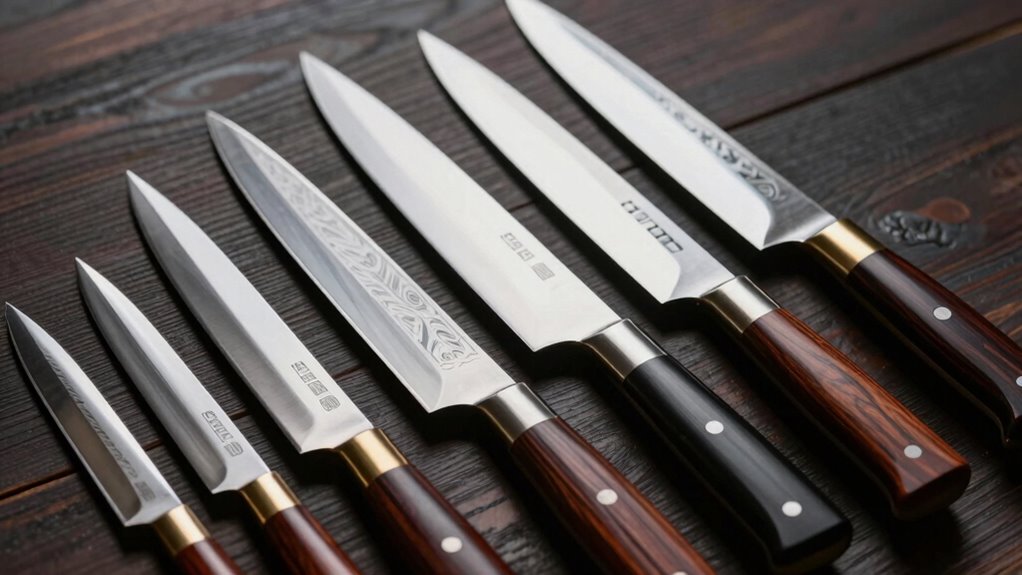

Searching for the best Japanese knife brands can feel overwhelming, given the variety of craftsmanship, steel types, and price points. The Yoshihiro VG10 Damascus Gyuto stands out as the best overall choice for its combination of quality and tradition, while the Shun Premier offers a premium experience for serious cooks. For those on a budget, brands like PAUDIN Nakiri deliver great value without compromising too much on performance. The main tradeoffs involve balancing craftsmanship, steel quality, and price—higher-end brands generally offer better performance but at a higher cost. Continue reading for a detailed breakdown of these brands and what makes each one unique.

Get business pricing on tools and workshop supplies
- Business-only prices and quantity discounts
- Tax-exempt purchasing
- Multiple users, one account, clear invoices
Complete the kit


Key Takeaways
- The top brands blend traditional Japanese forging techniques with modern steel technology for superior edge retention.
- Price varies widely, with premium brands offering craftsmanship and steel quality that justify their higher costs.
- Many brands excel in specific knife types, like Gyuto or Nakiri, so choosing based on your primary cooking tasks is key.
- Build quality and handle ergonomics are just as important as steel type for daily comfort and durability.
- Brand reputation often correlates with consistent quality, but smaller artisan brands can surprise with unique craftsmanship.
| Kagayaki CarboNext KC-10 Japanese Sujihiki Knife, 11.8-Inch (300mm) |  | Best for Precision Slicing with Hand-Ground Craftsmanship | Blade Length: 11.8 inches (300mm) | Steel: CarboNext carbon steel | Hardness: HRc 59-61 | VIEW ON AMAZON | See Our Full Breakdown |
| Miyabi Birchwood SG2 Japanese Chef’s Knife, 8-inch |  | Best for Artisanal Precision and Visual Elegance | Blade Length: 8 inches | Steel: SG2 micro carbide powder | Layers: 100-layer Damascus | VIEW ON AMAZON | See Our Full Breakdown |
| 8-inch Japanese Chef Knife, Razor Sharp Hand-Forged Damascus VG10 Steel Core |  | Best for Luxurious Handcrafted Versatility | Blade Length: 8 inches | Steel Type: VG10 Damascus steel | Layers: 67 layers | VIEW ON AMAZON | See Our Full Breakdown |
| PAUDIN Nakiri Knife, 7-Inch High Carbon Stainless Steel Vegetable Kitchen Knife with Ergonomic Handle |  | Best for Everyday Vegetable Prep & Value | Blade Length: 7 inches | Steel: 5Cr15Mov high carbon stainless steel | Hardness: 56+ HRC | VIEW ON AMAZON | See Our Full Breakdown |
| Santoku Knife Premium, Japanese Kitchen Knife, Made in Japan |  | Best for All-Purpose Versatility with Comfort | Handle Material: Stainless steel | Blade Type: Santoku | Origin: Japan | VIEW ON AMAZON | See Our Full Breakdown |
| Kagayaki CarboNext Japanese Chef’s Knife, 8.2-Inch (210mm) Gyuto |  | Best Overall for Versatility and Craftsmanship | Blade Length: 8.2 inches (210mm) | Steel: CarboNext tool steel | Hardness: HRc 59-61 | VIEW ON AMAZON | See Our Full Breakdown |
| HOSHANHO 8-Inch Chef’s Knife – Japanese High Carbon Steel, Ultra Sharp with Ergonomic Handle |  | Best for Precision and Ease of Use | Blade Material: Japanese high carbon steel (10Cr15CoMoV) | Hardness: 60 HRC | Blade Length: 8 inches | VIEW ON AMAZON | See Our Full Breakdown |
| Atumuryou Japanese Chef Knife Set, 3-Piece 67-Layer Damascus with VG10 Steel Core |  | Best for Gift-Giving and Elegant Presentation | Steel: 67-Layer Damascus with VG10 core | Hardness: 62 HRC | Pieces: 3 (8″ Chef, 7″ Santoku, 3.5″ Paring) | VIEW ON AMAZON | See Our Full Breakdown |
| Yoshihiro VG10 46-Layer Hammered Damascus Gyuto Japanese Chef’s Knife (7″ / 180mm, Octagonal Ambrosia Handle) |  | Best for Handcrafted Beauty and Precision Cutting | Blade Material: VG10 stainless steel with 46 layers | Edge Angle: Double edged | Handle Shape: Octagonal | VIEW ON AMAZON | See Our Full Breakdown |
| Shun Premier 8-Inch Chef’s Knife |  | Best for Versatile, Handcrafted Elegance | Blade Length: 8 inches | Material: VG-MAX steel with 68 layers of Damascus | Handle: Pakkawood | VIEW ON AMAZON | See Our Full Breakdown |
| SHAN ZU 8 Inch Japanese Chef Knife – 9-Layer 10Cr15MoV High Carbon Steel Kiritsuke Knife with Red Sandalwood Handle |  | Best Overall | Blade Length: 8 inches | Steel Core: 10Cr15MoV Japanese high carbon steel | Construction: 9-layer forged | VIEW ON AMAZON | See Our Full Breakdown |
| Shan Zu Brisket Slicing Knife, 11.6 Inch Carving Knife Japanese Steel |  | Best for Large Cuts | Blade Length: 11.6 inches | Material: Japanese G5 (10Cr15Mov) Stainless Steel | Hardness: 62 HRC | VIEW ON AMAZON | See Our Full Breakdown |
| Yoshihiro VG10 46 Layers Hammered Damascus Gyuto Japanese Chef’s Knife (8.25″ / 210mm) with Octagonal Shitan Rosewood Handle |  | Best for Aesthetics and Versatility | Blade Material: VG10 Stainless Steel | Edge Angle: Double Edged | Grade: Hammered Damascus | VIEW ON AMAZON | See Our Full Breakdown |
| japanese knife brand | Blade Length | Hardness | Handle Material |
|---|---|---|---|
| Kagayaki CarboNext KC-10 Japan | 11.8 inches (300mm) | HRc 59-61 | — |
| Miyabi Birchwood SG2 Japanese | 8 inches | — | Karelian Birch |
| 8-inch Japanese Chef Knife | 8 inches | 62 HRC | Stabilized wood with resin |
| PAUDIN Nakiri Knife | 7 inches | 56+ HRC | Pakkawood |
| Santoku Knife Premium | — | — | Stainless steel |
| Kagayaki CarboNext Japanese Ch | 8.2 inches (210mm) | HRc 59-61 | — |
| HOSHANHO 8-Inch Chef’s Knife | 8 inches | 60 HRC | Wood |
| Atumuryou Japanese Chef Knife | — | 62 HRC | — |
| Yoshihiro VG10 46-Layer Hammer | — | — | Ambrosia |
| Shun Premier 8-Inch Chef’s Kni | 8 inches | — | — |
| SHAN ZU 8 Inch Japanese Chef K | 8 inches | 62 HRC | — |
| Shan Zu Brisket Slicing Knife | 11.6 inches | 62 HRC | Pakkawood |
| Yoshihiro VG10 46 Layers Hamme | 8.25 inches (210mm) | — | Shitan Rosewood |
More Details on Our Top Picks
Kagayaki CarboNext KC-10 Japanese Sujihiki Knife, 11.8-Inch (300mm)
This sujihiki from Kagayaki stands out for its hand-ground construction in Seki City, offering a level of craftsmanship that appeals to serious home chefs and professionals alike. Compared with the Miyabi SG2 Chef’s Knife, the CarboNext excels in ease of maintenance thanks to its improved rust resistance, making it more practical for regular use. The convex Hamaguri-ba grind ensures clean, effortless cuts with minimal resistance, ideal for slicing delicate proteins or vegetables. However, it lacks the decorative Damascus pattern of the Miyabi or Shun models, which may appeal more to aesthetic enthusiasts. The full tang and pakkawood handle give it durability and comfort, but it requires wiping dry after use to prevent corrosion. This pick makes the most sense for those who prioritize high-quality, hand-crafted Japanese slicing tools that balance performance with ease of care.
Pros:- Hand-ground by experienced craftsmen in Seki City, Japan
- Easier to maintain than traditional carbon steel with rust resistance
- Convex grind enables clean, low-resistance cuts
- Honest full-tang construction for durability
Cons:- Requires wiping dry after use to prevent corrosion
- No Damascus pattern or decorative finish
Best for: Professional chefs or serious home cooks focused on precision slicing and high craftsmanship
Not ideal for: Casual cooks or those looking for a visually ornate knife with decorative finishes, as it emphasizes function over aesthetics
- Blade Length:11.8 inches (300mm)
- Steel:CarboNext carbon steel
- Hardness:HRc 59-61
- Grind:Hamaguri-ba convex, double bevel (60/40)
- Handle:Black pakkawood, full tang
- Bolster:Stainless
- Origin:Seki City, Japan
Our verdict“This sujihiki is perfect for those seeking a high-performance, hand-crafted slicing knife that balances precision with ease of maintenance.”
Miyabi Birchwood SG2 Japanese Chef’s Knife, 8-inch
This Miyabi chef’s knife distinguishes itself through its stunning 100-layer flower Damascus pattern and the ultra-hard SG2 micro carbide powder steel, making it ideal for precise, delicate cuts. Compared to the Kagayaki sujihiki, the Miyabi offers a more refined aesthetic and a thinner profile, which enhances slicing accuracy, especially for fine ingredients. Its hand-honed Honbazuke edge at a 9.5-12 degree angle guarantees sharpness retention, but this thinness and hard steel mean it demands careful maintenance to prevent chipping—especially for heavy-duty chopping. The Karelian birch handle adds to its luxurious look, but it may not withstand rougher kitchen environments as well as full-tang, more utilitarian options. This knife is best suited for culinary enthusiasts who appreciate artful craftsmanship and precision, not for those who need a rugged, all-purpose workhorse.
Pros:- Exceptional steel hardness holds a sharp edge longer
- Beautiful 100-layer Damascus pattern and birch handle
- Thin blade profile for precise, delicate cuts
- Hand-honed Honbazuke finish for sharpness
Cons:- Requires careful maintenance to prevent chipping
- Premium price point limits accessibility
- Thin blade less suitable for heavy-duty chopping
Best for: Home chefs and collectors who value aesthetic beauty and precise cutting ability
Not ideal for: Heavy users or those needing a durable, multi-purpose knife for daily demanding tasks
- Blade Length:8 inches
- Steel:SG2 micro carbide powder
- Layers:100-layer Damascus
- Edge Angle:9.5 to 12 degrees
- Handle Material:Karelian Birch
- Origin:Seki, Japan
Our verdict“This Miyabi SG2 chef’s knife is ideal for those who want a visually stunning, high-precision tool for fine culinary work and display.”
8-inch Japanese Chef Knife, Razor Sharp Hand-Forged Damascus VG10 Steel Core
This handcrafted VG10 Damascus chef’s knife offers an excellent blend of sharpness, durability, and aesthetic appeal. Its 67-layer construction and HRC 62 hardness provide a high level of edge retention, comparable to the Miyabi but with a more versatile full tang design that balances weight and control. The ergonomic handle enhances comfort during extended use, making it suitable for those who cook intensively. Compared with the Miyabi SG2, this VG10 knife is slightly more forgiving regarding maintenance and chipping, thanks to its slightly softer steel. The included leather sheath adds a touch of luxury and protection, ideal for gifting or display. Nonetheless, as a hand-forged piece, it requires careful cleaning and storage. This knife is perfect for enthusiasts seeking a handcrafted, durable, and visually striking all-purpose kitchen tool.
Pros:- High-quality VG10 Damascus steel with 67 layers for durability and beauty
- Ergonomic handle for comfortable extended use
- Handcrafted with a leather sheath for elegance
- Exceptional sharpness and corrosion resistance
Cons:- Requires careful maintenance to prevent damage
- Premium cost may be prohibitive for casual users
- Leather sheath needs conditioning over time
Best for: Home cooks who want a high-quality, handcrafted knife with a luxurious presentation and versatile use
Not ideal for: People seeking a low-maintenance or budget-friendly option, as premium materials come with higher care needs
- Blade Length:8 inches
- Steel Type:VG10 Damascus steel
- Layers:67 layers
- Hardness:62 HRC
- Handle Material:Stabilized wood with resin
- Includes:Genuine leather sheath
Our verdict“This handcrafted VG10 Damascus chef’s knife offers a luxurious combination of craftsmanship, durability, and versatility for dedicated home chefs.”
PAUDIN Nakiri Knife, 7-Inch High Carbon Stainless Steel Vegetable Kitchen Knife with Ergonomic Handle
The PAUDIN nakiri offers a practical, budget-friendly option for vegetable prep, with a 7-inch blade made from 5Cr15Mov high carbon stainless steel. Its hardness of 56+ HRC ensures a sharp edge that re-sharpens easily, making it suitable for frequent use. Compared to the more ornate Miyabi or premium VG10 knives, the PAUDIN emphasizes function over luxury, with a simple but comfortable pakkawood handle that balances well. While its wave pattern on the blade looks attractive, it’s purely aesthetic, as the steel is not Damascus. This makes it less delicate than hand-forged Damascus blades but also less refined for complex slicing. It’s an excellent choice for home cooks seeking a reliable, easy-to-maintain vegetable knife without the expense of high-end materials.
Pros:- Razor-sharp edge for effortless slicing
- Rust-proof, durable stainless steel blade
- Ergonomic pakkawood handle for comfortable grip
- Easy to re-sharpen and maintain
Cons:- Blade is not Damascus or a premium steel, limiting longevity for heavy use
- Wave pattern is purely aesthetic and does not impact performance
Best for: Home cooks needing a reliable, easy-to-use vegetable knife for everyday kitchen tasks
Not ideal for: Chefs looking for a premium or handcrafted aesthetic, or those requiring a multi-purpose knife for heavy-duty tasks
- Blade Length:7 inches
- Steel:5Cr15Mov high carbon stainless steel
- Hardness:56+ HRC
- Handle Material:Pakkawood
- Model Number:K15AC
- Warranty:100% satisfaction or money back policy
Our verdict“This nakiri offers dependable vegetable prep for everyday cooking at an accessible price point, making it ideal for casual home cooks.”
Santoku Knife Premium, Japanese Kitchen Knife, Made in Japan
This santoku knife offers a balanced, all-around solution for everyday kitchen tasks, with a textured stainless steel handle that enhances grip and control. Unlike the more specialized sujihiki or gyuto, the santoku is designed for a variety of ingredients, including vegetables, meat, and fish. Its hand-honed blade combines sharpness with durability, suitable for slicing and dicing with ease. Compared with the Miyabi or Kagayaki options, this knife emphasizes comfort and control over intricate craftsmanship or high-performance steel, making it accessible for casual cooks or those who prefer a lighter, more maneuverable knife. Its well-balanced design helps reduce hand fatigue, but the lack of detailed specs and blade size info might be a limitation for serious users seeking precise dimensions. This is best for general use in a busy home kitchen that values simplicity and comfort.
Pros:- Textured handle improves grip and control
- Sharp, hand-honed blade for everyday precision
- Well-balanced for reduced hand fatigue
- Made in Japan with quality standards
Cons:- Limited details on blade size or weight
- No specific price or steel type info provided
- Less specialized for fine slicing or heavy-duty tasks
Best for: Home cooks who want a versatile, comfortable knife for daily use across various ingredients
Not ideal for: Professional chefs or collectors seeking highly specialized or premium-grade knives with intricate craftsmanship
- Handle Material:Stainless steel
- Blade Type:Santoku
- Origin:Japan
Our verdict“This santoku provides reliable, comfortable all-purpose performance for everyday kitchen needs, especially for casual cooks.”
Kagayaki CarboNext Japanese Chef’s Knife, 8.2-Inch (210mm) Gyuto
This Gyuto stands out for combining traditional hand-ground craftsmanship with modern steel technology. Its CarboNext tool steel offers a rare blend of edge retention akin to carbon steel, but with improved rust resistance—making it more practical than the high-maintenance options like the Yoshihiro VG10 46-Layer Damascus Gyuto. The convex Hamaguri-ba grind ensures smooth, low-resistance cuts across a variety of ingredients, which makes it an excellent multipurpose knife. Compared to the Shun Premier, it lacks a Damascus pattern and premium aesthetic finishes, but it compensates with superior edge retention and craftsmanship. The full tang and pakkawood handle provide excellent balance, although the need to wipe the blade dry after use adds a minor maintenance step. This pick is ideal for serious home cooks and professional chefs seeking a durable, versatile knife that balances performance with traditional artistry.
Pros:- Carbon steel sharpness and edge retention with improved rust resistance
- Hand-ground by craftsmen in Seki City, Japan’s knife-making capital
- Convex grind produces clean, single-stroke cuts with minimal resistance
- Versatile for meat, fish, vegetables, and fruit
Cons:- Requires wiping dry after use to prevent rust
- No Damascus pattern or premium aesthetic finishes
Best for: Cooks who want a high-performance, multipurpose Gyuto with traditional hand-ground quality
Not ideal for: Users seeking a low-maintenance, stainless steel knife with no rust worries
- Blade Length:8.2 inches (210mm)
- Steel:CarboNext tool steel
- Hardness:HRc 59-61
- Edge:Double bevel (60/40), Hamaguri-ba convex grind
- Handle:Black pakkawood
- Tang:Full tang
- Origin:Seki City, Japan
Our verdict“This knife is best suited for dedicated cooks who prioritize craftsmanship and versatility in a single, durable tool.”
HOSHANHO 8-Inch Chef’s Knife – Japanese High Carbon Steel, Ultra Sharp with Ergonomic Handle
This HOSHANHO knife excels in delivering exceptional sharpness thanks to Japanese 10Cr15CoMoV high carbon steel, which is a step above many standard stainless options. Its hand-sharpened 13-degree per side edge ensures precise slicing and chopping, rivaling the Shun Premier in cutting performance. The ergonomic handle with a sloped bolster promotes safer, more controlled cuts, making it a comfortable choice for extended prep sessions. While it offers a high hardness of 60 HRC, which contributes to its edge-holding ability, its high carbon steel requires diligent maintenance to prevent rust—more than stainless steel alternatives like the Yoshihiro VG10 Damascus Gyuto. It’s ideal for serious home cooks who value sharpness and comfort, but those unwilling to commit to regular cleaning should consider stainless options.
Pros:- Made of high-hardness Japanese high carbon steel (60 HRC) for excellent sharpness
- Hand-sharpened 13-degree edge handles slicing, dicing, and chopping with ease
- Ergonomic wood handle with sloped bolster promotes a safer, comfortable pinch grip
- Includes a gift box, making it suitable as a premium present
Cons:- High carbon steel may require more care to prevent rust
- Only one knife included; not a set
Best for: Home chefs seeking a highly sharp, comfortable knife for daily use with a focus on precision
Not ideal for: Users seeking a low-maintenance knife that requires minimal care and cleaning
- Blade Material:Japanese high carbon steel (10Cr15CoMoV)
- Hardness:60 HRC
- Blade Length:8 inches
- Edge Angle:13 degrees per side
- Handle Material:Wood
- Included Components:Knife, gift box
Our verdict“This knife is perfect for cooks who prioritize edge sharpness and comfort, but are prepared for regular maintenance.”
Atumuryou Japanese Chef Knife Set, 3-Piece 67-Layer Damascus with VG10 Steel Core
This 3-piece set offers a stunning combination of beauty and function, with each blade forged from 67 layers of Damascus steel surrounding a durable VG10 core. The 62 HRC hardness ensures excellent edge retention, comparable to high-end single-steel knives like the Yoshihiro Damascus Gyuto. The full-tang construction and unique stabilized wood and ocean-blue resin handles add a touch of luxury, while the included set—an 8-inch chef, 7-inch Santoku, and 3.5-inch paring knife—cover most kitchen tasks. Its intricate Damascus patterns make it more delicate than simpler stainless models, requiring careful maintenance. This set makes a striking gift for culinary enthusiasts or collectors who value aesthetics alongside performance, though it’s heavier and pricier than basic options.
Pros:- Razor-sharp VG10 steel core with 67-layer Damascus for durability and beauty
- Full tang construction for balance and control
- Elegant stabilized wood and ocean-blue resin handles
- Includes a complete, versatile set in a premium gift box
Cons:- Damascus steel requires careful maintenance to prevent corrosion
- Heavier investment than basic kitchen knives
Best for: Gifting or collectors who want a visually stunning yet functional set
Not ideal for: Everyday cooks seeking low-cost, low-maintenance knives for routine use
- Steel:67-Layer Damascus with VG10 core
- Hardness:62 HRC
- Pieces:3 (8″ Chef, 7″ Santoku, 3.5″ Paring)
- Handle:Stabilized wood and ocean-blue resin
- Edge:12° per side
- Origin:Japan
Our verdict“This set is ideal for those who appreciate craftsmanship and aesthetics in their kitchen tools, with performance matching its beauty.”
Yoshihiro VG10 46-Layer Hammered Damascus Gyuto Japanese Chef’s Knife (7″ / 180mm, Octagonal Ambrosia Handle)
This handcrafted Gyuto features 46 layers of Damascus steel with a VG10 core, offering both visual appeal and sharp cutting performance. Its octagonal Ambrosia handle provides an ergonomic grip, similar to the Shun Premier, but with a more traditional aesthetic. The hammered finish reduces drag during slicing, while the included wooden Saya offers safe storage. While it excels in slicing and dicing, it demands careful sharpening with water stones and meticulous hand-washing to preserve the Damascus layers—similar to the maintenance needed for the Atumuryou Damascus set. It’s best suited for dedicated home cooks and collectors who value artisanal craftsmanship over low-cost durability. It’s not designed for heavy-duty tasks like cutting bones or frozen foods, which could damage the delicate layers.
Pros:- High-quality VG10 Damascus steel with 46 layers for durability and beauty
- Ergonomic octagonal Ambrosia handle offers comfortable grip
- Includes protective wooden Saya for storage
- Suitable for slicing, dicing, and delicate tasks
Cons:- Requires careful sharpening and hand wash
- Not suitable for heavy-duty tasks or frozen foods
- Higher maintenance compared to stainless steel knives
Best for: Cooks who want a handcrafted, beautiful knife for precise tasks and display
Not ideal for: Users looking for a low-maintenance, all-purpose workhorse for heavy kitchen use
- Blade Material:VG10 stainless steel with 46 layers
- Edge Angle:Double edged
- Handle Shape:Octagonal
- Handle Material:Ambrosia
- HRC:60
- Made in:Japan
Our verdict“This knife is perfect for artisans and collectors seeking a handcrafted piece that excels in precision and aesthetics, with some added care.”
Shun Premier 8-Inch Chef’s Knife
The Shun Premier 8-inch Chef’s Knife combines traditional Japanese craftsmanship with modern Damascus-clad steel, making it a versatile choice for home cooks. Its VG-MAX core with 68 layers of Damascus cladding offers excellent edge retention and a striking hammered finish that reduces food sticking. Compared to handcrafted options like the Yoshihiro Damascus Gyuto, it emphasizes ease of maintenance and consistent performance, though at a premium price. The Pakkawood handle provides a comfortable, secure grip, but requires care to avoid cracking or drying out. While not as artisanal as some handcrafted knives, it balances beauty, performance, and ease of use, making it suitable for cooks who want a reliable all-rounder.
Pros:- Excellent sharpness and edge retention with VG-MAX steel and Damascus layers
- Beautiful hammered finish reduces sticking
- Comfortable Pakkawood handle for precise control
- Handcrafted in Japan with traditional techniques
Cons:- Premium price may be prohibitive for some
- Requires careful handling for longevity
- Less unique than fully handcrafted artisanal knives
Best for: Home cooks seeking a durable, versatile, and visually appealing kitchen knife
Not ideal for: Professional chefs needing a high-end custom or ultra-lightweight blade
- Blade Length:8 inches
- Material:VG-MAX steel with 68 layers of Damascus
- Handle:Pakkawood
- Finish:Hammered tsuchime
- Edge:Double edged
Our verdict“This knife is well-suited for home chefs who want a reliable, beautiful, and versatile Japanese chef’s knife with a touch of elegance.”
SHAN ZU 8 Inch Japanese Chef Knife – 9-Layer 10Cr15MoV High Carbon Steel Kiritsuke Knife with Red Sandalwood Handle
This SHAN ZU 8-inch gyuto stands out for its impressive 9-layer forged construction, combining durability with a high-carbon Japanese steel core hardened to 62 HRC. Compared with the Miyabi Birchwood, which emphasizes refined aesthetics, this model offers more robust edge retention suitable for daily professional use. The ergonomic octagonal red sandalwood handle provides excellent control and reduces fatigue, making it ideal for long prep sessions. Its matte finish minimizes fingerprints, maintaining a clean look. However, the high carbon content means it demands careful maintenance to prevent rust, and it lacks a sheath, which could be inconvenient for storage or gifting. This pick makes the most sense for serious home cooks or chefs seeking a durable, sharp knife with premium presentation.
Pros:- 9-layer forged construction with a 62 HRC steel core for excellent durability and edge retention
- Ergonomic octagonal red sandalwood handle reduces hand fatigue during prolonged use
- Matte finish resists fingerprints and food residue
Cons:- High carbon steel core needs careful maintenance to prevent corrosion
- No protective sheath included, increasing risk of damage or difficulty storing safely
Best for: Professional chefs or avid home cooks who want a durable, high-performance knife with luxury appeal.
Not ideal for: Casual users or those uncomfortable with high-maintenance steel; it requires regular cleaning and careful storage.
- Blade Length:8 inches
- Steel Core:10Cr15MoV Japanese high carbon steel
- Construction:9-layer forged
- Hardness:62 HRC
- Blade Angle:12°
- Handle:Ergonomic octagonal red sandalwood
- Finish:Matte
- Included:Gift box
- Best Sellers Rank:#1 in Sashimi Knives
Our verdict“A top choice for professionals or enthusiasts seeking a visually stunning, durable, and sharp Japanese chef’s knife.”
Shan Zu Brisket Slicing Knife, 11.6 Inch Carving Knife Japanese Steel
This Shan Zu 11.6-inch brisket slicing knife is tailored for precise meat slicing, thanks to its long blade made from Japanese G5 stainless steel with a 62 HRC hardness. Compared to the shorter Yoshihiro VG10 Damascus gyuto, which excels at versatile kitchen tasks, this knife prioritizes long, clean cuts with minimal resistance—perfect for carving large meats. The ergonomic pakkawood handle offers comfort and control, though it may not appeal to those preferring synthetic grips. Its matte finish adds a stylish tough look but requires careful maintenance to prevent rust. Without a sheath, storage is less straightforward, especially if you handle it frequently. This knife is best suited for chefs and serious home cooks focusing on meat preparation, who value durability and precision over multi-purpose versatility.
Pros:- High-quality Japanese G5 stainless steel with a 62 HRC hardness for durability and edge retention
- Long 11.6-inch blade designed for precise slicing of large cuts of meat
- Ergonomic pakkawood handle provides comfort and control
Cons:- Requires careful maintenance to prevent rust due to high-carbon steel
- Handle material may be less suitable for those preferring synthetic grips
Best for: Butchers, barbecue enthusiasts, or chefs who regularly carve large roasts or briskets.
Not ideal for: Casual cooks or those who need a multi-purpose knife, as its length and focus on slicing may limit versatility.
- Blade Length:11.6 inches
- Material:Japanese G5 (10Cr15Mov) Stainless Steel
- Hardness:62 HRC
- Blade Finish:Matte
- Handle Material:Pakkawood
- Edge Angle:12°
Our verdict“An excellent choice for those who need a dedicated, long slicing knife for large meats and want durability with a comfortable grip.”
Yoshihiro VG10 46 Layers Hammered Damascus Gyuto Japanese Chef’s Knife (8.25″ / 210mm) with Octagonal Shitan Rosewood Handle
This Yoshihiro VG10 Damascus gyuto combines beauty with performance, featuring 46 hammered Damascus layers over a VG10 core, which enhances its durability and reduces food sticking. Compared to the SHAN ZU model, which emphasizes modern forging techniques, this knife offers a traditional handcrafted aesthetic with a beautiful hammered finish that appeals to collectors and enthusiasts. The octagonal Shitan Rosewood handle provides an ergonomic grip, making it comfortable for varied kitchen tasks. Its VG10 core ensures excellent edge retention, though it demands careful sharpening with water stones. The included Magnolia sheath offers convenient storage but adds to the maintenance routine. This knife is best suited for home cooks or professionals who value craftsmanship, aesthetics, and versatile performance, but not for heavy-duty tasks like cutting bones or frozen foods.
Pros:- High-quality VG10 steel core with 46-layer Damascus construction for excellent durability and visual appeal
- Hammered finish reduces food sticking and enhances cutting efficiency
- Traditional octagonal Shitan Rosewood handle offers ergonomic comfort
Cons:- Requires careful sharpening with water whetstones to maintain edge sharpness
- Hand wash only to preserve blade integrity
Best for: Cooks who appreciate handcrafted, aesthetically striking knives for versatile kitchen use and occasional professional application.
Not ideal for: Those who frequently cut through bones or frozen ingredients, as the VG10 steel can chip or dull with heavy-duty use.
- Blade Material:VG10 Stainless Steel
- Edge Angle:Double Edged
- Grade:Hammered Damascus
- Handle Shape:Octagonal
- Handle Material:Shitan Rosewood
- Blade Length:8.25 inches (210mm)
- Made in:Japan
- Includes:Knife, Sheath
Our verdict“Ideal for enthusiasts who value craftsmanship, aesthetics, and versatile kitchen performance over heavy-duty cutting tasks.”

How We Picked
These products were selected based on a combination of factors including steel quality, craftsmanship, brand reputation, and user feedback. We prioritized knives that demonstrate a balance of sharpness, edge retention, and ease of maintenance, ensuring they suit both professional and home chefs. Price point was also considered to provide options across different budgets, with an emphasis on value for money. The ranking reflects how well each brand performs in relation to its price, durability, and overall quality, helping buyers find the best fit for their specific needs.Factors to Consider When Choosing Japanese Knife Brands
Choosing a Japanese knife brand involves more than just looking at steel type or price. To make a smart purchase, consider the knife’s intended use, how comfortable it feels in your hand, and the level of craftsmanship involved. These factors influence performance, longevity, and your overall satisfaction in the kitchen, so understanding each can help you avoid common pitfalls like overpaying for features you don’t need or selecting a knife that isn’t suited to your cooking style.Steel Type and Edge Retention
Steel quality is fundamental to a Japanese knife’s performance. High-carbon steels like VG10 or AUS-10 typically offer excellent edge retention and sharpness, but can be more prone to rust if not properly cared for. Modern stainless steels have improved corrosion resistance while maintaining good sharpness. Recognizing the tradeoff between ease of maintenance and cutting performance helps you pick a knife that suits your kitchen environment and cleaning habits.
Craftsmanship and Construction
Japanese knives are often hand-forged, which enhances their durability and aesthetic appeal. Well-made knives feature layered Damascus patterns or a full-tang construction, indicating quality craftsmanship. Cheaper, mass-produced options may lack this finesse, affecting longevity and balance. Investing in a well-crafted knife ensures better edge stability and a more comfortable grip over many years, but it usually comes at a higher price.
Handle Ergonomics and Balance
An ergonomic handle reduces fatigue during extended use and improves control. Traditional Japanese knives often feature D-shaped or octagonal handles made of wood, which can feel more natural but may require more maintenance. Consider your hand size and grip preference when choosing a handle style. A well-balanced knife minimizes strain and improves precision, especially during lengthy prep work.
Price and Value
Prices for Japanese knives range from budget-friendly to premium. While higher-end brands justify their cost with superior materials and craftsmanship, entry-level options can still perform well for casual cooks. Be wary of paying extra for branding alone; focus on the quality of steel and construction. Finding a balance between cost and performance ensures you get a knife that lasts without overspending on unnecessary features.
Maintenance and Care
Proper care extends the life of your Japanese knife. Many high-quality knives require hand-washing and regular honing. Some steels are more rust-prone and need oiling or drying immediately after cleaning. Understanding the maintenance requirements of your chosen brand helps prevent damage and keeps your knife performing at its best over time. Investing in a good honing rod can significantly prolong its sharpness between professional sharpenings.
Frequently Asked Questions
Should I choose a Japanese knife with a Western-style handle?
Western-style handles tend to be more familiar and comfortable for many users, especially those new to Japanese knives. They often provide better grip stability and are easier to maintain, making them a practical choice for everyday use. However, traditional Japanese handles—like D-shaped or octagonal wood—offer a different feel that some professionals prefer for their balance and aesthetic. Ultimately, the choice depends on your comfort and handling preferences.
Are high-end Japanese knives worth the investment?
High-end Japanese knives often feature superior steel, craftsmanship, and edge retention, which can justify their higher price for serious cooks or professionals. They tend to stay sharper longer and are more durable if properly cared for. However, for casual home use, a mid-range knife can perform almost as well without the hefty price tag. Consider your frequency of use and willingness to maintain the knife before investing in premium brands.
Can I use a Japanese knife for all types of kitchen tasks?
Japanese knives are designed for specific tasks, such as slicing, dicing, or chopping. For example, a Gyuto is versatile but excels at slicing meat and vegetables, while a Nakiri is ideal for vegetable prep. Using the right knife for each task not only improves efficiency but also prolongs the knife’s lifespan. While many Japanese knives are versatile, matching the knife to your typical cooking routines yields the best results.
How often should I sharpen my Japanese knife?
The frequency of sharpening depends on usage and steel type, but generally, high-quality Japanese knives need sharpening every few months if used regularly. Regular honing can maintain the edge between sharpenings. Using a professional sharpening service or a honing rod designed for Japanese knives ensures the edge stays precise without removing excessive material. Proper maintenance preserves performance and extends the life of your investment.
Is it better to buy directly from Japanese brands or through local distributors?
Buying directly from Japanese brands can ensure authenticity and access to the full range of products, including limited editions or artisan knives. However, reputable local distributors often provide better customer service, warranties, and easier returns. Consider the seller’s reputation and customer reviews, especially if purchasing online. Authenticity matters for maintaining quality, so verify that the seller is authorized if buying outside Japan.
Conclusion
If you’re a professional chef or serious home cook willing to invest in craftsmanship, the Yoshihiro VG10 Damascus Gyuto makes an excellent overall choice. Budget-conscious buyers should consider brands like PAUDIN Nakiri for reliable performance without breaking the bank. For those seeking a luxury experience, the Shun Premier or Yoshihiro Damascus line deliver premium steel and craftsmanship. Beginners or casual cooks should prioritize comfort and ease of maintenance, often found in mid-range brands. Ultimately, selecting the right Japanese knife brand depends on your cooking style, budget, and how much effort you want to dedicate to care and maintenance.
Fall yard work Picks
leaf blowers
As an affiliate, we earn on qualifying purchases.