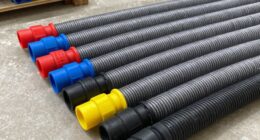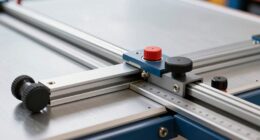
For the best downdraft sanding table inserts, I recommend considering models that fit well with your equipment and maximize dust collection. Look for inserts made from durable materials like aluminum or heavy-duty plastics, which resist warping and offer lasting performance. Ensuring proper size and fit helps prevent dust leaks and improves efficiency. If you want a reliable filter solution that keeps your workspace cleaner and supports your sanding tasks, keep going for more detailed options.
Key Takeaways
- Ensure inserts fit standard table openings and are compatible with your dust collection system for a secure, leak-free seal.
- Choose high-quality materials like cast aluminum or reinforced plastics for durability and effective dust capture.
- Look for perforated or filter-integrated designs that maximize airflow and trap fine dust particles.
- Select adjustable or multiple size options to ensure a proper fit and versatile compatibility with different tables.
- Consider cost-to-performance ratio, prioritizing durable inserts that provide efficient dust collection at a reasonable price.
Amazon Product B07V9KWBWM
As an affiliate, we earn on qualifying purchases.
POWERTEC 11240 Sanding Sleeves for Spindle Sander (6 Sizes, Assorted Grits)
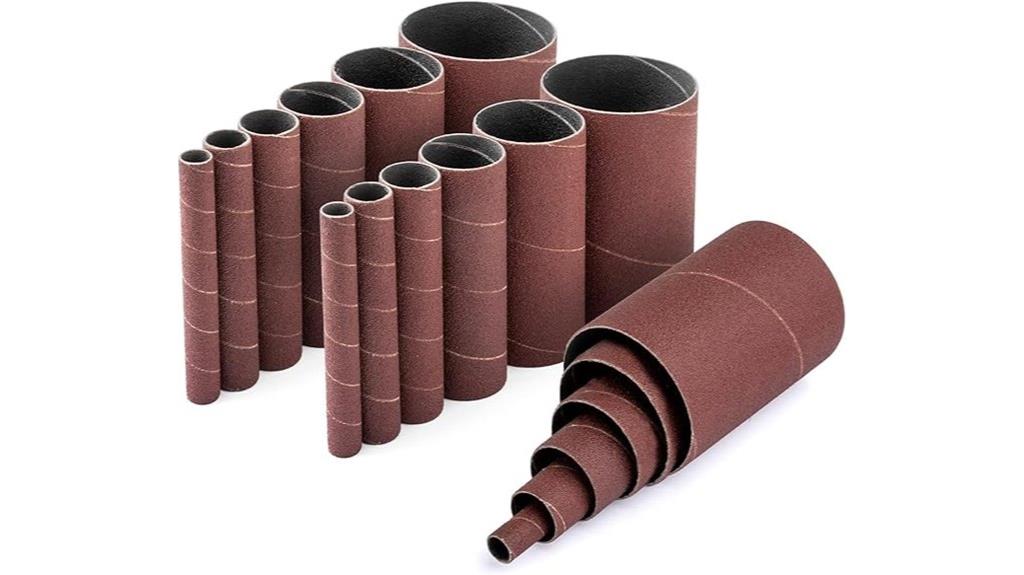
If you’re looking for versatile sanding solutions, the POWERTEC 11240 Sanding Sleeves are an excellent choice for anyone using spindle sanders. These 4.5-inch sleeves fit models from POWERTEC, Delta, Grizzly, Jet, Ryobi, Wen, and others, making them highly compatible. They come in six sizes—ranging from 1/2″ to 3″—and include three grits: 80, 120, and 240, suitable for a variety of tasks. Made from durable aluminum oxide, they resist loading and last longer. Easy to install over rubber drums, these sleeves deliver smooth operation, precise shaping, and a professional finish on wood and metal surfaces.
Best For: DIY enthusiasts and professional woodworkers seeking durable, versatile sanding sleeves compatible with various spindle sanders for detailed finishing and shaping tasks.
Pros:
- Compatible with multiple brands including POWERTEC, Delta, Grizzly, Jet, Ryobi, and Wen, offering versatile use
- Made from high-quality aluminum oxide for durability and resistance to loading
- Available in six sizes and three grits, suitable for a wide range of sanding applications
Cons:
- Designed specifically for 4.5-inch spindle sanders, limiting use with other sizes
- Grit options may require additional purchases for specialized tasks
- May need to be replaced more frequently if used extensively on hard metals or abrasive materials
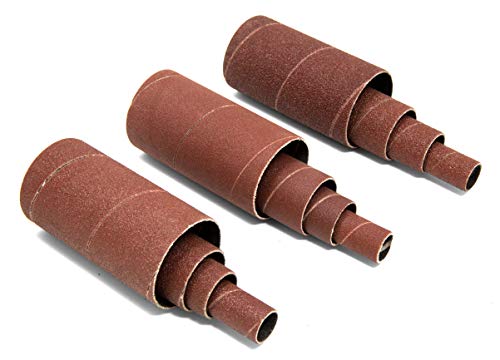
WEN 5932SPC Replacement Spindle Sanding Sleeves, Assorted Sandpaper Grits, 12 Pack
Includes four 80-grit sleeves, four 120-grit sleeves and four 240-grit sleeves
As an affiliate, we earn on qualifying purchases.
WEN 5932SPC Replacement Spindle Sanding Sleeves, 12 Pack
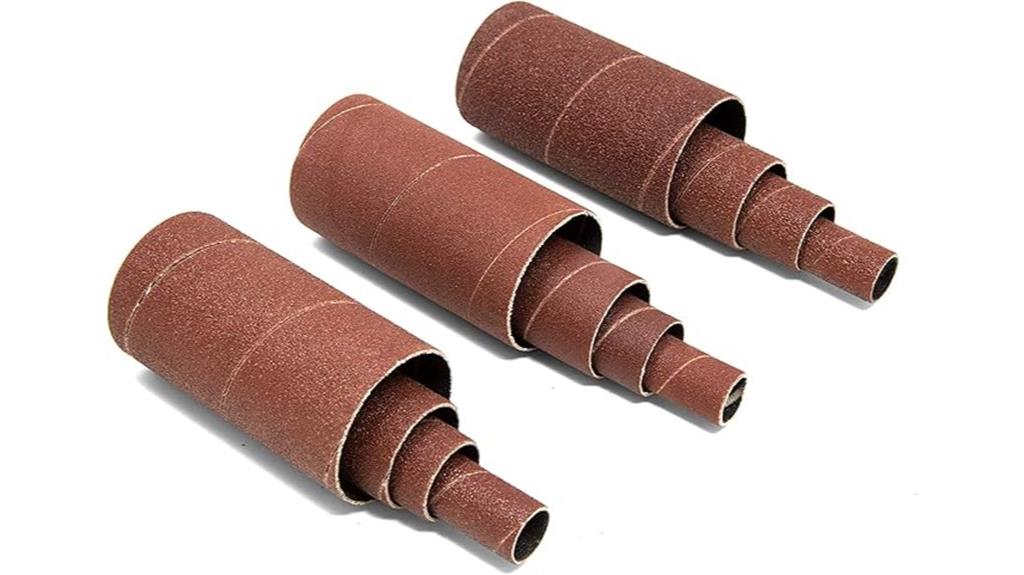
The WEN 5932SPC Replacement Spindle Sanding Sleeves, 12 Pack, offers a versatile set of sanding options perfect for users who need to tackle a variety of projects. It includes twelve sleeves in different grits—80, 120, and 240—allowing for coarse to fine sanding. Each grit comes in sizes of 1/2-inch, 3/4-inch, 1-inch, and 1-1/2-inch diameters, all measuring 3 inches long. Designed for compatibility with the WEN HA5932 oscillating spindle sander, these sleeves are ideal for material removal and resurfacing tasks, providing flexibility and efficiency for diverse sanding needs.
Best For: DIY enthusiasts and professional woodworkers seeking versatile sanding sleeves for various project needs and different material surfaces.
Pros:
- Includes a variety of grits (80, 120, 240) for coarse to fine sanding options
- Compatible with WEN HA5932 oscillating spindle sander for seamless use
- All sleeves measure 3 inches long, fitting multiple sizes for diverse applications
Cons:
- Limited to sizes of 1/2-inch, 3/4-inch, 1-inch, and 1-1/2-inch diameters
- Only suitable for use with WEN HA5932 sander, restricting compatibility with other models
- Does not include additional grit levels beyond 80, 120, and 240
Factors to Consider When Choosing Downdraft Sanding Table Inserts
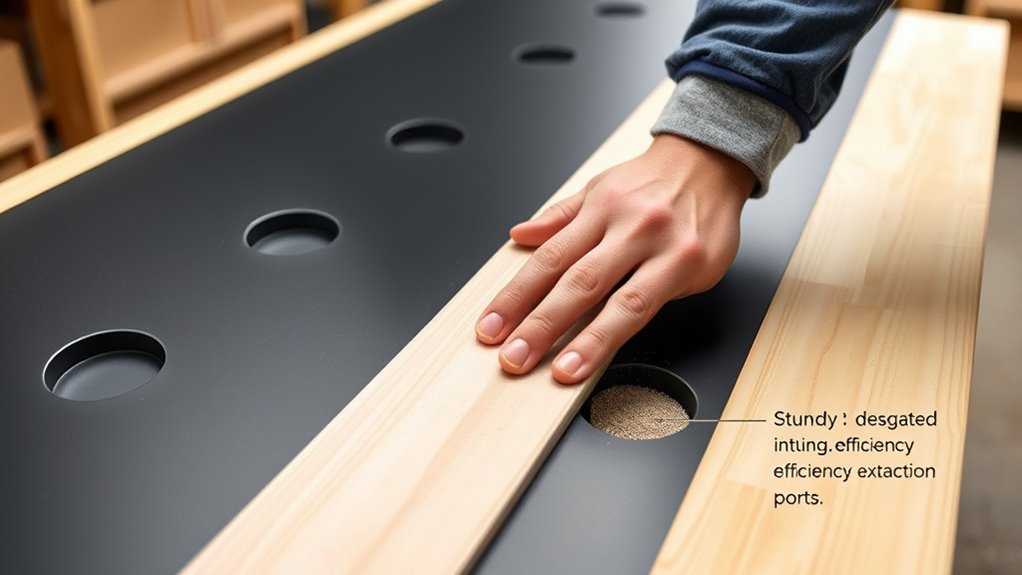
When choosing downdraft sanding table inserts, I concentrate on how well they fit my equipment and their dust collection performance. I also consider the material quality and durability to guarantee they last over time. Finally, I weigh the size options and cost to find the best balance between functionality and my budget.
Compatibility With Equipment
Choosing the right downdraft sanding table insert requires careful attention to compatibility with your equipment. First, make sure the insert’s diameter matches your table’s opening for a snug, secure fit. It’s also important to verify that the material of the insert works well with your dust collection system to prevent leaks and guarantee efficiency. Check the thickness of the insert to maintain stability and avoid gaps that could compromise dust extraction. Additionally, consider how easy it is to remove and replace the insert without damaging your table surface. Finally, confirm that the flange size is compatible with your equipment, ensuring proper sealing and attachment. These factors help guarantee your setup works seamlessly and maintains optimal dust collection performance.
Dust Collection Efficiency
Selecting the right downdraft sanding table insert directly impacts dust collection efficiency. The size and design of the insert should maximize airflow and capture dust at the source, preventing it from spreading. High-quality inserts often have perforated surfaces or integrated filters that trap fine dust particles effectively. The material also matters; aluminum or specialized composites resist clogging and maintain consistent airflow over time. Ensuring a proper seal around the insert is vital to minimize dust escape and optimize suction. Regular cleaning and maintenance are essential to prevent buildup that can reduce performance. By considering these factors—design, filtration, material, sealing, and upkeep—you can markedly improve dust collection, creating a cleaner and safer workspace while enhancing sanding efficiency.
Material Durability and Quality
The durability and quality of materials used in downdraft sanding table inserts are essential for ensuring long-lasting performance. I look for inserts made from durable materials like cast aluminum or heavy-duty plastics, which can handle frequent use without deteriorating. These materials should resist warping, cracking, and chipping to keep the surface stable over time. Dense, rigid materials also improve dust collection by preventing air leaks and ensuring proper airflow. Some high-quality inserts feature reinforced edges or metal reinforcements, adding extra resilience during sanding. Additionally, the material’s resistance to heat and chemicals from abrasives helps prevent degradation, ensuring consistent performance. Choosing a durable, high-quality material is key to maintaining an effective, long-lasting dust collection system.
Size and Fit Options
Ensuring the insert fits your downdraft sanding table properly is essential for peak performance. First, check that the insert’s dimensions match your table’s opening to guarantee a secure fit and ideal dust collection. Many inserts come in multiple sizes, so verifying compatibility with your specific model helps prevent gaps or airflow issues. Adjustable or customizable inserts are also worth considering, as they can adapt to various table sizes and shapes, providing a snug fit. Additionally, pay attention to the thickness of the insert; it should support the table surface while maintaining proper airflow. Lastly, choosing inserts with standardized measurements makes replacements or upgrades easier, saving you time and effort in the long run. Proper sizing guarantees efficient dust extraction and a safer workspace.
Cost and Budget
When choosing downdraft sanding table inserts, cost is a key factor that can influence your overall satisfaction and long-term value. Prices vary widely, from around $20 to over $100, depending on size, material, and brand. Cheaper options might use lower-quality materials, which can wear out faster or provide less effective dust collection, leading to more frequent replacements. Investing in higher-priced inserts usually means better durability, improved dust extraction, and a longer lifespan, offering better value over time. It’s important to contemplate your budget and how often you’ll use the insert. Comparing prices from different suppliers and reading reviews can help you find the best balance between cost and quality, ensuring you get a reliable product that meets your needs without overspending.
Frequently Asked Questions
How Do I Install Downdraft Sanding Table Inserts Correctly?
To install downdraft sanding table inserts correctly, I first make certain the table is unplugged and clean. Then, I align the insert with the designated opening, making sure any locking mechanisms or clips engage securely. I double-check for a snug fit, avoiding gaps that could reduce dust collection efficiency. Finally, I reconnect the power, turn on the system, and verify proper airflow before starting any sanding tasks.
What Safety Precautions Should I Follow During Sanding?
Safety should be your top priority when sanding. Always wear a dust mask and eye protection to keep harmful particles at bay. Make sure your workspace is well-ventilated, and avoid loose clothing that could get caught. Keep your hands steady and focus on what you’re doing—don’t let things go south unexpectedly. Staying alert and cautious helps you dodge accidents and keeps the job safe and smooth sailing.
Can I Use These Inserts With Different Sanding Machines?
Yes, you can use these inserts with different sanding machines, but you should verify their size and compatibility first. I recommend measuring your equipment’s opening and matching it to the insert specifications. Some inserts are versatile and fit multiple machines, but others may require adapters. Always make certain they create a tight seal for effective dust collection and safety, and follow manufacturer instructions for proper installation.
How Often Should I Replace or Clean the Inserts?
You should replace or clean your inserts whenever they’re visibly clogged or after heavy use, usually every few weeks. I’ve noticed that dirt builds up quickly, reducing efficiency, so I check mine regularly. If dust isn’t flowing smoothly or airflow feels weaker, it’s time for a cleaning or replacement. Keeping them maintained ensures your sanding table stays clean and dust-free, making your work safer and more efficient.
Are There Compatibility Issues With Specific Dust Collection Systems?
Yes, compatibility can be an issue with specific dust collection systems. I always check the insert dimensions and connection sizes to guarantee they match my system’s ports. Some inserts work only with certain brands or models, so I recommend verifying specifications before buying. If you’re unsure, contact the manufacturer or look for universal options that adapt to various systems, assuring a seamless fit and maximum dust collection.
Conclusion
In my experience, choosing the right downdraft sanding table insert is vital for a clean, efficient workspace. The POWERTEC and WEN options both shine, but it’s wise to take into account compatibility, durability, and cost. Like a trusty steed in a knight’s arsenal, the right insert makes all the difference—saving time and mess. So, weigh your needs carefully, and you’ll be well on your way to a more productive, dust-free workshop, just as craftsmen of old relied on their tools.