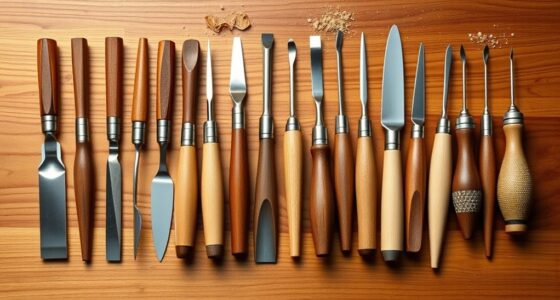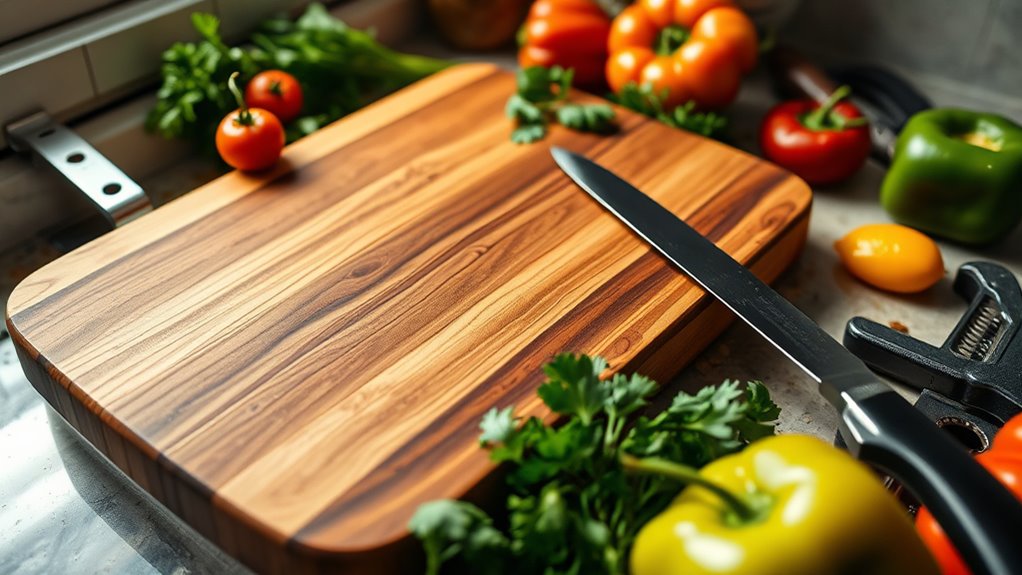
If you’re interested in creating your own cutting board, this roundup highlights the best plans available in 2026. The DIY Cutting Board stands out as the best overall choice thanks to its straightforward instructions and quality results. For those seeking versatility, the Woodworking Bible offers comprehensive plans for edge-grain, end-grain, and serving boards. A key challenge in this category is balancing ease of build with durability and food safety. Keep reading for a detailed breakdown of each plan to find the best fit for your skills and needs.

Get business pricing on tools and workshop supplies
- Business-only prices and quantity discounts
- Tax-exempt purchasing
- Multiple users, one account, clear invoices
Complete the kit

Key Takeaways
- The top-ranked plans balance simplicity with durability, making them suitable for both beginners and experienced woodworkers.
- Plans that include detailed instructions for different styles, like edge and end grain, provide more versatility and value.
- Food-safe finishes and juice grooves are common features that significantly enhance the functionality of DIY cutting boards.
- While premium plans often include downloadable PDFs and detailed tutorials, budget options can still deliver solid results with proper execution.
- The best plans clearly specify wood types and finishing techniques, reducing mistakes and improving the final product.


| cutting board plan | Format | Skill Level | Materials | Focus |
|---|---|---|---|---|
| DIY Cutting Board: An Easy Ste | Step-by-step tutorial | Beginner | Wood pieces, glue, finish | Edge grain construction |
| The Cutting Board & Serving Bo | Instruction book with plans | Intermediate | Various woods, food-safe glue, finishes | Durability and aesthetics |
| Cutting Boards Plans | Downloadable plans | Advanced | Hardwoods suitable for cutting boards | — |
| CUTTING BOARD WOODWORKING: Bui | Book with techniques and strategies | Intermediate | — | Durability, finishing, selling |
| Make Your Own Cutting Boards: | Project-based book | Intermediate | Various woods, decorative elements | — |
| Build Your First Cutting Board | Printed or PDF | Beginner | Not specified | Basic techniques |
| MTM Wood Cutting Boards Plans. | Downloadable PDF | — | — | — |
More Details on Our Top Picks
DIY Cutting Board: An Easy Step-by-Step Tutorial on Making a Beautiful Edge Grain Cutting Board
This tutorial shines for those new to woodworking, offering clear, detailed instructions that guide users in creating a custom edge grain cutting board. Unlike the more comprehensive plans in ‘The Cutting Board & Serving Board Woodworking Bible,’ this DIY guide focuses solely on the assembly process, making it ideal for hobbyists with basic tools. However, it does require some woodworking supplies and no physical product is included, so it’s not suited for those seeking ready-made boards. The step-by-step approach demystifies the process, but it’s limited to crafting and doesn’t offer design flexibility or advanced techniques. Ideal for beginners eager to learn, but not for experienced woodworkers seeking detailed finishing or multiple project options.Pros:- Clear, easy-to-follow instructions suitable for beginners
- Empowers users to create customized, attractive boards
- Cost-effective for hobbyists willing to invest in tools
Cons:- Requires woodworking tools and supplies not included
- No ready-made product or design variety provided
Best for: Beginners and DIY enthusiasts interested in learning woodworking basics
Not ideal for: Experienced woodworkers looking for complex or pre-designed plans
- Skill Level:Beginner
- Tools Needed:Basic woodworking tools
- Materials:Wood pieces, glue, finish
- Difficulty:Easy
- Format:Step-by-step tutorial
- Focus:Edge grain construction
Our verdict“A perfect starting point for newcomers wanting to craft their first custom cutting board with minimal fuss.”
The Cutting Board & Serving Board Woodworking Bible: Make Edge-Grain, End-Grain & Serving Boards – Wood Selection, Food-Safe Glue-Ups, Juice Grooves & Finishing, with 3 Complete Plans
This comprehensive guide covers multiple techniques, including edge and end grain, making it more versatile than the simpler plans in the ‘DIY Cutting Board’ tutorial. Compared with ‘Cutting Boards Plans,’ which offers basic designs, this bible dives into detailed woodworking methods, food-safe finishes, and decorative features like juice grooves. While it’s packed with valuable information, it might overwhelm beginners due to its technical depth, and it’s a plan book rather than a kit or pre-made product. The inclusion of three complete plans makes it a strong choice for those wanting to refine their skills and produce professional-looking boards. Best suited for hobbyists ready to expand their woodworking repertoire, but not for absolute beginners or those seeking quick projects.Pros:- Detailed instructions on various construction techniques
- Includes multiple project plans for variety
- Focus on food-safe glues and finishes for safe kitchen use
Cons:- Steep learning curve for beginners
- No actual physical plans or pre-cut materials included
Best for: Intermediate woodworkers aiming to master multiple cutting board styles
Not ideal for: Complete novices or those seeking ready-made cutting boards
- Skill Level:Intermediate
- Techniques Covered:Edge grain, end grain, serving boards
- Materials:Various woods, food-safe glue, finishes
- Additional Features:Juice grooves, decorative accents
- Format:Instruction book with plans
- Focus:Durability and aesthetics
Our verdict“Ideal for woodworkers eager to develop advanced skills and create diverse, functional cutting boards.”
Cutting Boards Plans
This plan set offers detailed blueprints for building high-quality edge and end grain cutting boards, making it a step up from basic tutorials like the ‘DIY Cutting Board’ guide. Unlike the more comprehensive ‘Woodworking Bible,’ this product is focused strictly on plans, providing precise measurements and construction details for seasoned woodworkers. It’s well-suited for those who prefer working from detailed blueprints rather than tutorials, but it lacks guidance on finishing or decorative features, which might limit creative options. The plans are perfect for creating professional-grade boards, though they demand familiarity with woodworking techniques. Best for experienced hobbyists or professionals looking for precise plans, but not for beginners or DIYers seeking step-by-step tutorials.Pros:- Highly detailed, precise measurements
- Suitable for professional-quality projects
- Focuses on both edge and end grain construction
Cons:- Requires advanced woodworking skills
- No instructions on finishing or decorative design
Best for: Skilled woodworkers needing detailed blueprints for quality cutting boards
Not ideal for: Beginners or DIYers without prior experience in woodworking plans
- Skill Level:Advanced
- Materials:Hardwoods suitable for cutting boards
- Blueprints Included:Yes
- Design Focus:Precision and quality
- Format:Downloadable plans
- Construction Types:Edge grain, end grain
Our verdict“Designed for experienced woodworkers who want detailed blueprints to craft premium boards.”
CUTTING BOARD WOODWORKING: Build Durable Edge-Grain and End-Grain Boards with Food-Safe Finishes, Practical Workshop Techniques, and Simple Selling Strategies
This book combines practical woodworking techniques with advice on finishing and even selling, making it suitable for those who want to produce durable, food-safe cutting boards for personal use or small-scale sales. Compared with the more plan-focused ‘Cutting Boards Plans,’ this resource offers broader guidance on workshop practices and finishing, which can elevate the quality of your projects. However, it isn’t a step-by-step plan for individual designs, so seasoned woodworkers may find it less specific. Its emphasis on practical techniques and finishes makes it ideal for hobbyists wanting to improve craftsmanship and potentially monetize their work. Best for hobbyists interested in building durable, finished boards with commercial appeal, but not for those seeking detailed project blueprints or creative design ideas.Pros:- Includes finishing techniques for food safety
- Covers practical workshop methods
- Offers strategies for small-scale selling
Cons:- Less focus on specific design plans
- Requires woodworking skills beyond basics
Best for: Hobbyists wanting to produce professional-looking, durable cutting boards for sale or gifting
Not ideal for: Complete beginners seeking simple, ready-to-assemble plans
- Skill Level:Intermediate
- Focus:Durability, finishing, selling
- Techniques:Food-safe finishes, workshop practices
- Designs Covered:Edge grain, end grain
- Format:Book with techniques and strategies
- Application:Personal use and small-scale sales
Our verdict“Perfect for hobbyists aiming to craft durable, finished boards with commercial potential.”
Make Your Own Cutting Boards: Smart Projects & Stylish Designs for a Hands-On Kitchen
This book offers a variety of creative and stylish cutting board projects, appealing to those who want to add a personal touch to their kitchen tools. Unlike technical plan sets like ‘Cutting Boards Plans,’ it emphasizes design ideas and aesthetic customization, making it ideal for DIYers who value appearance as much as function. However, it lacks detailed specifications or material lists, which may require additional research or sourcing. The focus on stylish designs makes it less suitable for those seeking technical precision or durable, commercial-grade boards. Best for creative cooks and DIYers eager to craft visually striking boards, but not for those needing detailed plans or professional techniques.Pros:- Provides creative project ideas and design inspiration
- Encourages personal expression in kitchen tools
- Great for decorative or gift projects
Cons:- Lacks detailed instructions or material specifics
- No ratings or reviews to gauge success or quality
Best for: DIY enthusiasts interested in stylish, personalized cutting boards
Not ideal for: Woodworkers seeking technical plans or durable, utilitarian boards
- Skill Level:Intermediate
- Design Focus:Aesthetic and style
- Instructions:Project ideas and concepts
- Materials:Various woods, decorative elements
- Application:Decorative, gift, personal use
- Format:Project-based book
Our verdict“Ideal for DIYers wanting to craft visually appealing, personalized cutting boards with a creative flair.”
Build Your First Cutting Board: A Beginner’s Guide to Crafting a Beautiful Cutting Board
This guide stands out for its approachable, step-by-step instructions that are perfect for newcomers to woodworking. Unlike more detailed plans like the MTM Wood Cutting Boards Plans. 3D Butterfly, which focus on premium materials and complex techniques, this guide simplifies the process, emphasizing foundational skills. While it doesn’t specify materials or include reviews, its focus on clarity makes it ideal for those just starting out. The lack of detailed specs and material guidance means you might need to source additional information for advanced finishing or specific wood types. Overall, this pick offers a practical starting point for anyone eager to learn the craft without feeling overwhelmed.
Pros:- Clear, step-by-step instructions tailored for beginners
- Helps develop fundamental woodworking skills
- Focuses on creating a functional, attractive kitchen tool
Cons:- Lacks specific details on materials and finishing options
- No customer reviews or ratings to gauge success or quality
Best for: Beginner woodworkers seeking straightforward, easy-to-follow instructions to create their first cutting board
Not ideal for: Experienced woodworkers looking for detailed plans with precise material specifications and advanced techniques
- Skill Level:Beginner
- Format:Printed or PDF
- Instructions:Step-by-step
- Focus:Basic techniques
- Materials:Not specified
- Tools Needed:Basic woodworking tools
Our verdict“This guide is ideal for beginners who want a simple, well-structured starting point for making their first cutting board.”
MTM Wood Cutting Boards Plans. 3D Butterfly.: Make Your Own Cutting Board, Downloadable PDF with Step-by-Step Tutorial | Premium End Grain Wood and Features
This plan makes the most sense for woodworkers who already have experience and want to tackle a more sophisticated project, like the DIY Cutting Board. Its focus on premium end grain and a detailed 3D butterfly pattern offers a visual and technical challenge that appeals to skilled hobbyists. Compared to the simpler beginner plans, this download provides comprehensive step-by-step instructions tailored for more complex designs, but it requires familiarity with techniques like end grain cutting and precise glue-ups. The absence of specific material specifications in the listing suggests you’ll need to select quality woods yourself. This plan is perfect for those ready to elevate their woodworking skills with a visually striking and technically demanding project.
Pros:- Includes detailed step-by-step instructions with visuals
- Focuses on premium end grain and complex designs
- Downloadable for easy access and repeatability
Cons:- Requires prior woodworking experience and skill
- Assumes knowledge of techniques like end grain cutting and glue-ups
Best for: Experienced woodworkers seeking detailed, high-end patterns like end grain with advanced joinery
Not ideal for: Complete beginners or casual hobbyists who lack familiarity with complex woodworking techniques
- Format:Downloadable PDF
- Design Focus:3D Butterfly with End Grain
- Difficulty Level:Advanced
- Included Instructions:Step-by-step with visuals
- Materials Needed:High-quality wood
- Tools Required:Precision tools for joinery and cutting
Our verdict“This plan is suited for experienced diyers aiming to create a visually intricate and high-quality cutting board.”

How We Picked
These plans were evaluated based on clarity of instructions, versatility of design options, quality of recommended materials, and ease of execution. We prioritized plans that balance detailed guidance with achievable complexity, making them accessible for a range of skill levels. Additionally, we considered user reviews, the inclusion of food-safe finishes, and the comprehensiveness of the plans, such as whether they cover different styles like edge or end grain. Our ranking reflects the overall value, usability, and durability of the finished boards, ensuring that each option offers a meaningful DIY experience.| cutting board plan | Skill Level | Materials | Focus |
|---|---|---|---|
| DIY Cutting Board: An Easy Ste | Beginner | Wood pieces, glue, finish | Edge grain construction |
| The Cutting Board & Serving Bo | Intermediate | Various woods, food-safe glue, finishes | Durability and aesthetics |
| Cutting Boards Plans | Advanced | Hardwoods suitable for cutting boards | — |
| CUTTING BOARD WOODWORKING: Bui | Intermediate | — | Durability, finishing, selling |
| Make Your Own Cutting Boards: | Intermediate | Various woods, decorative elements | — |
| Build Your First Cutting Board | Beginner | Not specified | Basic techniques |
| MTM Wood Cutting Boards Plans. | — | — | — |
Factors to Consider When Choosing Cutting Board Plans
When choosing a cutting board plan, several factors influence how well the project will turn out and how satisfied you’ll be with the final product. Understanding these considerations can help prevent common mistakes and ensure your DIY skills match your expectations. From selecting the right wood to finishing techniques, making informed choices will lead to a more durable, functional, and attractive cutting board.Wood Selection and Quality
Choosing the right type of wood is critical for durability, safety, and appearance. Hardwoods like maple, walnut, and cherry are popular for their toughness and food safety. Cheaper or softer woods might be easier to work with but can wear out faster or harbor bacteria. Always opt for sustainably sourced, food-grade wood and avoid softwoods that can dent or splinter easily.
Design Complexity and Skill Level
Plans vary from simple rectangular boards to intricate end-grain mosaics. Consider your woodworking experience—beginners should prioritize straightforward, step-by-step plans that avoid complex cuts or assembly. More advanced plans often include detailed joinery or decorative features, which require additional tools and skills but yield a more refined finished piece.
Finish and Food Safety
Food-safe finishes such as mineral oil, beeswax, or specialized sealants are essential for protecting the wood and making it safe for kitchen use. Some plans specify finishing techniques or include recommendations for applying multiple coats. Avoid plans that omit finishing details, as poorly sealed boards can absorb moisture and bacteria, reducing longevity and safety.
Additional Features
Extras like juice grooves, handles, or decorative inlays can enhance functionality and aesthetics. However, these features often add complexity and time to the project. Decide whether these extras are worth the extra effort based on your needs and skill level, and ensure the plans clearly explain how to incorporate them without compromising stability.
Cost and Tool Requirements
Some plans demand specialized tools or materials that increase the overall project cost. Basic plans may only require a saw, sandpaper, and food-safe finish, making them more budget-friendly. Advanced plans might include templates for precise cuts or require equipment like a router or clamps. Balance your budget with your willingness to invest in tools and materials for the best results.
Frequently Asked Questions
Can I customize these plans to fit my kitchen space?
Absolutely. Most plans include dimensions that can be scaled or modified to suit your countertop or storage space. Keep in mind, larger or custom shapes may require additional tools or adjustments during assembly. It’s wise to adapt the design early in the planning stage to ensure a good fit and maintain structural integrity.
Are these plans suitable for a beginner woodworker?
Many of these plans are designed with beginners in mind, offering clear step-by-step instructions and basic joinery techniques. However, plans that involve complex cuts or detailed inlays might be challenging for absolute novices. Choose simpler, well-illustrated plans if you’re just starting out, and consider practicing basic cuts beforehand.
What type of wood finish is safest for food contact?
Food-safe finishes like mineral oil, beeswax, or specialized cutting board sealants are recommended. These finishes penetrate the wood and create a barrier against moisture and bacteria. Avoid finishes with synthetic chemicals or volatile solvents, as they can be harmful when used on kitchen tools that come into contact with food.
How long does a DIY cutting board typically last?
The lifespan of a handmade cutting board depends on the wood type, usage, and maintenance. Properly finished and maintained boards—regularly oiled and cleaned—can last several years, even decades. Investing time in a good finish and avoiding harsh cleaning methods will extend the life of your DIY creation considerably.
Should I follow the plan exactly or customize it?
Following the plan closely is recommended for safety and structural stability, especially for beginners. However, customizing features like size, handle placement, or decorative elements allows for personal touches that suit your kitchen and style. Just ensure that modifications do not compromise the board’s strength or food safety.
Conclusion
For those new to woodworking or looking for a straightforward project, the Build Your First Cutting Board offers an easy start with clear instructions. The Woodworking Bible provides versatile plans suitable for hobbyists wanting variety. If you seek a durable, high-end piece, the MTM Wood Cutting Boards Plans deliver detailed guidance for premium end-grain boards. Budget-conscious DIYers should consider the Make Your Own Cutting Boards plan for stylish yet affordable results. Advanced woodworkers or those with specific design goals will find the detailed plans in the Cutting Board & Serving Board Woodworking Bible particularly valuable. Choose based on your experience, desired complexity, and the type of cutting board you envision creating.
Halloween Picks
halloween
As an affiliate, we earn on qualifying purchases.