The best woodworking project kit for students is the SainSmart Jr. 4-in-1 Woodworking Building Kit with Birdhouse, because it balances real tool use, multiple projects, and included paints at a price that works for classrooms and families. If budget is the priority, the 2 Pack Bird House Kits delivers the most builds per dollar, while the National Geographic Da Vinci Catapult Kit is the strongest pick for students who learn best through engineering and physics concepts. The main tradeoff in this category is between kits that teach genuine woodworking skills (sanding, nailing, assembly with hardware) and craft-style kits that emphasize painting and decoration with pre-cut, snap-together pieces. Age range, supervision requirements, and whether tools are included also separate the options more than price does. Keep reading for the full breakdown of all 13 kits and which one fits your student.

Get business pricing on tools and workshop supplies
- Business-only prices and quantity discounts
- Tax-exempt purchasing
- Multiple users, one account, clear invoices
Complete the kit


Key Takeaways
- Multi-project sets (the three SainSmart Jr. kits) consistently offered better value per build than single-project kits, but the SparkJump single kits used higher-quality FSC-certified wood and real hardware.
- Kits marketed as “STEM” split into two distinct types: model-building kits like the VOMOCNET 3 Pack that are essentially paint-and-assemble crafts, and true construction kits like the Da Vinci Catapult that teach mechanical principles — check which type you’re actually getting.
- Birdhouse kits dominated this category (7 of 13 picks), but they varied widely: the SparkJump Premium kit is built to survive outdoors for seasons, while cheaper packs are better treated as indoor craft projects.
- The candy dispenser kit from SparkJump stood out as the rare functional project students keep using after building, which boosted engagement compared with display-only models.
- Almost every kit in this roundup still required adult supervision for glue, small parts, or hammering — none are truly independent work for students under 8, so plan classroom time accordingly.
| Smart Woodworking Projects for Beginners |  | Best for Learning Fundamentals | Format: Instructional book with step-by-step projects | Skill Level: Beginner | Focus: Woodworking fundamentals and safety | VIEW LATEST PRICE | See Our Full Breakdown |
| Picnic Table Bird Feeder Kit, DIY Woodworking Project for Kids and Families |  | Best Family Project | Brand: SparkJump | Material: FSC-certified New Zealand pine | Included Components: Glue, paints, screws, tools | VIEW LATEST PRICE | See Our Full Breakdown |
| VOMOCNET 3 Pack DIY Wooden Model Building Kit, Fighter Jet, Truck, Race Car |  | Best for Creative Painters | Models Included: Fighter jet, truck, race car | Material: 100% natural wood | Paint: Acrylic, non-toxic | VIEW LATEST PRICE | See Our Full Breakdown |
| STEM Kits for Kids Age 8-12, 6 Set Wood Building Projects Crafts |  | Best Value for Classrooms | Number of Kits: 6 | Vehicle Types: Four-wheel drive, tank, wind-powered vehicle, off-road vehicle, solar helicopter, biplane | Materials: Non-toxic plywood | VIEW LATEST PRICE | See Our Full Breakdown |
| SainSmart Jr. Woodworking Building Kits for Kids, 4-in-1 STEM Projects Set with Paints & Brushes |  | Best Overall | Number of Models: 4 (two robots, dog, motorcycle) | Materials: Real wood, non-toxic paints | Included Tools: Screwdriver, paints, brushes | VIEW LATEST PRICE | See Our Full Breakdown |
| National Geographic Da Vinci Catapult Wood Building STEM Kit for Kids | 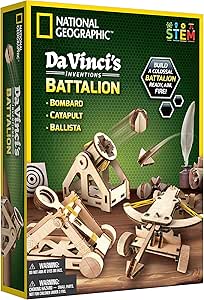 | Best for History-Minded Builders | Number of Models: 3 (ballista, bombard, catapult) | Materials: Laser-cut wood, rubber bands | Assembly Time: 1-3 hours | VIEW LATEST PRICE | See Our Full Breakdown |
| STEM Wood Building Crafts Kits for Kids Ages 8-12 (Yutin 4-in-1) |  | Best Variety for Engineering Projects | Brand: Yutin | Model Number: YT1005 | Number of Models: 4 (Tower Crane, Hydraulic Loader, Solar Truck, Road Roller) | VIEW LATEST PRICE | See Our Full Breakdown |
| SainSmart Jr. 4-in-1 Woodworking Building Kits for Kids with Birdhouse |  | Best All-Around Starter Kit | Number of Models: 4 (birdhouse, helicopter, off-road car, tow truck) | Included Components: Brush, paint, screwdriver, pre-cut wood, hardware | Material: Real wood, non-toxic finish | VIEW LATEST PRICE | See Our Full Breakdown |
| SparkJump Modern Birdhouse Woodworking Kit |  | Best Premium Single Project | Brand: SparkJump | Project Type: Birdhouse | Material: Cedar wood | VIEW LATEST PRICE | See Our Full Breakdown |
| SparkJump Candy Dispenser Woodworking Kit |  | Best for Youngest Builders | Project Type: Candy/gumball dispenser | Material: FSC-certified wood | Age Range: 6+ | VIEW LATEST PRICE | See Our Full Breakdown |
| SparkJump Premium Wooden Bird House Kit – DIY Birdhouse for Adults and Kids |  | Best Premium Build Quality | Material: Cedar wood | Pieces Included: 7 cedar wood pieces | Roofing: Cedar shingles | VIEW LATEST PRICE | See Our Full Breakdown |
| SainSmart Jr. Woodworking Building Kit, 4-in-1 Kids STEM Projects Set |  | Best Multi-Project Variety | Number of Projects: 4 (birdhouse, helicopter, off-road car, tow truck) | Material: Wood | Assembly Method: Flat head screws with counterbore design | VIEW LATEST PRICE | See Our Full Breakdown |
| 2 Pack Bird House Kits, DIY Wooden Birdhouses for Kids and Adults |  | Best for Young Beginners and Group Crafts | Quantity: 2 birdhouse kits per pack | Material: Wood (pre-cut) | Assembly: No nails or hammer required | VIEW LATEST PRICE | See Our Full Breakdown |
| woodworking project kits for student | Material |
|---|---|
| Smart Woodworking Projects for | — |
| Picnic Table Bird Feeder Kit | FSC-certified New Zealand pine |
| VOMOCNET 3 Pack DIY Wooden Mod | 100% natural wood |
| STEM Kits for Kids Age 8-12 | — |
| SainSmart Jr. Woodworking Buil | — |
| National Geographic Da Vinci C | — |
| STEM Wood Building Crafts Kits | Non-toxic plywood |
| SainSmart Jr. 4-in-1 Woodworki | Real wood, non-toxic finish |
| SparkJump Modern Birdhouse Woo | Cedar wood |
| SparkJump Candy Dispenser Wood | FSC-certified wood |
| SparkJump Premium Wooden Bird | Cedar wood |
| SainSmart Jr. Woodworking Buil | Wood |
| 2 Pack Bird House Kits | Wood (pre-cut) |
More Details on Our Top Picks
Smart Woodworking Projects for Beginners
Most kits in this roundup hand a student a pre-cut project; this book hands them a skill set. Because it teaches joinery, measurement, and tool technique rather than guiding one specific build, it works as the curriculum backbone that single-project kits like the SparkJump Picnic Table Bird Feeder can’t provide. The emphasis on safety and kid-friendly workflows without expensive tools makes it realistic for classroom or homeschool budgets. The tradeoff is obvious: there are no pre-cut pieces, paints, or screws in the box, so a student needs access to basic lumber and tools, plus an adult willing to source materials. Compared with the VOMOCNET 3 Pack, which delivers instant gratification but zero transferable technique, this is the slower, deeper path.
Pros:- Teaches transferable skills rather than a single assembly
- Safety-first instruction suitable for involving kids
- No expensive tools required to complete the projects
Cons:- No materials, tools, or pre-cut parts included
- No pricing or detailed project list available to evaluate before buying
Best for: Teachers and homeschool parents who want students to learn real woodworking technique over multiple projects, not just assemble one toy
Not ideal for: Families wanting an open-and-build weekend activity with everything included — this requires sourcing lumber and owning basic tools
- Format:Instructional book with step-by-step projects
- Skill Level:Beginner
- Focus:Woodworking fundamentals and safety
- Tools Required:Basic, inexpensive household tools
- Age Suitability:Beginners, including supervised kids
- Materials Included:None — book only
Our verdict“This is the pick for educators building a woodworking curriculum, not for anyone who wants a one-box weekend project.”
Picnic Table Bird Feeder Kit, DIY Woodworking Project for Kids and Families
This SparkJump kit earns its spot by being the rare project a parent and child genuinely build together, with a result that lives outside and attracts wildlife for months. The FSC-certified New Zealand pine is a meaningful step up in material quality from the plywood used in the SainSmart Jr. 4-in-1 set, and the finished picnic table feeder feels like a real outdoor structure rather than a desk toy. Because glue, paints, screws, and tools all ship in the box, there’s no hidden shopping trip. The tradeoffs: it’s a single build, so a classroom needing six projects for six students should look at the 6-Set STEM Kit instead, and the painted finish will need refreshing after weather exposure.
Pros:- Complete kit: glue, paints, screws, and tools included
- Sustainable FSC-certified New Zealand pine construction
- Finished feeder attracts real birds and squirrels for ongoing engagement
Cons:- Single project offers limited repeat value for the price
- Outdoor-only use; paint and finish need periodic reapplication
Best for: Families with a yard who want one high-quality shared build that produces a functional outdoor feeder
Not ideal for: Apartment dwellers or classrooms — the feeder only makes sense outdoors and it’s one project per box
- Brand:SparkJump
- Material:FSC-certified New Zealand pine
- Included Components:Glue, paints, screws, tools
- Project Type:Picnic table bird feeder
- Model Number:PTFWK08
- Use Environment:Outdoor
Our verdict“The best choice for a memorable parent-child weekend build with a lasting outdoor payoff.”
VOMOCNET 3 Pack DIY Wooden Model Building Kit, Fighter Jet, Truck, Race Car
Where the STEM 6-Set kit prioritizes mechanical function, this VOMOCNET set leans into the artistic half of woodworking — three vehicle models paired with four pigment colors and four brushes, so the painting stage matters as much as the assembly. That makes it the strongest fit for students who lose interest in builds that end with bare wood. The non-toxic acrylic paint and US toy safety certification give parents real assurance, and spare parts in the box acknowledge that kids drop screws. Compared with the SainSmart Jr. 4-in-1, you get one fewer model but a much richer customization experience. The catch: very young builders will struggle with the fighter jet assembly, and three models burn out fast for prolific builders.
Pros:- Includes 4 pigments and 4 brushes for full customization
- Non-toxic natural wood certified to US toy safety standards
- Spare parts and screwdriver included in the box
- Works well for group play and siblings
Cons:- Only three models per kit, limiting long-term engagement
- Assembly difficulty too high for very young children
Best for: Kids aged roughly 7 and up who love decorating their builds as much as assembling them
Not ideal for: Toddlers and very young children — fine-part assembly is genuinely challenging without adult help
- Models Included:Fighter jet, truck, race car
- Material:100% natural wood
- Paint:Acrylic, non-toxic
- Included Items:4 pigments, 4 paint brushes, screwdriver, assembly instructions, spare parts
- Safety Certification:US children’s toy safety standards
- Models per Kit:3
Our verdict“The pick when painting and personalization matter more to your student than engineering mechanics.”
STEM Kits for Kids Age 8-12, 6 Set Wood Building Projects Crafts
Six kits for the price most competitors charge for three or four makes this the clear volume pick — a teacher stocking a STEM unit or a parent managing multiple kids gets far more builds per dollar than the SainSmart Jr. 4-in-1 or the VOMOCNET 3 Pack. The lineup is also the most educationally ambitious here: a solar helicopter, a wind-powered vehicle, and a four-wheel-drive model teach energy conversion, not just assembly. That ambition comes with friction. Batteries aren’t included for the powered models, younger 8-year-olds will need help, and the non-toxic plywood is functional rather than attractive — these are learning builds, not display pieces like the SparkJump feeder.
Pros:- Six kits in one box — best builds-per-dollar in this roundup
- Teaches energy conversion via solar, wind, and mechanical drive models
- Durable, non-toxic plywood construction
- Wide model variety keeps a classroom unit fresh
Cons:- Batteries for powered models are not included
- Assembly difficulty too high for younger children without help
- Bare plywood aesthetic won’t satisfy kids wanting a display piece
Best for: Teachers, scout leaders, and parents of multiple kids who need quantity plus genuine engineering content on a budget
Not ideal for: Kids who want a polished, paintable keepsake — these bare plywood models prioritize function over looks
- Number of Kits:6
- Vehicle Types:Four-wheel drive, tank, wind-powered vehicle, off-road vehicle, solar helicopter, biplane
- Materials:Non-toxic plywood
- Included Tools:Screwdriver
- Batteries:Not included
- Recommended Ages:8-12
Our verdict“The smartest buy for group settings where engineering lessons and per-student cost matter most.”
SainSmart Jr. Woodworking Building Kits for Kids, 4-in-1 STEM Projects Set with Paints & Brushes
This set takes the top slot because it balances everything a student kit should do: real wood, real tools, four distinct models, and included paints — all backed by ASTM F963 and CPSIA certification, the most explicit safety credentials in this batch. Unlike the 6-Set STEM kit, which skips painting entirely, the SainSmart set closes each build with a creative step, so students get both construction and expression. The robot, dog, and motorcycle builds are also more personality-driven than the VOMOCNET vehicles, which helps kids stay attached to the finished piece. Tradeoffs are real, though: it sits at a premium per-model price compared with the 6-Set kit, younger builders need adult supervision with the screwdriver work, and four models won’t sustain a dedicated builder for long.
Pros:- Real wood and real tools create an authentic building experience
- Paints and brushes included for creative finishing
- ASTM F963 and CPSIA certified for safety
- Four varied models with strong display appeal
Cons:- Higher cost per model than multi-kit alternatives
- Younger children need adult supervision during assembly
- Only four models — limited long-term engagement for prolific builders
Best for: Parents wanting one well-rounded kit that combines authentic building, painting, and certified safety for a child aged roughly 6-11
Not ideal for: Budget-focused buyers or classrooms needing many kits — four models at this price point is poor cost-per-build value
- Number of Models:4 (two robots, dog, motorcycle)
- Materials:Real wood, non-toxic paints
- Included Tools:Screwdriver, paints, brushes
- Safety Certifications:ASTM F963, CPSIA
- Project Type:STEM woodworking build with painting
- Supervision:Recommended for younger children
Our verdict“The best all-around choice for a single student who should experience building, customizing, and finishing in one boxed set.”
National Geographic Da Vinci Catapult Wood Building STEM Kit for Kids
This kit stands out for doing something the pure construction sets don’t: it ties hands-on building to actual history. Instead of a crane or truck, students assemble three Da Vinci-era machines — a ballista, bombard, and catapult — which makes it a natural fit for a history or physics unit rather than just free play. Compared with the Yutin 4-in-1 STEM kit, it requires no tools at all, relying on laser-cut pieces and rubber bands, so a teacher can run it with zero prep. The tradeoff is narrowness: three siege machines and nothing else. If a student wants variety across project types, the SainSmart Jr. 4-in-1 set with its vehicles and birdhouse covers more ground. Assembly can stretch to three hours, so it suits patient middle-grade builders, not restless younger ones.
Pros:- Three different historical machines in one box
- No tools needed, so it works in classrooms with minimal setup
- Laser-cut pieces fit cleanly without cutting or sanding
- Strong curriculum tie-in for STEM and history lessons
Cons:- Build time can run up to three hours, too long for a single short class period
- Limited replay value once the three models are done
- Requires patience and fine motor skills younger students may lack
Best for: Teachers and parents who want a woodworking project that doubles as a history or physics lesson for students ages 9 and up
Not ideal for: Younger or impatient kids — the up-to-3-hour build and fine motor demands will frustrate them, and there’s no painting or decorating phase
- Number of Models:3 (ballista, bombard, catapult)
- Materials:Laser-cut wood, rubber bands
- Assembly Time:1-3 hours
- Tools Needed:None
- Educational Focus:History, physics, STEM
- Difficulty:Moderate — requires patience and fine motor skills
Our verdict“This pick makes the most sense for educators who want building to connect to a lesson rather than stand alone as a craft activity.”
STEM Wood Building Crafts Kits for Kids Ages 8-12 (Yutin 4-in-1)
Where the National Geographic Da Vinci kit goes deep on one theme, this Yutin set goes wide: a tower crane, hydraulic loader, solar-powered truck, and road roller give students four genuinely different engineering concepts to explore — hydraulics, solar power, and mechanical lifting among them. That variety is the whole argument for this pick. The SparkJump Candy Dispenser offers one polished project; this box offers a mini-curriculum. The plywood is non-toxic with smooth edges, and the instructions are clear enough that most 10-year-olds can work semi-independently. The catch is that hydraulic and solar mechanisms are fussier than a simple birdhouse build, and the age ceiling is real — older middle schoolers may find the models too simple, while kids under 8 will need an adult hovering nearby for the whole build.
Pros:- Four distinct models covering different engineering principles including hydraulics and solar power
- Non-toxic plywood with smooth, safe edges
- Clear instructions support semi-independent building
- Strong value per project compared with single-model kits
Cons:- Hydraulic and solar mechanisms can malfunction or leak, frustrating kids mid-build
- Tightly limited age appeal above and below the 8-12 range
- No paints or decorating supplies, unlike the SainSmart Jr. set
Best for: Parents and STEM clubs wanting multiple engineering concepts covered in one affordable purchase for kids squarely in the 8-12 range
Not ideal for: Kids outside the 8-12 window — teens will outgrow the models quickly, and children under 8 need constant adult assistance with the hydraulic and solar assemblies
- Brand:Yutin
- Model Number:YT1005
- Number of Models:4 (Tower Crane, Hydraulic Loader, Solar Truck, Road Roller)
- Age Range:8-12 years
- Material:Non-toxic plywood
- Educational Focus:Engineering, hydraulics, solar power
- Supervision:Recommended for children under 8
Our verdict“Choose this if your goal is breadth — four working machines teaching four different principles — rather than one polished keepsake project.”
SainSmart Jr. 4-in-1 Woodworking Building Kits for Kids with Birdhouse
This is the pick I’d point most families toward first, because it blends what the other kits do separately. Like the Yutin 4-in-1 set, it offers four models — a birdhouse, helicopter, off-road car, and tow truck — but it adds the two things Yutin leaves out: real hardware, a screwdriver, plus paints and brushes. That means students get an authentic assembly experience and a creative finishing step in one box, which the SparkJump Modern Birdhouse kit also provides but for a single project at a premium price. The tradeoff is authenticity’s friction: real screws and wood mean younger kids need adult help, and some buyers report needing extra tools beyond what’s included to make assembly smoother. Still, for a first woodworking kit that balances building, decorating, and variety, this is the most complete package in this batch.
Pros:- Four varied models spanning craft (birdhouse) and construction (vehicles)
- Includes real wood, hardware, and a screwdriver for authentic assembly
- Paints and brushes included for creative customization
- Non-toxic and compliant with child safety standards
Cons:- Some assemblies genuinely need additional tools not in the box
- Younger children require adult supervision throughout
- Only four projects, so heavy users exhaust it within a few weekends
Best for: Families buying a first woodworking kit who want building plus painting plus multiple projects without buying separate sets
Not ideal for: Parents expecting fully independent play for kids under 8 — real tools and hardware mean supervision is part of the deal, and some builds need extra equipment
- Number of Models:4 (birdhouse, helicopter, off-road car, tow truck)
- Included Components:Brush, paint, screwdriver, pre-cut wood, hardware
- Material:Real wood, non-toxic finish
- Age Range:Kids (adult supervision advised for younger children)
- Model Number:808-20-M09
- Warranty:3 months
- Educational Focus:Hands-on building, fine motor skills, creativity
Our verdict“The best single purchase for a beginner student who wants to build, decorate, and actually use tools — just plan on helping out.”
SparkJump Modern Birdhouse Woodworking Kit
This is the most grown-up kit in the batch. Instead of toy-like vehicles, students build a cedar birdhouse from pre-cut wood with glue, screws, sandpaper, decorative slices, natural stones, and full painting supplies — a finished piece that actually belongs in the yard. Compared with the SainSmart Jr. 4-in-1 set, you sacrifice variety for quality: cedar instead of generic plywood, and a result sturdy enough for real birds. The SparkJump Candy Dispenser shares this single-project, high-quality philosophy, but the birdhouse skews older and more patient a builder, since precise gluing and screw placement matter. The drawbacks are real: it’s one project for the price of multi-model competitors, and the lack of a stated age range means parents of young kids are guessing on suitability. Assembly skills are assumed, not taught.
Pros:- Quality cedar wood rather than thin generic plywood
- Unusually complete accessory package: glue, screws, sandpaper, stones, decorative slices, paints, brushes
- Finished birdhouse is functional for outdoor use, not just decorative
- Genuinely cross-generational appeal for kids and adults building together
Cons:- One project only — the SainSmart Jr. set offers four builds for similar money
- No stated age range, so gauging suitability for younger kids is guesswork
- Assembly demands precision that very young children can’t manage alone
Best for: Older students, teens, and families who want one substantial project with a durable, displayable result rather than several throwaway builds
Not ideal for: Very young children and buyers seeking variety — it’s a single build, it assumes some assembly skill, and the price per project is higher than multi-model kits
- Brand:SparkJump
- Project Type:Birdhouse
- Material:Cedar wood
- Included Components:Pre-cut wood pieces, wood glue, screws, hooks, decorative slices, sandpaper, paint, brushes, natural stones
- Model Number:Modern Birdhouse
- Warranty:30-day manufacturer warranty
- Use Case:Outdoor functional birdhouse
Our verdict“Worth the premium if you want a lasting, real-world outcome from one careful build — skip it if quantity of projects matters more than quality.”
SparkJump Candy Dispenser Woodworking Kit
The standout here is the age floor: 6 and up, younger than nearly everything else in this roundup. The Yutin 4-in-1 kit starts at 8, and the SparkJump Modern Birdhouse assumes skills a six-year-old simply doesn’t have. By building a working candy dispenser, this kit hooks young students with an immediate, tangible reward — a machine that dispenses gumballs they built themselves — which is a smarter motivation strategy for this age than an abstract model. The FSC-certified wood and included paints and tools keep it in line with SparkJump’s higher material standards. The tradeoff is obvious: it’s one project with a short lifespan. Once built and painted, the learning is done, and there’s no second model in the box. Adult supervision is also non-negotiable at the low end of the age range.
Pros:- Lowest age entry point in this batch at 6+, with adult help
- Working candy dispenser gives an immediate, motivating reward for finishing
- FSC-certified wood plus included paints and tools
- Well suited to parent-child collaborative building
Cons:- Single project only, so no variety or replay value
- Adult supervision required throughout for younger kids
- Small build means older siblings finish it in under an hour
Best for: Parents of 6-8 year olds who want a first woodworking success with a fun payoff that keeps the child engaged through the whole build
Not ideal for: Older students or multi-child households seeking lasting value — it’s a single small project that a 10-year-old will finish quickly and outgrow
- Project Type:Candy/gumball dispenser
- Material:FSC-certified wood
- Age Range:6+
- Included Components:Pre-cut wood, paints, tools, hardware
- Supervision:Adult supervision required for younger children
- Educational Focus:STEM, hands-on craftsmanship, family bonding
Our verdict“The right first woodworking kit for a young builder who needs a fun payoff to stay engaged — anyone older should pick a multi-project set instead.”
SparkJump Premium Wooden Bird House Kit – DIY Birdhouse for Adults and Kids
This option stands out for using real cedar wood and genuine cedar shingles, which puts it a step above the standard pre-cut pine most student kits use. Compared with the 2 Pack Bird House Kits, the SparkJump feels less like a painting craft and more like an actual construction lesson: students nail pieces together, glue the roof, and install eye hooks, so they finish with genuine hammer-and-nail woodworking experience. The tradeoff is real, though — you supply the hammer, and younger students will need an adult handling the nailing. Where the SainSmart Jr. 4-in-1 kit spreads its budget across four projects, SparkJump concentrates everything into one heirloom-quality birdhouse that can genuinely live outdoors for years. This pick makes the most sense for a class or family that values one substantial build over several disposable crafts.
Pros:- Real cedar wood and shingles give the finished birdhouse genuine outdoor durability
- Teaches authentic construction skills — nailing, gluing, sanding, hardware installation
- Complete component list including glue, nails, eye hooks, and sandpaper
- Attractive finished piece that works as a display project or functional habitat
Cons:- Hammer and basic tools are not included, adding cost and prep
- Single-project kit, so it offers less variety than multi-project sets like the SainSmart Jr. 4-in-1
- Assembly is too challenging for very young children to do independently
Best for: Teachers and parents who want students to learn real hammer-and-nail construction skills and end up with an outdoor-worthy cedar birdhouse
Not ideal for: Households without a hammer or with kids under about 7, since nailing cedar pieces together requires tools and coordination the kit doesn’t supply
- Material:Cedar wood
- Pieces Included:7 cedar wood pieces
- Roofing:Cedar shingles
- Hardware:30 nails, 2 eye hooks, 1 perch
- Extras:2 decorative windows, 6 wood slices, wood glue, 3 sandpaper pieces, instructions
- Tools Required:Hammer not included
Our verdict“Buy this if you want students to do real woodworking with quality materials and produce one cedar birdhouse built to last outdoors.”
SainSmart Jr. Woodworking Building Kit, 4-in-1 Kids STEM Projects Set
Where the SparkJump Premium Bird House Kit goes deep on a single cedar build, this set goes wide: students get four projects in one box — a birdhouse, helicopter, off-road car, and tow truck — which makes it one of the better values per build in this roundup. The flat head screws and counterbore design are a thoughtful safety choice, letting kids practice assembly without the nail-and-hammer risks that the SparkJump kit carries, though that also means the woodworking is less authentic. Compared with the 2 Pack Bird House Kits, this option trades painting supplies for engineering-style assembly that leans harder into STEM reasoning. The catch is that adults need to stay involved, and ambitious kids who want to paint or customize beyond the included stickers will need to source their own materials.
Pros:- Four separate projects provide weeks of activity and variety
- Safer assembly using flat head screws and counterbore holes instead of nails
- Strong STEM focus with problem-solving through multi-step builds
- Includes decorative stickers and instructions so each project feels complete
Cons:- Requires adult supervision throughout assembly
- No paint or brushes included, unlike the 2 Pack Bird House Kits
- Projects are fixed — no room for designing your own builds
Best for: Parents and teachers who want extended engagement across multiple builds and prefer screw-based assembly over hammering
Not ideal for: Buyers wanting a paint-included craft experience — stickers are the only decoration supplied, so customizers need their own paint
- Number of Projects:4 (birdhouse, helicopter, off-road car, tow truck)
- Material:Wood
- Assembly Method:Flat head screws with counterbore design
- Decorations Included:Decorative stickers
- Guides:Instructions included
- Supervision:Adult supervision recommended
- Age Range:Kids
Our verdict“Choose this set when variety and safe, screw-based STEM assembly matter more than one polished finished piece.”
2 Pack Bird House Kits, DIY Wooden Birdhouses for Kids and Adults
This is the friendliest entry point in the batch. Assembly is nail-free and hammer-free, which immediately distinguishes it from the SparkJump Premium kit — students as young as three can participate, and no tools need to be rounded up beforehand. The 12 paint pots, 3 brushes, and 2 hanging ropes arrive in the box, so unlike the SainSmart Jr. 4-in-1 set, every decorative supply is included and the activity runs start to finish without extra purchases. The two-pack format is a quiet advantage for classrooms and siblings — two kids can paint side by side without sharing. The tradeoff for that accessibility is depth: there’s no real joinery, nailing, or hardware work here, so older students working on genuine woodworking skills will outgrow it quickly. Treat this as a paint-first craft with a building step, not a construction lesson.
Pros:- No nails or hammer needed, making it safe and accessible for ages 3 and up
- All creative supplies included: 12 paint pots, 3 brushes, and hanging ropes
- Two birdhouses in one box, ideal for siblings or paired classroom work
- Sturdy enough wood construction for genuine outdoor use once finished
Cons:- Small parts pose a choking hazard for children under 36 months without close supervision
- Minimal woodworking skill-building compared with screw- or nail-based kits
- Painting and assembly still require adult help for younger kids
Best for: Families, preschools, and camp counselors who need a low-prep, tool-free craft that two young children can do simultaneously
Not ideal for: Students over about 8 or anyone seeking real woodworking technique — the tool-free assembly offers no nailing, sanding, or joinery practice
- Quantity:2 birdhouse kits per pack
- Material:Wood (pre-cut)
- Assembly:No nails or hammer required
- Paint Supplies:12 paint pots, 3 paint brushes
- Hanging Hardware:2 hanging ropes
- Recommended Age:3+ (choking hazard under 36 months)
- Model Number:BFnw1007
- Guide:Instruction guide included
Our verdict“Pick this twin-pack for the youngest crafters in the group, when mess-friendly painting matters more than learning construction skills.”
How We Picked
I evaluated each kit against four criteria that matter most for student woodworking: skill development (does the student actually sand, nail, glue, or assemble, or just paint a pre-finished piece?), quality of materials (solid wood versus thin plywood splinter risk, included hardware, whether the finished piece survives handling), educational value (clear instructions, STEM concepts where applicable, room for creative customization), and value per build (cost of each finished project, whether paints and tools are included or cost extra). I also weighed age-appropriateness and how much adult supervision each kit realistically demands.
The ranking logic favors kits that grow a student’s abilities over one-session crafts. That’s why multi-project sets with real assembly steps sit near the top, paint-heavy model kits land in the middle for younger students, and premium single-project kits earn their spot through material quality and durability rather than project count. Kits that felt more like toys than woodworking were ranked lower even when their reviews were strong, because they serve a different buyer than this roundup targets.
Factors to Consider When Choosing Woodworking Project Kits For Students
Before choosing a kit, it helps to understand what actually separates a meaningful woodworking learning experience from an afternoon craft project. These are the factors that shaped my rankings and the ones most buyers overlook.
Craft Kits vs. True Woodworking Kits
The biggest confusion in this category is labeling: nearly everything is marketed as a “woodworking kit,” but many are paint-and-decorate crafts with pre-cut, pre-sanded pieces that press together without tools. Those kits have real value for younger students building confidence and fine motor skills, but they won’t teach measuring, sanding, nailing, or reading assembly diagrams. If your goal is skill progression, look for kits that include or require a hammer, screws, wood glue, and sandpaper. A useful rule of thumb: if the box lists a recommended age of 6+ and includes only paints and stickers, expect a craft session. Kits rated 8+ with hardware and assembly steps are where actual woodworking begins.
Wood Quality and Durability of the Finished Piece
Most budget kits use thin laser-cut plywood that works fine for assembly but can splinter, warp, or break if a student is rough during building. Premium kits tend to use thicker, sustainably sourced boards and real screws instead of glue-only joints, which means the finished project survives being used rather than just displayed. This matters most for functional projects like birdhouses and candy dispensers, where weather and repeated handling expose weak construction quickly. For a first-time builder, cheaper plywood is actually a reasonable choice — mistakes cost little. For a gift or a project meant to last, spending more on materials pays off across years rather than weeks.
What’s Included vs. What You Still Need to Buy
One Project or Many? The Quantity Tradeoff
Multi-project sets look like obvious value, but they usually deliver four smaller, simpler builds rather than one substantial one. That tradeoff works well for students with short attention spans or teachers who need variety across a semester, and it softens the blow if one project fails. Single-project kits concentrate the entire budget into one build, which typically means better materials, bigger pieces, and a more impressive finished result. For students who thrive on completing something substantial, one well-made birdhouse beats four small models. Consider whether your student would rather finish many things or one thing well.
Age Range and Supervision Reality
Manufacturer age ratings are optimistic more often than not. A kit labeled for ages 6+ may be assembly-friendly but still require an adult for glue application, small-part handling, and any nailing. Realistically, most students under 10 need a supervising adult for at least part of the build, which matters for teachers planning independent work time. Read reviews specifically mentioning the age of the child who built it rather than trusting the box. Also watch for small parts and pre-cut pieces that snap fragile — younger students with less fine motor control break these during assembly, which is the most common source of frustration in this category.
Classroom vs. Home Buying Strategy
Teachers and parents should shop differently. Classrooms benefit from multi-packs and kits with identical builds, since every student working on the same project simplifies instruction and supply management. Bulk birdhouse kits are popular for exactly this reason. Home buyers can be more selective, choosing a kit that matches one child’s specific interests — vehicles, catapults, or birdhouses — since engagement is the single biggest predictor of whether a project gets finished. Parents should also factor repeat value: a candy dispenser or birdhouse gets used after completion, while a painted model usually lives on a shelf. Function drives long-term satisfaction more than novelty does.
Frequently Asked Questions
Are these woodworking kits actually educational, or just crafts?
It depends entirely on the kit, and this is where marketing language can mislead. Kits like the Da Vinci Catapult teach real mechanical principles — tension, leverage, stored energy — while kits like the SainSmart Jr. sets teach assembly sequencing, tool handling, and finishing. Paint-and-assemble model kits still build fine motor skills and patience, but they don’t develop woodworking ability. My advice is to match the kit type to your goal: choose construction-focused kits for skill-building and craft-style kits for younger students or creative expression. Reading the contents list tells you more than the packaging does — kits including hardware, glue, and sandpaper are the educational ones.
What age is appropriate to start a woodworking kit without help?
Most students can handle independent assembly around ages 9–10, provided the kit uses glue and press-fit pieces rather than nailing. Below that age, plan on adult involvement for at least half the build — particularly glue placement, small parts, and any step requiring a hammer. Even the kits rated 6+ in this roundup, like the candy dispenser, realistically need an adult nearby for the structural assembly while the child handles painting and decoration. That shared time is a feature, not a flaw, for family projects. For classroom use with mixed ages, pair younger students with older buddies rather than expecting fully independent work under age 10.
Which kit gives the best value if I’m buying for a group or classroom?
For groups, the 2 Pack Bird House Kits and the multi-set STEM kits offer the lowest cost per student while keeping every child on an identical, manageable build. Birdhouses are the classic classroom choice because the steps are simple, the painting stage naturally absorbs different working speeds, and the finished project goes home the same day. Avoid premium single kits like the SparkJump Premium birdhouse for large groups — the material quality is genuinely better, but you’re paying for durability a take-home craft doesn’t need. Buy one premium kit as a teacher demo model if you want to show students what fine finished work looks like.
Do any of these kits actually teach real woodworking skills?
Yes, but in varying degrees. The SparkJump kits come closest to genuine woodworking because students work with thicker boards, real hardware, and functional assembly rather than decorative pieces. The SainSmart Jr. sets sit in the middle — they involve true assembly and finishing work but with pre-cut pieces that limit measuring and cutting. None of the kits in this category involve sawing or power tools, which is appropriate for the age range. If your student outgrows these kits and wants to cut and join wood from scratch, the natural next step is a beginner bench project with hand tools supervised by an adult, using the confidence these kits built.
Will the finished birdhouses actually survive outdoors?
Only the premium options, and even those benefit from added protection. The SparkJump Premium Wooden Bird House Kit uses thicker wood and sturdier construction that holds up to weather for at least a season or two, especially if sealed after painting. Budget birdhouse kits use thin plywood that will swell, warp, and come apart after repeated rain, so treat them as indoor display pieces or short-term outdoor projects. A coat of exterior sealant — a five-minute, two-dollar step — extends any kit’s outdoor life considerably. If a lasting, functional birdhouse is the goal, buy one quality kit rather than a cheap multipack.
Conclusion
The right pick depends on who’s building. For best overall, the SainSmart Jr. 4-in-1 kit with birdhouse wins on the combination of real assembly work, included paints, and multiple projects at a fair price. The best value goes to the 2 Pack Bird House Kits, which simply can’t be beaten on cost per build for classrooms and siblings. For best premium, the SparkJump Premium Wooden Bird House Kit delivers materials and durability that justify its price for a keepsake-quality build. Younger students and first-timers are best served by the SainSmart Jr. 4-in-1 with paints and brushes, which keeps frustration low while still involving real assembly. For specific needs: the Da Vinci Catapult for STEM-focused learners, the Candy Dispenser for kids who want a project they’ll keep using, and the VOMOCNET vehicle set for students who’d rather paint than build. Whatever you choose, match the kit to the student’s patience level and your supervision availability — those two factors predict satisfaction better than price ever will.
Fall yard work Picks
leaf blowers
As an affiliate, we earn on qualifying purchases.