When choosing a compressor for nailers and sprayers, focus on both SCFM and PSI as they serve different purposes. SCFM tells you how much air your tool needs over time, ensuring continuous performance, while PSI indicates the pressure at which air is delivered, affecting force and spray quality. To get the best results, you should match both specs to your tools’ requirements. Stay with us, and you’ll discover how to optimize these specs for professional results.
Key Takeaways
- SCFM indicates the airflow volume needed for continuous tool operation, essential for nailers and sprayers.
- PSI reflects the pressure force delivered; proper PSI ensures tools perform efficiently and safely.
- Matching compressor SCFM with tool requirements prevents airflow shortages and maintains consistent performance.
- Ensuring the compressor’s PSI capacity aligns with tool specifications avoids under- or over-pressurization.
- Both SCFM and PSI work together; selecting the right balance optimizes tool function and prolongs equipment lifespan.
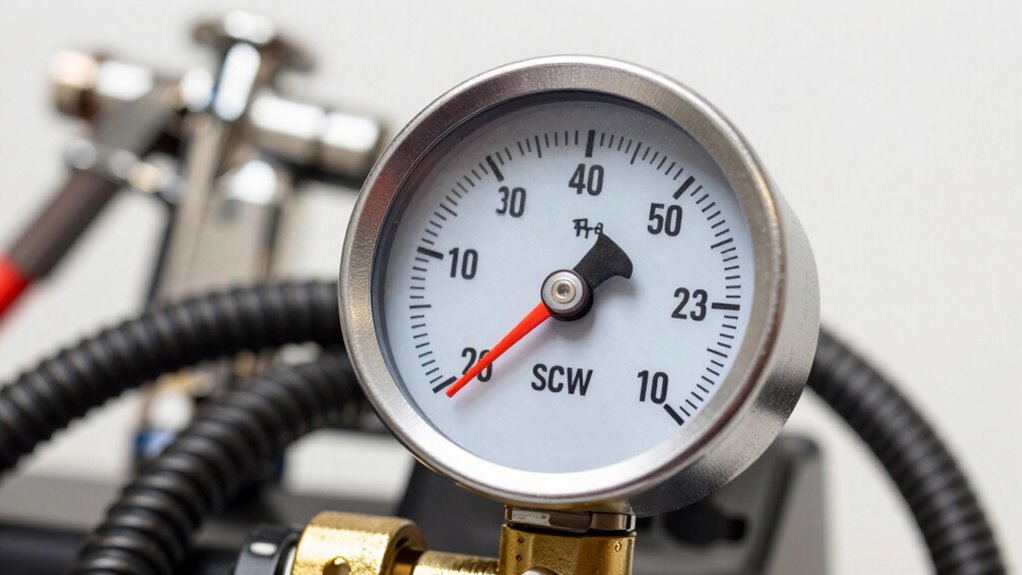
Are you unsure about the difference between SCFM and PSI when working with compressed air? It’s a common question, especially when you’re trying to select the right air compressor for nailers or sprayers. Understanding these specs helps you get the most out of your tools without wasting energy or risking damage. Two key aspects to evaluate are air tank capacity and pressure regulation techniques, which directly influence how well your compressor performs during your projects.
SCFM, or Standard Cubic Feet per Minute, measures the volume of air your compressor can deliver at a specified pressure, typically at atmospheric conditions. Think of it as how much air your tool needs to operate smoothly over time. A higher SCFM means your compressor can supply more air per minute, which is essential for tools like sprayers that demand consistent airflow. On the other hand, PSI, or pounds per square inch, indicates the pressure level of the compressed air—how forcefully the air is delivered. When you’re working with nailers, PSI dictates how deeply nails are driven and how firmly the tool operates.
SCFM measures airflow volume; PSI indicates the pressure force of compressed air.
Now, evaluate the air tank capacity. Larger tanks hold more compressed air, providing a buffer that supports consistent operation, especially during extended use. When your compressor has a bigger tank, it can supply a steady flow of air, reducing the frequency of cycling on and off—saving energy and prolonging your compressor’s lifespan. To make the most of this, you need to understand pressure regulation techniques. Proper regulation ensures your compressor maintains the right PSI, preventing under- or over-pressurization. Many compressors come with pressure regulators that let you fine-tune the output, ensuring your nailer or sprayer gets just the right pressure for optimal performance.
Additionally, choosing a compressor with appropriate air filtration and moisture control features can further improve tool performance and longevity. In essence, matching your compressor’s SCFM to your tool’s airflow requirements guarantees smooth operation, while setting the correct PSI ensures proper force and finish quality. Combining the right air tank capacity with effective pressure regulation techniques means your compressor can handle demanding tasks without sacrificing efficiency or safety. Remember, the goal isn’t just to pick a compressor based on one spec but to understand how SCFM and PSI work together with tank size and regulation methods. Doing so allows you to select equipment that meets your needs, minimizes downtime, and delivers professional results. Whether you’re shooting nails or spraying paint, knowing these specs helps you work smarter, not harder.

VEVOR 2.1 Gallon Air Compressor, 1.2HP 2.2 CFM@90PSI Air Compressors with Max. 116PSI Pressure, Oil Free Compressor Tank for Auto Repair, Tire Inflation, Spray Painting, Woodwork Nailing
2.1 Gallon Air Compressor: Our 900W oil-free motor drives the compressor up to a speed of 3500 r/min…
As an affiliate, we earn on qualifying purchases.
As an affiliate, we earn on qualifying purchases.
Frequently Asked Questions
How Do SCFM and PSI Affect Compressor Noise Levels?
Higher SCFM and PSI don’t necessarily increase compressor noise levels, but larger compressors with higher specs tend to be louder due to bigger motors and louder components. You might notice more noise with bigger compressor sizes, especially if they operate at higher pressures or flow rates. To reduce noise, look for models with soundproofing or quieter motors, regardless of SCFM or PSI, so you can work comfortably without excessive sound.
Can a Compressor With High SCFM Run Multiple Tools Simultaneously?
Imagine a busy highway, where multiple cars flow smoothly without jams. A compressor with high SCFM acts like that highway, capable of powering several tools at once. Yes, it can run multiple tools simultaneously, but only if properly maintained. Regular air compressor maintenance guarantees efficiency. Portable compressor advantages include mobility and convenience, making them ideal for job sites needing quick, versatile power without sacrificing capacity.
Is Higher PSI Always Better for Nailers and Sprayers?
Higher PSI isn’t always better for nailers and sprayers because pressure ratings matter for tool compatibility. If the PSI exceeds what your tool is rated for, you could cause damage or poor performance. Instead, focus on matching your compressor’s PSI to your tool’s specifications. Proper pressure guarantees efficient operation and prevents issues like blowouts or uneven finishes. Always check your tool’s recommended pressure range before adjusting your compressor.
How Do Temperature and Humidity Influence SCFM and PSI Readings?
Imagine your compressor as a breath of fresh air—its readings shift with temperature effects and humidity impact. When it’s hot, the air expands, lowering pressure but possibly increasing SCFM. High humidity introduces moisture, reducing efficiency and causing fluctuations in PSI and SCFM. You’ll notice these changes directly influence your tools’ performance, making it essential to take environmental conditions into account to guarantee consistent power and ideal results.
What Are Common Mistakes When Choosing Compressor Specifications?
You often make mistakes by selecting a compressor based on incorrect unit conversion, like mixing up SCFM and CFM, which leads to underperformance. Additionally, overlooking the duty cycle can cause overheating and reduced lifespan. Always double-check specifications and verify the compressor’s duty cycle matches your project’s demands. This way, you avoid buying equipment that can’t sustain continuous use or meet your air tool requirements effectively.

MZB 13.2 Gallon Ultra Quiet Air Compressor 115PSI Steel Tanks 70dB Noise Level Oil Free Air Compressor
Powerful & Reliable Performance Delivers MAX 115PSI working pressure for demanding tasks Features durable steel tanks for long-lasting…
As an affiliate, we earn on qualifying purchases.
As an affiliate, we earn on qualifying purchases.
Conclusion
So, while SCFM and PSI each have their subtle charms, it’s really about finding the right balance for your tools. Think of it like tuning a guitar—you want everything to harmonize perfectly. Pay attention to what your nailer or sprayer truly needs, and you’ll enjoy smoother projects with less fuss. After all, a little knowledge goes a long way in turning those basics into your best work yet.
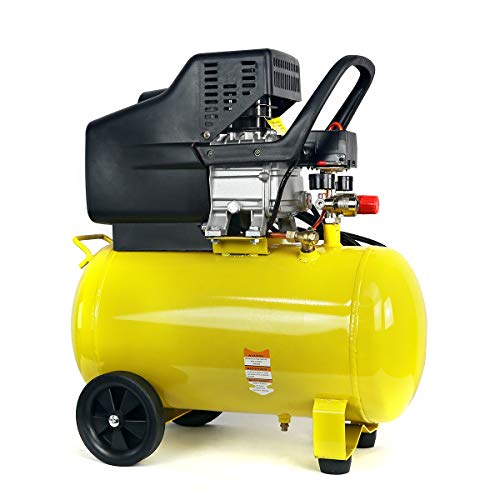
Stark USA 3.5HP 10 Gallons Air Compressor Tank Ultra Quiet Horizontal Tank Adjustable Pressure Ideal for DIY, Home & Garage Applications, 8.37 CFM
Personal and Professional Use – More than an average tire air compressor for bikes or a pneumatic nail…
As an affiliate, we earn on qualifying purchases.
As an affiliate, we earn on qualifying purchases.

VEVOR Spray Paint Pressure Pot Tank, 10L/2.5gal Air Paint Pressure Pot, 1.5mm+4mm Two Nozzles Two Spray Paint Guns for Industry Home Decor Architecture Construction Automotive Painting, 60PSI Max
10L Large Capacity: Introducing our state-of-the-art 10L spray paint pressure pot tank, with a 1/4" inlet and outlet…
As an affiliate, we earn on qualifying purchases.
As an affiliate, we earn on qualifying purchases.