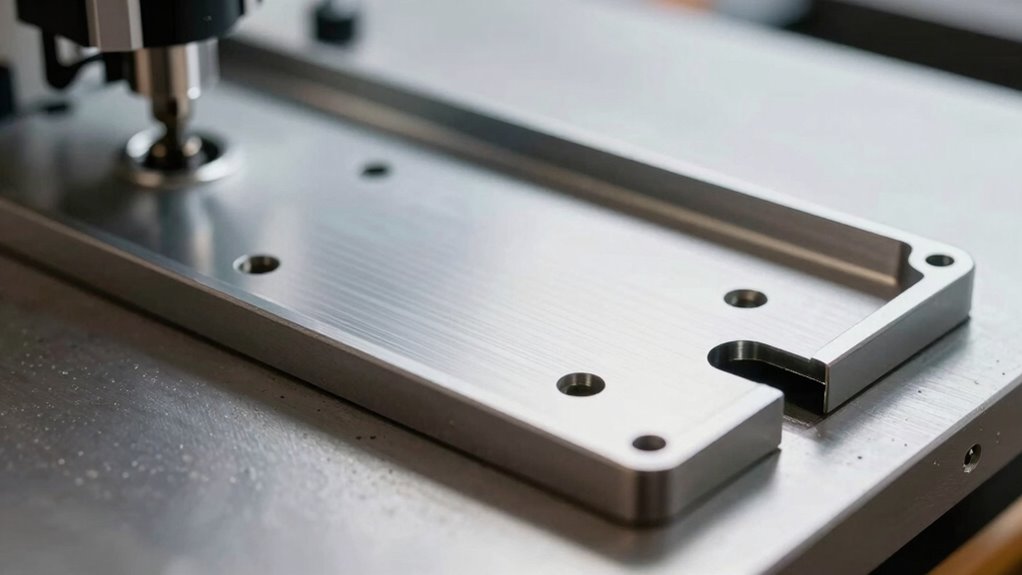

The router table insert plate is critical for accuracy in your woodworking projects. Choosing the right material, like aluminum for its durability or phenolic for a smooth cutting surface, plays a big role. Perfect leveling is essential, as misalignment causes uneven cuts. Make certain your table surface is flat and check for any shifts post-installation. These steps guarantee consistent performance and precision over time. Discover more insights to elevate your woodworking skills.

Get business pricing on tools and workshop supplies
- Business-only prices and quantity discounts
- Tax-exempt purchasing
- Multiple users, one account, clear invoices
Key Takeaways
- Material Selection: Choosing aluminum, phenolic, or MDF affects durability, smoothness, and resistance to warping, impacting overall accuracy.
- Leveling: Perfect leveling of the insert plate ensures precision cuts; misalignment can lead to uneven routing results.
- Table Surface Flatness: A flat table surface is crucial; dips or high spots can disrupt the plate’s levelness and affect cutting consistency.
- Post-Installation Checks: Regularly double-checking the insert plate’s level can prevent inaccuracies caused by shifts during routing tasks.
- Long-Term Maintenance: Ongoing adjustments and material checks are essential for maintaining precision and consistent performance over time.
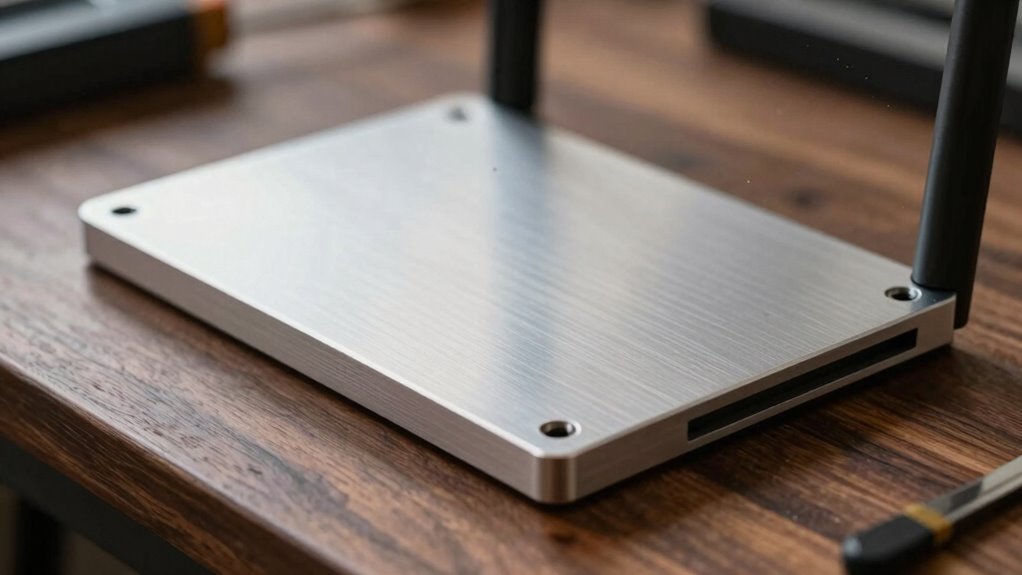
A router table insert plate is essential for any woodworker looking to achieve precision and versatility in their projects. Choosing the right insert plate materials can greatly impact your work’s accuracy. You’ll find options like aluminum, phenolic, and MDF, each with its pros and cons. Aluminum plates are durable and resistant to warping, making them a popular choice. They can handle heavy routing tasks without bending under pressure. Phenolic plates often offer a smooth surface, which helps reduce friction and provides a clean cut. If you’re on a budget, MDF can be a viable option, but you’ll need to be mindful of its susceptibility to moisture and wear. Proper material selection is crucial for ensuring long-term accuracy and performance. Additionally, considering the material’s resistance to warping can help maintain consistent results over time. You may also want to consider how the material responds to environmental changes, as this can further influence your project’s precision.
Once you’ve selected the right insert plate materials, the next step is guaranteeing it’s perfectly level with your router table. Leveling techniques are essential, as even a slight misalignment can lead to uneven cuts or complications during your routing tasks. Start by placing the plate in the table and checking its height against the surrounding surface. You might need to adjust the plate’s screws or use leveling shims to achieve the perfect fit. A plate that’s flush with the table allows for smoother changes and cleaner edges, which is critical for high-quality woodworking. It’s also helpful to consult woodworking precision tools to ensure your adjustments are accurate.
Ensuring your insert plate is perfectly level with the router table is crucial for achieving precise and clean cuts.
When you’re leveling the plate, pay attention to the table surface itself. If your table isn’t perfectly flat, this can affect the insert plate’s level. You might want to check your router table’s flatness with a reliable straightedge or a precision level. If you find any dips or high spots, consider adjusting your table or using a leveling compound to fix it. Taking the time to guarantee everything is aligned will pay off in the long run, as it enhances the accuracy of your cuts. Proper table flatness is an often overlooked but essential factor for maintaining consistency in your work.
Finally, always double-check the insert plate after installation. It’s common for plates to shift slightly during routing. A quick level check can save you from frustrating errors in your project. Regular maintenance of your router table and insert plate is key to maintaining precision. By selecting the right materials and mastering leveling techniques, you’ll set yourself up for success, enabling you to tackle intricate projects with confidence. Your attention to detail in these foundational steps will make all the difference in your woodworking endeavors.
router table insert plate aluminum
As an affiliate, we earn on qualifying purchases.
As an affiliate, we earn on qualifying purchases.
Frequently Asked Questions
How Do I Choose the Right Insert Plate Material?
To choose the right insert plate material, you should consider different insert plate types and their material strengths. If you’re looking for durability, aluminum is a great choice due to its lightweight and sturdy nature. For precision, phenolic plates offer excellent stability and are less prone to warping. Always think about your specific routing needs and the materials you’ll be working with to guarantee you select the best insert plate for your projects.
Can I Use a Router Table Without an Insert Plate?
You can use a router table without an insert plate, but you’re missing out on significant router table benefits. In fact, a study shows that using an insert plate can improve cutting precision by up to 30%. Without it, achieving insert plate precision becomes challenging, leading to less accurate cuts and more frustration. For the best results, consider investing in a quality insert plate to enhance your woodworking experience.
What Tools Are Needed for Installing an Insert Plate?
To install an insert plate, you’ll need a few essential tools. Grab a router, a drill, and appropriate drill bits. A square guarantees plate alignment, while a measuring tape helps with precise placement. For installation tips, make certain the plate fits snugly in the opening and double-check your measurements. Using clamps can stabilize the plate during installation, assuring everything’s aligned perfectly. Don’t forget safety gear while you work!
How Often Should I Replace My Insert Plate?
You should replace your insert plate when you notice signs of wear or damage, typically every few years with regular use. Keeping up with insert plate maintenance guarantees peak router table performance. If you see cracks, warping, or excessive wear, it’s time for a change. Regularly check your plate for any issues to maintain precision in your woodworking projects. Investing in a quality insert plate can enhance your overall experience.
Are There Universal Insert Plates Compatible With All Routers?
You might think all insert plates fit every router, but that’s not true. While some universal insert plates exist, their compatibility often hinges on specific insert plate dimensions. Before buying, double-check your router’s specifications to guarantee a snug fit. Getting it wrong can lead to frustrating adjustments and inaccuracies in your work. Invest some time in research, and you’ll find an insert plate that works seamlessly with your router.
Conclusion
In the world of woodworking, the router table insert plate is your precision compass. When you choose a plate that fits snugly and aligns perfectly, it’s like placing a crystal-clear lens on your project. The smooth surface and exact height guarantee your cuts glide effortlessly, transforming raw wood into a masterpiece. Don’t underestimate this detail; it’s the difference between a jagged edge and a flawless finish. Invest wisely, and watch your creations come to life with stunning accuracy.
Halloween Picks
halloween
As an affiliate, we earn on qualifying purchases.