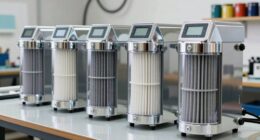
To guarantee safe laser engraving, prioritize good ventilation like exhaust fans or air filters to clear fumes and prevent inhalation risks. Use enclosures to contain dust, fumes, and stray laser beams, reducing exposure and fire hazards. Never burn materials like paper, plastics, or certain woods, as they can ignite or emit toxic fumes. Keeping safety in mind helps protect your health and workspace—discover more tips to keep your engraving environment secure and efficient.
Key Takeaways
- Always use proper ventilation, such as exhaust systems or open windows, to remove fumes and airborne particles during engraving.
- Employ fire-resistant enclosures with ventilation ports to contain fumes and reduce fire hazards.
- Never burn or engrave on combustible materials like paper, plastics, or certain woods that can ignite or release toxic fumes.
- Regularly inspect and maintain ventilation and safety equipment to ensure effective air filtration and fire prevention.
- Keep fire extinguishers nearby and avoid leaving laser engravers unattended, especially during extended operation.
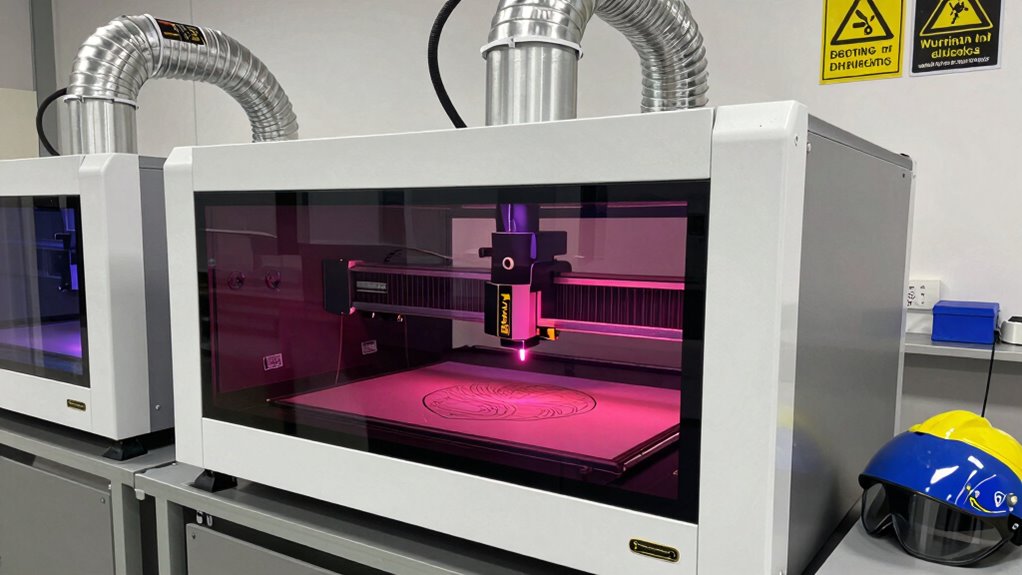
Laser engravers are powerful tools that can create detailed designs, but they also pose significant safety risks if not used properly. One of the most essential concerns is maintaining good air quality. During engraving or cutting, fumes and tiny particles are released from the material being worked on. Without proper ventilation, these airborne contaminants can accumulate, posing health hazards over time. Inhaling fumes from plastics, wood, or other materials can cause respiratory issues, skin irritation, or other health problems. To protect yourself, always guarantee your workspace has adequate airflow, whether through a dedicated exhaust system, air filtration units, or open windows. Regularly checking and maintaining your ventilation setup helps keep the air clean and reduces the risk of inhaling harmful fumes. Incorporating energy-efficient European cloud solutions can also support monitoring and controlling ventilation systems remotely for added safety.
Another vital safety aspect is addressing fire hazards. Laser engravers generate intense heat, and if materials are not suitable or if the device is improperly operated, fires can start unexpectedly. Combustible materials like paper, certain plastics, or even some types of wood can ignite if left unattended or if the laser beam is misaligned. It’s essential to never leave your laser engraver running unattended, especially during extended sessions. Always keep a fire extinguisher nearby, specifically one rated for electrical and combustible fires, and ensure you know how to use it. Additionally, regularly inspect your equipment for signs of wear or damage, such as frayed wiring or trapped debris, which could increase fire risk. Implementing a safety protocol that includes routine checks can prevent accidents before they happen.
Furthermore, using enclosures around your laser engraver is a smart safety measure. Enclosures help contain fumes, dust, and stray laser beams, reducing exposure and limiting fire risks. They also improve air quality by directing fumes toward exhaust systems more effectively. When choosing or constructing an enclosure, ensure it’s made from fire-resistant materials and has proper ventilation ports. This setup not only protects you from inhaling harmful substances but also minimizes the chance of accidental fires igniting nearby objects or materials. Remember, safety isn’t just about avoiding immediate injuries but also about creating an environment where you can work confidently without worrying about long-term health effects or fire hazards.

Powerful 3 Inch Inline Duct Ventilation Fan AC Vent Blower Exhaust Fan w/ 1.5M Pipe, Enhanced Air Flow, Low Noise for 3D Printer Enclosure, Laser Engraver Cover,Resin, Greenhouse Ventilation Equipment
High-Powered Performance: This 3-inch duct fan features a 1Kg copper motor that delivers 200 cubic meters per hour…
As an affiliate, we earn on qualifying purchases.
As an affiliate, we earn on qualifying purchases.
Frequently Asked Questions
Can Laser Engravers Be Used Outdoors Safely?
Yes, you can use laser engravers outdoors safely if you consider outdoor safety and weather considerations. Make sure to operate in a well-ventilated area away from wind to prevent fumes from spreading. Avoid rainy or humid weather that could damage the equipment or interfere with operation. Always protect your laser engraver from direct sunlight and moisture, and ensure proper ventilation to keep fumes safely away from you and your workspace.
What Are the Signs of Laser Engraver Malfunction?
Think of your laser engraver like a car engine—it’ll give warning signs when something’s wrong. If you notice inconsistent cuts, strange noises, or smoke, these are signs of malfunction. Watch for laser tube issues, such as decreased power or irregular beam focus. Software error messages also signal problems. Regularly inspecting your device and responding promptly helps prevent bigger issues, keeping your machine running smoothly and safely.
How Often Should I Replace Ventilation Filters?
You should replace your ventilation filters every 6 to 12 months, depending on usage and filter type. Regular filter maintenance guarantees ideal airflow and safety, extending the ventilation lifespan. Check your filters monthly for dirt buildup or discoloration, and replace them promptly when they appear clogged or dirty. Proper maintenance keeps harmful fumes out of your workspace and maintains the efficiency of your laser engraver’s ventilation system.
Are There Any Materials I Should Avoid Engraving?
Like steering through a minefield, you should avoid engraving materials with serious material hazards. Stay clear of PVC, vinyl, and painted or treated woods, as they release toxic fumes and hazardous residues. Engraving restrictions exist for materials that emit harmful gases or contain heavy metals. Always research your materials beforehand to prevent health risks and equipment damage, ensuring a safe and successful engraving experience.
What Safety Equipment Is Recommended During Operation?
During operation, you should wear personal protective gear like safety goggles to protect your eyes from laser exposure and fumes. Keep a clear path to the emergency shutdown button, so you can quickly turn off the machine if needed. Always guarantee proper ventilation to reduce inhalation risks. Regularly inspect your safety equipment and stay alert, so you can respond promptly to any unexpected issues.
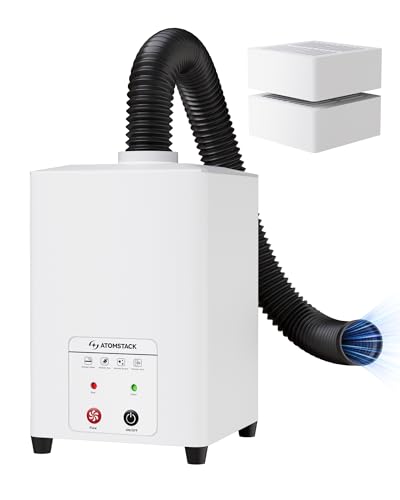
ATOMSTACK D5 Air Purifier for P1 5W Laser Engraver Mini Smoke Purifier for Laser Engraver with 3-Layer Fume Extractor Filter with Activated Carbon + HEPA Filter for Laser Engraving Machine P1
【Designed for laser cutting】Atomstack D5 air purifier, specially developed for laser system, 7-layer filter cartridge, strong filtration of…
As an affiliate, we earn on qualifying purchases.
As an affiliate, we earn on qualifying purchases.
Conclusion
Remember, safety should always come first when using a laser engraver. Proper ventilation and enclosures can reduce airborne hazards by up to 90%, protecting your health and equipment. Never burn materials that release toxic fumes or are flammable. Staying informed and cautious keeps your workspace safe and your projects successful. Keep these tips in mind, and you’ll enjoy your laser engraver without unnecessary risks. Safety isn’t just a rule — it’s the key to continuous creativity.

ACMER R20 Laser Engraver Enclosure, Fire-Resistant Protective Cover for Laser Engraving Machines up to 700×700×400 mm, Smoke Ventilation, Noise Reduction, Viewing Window
Fire-Resistant Protection for Safer Engraving: Made from high-temperature resistant fiberglass fabric with double-sided silicone coating, the enclosure withstands…
As an affiliate, we earn on qualifying purchases.
As an affiliate, we earn on qualifying purchases.
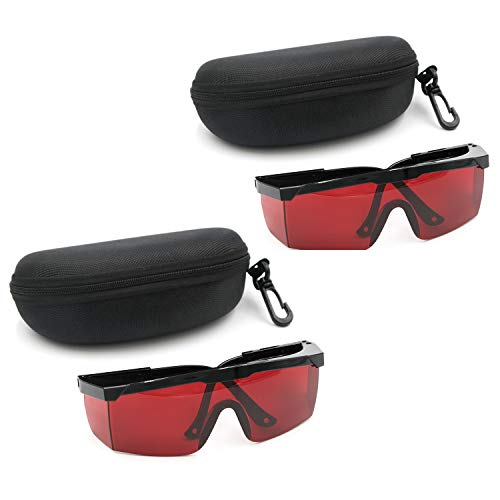
GOSONO 2 SET Goggles Laser Safety Glasses 190nm to 540nm Laser protective eyewear With Velvet Box (2pcs Red)
2PCS glass+2case, Protection Features: All-round absorption.
As an affiliate, we earn on qualifying purchases.
As an affiliate, we earn on qualifying purchases.