Laser engravers are versatile tools that let you create detailed, durable designs on various materials like wood, glass, and metal. To use them safely, always wear protective eyewear, make certain good ventilation, and keep workspace safety features in place. These devices open up endless creative possibilities, from customized jewelry to intricate home decor. Getting familiar with safety measures and creative applications helps you maximize your projects—if you want to explore more, keep going for detailed tips and ideas.
Key Takeaways
- Prioritize laser safety by wearing protective eyewear, ensuring proper ventilation, and using safety features like emergency stops.
- Compatible materials such as wood, glass, leather, and acrylic enable diverse, high-quality engraving projects.
- Laser engravers support creative applications like personalized jewelry, signage, decorative items, and detailed designs.
- They produce durable, precise engravings suitable for artistic, commercial, and practical purposes.
- Emphasizing safety and versatility maximizes the creative potential of laser engraving technology.

Ever wondered how intricate designs are permanently etched onto various materials? The answer lies in laser engraving technology, a precise and versatile method that allows you to transform simple surfaces into works of art or functional items. But before diving into the creative world of laser engravers, it’s crucial to understand laser safety. These machines use highly concentrated beams of light to cut, mark, or carve materials, which means they can pose significant hazards if not handled properly. Proper safety measures include wearing protective eyewear designed to filter the specific laser wavelength, ensuring that accidental exposure doesn’t harm your eyes. Ventilation is equally important, as laser engraving can produce fumes or smoke, especially when working with plastics or treated woods. Using a well-ventilated workspace or an exhaust system helps keep air clean and reduces health risks. Additionally, understanding the machine’s safety features, like emergency stop buttons and enclosed work areas, allows you to operate confidently and reduce mishaps. Incorporating compatible materials such as wood, glass, leather, or acrylic is essential for achieving detailed and high-quality engravings.
Once you prioritize laser safety, you’ll find that laser engravers open up a world of creative applications. From personalized jewelry and custom signage to decorative home accents, the possibilities are endless. The precision of laser engraving allows you to add detailed designs, logos, or text onto a variety of materials such as wood, glass, leather, or acrylic. You can create intricate patterns that would be difficult to achieve by hand, making each piece uniquely yours. Many hobbyists and small business owners use laser engravers to produce customized gifts, awards, or promotional items, capitalizing on the machine’s ability to produce high-quality, consistent results quickly. The technology also encourages experimentation. You can combine different materials, add layered designs, or incorporate colors by selectively etching certain areas, broadening your artistic scope.
Furthermore, laser engraving isn’t just about aesthetics; it’s also functional. You can mark tools with identification codes, create durable labels, or produce detailed maps and technical drawings. The precision and permanence of laser engraving ensure that your designs withstand time and wear, making it ideal for both artistic and practical purposes. As you explore creative applications, you’ll discover that this technology enables you to push boundaries and realize ideas that were once too complex or time-consuming. With a focus on laser safety and a willingness to experiment, you can leverage laser engravers to turn your creative visions into tangible, lasting results.

FreeMascot IPL 200nm-2000nm Laser Safety Glasses for Laser Hair Removal Treatment and Laser Cosmetology Operator Eye Protection with Case (Green)
Wavelength: 200nm-2000nm, broad spectrum protection, block UV, Blue, Red and Infrared Laser Light
As an affiliate, we earn on qualifying purchases.
As an affiliate, we earn on qualifying purchases.
Frequently Asked Questions
Can Laser Engravers Cut All Types of Materials Safely?
Laser engravers can’t cut all materials safely because of material compatibility and safety precautions. You need to check if your material is laser-compatible, as some, like PVC, release harmful fumes or pose fire risks. Always follow safety precautions, such as proper ventilation and protective gear, to avoid hazards. By understanding material limits and adhering to safety guidelines, you guarantee safe and effective laser cutting for suitable materials.
What Maintenance Is Required for Laser Engravers?
Think of your laser engraver as a finely tuned instrument needing regular care. You should regularly check and follow calibration procedures to keep the laser beam precise, and monitor the laser tube’s longevity, replacing it when performance declines. Keep the mirrors and lenses clean, and guarantee proper ventilation. This routine upkeep helps your machine run smoothly, extending its lifespan and maintaining the quality of your creative projects.
Are There Size Limitations for Laser Engraver Projects?
Yes, there are size limitations for laser engraver projects based on the machine’s bed dimensions and material size. You need to take into account the maximum project size and material dimensions your laser engraver can handle. Larger projects may require dividing your design into sections or choosing a machine with a bigger bed. Always check your laser engraver’s specifications to ensure your project fits within its size constraints.
How Do I Troubleshoot Common Laser Engraver Issues?
To troubleshoot common laser engraver issues, start by checking the laser calibration to make sure your settings are accurate. Make sure your smoke extraction system is functioning properly, as poor ventilation can cause smoke buildup and affect engraving quality. If problems persist, clean the lenses and mirrors, and verify your material placement. Regular maintenance helps prevent issues and keeps your laser engraver running smoothly.
What Are the Environmental Impacts of Laser Engraving?
You might think laser engraving is tiny, but its environmental impact can be huge if you’re not careful. You’re responsible for practicing eco-friendly habits like proper material disposal and choosing sustainable materials. Laser engraving releases fumes and waste that, if unmanaged, can harm ecosystems. By adopting eco-conscious practices, you help minimize pollution, conserve resources, and guarantee your creative passion stays environmentally friendly. Stay aware, and make a positive difference with every project!

LONGER RAY5 Laser Engraver 2500mW High Precision 0.04 * 0.04mm Laser Cutter and Engraving Machine 130x130mm Working Area Mini Portable Laser Engraver for Wood Metal Acrylic Glass
2500mW Engraving and Cutting: The Longer engraving machine offers a 2500mW laser output and a Class 4 laser…
As an affiliate, we earn on qualifying purchases.
As an affiliate, we earn on qualifying purchases.
Conclusion
Now that you know the basics, you’re ready to explore the creative possibilities of laser engravers safely. Did you know that the laser engraving market is expected to grow at a compound annual rate of 8.5% through 2027? This shows how popular and versatile these machines are becoming. Just remember to follow safety guidelines, and you’ll open endless creative potential while keeping yourself protected. Get ready to bring your ideas to life!

FumeClear Laser Fume Extractor – Powerful 100W Suction 200m³/h, With Remote Digital Display, 3-Stage Filtration System with 12PCS Filters for Laser Welding Smoke Absorption and Desktop Soldering
Remote Control Module:The FC-100A digital display version has a new remote control module. It can be placed under…
As an affiliate, we earn on qualifying purchases.
As an affiliate, we earn on qualifying purchases.
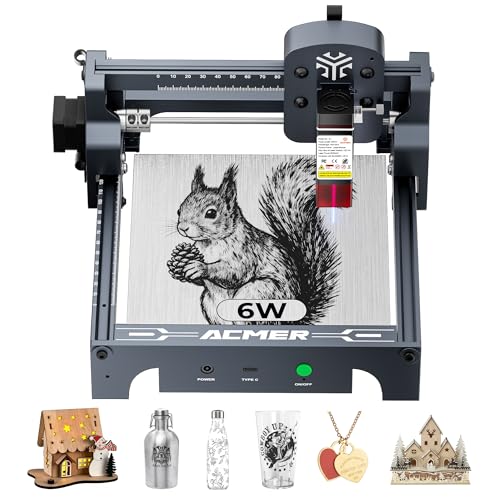
ACMER S1 Laser Engraver 6000mW, Compact Desktop Engraving & Cutting Machine for DIY Crafts, Small Business & Makers, 130×130mm Work Area, 0.04mm Laser Spot Engraving Machines & Tools
Fr*e AcmerTool Engraving Software Included: The engraver is fully optimized for AcmerTool, our self-developed engraving software, which is…
As an affiliate, we earn on qualifying purchases.
As an affiliate, we earn on qualifying purchases.