When coping on the bandsaw, you want to focus on making smooth, precise curves and tight tenons by selecting the right blade and setting it properly. Secure your workpiece firmly, use a steady, controlled motion, and go slowly through curved cuts to prevent splintering. Keep safety precautions in mind, like wearing goggles and avoiding loose clothing. With careful setup and technique, you’ll achieve cleaner results—if you continue exploring, you’ll discover tips to perfect your coped joints even further.
Key Takeaways
- Use a template to guide the bandsaw for accurate curved cuts and tenons.
- Secure the workpiece firmly with clamps or push sticks to ensure stability during coping.
- Make slow, steady cuts, allowing the bandsaw to shape curves and tenons precisely.
- Keep safety gear on and blades properly tensioned for clean, safe cuts on curves and tenons.
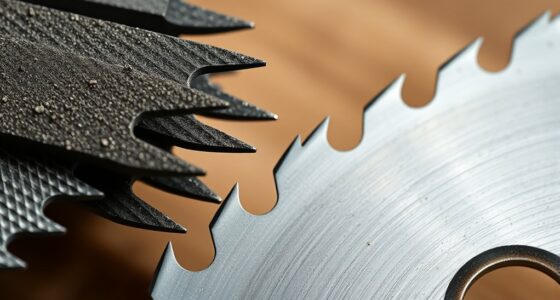
- Choose a fine-tooth blade for smoother, more detailed cuts on curves and fitting tenons.

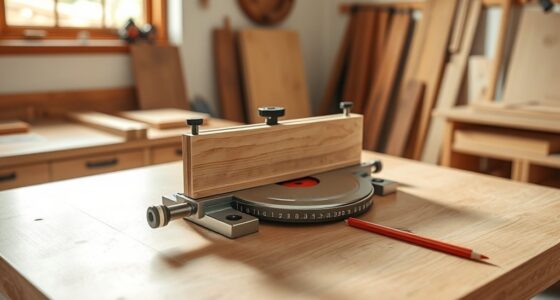
Coping on the bandsaw is an essential skill for achieving precise, clean cuts when working with intricate or curved patterns. When you’re shaping curves or fitting tenons, a well-made template becomes your best friend. Templates guide your cuts, ensuring consistency and accuracy. To start, create or select a template that matches the shape you want to copy. Secure it firmly to your workpiece, using clamps or double-sided tape, so it doesn’t shift during cutting. As you guide the workpiece against the bandsaw’s blade, keep your hands well away from the cutting area and use push sticks if necessary to maintain control. This helps prevent slips that could cause injury or ruin your workpiece.
Prioritizing safety precautions is vital when coping on the bandsaw. Always wear safety glasses to protect your eyes from splinters and debris, and avoid loose clothing or jewelry that could get caught in the blade. Before starting, double-check that the bandsaw blade is sharp, properly tensioned, and aligned. A dull or improperly set blade increases the risk of kickback and produces rough cuts, which makes your work more difficult. Make sure the blade guard is in place and adjusted to just above the workpiece to minimize exposure. Keep your work area clean and free of sawdust or scraps that could cause slipping or distraction. When making curved cuts, go slow and steady, letting the bandsaw do the work without forcing the material through. Pushing too hard can cause blade deflection or breakage, leading to potential injury.
Using a template doesn’t just improve accuracy; it also enhances safety. A template helps you maintain a consistent path, reducing the need for aggressive or uncertain movements near the blade. When coping tenons or complex curves, it’s helpful to mark your cut lines clearly and use a fine-tooth blade designed for smooth, detailed cuts. Always ensure your workpiece is secure before starting the cut—clamp it down if necessary—so it doesn’t shift unexpectedly. As you follow the template’s edge, keep your fingers behind the blade, and avoid overreaching. If you need to make multiple cuts or adjustments, turn off the bandsaw first to avoid accidental contact. Additionally, understanding the performance of your bandsaw, such as its horsepower and blade speed, can significantly impact the quality of your cuts and safety.

Dark Stone Band Saw Blade, 62" x 3/8" x 14 TPI, High Carbon Steel, Fine-Cut Blade for 9" Band Saws, Smooth & Controlled Woodworking, Model DS23238
1️⃣EFits 9" Band Saws Using 62" Blades Designed for 9-inch band saws and other 2-wheel band saws that…
As an affiliate, we earn on qualifying purchases.
As an affiliate, we earn on qualifying purchases.
Frequently Asked Questions
What Safety Precautions Are Essential When Coping With a Bandsaw?
When coping with a bandsaw, you should always wear safety gear like goggles and ear protection to shield yourself from debris and noise. Keep your hands clear of the blade, and use push sticks when necessary. Verify the emergency stop is within reach before starting, and double-check the blade guard is in place. Stay focused, avoid distractions, and never force the wood through—safety is your top priority.
How Do I Maintain Consistent Cut Quality on the Bandsaw?
Maintain consistent cut quality by checking blade tension regularly and ensuring proper blade tracking. Keep your blade tension tight enough to prevent wandering but not so tight that it causes damage. Adjust blade tracking so the blade runs straight down the center of the wheels. Consistent tension and tracking keep your cuts smooth and precise, like a steady hand guiding the wood. Regularly inspect your blade and make adjustments as needed to keep quality high.
What Are the Best Blade Types for Coping Curves and Tenons?
You should choose a fine-toothed, narrow blade for coping curves and tenons, as it offers better control and cleaner cuts. Look for blades labeled for precision or detailed work, such as 3/8-inch or 1/4-inch blades. Using proper cutting techniques—like slow, steady feed and minimal blade tension—helps you achieve smooth, accurate results. Always match your blade selection to the task for the best craftsmanship.
How Can I Prevent Tear-Out When Cutting Intricate Curves?
Ever wonder how to keep your intricate curves smooth and tear-out free? You should focus on maintaining proper blade tension and providing solid workpiece support. Keep the blade tension just right to prevent wandering, and support your workpiece with a stable fence or sled to avoid vibrations. These steps help you cut cleaner curves, reduce tear-out, and achieve professional results every time. Don’t rush—precision is key!
What Techniques Improve Accuracy in Coping Joints?
To improve accuracy in coping joints, focus on precise marking and effective clamping techniques. Start by carefully marking your cut lines to guarantee correct fit. Use clamps to securely hold your workpiece, preventing movement that could cause errors. Regularly check your measurements, and take your time making each cut. These steps help you achieve cleaner, more accurate joints, making your woodworking project stronger and more professional-looking.

O'SKOOL 24 inch Straight Edge Guide Clamp with Band Saw Fence
Accuracy and Precision: A band saw fence allows you to make accurate and precise cuts consistently. The fence…
As an affiliate, we earn on qualifying purchases.
As an affiliate, we earn on qualifying purchases.
Conclusion
Just as Da Vinci mastered the art of blending form and function, mastering coping on your bandsaw transforms simple wood into elegant curves and precise tenons. With patience and practice, you’ll carve through challenges as effortlessly as the artist through his canvas. Remember, every cut is a brushstroke in your woodworking masterpiece. Keep honing your skills, and soon, your projects will echo the timeless beauty of a well-crafted design—art in motion, just like the great masters before you.

POWERTEC Deluxe Push Stick Fits Table Saws, Router Tables, Band Saws & Jointers. Ergonomic Handles Safety Push Tool for Wood working and Hand Protection. 2PK (71511)
INCLUDES: (1) Push Stick (Magnetic type) 11-21/32" long w/ notch width 9/16" and (1) L-Shaped Push Stick 8-21/32"…
As an affiliate, we earn on qualifying purchases.
As an affiliate, we earn on qualifying purchases.
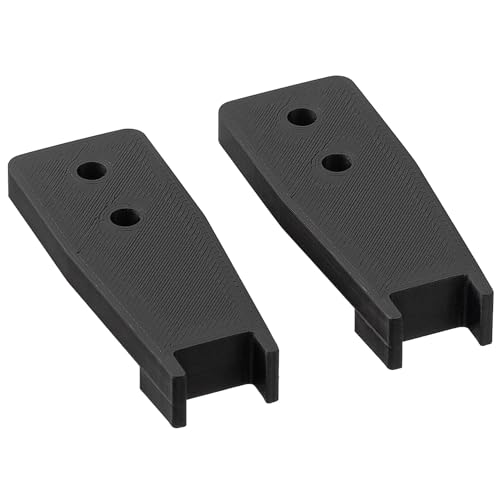
Woodpeckers SteadyCurve 2.0 Band Saw Template Guide – 2 Pack of Replacement 1/2" Blade Pattern Follower Tips, Made in USA SC-22-12
SPECS – SC-22-12 2-Pack Pattern-Follower Tip work with 1/2" blades and fits both Woodpeckers original SteadyCurve and the…
As an affiliate, we earn on qualifying purchases.
As an affiliate, we earn on qualifying purchases.