Reclaimed wood is an eco-friendly choice that adds rustic charm, character, and authenticity to your projects. It transforms old materials into beautiful features while reducing waste and supporting sustainability. Sourcing from barns, factories, or demolished buildings guarantees you get unique, storied pieces with rich textures and imperfections. Proper preparation enhances its vintage appeal and durability. To make the most of reclaimed wood‘s benefits and discover expert sourcing tips, continue exploring the options available.
Key Takeaways
- Reclaimed wood reduces waste and promotes eco-friendly practices by repurposing materials from old structures.
- It offers unique vintage character, rich textures, and authentic imperfections that enhance aesthetic appeal.
- Source reclaimed wood from reputable suppliers with proper certifications to ensure quality and safety.
- Prepare reclaimed wood through cleaning and treatment to reveal its natural beauty and ensure suitability for projects.
- Incorporating reclaimed wood adds warmth and acoustic benefits, supporting sustainable, stylish interior design.

Have you ever wondered how reclaimed wood transforms old, discarded materials into stunning, eco-friendly features? It’s a process rooted in sustainable practices that not only reduces waste but also breathes new life into materials that would otherwise end up in landfills. When you choose reclaimed wood, you’re embracing a vintage aesthetics that adds character and history to your space. The beauty of reclaimed wood lies in its unique imperfections, rich textures, and warm tones, which give your project an authentic, timeless feel. This approach aligns with eco-conscious values, making it a popular choice for those who want their homes or designs to reflect sustainability and style simultaneously.
Sourcing reclaimed wood requires a bit of research, but it’s worth the effort. The best sources include old barns, factories, wine barrels, and even demolished buildings. These locations hold stories within their planks, and by repurposing these materials, you’re helping to conserve resources and reduce the demand for new timber. When sourcing, it’s essential to verify that the wood is free of contaminants like lead paint or chemicals, which can be present in older structures. Reputable suppliers often test their reclaimed wood to guarantee safety and quality, giving you peace of mind. Additionally, look for certifications or documentation that confirms the wood’s origin and sustainability practices, so you’re confident you’re making an environmentally responsible choice.
Once you’ve located a reliable source, consider the condition of the wood. Reclaimed wood can vary widely in age, quality, and appearance. Some pieces may require cleaning, sanding, or treatment before they’re ready for use. But these steps are part of the charm, as they reveal the character and history embedded in each plank. If you’re aiming for a vintage aesthetic, you might prefer weathered, distressed pieces that showcase their age. For a more refined look, select reclaimed wood that has been carefully restored. Whichever you choose, working with reclaimed wood not only supports sustainable practices but also guarantees that your project stands out with a distinctive, storied charm.
Reclaimed wood varies in age and appearance, with cleaning and restoration revealing its character and history.
Understanding the sound qualities of reclaimed wood can also enhance your design, as the natural acoustics of the material can add warmth and depth to interior spaces. Incorporating reclaimed wood into your design is a rewarding way to honor sustainability and celebrate vintage aesthetics. It’s about more than just saving old materials; it’s about creating something beautiful and meaningful that tells a story. By sourcing responsibly and appreciating the unique qualities of reclaimed wood, you help promote eco-friendly practices and bring timeless, authentic style into your space.

Bench Grinder Belt Sander Combo, 6-Inch Bench Grinder & 2"x27" Belt Sander, 2.5A Induction Motor, Dual Function Sharpening and Sanding Machine for Knives, Wood, and Metal Work
【Dual Grinding & Sanding Combo Tool】 This bench grinder belt sander combo integrates a 6-inch grinder wheel with...
As an affiliate, we earn on qualifying purchases.
Frequently Asked Questions
How Do I Identify Genuine Reclaimed Wood?
To identify genuine reclaimed wood, start with identification techniques like examining the grain and surface for signs of age, such as nail holes or weathering. Look for authenticity markers like varied colors or markings from previous uses. Check for consistent wear patterns that indicate long-term use. Trust your instincts and inspect closely—real reclaimed wood often shows unique character that new wood lacks, helping you confirm its authenticity.
Are There Any Safety Concerns With Reclaimed Wood?
Did you know that about 15% of reclaimed wood may carry chemical treatments or pest infestations? Safety concerns with reclaimed wood include potential chemical residues from previous uses and pests like termites or beetles that could spread. To stay safe, always inspect for signs of pests, ensure proper cleaning, and consider professional treatment if necessary. Handling reclaimed wood with care helps prevent health risks and guarantees your project remains safe.
Can Reclaimed Wood Be Used for Outdoor Projects?
Yes, you can use reclaimed wood for outdoor projects, but focus on its durability. Reclaimed wood can withstand the elements if properly treated with outdoor wood finishes that protect against moisture and UV damage. Look for hardwoods like oak or cedar, which are naturally more resistant. Regular maintenance and sealing help prolong its lifespan, ensuring your outdoor project remains beautiful and functional for years to come.
How Does Reclaimed Wood Compare in Cost to New Wood?
Reclaimed wood usually costs more than new wood due to its unique character and the labor involved in processing it. The cost comparison depends on price factors like rarity, condition, and sourcing methods. While you might pay a premium upfront, reclaimed wood can offer better durability and a distinctive look, making it a worthwhile investment for many projects. Keep in mind, sourcing options and quality will influence the final price you pay.
What Maintenance Is Required for Reclaimed Wood Surfaces?
Think of reclaimed wood as a living story, demanding your care. You should periodically check the finish options and reapply a protective coat if needed, especially in high-traffic areas. Regular cleaning involves gentle dusting or wiping with a damp cloth—avoid harsh chemicals. For deeper cleaning, use mild soap and water. Proper maintenance keeps your reclaimed wood looking stunning and extends its lifespan, preserving its character over time.
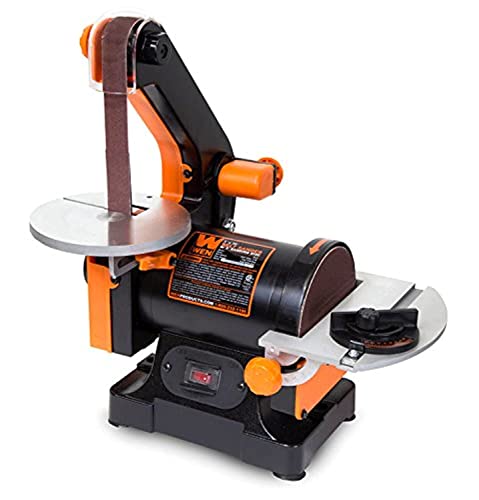
WEN Benchtop Belt and Disc Sander with 1 x 30 in. Belt and 5 in. Sanding Disc (6515T)
Two-in-one sanding machine includes both a 1-by-30 inch belt and a 5-inch disc
As an affiliate, we earn on qualifying purchases.
Conclusion
Reclaimed wood not only adds character and sustainability to your projects, but it also helps reduce waste. If you’re worried about durability or sourcing, rest assured—reclaimed wood is often stronger than new because it’s aged naturally. Plus, sourcing responsibly guarantees you get quality pieces that support eco-friendly practices. So, go ahead—embrace reclaimed wood for your next project. It’s a stylish, eco-conscious choice that combines beauty with purpose, making your space truly stand out.
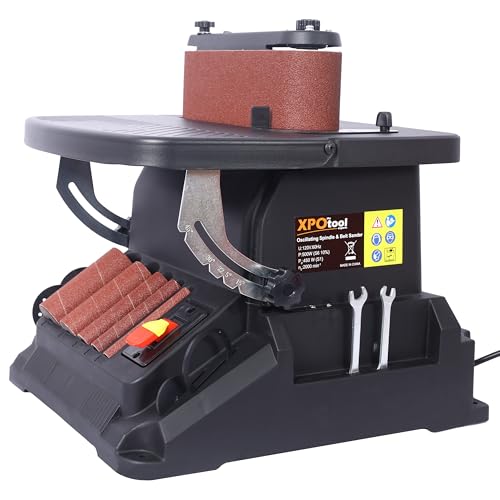
Vertical Oscillating Spindle Sander and Belt Sander 2 in 1 Woodworking Machine with 5 Sanding Sleeves 4x24 Inch Belt Tilting Table 0-45 Degrees for Curves Contours Detailed Workpieces
【Powerful Dual Sander Performance】This combination spindle sander and belt sander delivers robust power with 58 oscillations per minute...
As an affiliate, we earn on qualifying purchases.

KAKA INDUSTIRAL Spindle Sander,Drum Sander Vertical Oscillating Edge Belt and Spindle Sander 2 in 1 Compact Woodworking Machine for DIY Hobbyists 450W Motor 5 Sleeves Included WS-100D
Space Saving 2 in 1 Drum Sander DesignRapidly switch between oscillating drum sander and edge belt sander modes...
As an affiliate, we earn on qualifying purchases.