Upgrading your workshop with LED lighting and smart tools can make a big difference in energy efficiency. LEDs use less power, last longer, and provide bright, focused illumination, cutting your electric bills. Smart tools and thermostats help you monitor and control power use, preventing waste and reducing costs. Combining these technologies creates a more sustainable, budget-friendly workspace. Stay with us to discover simple steps that can turn your workshop into an eco-friendly and cost-effective environment.
Key Takeaways
- Upgrading to LED lighting reduces energy consumption and extends bulb lifespan.
- Installing motion sensors and timers optimizes lighting control and minimizes waste.
- Smart tools and outlets monitor and manage power use, preventing unnecessary energy consumption.
- Integrating LED lighting with smart devices enhances overall energy efficiency and operational cost savings.
- Combining smart technology with insulation and solar power creates a sustainable, cost-effective workshop environment.

Creating an energy-efficient workshop not only reduces your environmental impact but also saves you money in the long run. One of the most effective ways to achieve this is by harnessing solar power. Installing solar panels on your workshop’s roof allows you to generate clean energy directly from the sun, decreasing your reliance on grid electricity and lowering your utility bills. With advancements in solar technology, you can now incorporate solar-powered systems for lighting, tools, and even small appliances, making your workspace more sustainable. Combining solar power with proper insulation techniques further enhances your energy efficiency. Good insulation keeps the indoor temperature stable, reducing the need for heating or cooling, which can be energy-intensive. Focus on sealing gaps around windows, doors, and vents; adding insulation in walls, ceilings, and floors; and using reflective barriers to minimize heat loss or gain. When your workshop is well-insulated, you use less energy to maintain a comfortable environment, especially if you have a solar power system supplying your energy needs. Additionally, embracing creative problem-solving can help identify innovative ways to optimize your energy usage and further reduce costs.
In addition to these measures, upgrading your lighting to LED fixtures makes a significant difference. LEDs consume a fraction of the energy that traditional incandescent bulbs use and last much longer, saving you money on replacements and reducing waste. Position your lighting strategically to ensure every corner is well-lit without over-illumination, which wastes energy. Pairing LED lighting with motion sensors or timers can further optimize energy use, ensuring lights are only on when needed. Beyond lighting, integrating smart tools and devices can give you greater control over your energy consumption. Smart thermostats, for example, can automatically adjust temperature settings based on your schedule, reducing energy waste when the workshop is unoccupied. Similarly, smart outlets can monitor and manage power use for tools and equipment, alerting you to devices that are left on unnecessarily.
Creating an energy-efficient workshop requires a combination of smart choices and strategic planning. Solar power offers a renewable energy source, while insulation techniques keep your workspace temperature stable and energy needs low. Upgrading to LED lighting and employing smart tools further cuts down your consumption, making your workshop both eco-friendly and cost-effective. By implementing these measures, you not only contribute to a greener planet but also enjoy lower operational costs and a more comfortable working environment. Embracing these practices transforms your workshop into a model of energy efficiency, proving that sustainable choices benefit everyone.

hykolity 5000K LED Shop Light Linkable, 4FT Daylight 42W LED Ceiling Lights for Garages, Workshops, Basements, Hanging or FlushMount, Included Power Cord and Pull Chain, 4400lm, ETL- 1 Pack
✅ Super Bright – 4FT led shop lights feature 4400 lumens brightness at 5000K Daylight White by using…
As an affiliate, we earn on qualifying purchases.
As an affiliate, we earn on qualifying purchases.
Frequently Asked Questions
What Are the Cost Savings of LED Lighting Over Traditional Bulbs?
You’ll see significant cost savings with LED lighting compared to traditional bulbs, as LEDs use up to 75% less energy. The cost comparison shows lower electricity bills and longer-lasting bulbs, reducing replacement expenses. Plus, LEDs have a smaller environmental impact, thanks to reduced energy consumption and fewer hazardous materials. Over time, these savings add up, making LED lighting a smart, eco-friendly choice for your workshop.
How Do Smart Tools Enhance Energy Efficiency in Workshops?
Have you considered how smart tools boost energy efficiency? They do so through automation integration and real-time monitoring, which help you manage energy use more effectively. By automating tasks, you reduce unnecessary power consumption, and with real-time data, you can quickly identify inefficiencies. This proactive approach guarantees your workshop runs smoothly while saving energy, ultimately lowering costs and minimizing environmental impact. Isn’t it time to upgrade to smarter tools?
Are LED Lights Suitable for All Workshop Environments?
Yes, LED lights are suitable for most workshop environments. You can choose LEDs with different color temperatures to match your workspace needs, whether you prefer cooler, brighter light or warmer tones. Their light distribution is often adjustable, guaranteeing even illumination across work areas. This flexibility helps reduce shadows and glare, making your workspace safer and more efficient. Just verify the LED’s specifications align with your specific lighting requirements.
What Maintenance Is Required for Energy-Efficient Lighting Systems?
You need to regularly clean your fixtures to keep energy-efficient lighting systems functioning well. Check the bulb lifespan and replace bulbs when they dim or burn out to maintain brightness. Additionally, inspect the fixtures for dust or debris that can reduce efficiency. Proper maintenance guarantees your LED lights stay bright and last longer, saving you money on replacements and energy costs. Routine upkeep keeps your workshop well-lit and productive.
How Can I Measure the Energy Savings From Smart Tools?
You can measure your energy savings from smart tools by tracking sensor accuracy and analyzing the data collected. Studies show that proper sensor calibration can improve measurement precision by up to 25%. Use data analysis to compare energy consumption before and after implementing smart tools. This approach helps you identify actual savings, optimize tool performance, and justify investments. Regularly review the data to make certain your smart tools deliver consistent energy-efficient results.
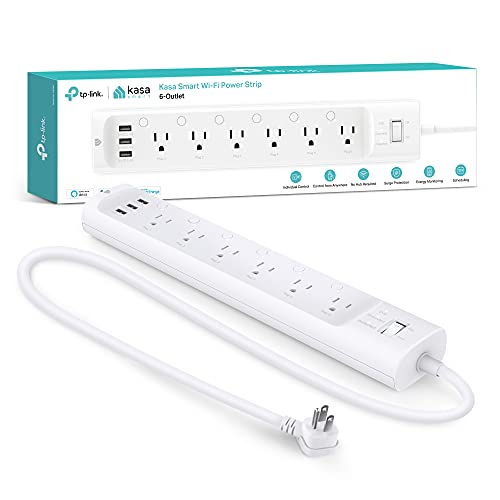
Kasa Smart Plug Power Strip HS300, Surge Protector with 6 Individually Controlled Smart Outlets and 3 USB Ports, Works with Alexa & Google Home, No Hub Required
6 smart outlets: Independently control 6 smart outlets, and charge 3 devices with built in USB ports; Ideal…
As an affiliate, we earn on qualifying purchases.
As an affiliate, we earn on qualifying purchases.
Conclusion
By switching to LED lighting and smart tools, you’ll transform your workshop into a powerhouse of energy efficiency. Imagine slashing your energy bills to almost zero while your workspace becomes a shining beacon of innovation. Every upgrade isn’t just a small step—it’s a giant leap toward saving the planet and your wallet. Don’t wait to revolutionize your workspace; embrace these tools today and watch your efficiency skyrocket beyond your wildest dreams!

ECO-WORTHY 200 Watts 12 Volt/24 Volt Solar Panel Kit with High Efficiency Monocrystalline Solar Panel and 30A PWM Charge Controller for RV, Camper, Vehicle, Caravan and Other Off Grid Applications
[Wide Application]: Daily Output 800wh/day under 4 hours full sunshine condition. Perfect for RV, Caravan, Marine, Camper, Electric…
As an affiliate, we earn on qualifying purchases.
As an affiliate, we earn on qualifying purchases.

Gritin 10.2inch Under Cabinet Lighting Rechargeable 2 Pack- 3 Color Temps&5 Level Brightness, Super Bright, 4 Modes, Motion Sensor, Long Lasting – Easy Installation Magnetic Under Closet Lights
Upgraded Premium Functionality: Built-in 84 super bright LEDs, the Gritin under cabinet light is crafted with aluminum alloy…
As an affiliate, we earn on qualifying purchases.
As an affiliate, we earn on qualifying purchases.