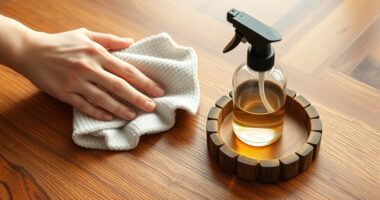
To keep your oiled finish looking great and protected, wipe on a thin layer of oil every few months or when the surface appears dull or dry. Clean the surface beforehand and avoid over-application to prevent stickiness. Pay attention to how your wood absorbs oil—more porous areas may need more frequent attention. Factors like humidity and usage affect timing, but a regular schedule helps maintain natural beauty. Keep exploring for tips to optimize your maintenance routine.
Key Takeaways
- Regularly assess the wood’s appearance for dullness or dryness to determine reapplication timing.
- Clean the surface thoroughly before wiping on a fresh coat of oil to ensure proper absorption.
- Apply a thin, even layer of oil with a soft cloth, then remove excess after a few minutes to prevent buildup.
- Reapply as needed, especially in high-use or moist areas, to maintain protection and deepen color.
- Consider environmental conditions like humidity and temperature to optimize drying and absorption during re-oiling.
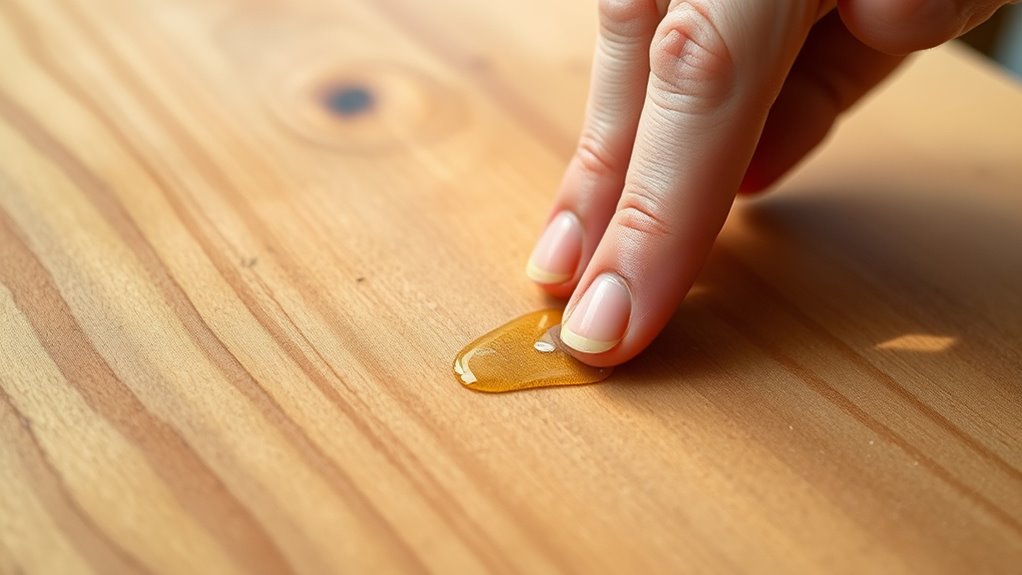
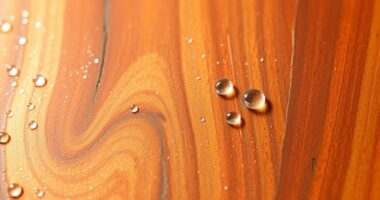
Oiled finishes are a popular choice for enhancing the natural beauty of wood surfaces. They deepen the wood’s color, bring out the grain, and provide a warm, matte look that many find appealing. When it comes to maintaining this finish, understanding how wood absorption works is essential. Wood is porous, which means it absorbs oil over time, especially in areas with frequent use or exposure to moisture. As the oil penetrates, it can become less visible, making the surface look dull or patchy. That’s where a well-planned wipe-on schedule comes into play, helping you keep your wood looking its best and protecting its integrity.
Regular maintenance with a simple wipe-on process can profoundly extend the life of your oiled finish. Typically, you’ll want to assess the surface’s appearance periodically. If the wood begins to look dry or dull, it’s a clear sign that it’s time for a refresh. When you apply a fresh coat, you’re not only restoring luster but also reinforcing the protective barrier that keeps moisture and dirt at bay. It’s a straightforward process: you wipe a thin layer of oil over the surface, allowing it to penetrate, then wipe off any excess after a few minutes. This method ensures even coverage without buildup, maintaining the natural feel of the wood.
To make your maintenance routine effective, keep a few tips in mind. First, always clean the surface thoroughly before reapplying oil. Dust, dirt, and grease can interfere with absorption, causing uneven patches. Use a soft cloth and mild cleaning solution to clear away debris. Next, avoid over-application—less is more here. Applying too much oil can lead to sticky spots and prolonged drying times, which can hinder the wood’s ability to breathe and absorb subsequent coats properly. Recognizing wood porosity and how it affects absorption helps in timing your reapplications effectively. Additionally, pay attention to environmental conditions. Humidity and temperature influence how well the oil penetrates and dries. Ideally, perform maintenance in a well-ventilated area with moderate humidity. Over time, you might notice the finish becoming less receptive to oil application; this is a sign that the surface has reached a saturation point, and a more thorough cleaning or light sanding might be necessary before re-oiling. Following these maintenance tips and understanding wood absorption helps you preserve the beauty and durability of your oiled surfaces, making your efforts worthwhile over the long haul.
Frequently Asked Questions
How Often Should I Reapply the Wipe-On Finish?
You should reapply the wipe-on finish every 6 to 12 months, depending on your maintenance schedule and the level of use. Regular reapplication helps maintain the finish’s protective qualities and appearance. If your piece sees heavy use or exposure to moisture, you may need to reapply more frequently. Keep an eye on the finish’s condition, and when it starts to look dull or worn, it’s time for another coat.
Can I Use Wipe-On Finishes on Outdoor Furniture?
Yes, you can use wipe-on finishes on outdoor furniture, but choose ones specifically designed for exterior use. They enhance the wood grain’s natural beauty while providing finish durability against weather elements. Keep in mind, outdoor conditions may require more frequent reapplication to maintain protection. Regularly inspect and reapply as needed to preserve the look and longevity of your furniture, especially in harsh climates.
What Tools Are Best for Applying Wipe-On Finishes?
You should use a high-quality, natural-bristle brush or a lint-free cloth to apply wipe-on finishes. For best brush techniques, work in thin, even coats, following the grain of the wood. This method enhances finish durability by preventing build-up and ensuring thorough coverage. Keep a clean brush or cloth handy, and reapply as needed, maintaining a smooth, consistent layer to protect and refresh your outdoor furniture effectively.
How Do I Remove Excess Oil During Application?
Imagine gently feathering a soft cloth over wet oil, catching excess before it settles. To remove excess oil during application, use a clean, lint-free cloth to wipe in the direction of the grain. Focus on oil removal with light, even pressure, avoiding over-application. Proper application techniques ensure a smooth finish, preventing buildup and enhancing the wood’s natural beauty. Keep wiping until the surface feels tack-free and evenly coated.
Are Wipe-On Finishes Suitable for All Wood Types?
Wipe-on finishes work well on most wood types because they enhance the wood grain and provide good finish durability. However, they may not be ideal for very soft or oily woods, which can absorb too much finish or cause uneven results. Always test on a small area first to see how the finish interacts with your wood. For best results, choose a wipe-on product suited to your specific wood type.
Conclusion
To keep your oiled finish looking its best, a gentle touch-up now and then can work wonders. Think of it as giving your piece a little spa day — a soothing wipe here, a tender refresh there. With a simple schedule, you’ll enjoy the warm glow and smooth feel longer than you imagined. Embrace these easy maintenance moments, and your furniture will continue to shine softly, inviting admiration without much fuss.