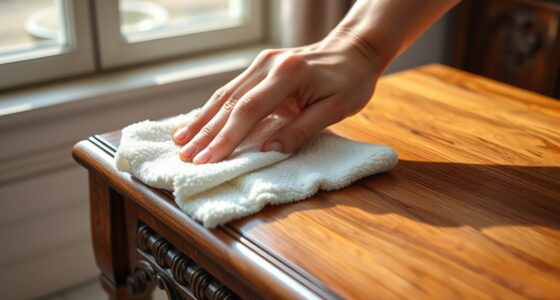
Creating a consistent schedule for cleaning and maintaining your home is essential for a safe and healthy long-term care environment. Regularly dust, vacuum, and disinfect to reduce allergens and prevent accidents, while dividing tasks weekly or bi-weekly keeps care manageable. Also, schedule routine inspections of heating, cooling, plumbing, and electrical systems to avoid costly breakdowns. Sticking to these plans promotes safety and comfort—keep exploring to discover how to tailor these routines to your specific needs.
Key Takeaways
- Establish a consistent cleaning schedule with checklists to ensure all areas are maintained regularly.
- Divide cleaning tasks into weekly or bi-weekly routines based on individual needs.
- Schedule routine inspections and maintenance of HVAC, plumbing, and electrical systems proactively.
- Set reminders for professional servicing to prevent unexpected breakdowns and safety hazards.
- Involve family or caregivers in maintenance plans to promote accountability and ongoing upkeep.
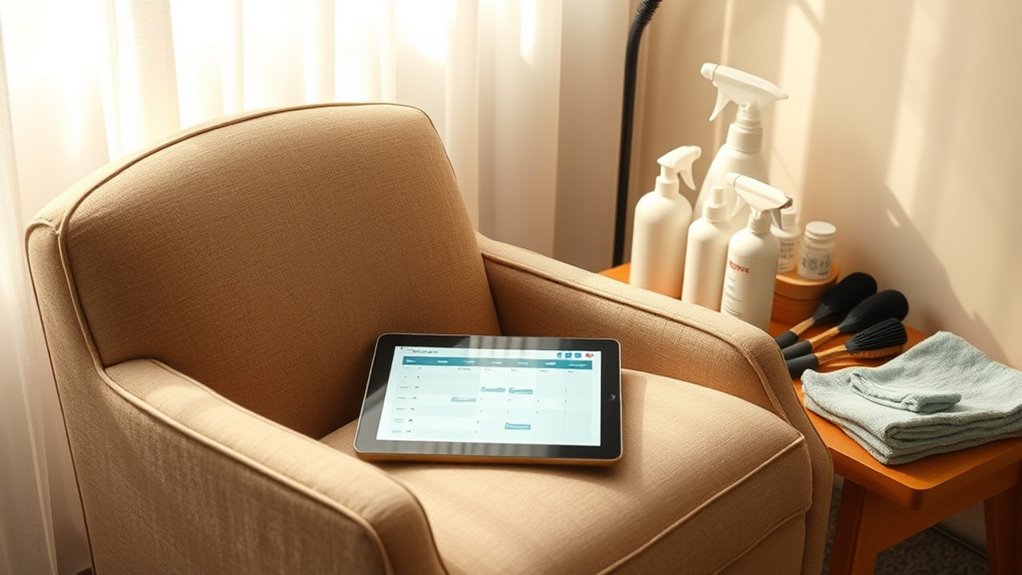
Are you prepared for the future when you might need assistance with daily activities? Planning for long-term care involves more than just medical arrangements; it’s about creating a system that supports your independence and comfort. One essential aspect often overlooked is maintaining a clean and well-conditioned environment. Developing a solid plan for cleaning schedules and condition maintenance ensures your living space remains safe, hygienic, and comfortable as you age. Staying proactive in these areas helps prevent accidents, reduces health risks, and promotes a sense of well-being.
Establishing a consistent cleaning schedule is key. When you have a routine, it’s easier to stay on top of chores that keep your environment sanitary and pleasant. Regularly dusting, vacuuming, and disinfecting surfaces can reduce allergens and bacteria, which is especially important if your mobility becomes limited. Creating a checklist and sticking to it helps guarantee no area gets neglected. This approach also minimizes the buildup of dirt and clutter, which can become hazards or cause discomfort. You might consider dividing tasks weekly or bi-weekly, depending on your needs, and involving family or caregivers if necessary. A structured cleaning schedule not only keeps your space tidy but also provides peace of mind, knowing you’re actively maintaining a safe environment.
A consistent cleaning routine ensures a safe, tidy, and healthy living environment.
Condition maintenance is equally essential. Your home’s infrastructure – from heating and cooling systems to plumbing and electrical wiring – needs regular inspection and upkeep. This proactive approach prevents sudden breakdowns that could leave you stranded without necessary services. Scheduling routine maintenance for your HVAC system ensures proper airflow and temperature control, which is critical for comfort and health. Keeping an eye on plumbing helps avoid leaks or water damage, and checking electrical systems reduces the risk of fire hazards. Staying ahead with professional inspections and timely repairs prolongs the lifespan of your home’s features and helps you avoid costly emergencies. It’s wise to set reminders for these tasks, or work with a trusted service provider who can keep your home in excellent condition. Additionally, staying informed about home safety measures can further enhance your environment’s security and functionality.
Ultimately, integrating cleaning schedules and condition maintenance into your long-term care plan creates a safer, healthier environment for the future. It’s about taking control now to reduce potential complications later. When you prioritize these aspects, you’re not just preserving the physical integrity of your home but also fostering peace of mind. Knowing your space is well-maintained allows you to focus on enjoying each day, confident that your environment supports your ongoing independence. Long-term care planning isn’t just about medical needs; it’s about making sure your living situation adapts to your evolving needs, with cleanliness and condition being fundamental pillars.
Frequently Asked Questions
How Do I Choose the Right Cleaning Schedule for My Needs?
You should consider your cleaning frequency based on how often your space gets dirty and your lifestyle. Think about the products you select—opt for those suitable for your surfaces and needs. Regular cleaning helps maintain a healthy environment, so adjust your schedule as needed. By choosing the right products and setting a consistent routine, you’ll keep your space clean and well-conditioned without overdoing it.
What Are the Best Conditioning Products for Long-Term Care?
Did you know that using the right conditioning product can reduce hair breakage by up to 85%? For long-term care, choose deep conditioning products tailored to your hair type. Look for nourishing ingredients like keratin, argan oil, or shea butter, which strengthen and hydrate. Proper product selection guarantees your hair stays healthy, shiny, and resilient over time, making your long-term care routine more effective and enjoyable.
How Often Should I Reassess My Long-Term Care Plan?
You should reassess your long-term care plan every 6 to 12 months. Regular checks help you evaluate product durability and determine if the maintenance frequency remains appropriate. If you notice signs of wear or changes in usage, it’s a good idea to reevaluate sooner. Staying proactive ensures your plan stays effective, minimizes damage, and extends the lifespan of your investments. Regular reviews keep your care plan aligned with your needs.
Can I Customize Cleaning and Conditioning Routines?
You can absolutely tailor your cleaning and conditioning routines to fit your needs. With personalized routines and flexible scheduling, you get to decide what works best for your hair type and lifestyle. This approach guarantees your hair stays healthy and vibrant without feeling like a chore. Embrace customization to make your hair care routine enjoyable and effective, giving you the confidence that you’re caring for your hair in the way that suits you best.
What Are Common Mistakes to Avoid in Long-Term Care Planning?
You should avoid ignoring maintenance needs and overusing products in your long-term care plan. Regularly schedule cleaning and conditioning to prevent damage and keep your surfaces in top shape. Don’t skip maintenance, as it can lead to costly repairs later. Also, use products as directed; overdoing it can cause buildup or damage. Staying consistent and mindful helps extend the lifespan of your furniture and flooring.
Conclusion
By scheduling regular cleaning and conditioning, you’ll keep your long-term care plan on track and your space in top shape. It might seem like a hassle now, but these small steps save you time, money, and stress later. Plus, a well-maintained environment boosts your comfort and confidence. So, don’t let the effort deter you—think of it as investing in a cleaner, healthier future you’ll enjoy every day.