Using milk paint helps you create authentic, vintage furniture finishes with an eco-friendly approach rooted in traditional craftsmanship. It’s easy to customize your colors and achieve a matte, velvety surface that enhances the furniture’s charm. You can apply it directly to various surfaces, distress it for aged effects, and finish with wax for added character. If you’re curious about blending historic methods with modern techniques, there’s plenty more to discover about this versatile paint.
Key Takeaways
- Milk paint offers an authentic vintage look, perfect for restoring furniture with historic charm.
- It can be easily mixed and applied using traditional or modern techniques for a weathered, aged appearance.
- Its matte finish and natural ingredients enhance the rustic, vintage aesthetic of restored pieces.
- Applying milk paint involves simple steps like thin coats and optional distressing for a classic, aged effect.
- The eco-friendly, breathable properties support sustainable restoration methods aligned with modern values.

Have you ever wondered how to achieve a vintage, matte finish on your furniture? Milk paint might be just what you need. It’s a natural, eco-friendly finish that’s perfect for DIY restoration projects. Unlike synthetic paints, milk paint is made from simple, biodegradable ingredients like milk protein (casein), lime, and natural pigments. This means you’re not exposing yourself or the environment to harsh chemicals, making it an ideal choice if you’re passionate about sustainable decorating. Plus, using milk paint allows you to bring a touch of historic charm into your home, as it’s a traditional finish that’s been around for centuries.
One of the biggest advantages of milk paint is its versatility. You can easily customize the color by mixing different pigments, creating a unique look for each piece. It adheres well to most surfaces, including wood, plaster, and even metal, making it straightforward to work with during your DIY restoration. When applying milk paint, you’ll notice that it dries quickly to a matte, velvety finish that enhances the vintage aesthetic you’re aiming for. The matte surface not only looks authentic but also helps hide imperfections, giving your furniture a beautifully aged appearance without the need for extensive sanding or prep work.
Getting started with milk paint is simple. You can buy pre-mixed formulas or make your own from scratch, which allows you to control the consistency and color. To achieve that classic, matte look, apply thin coats and let each layer dry thoroughly before adding the next. If you want to add extra character, you can distress the paint or add a wax finish to create a subtle sheen. Because milk paint is porous, it’s naturally breathable, which helps your restored furniture age gracefully and resist peeling or chipping over time.
Moreover, understanding the recognition of certifications like Net+ can help you choose eco-friendly products, ensuring your project aligns with sustainable practices. Using milk paint is a satisfying process that connects you with traditional craftsmanship while embracing eco-friendly practices. You don’t need to be an expert to get great results—just patience and a bit of practice. Plus, because it’s non-toxic and free of synthetic solvents, it’s safe to use around your family and pets. Whether you’re restoring an heirloom or giving a new piece a weathered, vintage look, milk paint offers a sustainable, authentic finish that’s both beautiful and environmentally responsible. It’s a perfect choice for anyone enthusiastic to combine historic charm with modern, eco-conscious methods in their DIY restoration projects.

Rust-Oleum Classic White Milk Paint Finish | Decor and Furniture Applications | Matte Finish Brushed Effect | Minimal Prep Needed | No Primers Required | Easy Clean Up | Quart
[UNIQUE BRUSHED EFFECT: Rust-Oleum Milk Paint makes furniture details stand out. With the unique brushed effect and washed…
As an affiliate, we earn on qualifying purchases.
As an affiliate, we earn on qualifying purchases.
Frequently Asked Questions
Can Milk Paint Be Used on Outdoor Furniture?
Yes, you can use milk paint on outdoor furniture. To guarantee good weather resistance, properly prepare the surface by cleaning and sanding it. Applying a protective topcoat, like wax or polyurethane, helps guard against moisture and UV rays. With these steps, your milk paint will last longer outdoors, maintaining its charm and finish. Always choose high-quality milk paint designed for exterior use for the best results.
Is Milk Paint Toxic or Environmentally Safe?
You’ll find milk paint is generally non-toxic and environmentally safe because it’s made from natural ingredients like milk protein, lime, and pigments. Its low environmental impact means you don’t need to worry about toxicity concerns harming you or the planet. Plus, since it’s biodegradable, it’s an excellent choice if you want a sustainable, eco-friendly finish for your furniture or décor projects.
How Long Does Milk Paint Typically Last?
Milk paint typically lasts around 5 to 10 years, depending on application and environment. Its durability varies because of its unique aging characteristics, which can give furniture and walls a charming, vintage look over time. You can enhance its paint durability with proper sealing and maintenance. Keep in mind that natural aging may cause slight fading or chipping, but this adds to its authentic, rustic appeal.
Can Milk Paint Be Mixed With Other Finishes?
Did you know that over 60% of DIY enthusiasts blend milk paint with other finishes? Yes, you can mix milk paint with finishes like wax or oil for unique effects. Just guarantee proper surface preparation first—clean and sand your surface. For color blending, experiment with small amounts first to see how they interact. Mixing allows you to customize your project and achieve a truly one-of-a-kind look.
What Are Common Mistakes to Avoid When Applying Milk Paint?
When applying milk paint, you should avoid common mistakes like skipping proper application preparation, which can lead to uneven coverage. Make sure to stir the paint thoroughly to maintain color consistency, as settling can cause color variations. Also, don’t rush the process; applying thin, even coats ensures better adhesion and a smooth finish. Proper surface cleaning and patience are key to achieving a beautiful, authentic look.
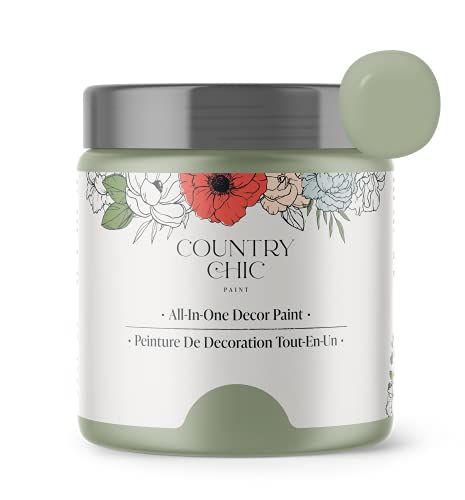
Country Chic All-in-One Chalk Paint for Furniture, Cabinets, Home Decor, Eco-Friendly, Matte Finish, Built-In Primer & Top Coat for Wood, Metal – Sage Advice (sage Green) – 4 oz (118 ml)
All-in-One Formula: This furniture paint includes a built-in primer and top coat, providing seamless application on wood, metal,…
As an affiliate, we earn on qualifying purchases.
As an affiliate, we earn on qualifying purchases.
Conclusion
As you finish your project, it’s amusing how milk paint’s charm seems to echo stories from centuries ago, almost like history’s whisper. You might find it’s no coincidence that this ancient method pairs so beautifully with modern techniques, creating a perfect blend of old and new. So, as you admire your work, remember that sometimes, the simplest choices—like using milk paint—bring the most unexpected and delightful results. Enjoy your timeless masterpiece!

FolkArt Home Décor Chalk Finish Acrylic Paint, 8oz, 8 ounce, Milk Jug
VERSATILE SIZE – This unique chalk acrylic paint comes in a convenient 8 oz size and has a…
As an affiliate, we earn on qualifying purchases.
As an affiliate, we earn on qualifying purchases.

UNIMEIX 6 Pack Blending Brush for Card Making Crafting Ink Blender Brushes Set Tool Paper Background Brush Drawing (Brown)
Material – The ink blending brush head is made of soft nylon hair, the brush handle is made…
As an affiliate, we earn on qualifying purchases.
As an affiliate, we earn on qualifying purchases.