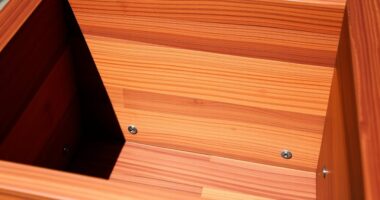
To make a wooden swing for your porch or backyard, choose durable, rot-resistant wood like cedar or redwood, and decide on the size and style that fits your space. Make certain you select sturdy hardware such as eye bolts and chains to securely mount the swing to a strong support. Proper installation and regular safety checks are essential to keep it secure and comfortable. Keep exploring for step-by-step guidance to build a safe, beautiful swing that lasts.
Key Takeaways
- Select durable, rot-resistant wood like cedar or redwood, and determine an appropriate size and seating capacity for comfort.
- Use sturdy hardware such as eye bolts and chains rated for the swing’s weight, securely anchored to a strong beam or ceiling joist.
- Ensure the swing height allows easy mounting and dismounting, with ropes or chains of suitable length to achieve a comfortable hanging position.
- Install a soft, impact-absorbing ground surface like mulch or rubber mats beneath the swing for safety.
- Regularly inspect hardware and wood for wear or damage, tightening or replacing parts to maintain safety over time.
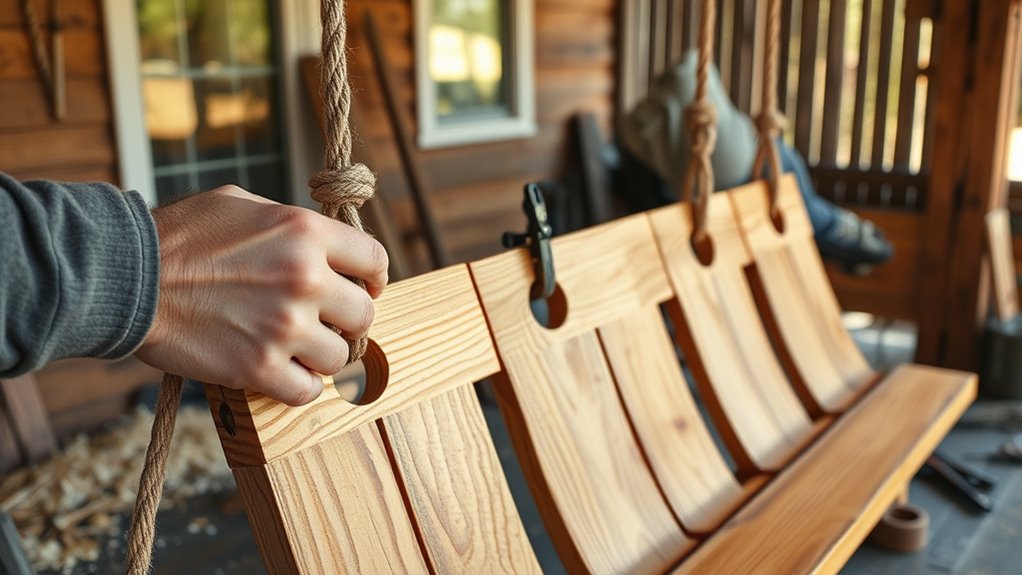
Creating a wooden swing is a rewarding project that combines craftsmanship with outdoor fun. When you start designing your swing, it’s vital to consider various design considerations to guarantee it’s both functional and visually appealing. Think about the size of the swing, how many people it should comfortably seat, and the type of wood that will withstand outdoor elements. Durable woods like cedar, redwood, or treated pine are excellent choices because they resist rot and pests. Additionally, consider the style—whether you want a classic bench, a cozy nest swing, or a more decorative design. Decide on the length of the ropes or chains, ensuring they are long enough to hang the swing at a comfortable height without hitting the ground. Keep in mind the space available in your porch or backyard to prevent overcrowding and allow room for swinging freely.
While focusing on the design, safety tips should be at the forefront of your planning. First, always select sturdy, high-quality hardware—eye bolts, hooks, and chains—that can handle the weight of the swing and its occupants. Securely anchoring the swing to a strong beam or ceiling joist is vital; avoid attaching it to weak or damaged wood. When installing, double-check that all hardware is tightened properly and that there are no sharp edges or protrusions that could cause injury. The swing seat itself should have smooth, rounded edges to prevent splinters and discomfort. If you’re using ropes, make sure they are thick enough and in good condition, with no frays or signs of wear. To enhance safety, regularly inspect the swing for any signs of deterioration, tightening hardware and replacing worn parts as needed. Also, consider the ground surface beneath the swing—placing soft material like mulch, grass, or rubber mats can cushion falls, reducing injury risk.
Another safety tip is to limit the swing’s weight capacity based on the hardware and wood strength. Never overload it, and educate children on how to use it responsibly. Make sure the swing is installed at a height that minimizes the risk of falling, yet allows for easy mounting and dismounting. Remember, safety isn’t a one-time task; it’s an ongoing process. Regular maintenance checks will keep your swing safe for years to come. Additionally, understanding the role of hardware quality and how it impacts overall safety can help you make informed choices during installation. By carefully considering design elements and adhering to safety tips, you can create a beautiful, secure wooden swing that becomes a cherished feature of your outdoor space, providing endless enjoyment for family and friends alike.
Frequently Asked Questions
What Safety Precautions Should I Take During Installation?
You should wear safety gear like gloves, goggles, and a dust mask during installation to protect yourself. Make certain the mounting is secure by double-checking the hooks, ropes, and brackets before use. Use a sturdy ladder and avoid working alone on high or unstable surfaces. Follow the manufacturer’s instructions carefully, and test the swing’s stability before regular use. Taking these precautions helps prevent accidents and guarantees a safe, enjoyable swing.
Can I Customize the Size and Design of the Swing?
Absolutely, you can customize the size and design of your swing. Think of it like tailoring a suit—your choices in design customization and material selection shape the perfect fit. You might opt for a wider seat or a curved backrest to match your style. Just guarantee your measurements are precise, and select sturdy, weather-resistant materials to keep your personalized swing both beautiful and durable.
What Types of Wood Are Best for Outdoor Use?
You should choose types of wood that offer excellent outdoor durability, like cedar, teak, redwood, or pressure-treated pine. These woods resist moisture, decay, and insect damage, making them ideal for outdoor swings. Cedar and redwood are naturally resistant, while teak has high oil content for longevity. Pressure-treated pine is affordable and durable when properly sealed. Selecting these options guarantees your swing stays sturdy and beautiful over time.
How Do I Maintain and Weatherproof the Swing?
You’ll want to start with proper wood treatment to protect your swing. Apply a high-quality weather resistance sealant or outdoor stain regularly, preferably once a year, to keep it looking good and lasting longer. Keep an eye out for signs of wear or damage, and reapply treatment as needed. Cover your swing during harsh weather or bring it indoors to extend its life and maintain its beauty over time.
Is It Suitable for Children or Only Adults?
Yes, your wooden swing is suitable for children, but you need to guarantee child safety by adjusting the swing height appropriately. Always supervise young children and use sturdy, secure hardware. Check that the seat and ropes are in good condition, and avoid swinging too high to prevent falls. Proper installation and regular maintenance help keep your young ones safe while they enjoy the swing.
Conclusion
Now, picture yourself gently swaying on your handcrafted wooden swing, the breeze softly rustling the leaves above. Feel the warmth of the sun on your skin and hear the distant chirping of birds as you relax into the rhythmic motion. Your porch or backyard becomes a peaceful retreat, a place where craftsmanship and nature blend seamlessly. With each gentle swing, you create memories and a cozy haven, all built with your own hands and a touch of outdoor serenity.