To build a strong trellis, focus on weatherproof joinery like screws, brackets, or mortise-and-tenon joints that provide stability and durability. Anchor your posts firmly into the ground, ideally in concrete or buried at least one-third deep to prevent shifting. Properly securing joints and using sturdy fasteners help support climbing plants and endure weather conditions. For a detailed guide on creating a lasting structure, keep exploring how to optimize your trellis’s design and construction.
Key Takeaways
- Use weatherproof screws, bolts, and corner brackets for secure, durable joinery in trellis construction.
- Incorporate strong joints like dovetail or mortise-and-tenon for added stability.
- Bury posts at least one-third into the ground or set in concrete for secure anchoring.
- Attach trellises to walls or fences with heavy-duty anchors to prevent tipping.
- Regularly inspect and tighten joints and anchors to maintain structural integrity over time.
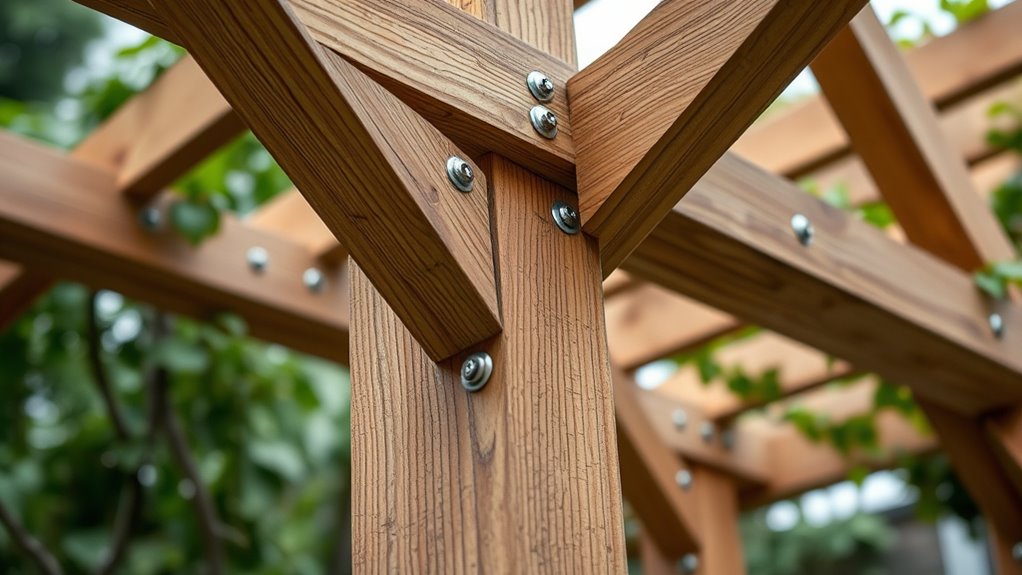
Have you ever wondered how to support your climbing plants effectively? Building a sturdy trellis is a great way to give your plants the climbing support they need while enhancing your garden decor. A well-constructed trellis not only provides a practical structure for your plants to grow on but also adds visual interest to your outdoor space. When you start designing your trellis, consider the joinery and anchoring methods you’ll use, as these are essential for its stability and longevity.
First, choose the right materials. Wooden trellises offer a natural look that blends seamlessly with garden decor, but ensure the wood is treated to withstand weather conditions. Metal or vinyl options can also be durable choices, especially if you want a low-maintenance structure. Once you’ve selected your materials, plan the design based on the plants you want to support and the space available. Simple lattice patterns work well for most climbing plants and are easy to assemble.
Choose weather-treated wood or durable materials like metal or vinyl for your trellis.
Joinery is key to a strong trellis. For wooden structures, use weatherproof screws and bolts rather than nails, which can loosen over time. When connecting vertical and horizontal pieces, consider using corner brackets or metal braces for added strength. If you’re creating a freestanding trellis, verify the joints are well-secured, as these will bear the weight of the growing plants. For more complex designs, dovetail or mortise-and-tenon joints can provide extra stability, but they require precise craftsmanship. Additionally, selecting the appropriate adhesives or fasteners can enhance the overall durability of your structure.
Anchoring your trellis properly is equally important. For freestanding models, bury the posts at least a third of their length into the ground, and set them in concrete for maximum stability. This prevents the structure from toppling over in strong winds or under the weight of mature plants. If you’re attaching the trellis to a wall or fence, use heavy-duty anchors or brackets that can support the combined weight. Make sure the anchoring points are level and secure, as uneven or loose attachments will compromise the entire structure.
Incorporating these joinery and anchoring techniques ensures your trellis remains durable and functional. A stable trellis not only provides reliable climbing support for your plants but also stands as an attractive garden decor feature. Regularly check the joints and anchors for signs of wear or loosening, especially after harsh weather, and tighten or repair as needed. With thoughtful construction, your trellis will become a lasting centerpiece that supports your plants beautifully while elevating your garden’s aesthetic.

Mabeeze One Way Anchor Vise for 12-13 Gauge Fence Wire Grape Trellis 10 Pack Heavy Duty Wire Tightener and Tensioner with Screws for Vineyard and Arbor
SECURE ONE WAY ANCHOR VISE: Our One Way Anchor Vise for Grape Trellis works as a reliable wire…
As an affiliate, we earn on qualifying purchases.
As an affiliate, we earn on qualifying purchases.
Frequently Asked Questions
What Types of Wood Are Best for Outdoor Trellises?
You should choose cedar, redwood, or pressure-treated wood for outdoor trellises, as these woods resist rot and pests. When selecting wood, consider treatments like sealants or stains to protect against weather. Design considerations include ensuring proper anchoring and using durable joinery techniques. By using the right wood and treatments, your trellis will last longer and maintain its appearance, even in harsh outdoor conditions.
How Do I Prevent Pests From Damaging My Trellis?
Think of your trellis as a fortress, and you’re the guardian. To prevent pests, choose pest-resistant materials like cedar or redwood, which naturally deter insects. Use natural pest deterrents such as neem oil or garlic spray to keep bugs away. Regularly inspect your trellis for signs of pests, and keep the area clean and free of debris. These strategies help protect your trellis and ensure your plants flourish.
Can Trellises Support Heavy Climbing Plants?
Yes, trellises can support heavy climbing plants if you choose a sturdy design and quality materials. To guarantee plant support and trellis durability, opt for strong wood, metal, or reinforced materials. Secure the structure firmly to the ground or wall, and use additional anchoring if needed. Properly constructed trellises can handle significant weight, giving your heavy plants a reliable support system to grow healthy and strong.
What Tools Are Essential for Trellis Construction?
When building a trellis, you need essential tools like a drill, saw, measuring tape, and level. For example, using a power drill speeds up assembly and guarantees precise joinery, but remember to prioritize power tool safety to avoid accidents. Consider environmental impact by choosing eco-friendly materials and minimizing waste. These tools help you create sturdy, beautiful trellises that support your climbing plants effectively and sustainably.
How Do I Maintain and Clean My Trellis Over Time?
You should regularly inspect your trellis for dirt buildup and weather damage. Clean it with a gentle brush or hose, and apply weatherproofing techniques like sealants or paint to safeguard against moisture. To prevent soil erosion at the base, ensure proper anchoring and add mulch or ground cover. Maintaining your trellis keeps it sturdy, extends its lifespan, and supports healthy plant growth.

Alffun 8 Pcs Raised Garden Bed Corner Brackets for 12"-24" Wood Planter Box, 11" x 3" x 3" Rust-Resistant Metal Corner Brackets with Screws for Flower Beds, Vegetable Gardens, Furniture, Sand Box
Heavy-Duty Steel: Made from thick powder-coated steel, these L-shaped raised bed corner brackets are rust-resistant, corrosion-proof, and provide…
As an affiliate, we earn on qualifying purchases.
As an affiliate, we earn on qualifying purchases.
Conclusion
Now that you’ve learned how to build sturdy trellises, your garden will bloom with life, climbing and sprawling like a masterpiece painted in green. With careful joinery and solid anchoring, your structure becomes the silent guardian of your plants’ ascent. Imagine your vines reaching skyward, a living archway of growth and beauty, as you watch your hard work turn into a lush, vibrant sanctuary. Your garden’s future is now rooted in your hands.
mortise and tenon joint kit
As an affiliate, we earn on qualifying purchases.
As an affiliate, we earn on qualifying purchases.
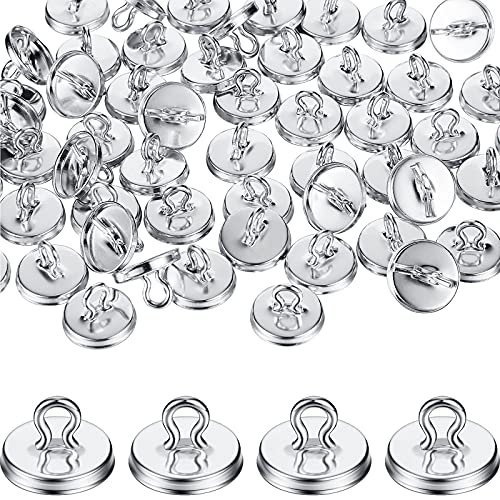
WILLBOND 80 Pieces Garland Hanging Hooks Plant Anchors for Trellis Plant Vine Trellis Anchor Wall Fixture Clips for Garland Light Decorations (Silver)
Sufficient Quantity: our set includes 80 pieces garland hangers, these practical plant tools can be applied for your…
As an affiliate, we earn on qualifying purchases.
As an affiliate, we earn on qualifying purchases.