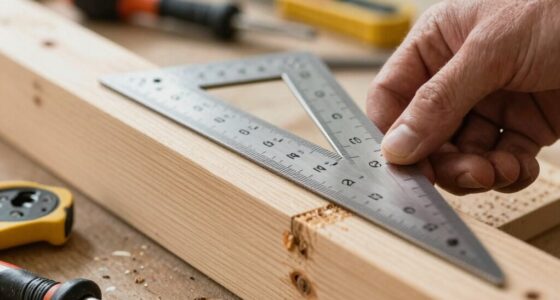
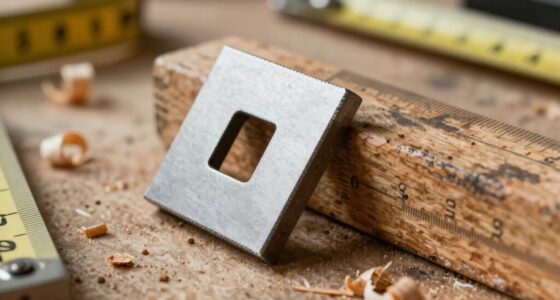
To avoid ruinous joinery, choose a straightedge made of metal or high-quality plastic that stays straight over time. Always inspect it visually and physically for warping, dents, or bends before use, and avoid flexible or cheap options. Secure the straightedge firmly with proper clamping techniques and handle it carefully to prevent bending. Maintaining a stable environment and supporting long rulers during measurements also helps. Keep these tips in mind to make certain of accurate cuts—there’s more to mastering straightedge selection.
Key Takeaways
- Choose high-quality, rigid materials like metal or sturdy plastic to reduce warping risks.
- Always visually inspect your straightedge for bends, dents, or warping before use.
- Use proper clamping techniques at both ends and intermediate points to maintain straightness.
- Avoid exposing straightedges to temperature fluctuations that can cause expansion or contraction.
- Handle and store straightedges carefully to prevent bending, ensuring accurate joinery results.

Choosing the right straightedge is vital for achieving accurate and precise lines in your projects. When you’re working on joinery or any task requiring straight cuts, a warped or bent ruler can be your worst enemy, leading to misaligned joints and flawed results. To prevent this, focus on understanding how to select a straightedge that maintains measurement accuracy. One of the key factors involves mastering proper clamping techniques. When you clamp a straightedge, ensure it’s secured firmly but without excessive pressure that might cause warping. Using the right clamps and distributing pressure evenly across the ruler’s length prevents bending, which is essential for maintaining measurement accuracy. Additionally, consider the materials of the straightedge; metal or high-quality rigid plastics tend to stay straight longer than cheaper, flexible options.
Before you start, always visually inspect the straightedge for any bends or dents. It’s a good idea to lay it flat on a smooth surface and check for light gaps or inconsistencies. If you notice any warping, don’t use that ruler for precise measurements. When clamping the straightedge, position your clamps at both ends and at several intermediate points depending on the length. This technique ensures that the ruler remains perfectly aligned and flat against your workpiece. Keep in mind that the environment plays a role as well. Temperature changes can cause materials to expand or contract, so work in a stable environment whenever possible.
Measurement accuracy hinges on more than just the straightedge itself; your setup and handling make a difference. Always use consistent clamping pressure and double-check your measurements before making any cuts. When marking lines, don’t rely solely on the straightedge; use a sharp pencil or marking knife, and run it along the edge smoothly without pressing down too hard, which might cause the ruler to shift or bend slightly. If you’re working with long or flexible straightedges, consider using additional support like clamps or temporary braces to prevent any flexing during measurement. Ensuring material stability and proper handling are critical for achieving the best results.

ZZTX Ruler Metal Straight Edge Stainless Steel Ruler 16 Inch Ruler Set Rulers Bulk 2 Pack
MATERIAL – Made of quality stainless steel to Prevent Rust & Corrosion, heavy duty and non-bendable.Stainless steel material…
As an affiliate, we earn on qualifying purchases.
As an affiliate, we earn on qualifying purchases.
Frequently Asked Questions
What Are the Best Materials for a Straightedge?
You should choose a straightedge made from durable materials like aluminum or steel, as they resist warping and provide accurate measurements. While steel offers excellent durability, it can be pricier, so aluminum is a good balance between cost and performance. Avoid cheaper materials like plastic, which tend to distort easily and compromise your joinery work. Prioritize durability and cost considerations to ensure a reliable, long-lasting straightedge for your projects.
How Do I Prevent Warping in My Straightedge?
To prevent warping in your straightedge, you should use proper clamp techniques when working and avoid over-tightening, which can cause stress. Store your straightedge in a cool, dry place, ideally flat or hanging on a wall, to minimize exposure to humidity and temperature fluctuations. Regularly check for signs of warping and correct minor issues early. This proactive approach keeps your straightedge accurate and reliable for precise joinery.
Can a Warped Straightedge Be Repaired?
Did you know that over 60% of warped straightedges can be effectively repaired? Yes, you can fix a warped straightedge using proper straightedge calibration techniques and warp detection methods. First, identify the warp with accurate warp detection techniques. Then, carefully straighten or reshape it using gentle heat or flattening methods. Regularly checking and calibrating your straightedge prevents future warping, ensuring precise joinery every time.
Are Digital Straightedges More Reliable Than Traditional Ones?
Digital straightedges are generally more reliable than traditional ones because of digital calibration features that guarantee consistent accuracy. They also often use more durable materials, reducing warping and wear over time. You can trust digital models for precise measurements, especially when joinery quality matters. While traditional straightedges depend on material quality alone, digital ones offer added reliability through technology, making them a better choice for critical projects.
How Does Straightedge Warping Affect Joinery Accuracy?
Warped measurement is like a mirage in a desert; it distorts your view of true dimensions. Ruler distortion from straightedge warping directly impacts joinery accuracy, causing cuts to be imprecise and joints to fit poorly. When your straightedge warps, it leads to inconsistent measurements, compromising the entire project. To guarantee perfect joinery, always use a straightedge that stays true and flat, avoiding the pitfalls of warped rulers.
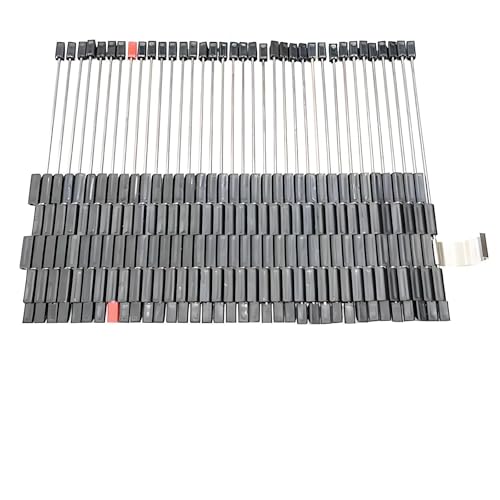
Multi-Functional Multi-Surface Pipe Profiler Tool, Multipurpose Shape Collector Shaping Tools Molding Tools, Adjustable Pipe Irregular Contour Measuring Tool(500mm)
【Easy Precision Piping and EDGE Contouring】Quickly reproduce complex shapes and curves with high accuracy. This tool is perfect…
As an affiliate, we earn on qualifying purchases.
As an affiliate, we earn on qualifying purchases.
Conclusion
Choosing the right straightedge isn’t just about convenience—it’s vital for precise joinery. Did you know that even a slight warp in a ruler can cause up to 2% deviation over a foot? That tiny error can ruin your project’s accuracy and strength. So, always double-check your straightedge for warps before marking or cutting. Investing in a high-quality, rigid ruler ensures your joints stay tight and true, saving you time and frustration in the long run.

Fulton 24" Anodized Aluminum Straight Edge Tool with .001 Tolerance Precision Edge, Check Straightness On Metal Surface Tops & Machinery, Layout Tool for Marking and Scribing Lines
ACCURATELY CHECK FLATNESS – Achieve perfectly flat surfaces effortlessly! This aluminum straight edge tool lets you identify gaps…
As an affiliate, we earn on qualifying purchases.
As an affiliate, we earn on qualifying purchases.
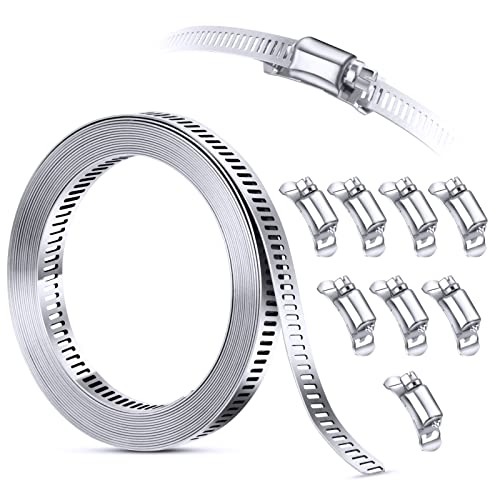
Steelsoft 304 Stainless Steel Hose Clamp Assortment Kit DIY, Cut-To-Fit 12 FT Metal Strap+8 Stronger Fasteners,Large Adjustable Worm Gear Band Hose Clamps Screw Clamps Duct Pipe Metal Clamp Strapping
DIY Hose Clamps: Our hose clamp assortment is an awesome kit for you to determine your own size…
As an affiliate, we earn on qualifying purchases.
As an affiliate, we earn on qualifying purchases.