
If you rely on inconsistent or inaccurate reference points, your measurements will often be off, causing your projects to go out of square over time. Small errors in establishing a baseline or using unreliable landmarks can accumulate, leading to misalignments and structural issues later on. To stay on track, you must focus on precise, verified measurements from trusted reference faces. Keep this in mind, and you’ll uncover how to prevent these pitfalls as you explore further.
Key Takeaways
- Relying on inconsistent or incorrect reference faces leads to cumulative measurement errors in projects.
- Small habitual inaccuracies, like misaligning reference points, can cause a project to go out of square over time.
- Properly establishing and verifying reference points early prevents misalignment and maintains project integrity.
- Ignoring or neglecting accurate reference faces results in structural misalignments and the need for rework.
- Consistent use of reliable landmarks and diligent measurement practices keep projects aligned and square.
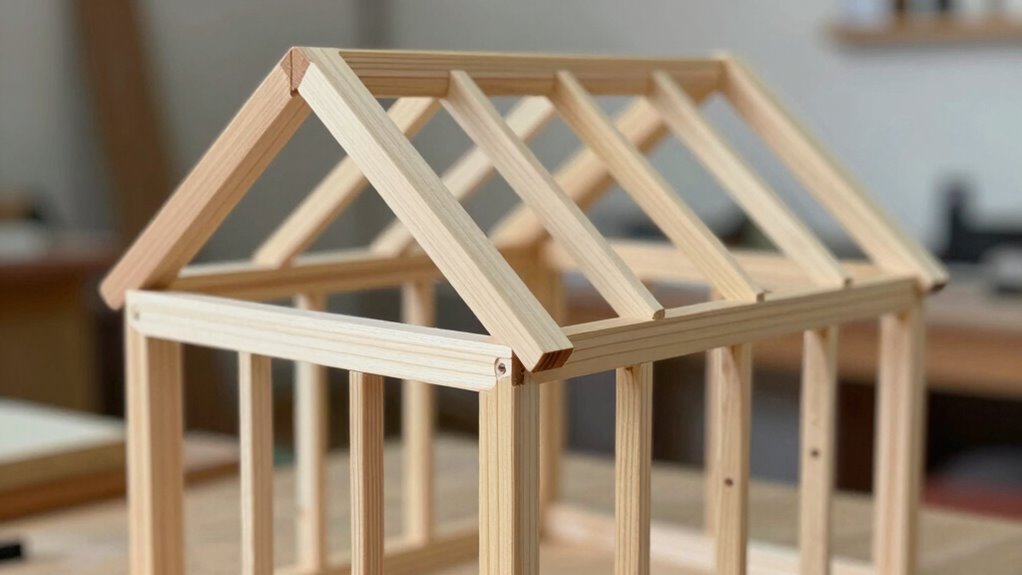
Have you ever wondered how your daily facial habits influence your overall appearance? It might seem unrelated, but just like these habits shape your look, similar principles apply when you’re working on projects that require precision, especially in tasks like construction or design. One key factor that often causes projects to go out of square is a lack of proper reference points, which ties directly into the concept of measurement accuracy. When you neglect to establish consistent reference faces or landmarks, your project planning can become flawed from the start. Without reliable measurements, every subsequent step is built on shaky ground, leading to misalignments that appear small but compound over time, making the entire project drift out of square.
In project planning, setting an accurate reference face is essential. Think of it as establishing a baseline or a standard measurement that guides every decision you make moving forward. If your reference face isn’t precise or is inconsistent, your measurements will be off, and the entire project could veer away from the intended dimensions. This is similar to how habits like pressing your phone to the same side of your face or favoring one side when applying makeup can subtly influence your facial symmetry. Just as these habits can cause asymmetry over time, inaccuracies in measurement accuracy during project planning lead to skewed results and structural issues. The key is to ensure that your reference points are clearly defined, consistent, and carefully measured.
Every project benefits from meticulous planning, which includes verifying measurements multiple times to prevent errors. When you’re establishing your reference face, take the time to double-check your measurements and confirm that your reference points are accurate. This reduces the risk of cumulative errors that can shift your project out of alignment. Inaccurate measurement can seem insignificant initially but can cause major setbacks later, forcing you to redo work or, worse, compromise the integrity of the finished product. Just like habitual facial movements can subtly alter your appearance, small measurement inaccuracies can have a big ripple effect, leading to a misaligned, out-of-square outcome.
Ultimately, understanding the importance of measurement accuracy and diligent project planning helps you maintain control over your work. Whether you’re working on a building, a piece of furniture, or even your own routine, establishing a reliable reference face ensures everything stays aligned and true. Pay attention to your reference points, verify your measurements often, and approach your projects with precision. The effort you put into accurate measurement and careful planning will pay off, keeping your projects square and well-structured, just as consistent habits maintain symmetry in your face.

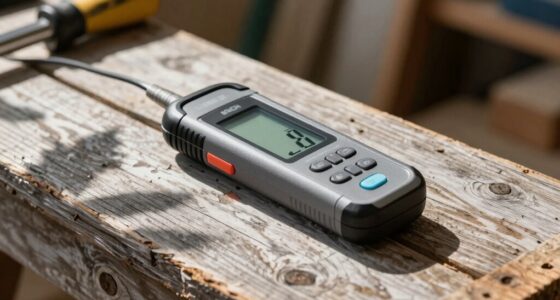
Laser Measure 50M/165ft,RockSeed Digital Laser Distance Meter with 2 Bubble Levels,Portable M/in/Ft Unit Switching Backlit LCD and Measuring Distance/Area/Volume/Pythagorean
★ HIGH ACCURACY & UNIT SWITCHABLE ★ With unique 2 Bubble Levels, providing more precise measurement compared to…
As an affiliate, we earn on qualifying purchases.
As an affiliate, we earn on qualifying purchases.
Frequently Asked Questions
How Can I Identify if My Project Is Out of Square?
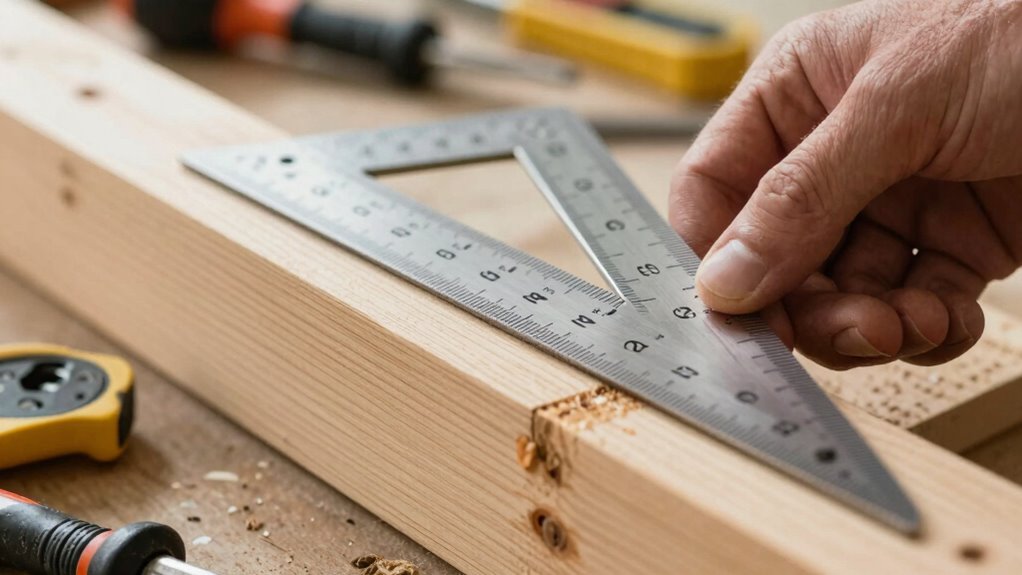
You can identify if your project is out of square by using measuring techniques like a carpenter’s square or a digital level to check corner angles. Follow proper alignment procedures, ensuring your edges are aligned and parallel. Regularly measure diagonals to confirm consistency. If measurements differ, your project isn’t square. Consistent checks during construction help catch issues early, keeping everything aligned and square.
What Tools Are Best for Maintaining a Reference Face?
Did you know that using proper tools can reduce square errors by up to 30%? To maintain a reference face effectively, you should use high-quality, flat reference face materials like melamine or MDF. Combine these with precise clamping techniques to secure the material firmly. These tools guarantee your reference face stays true, helping your projects stay perfectly square and accurate throughout the process.
How Does the Reference Face Habit Affect Project Accuracy?
The reference face habit directly impacts your project accuracy by ensuring consistent measuring techniques, which help prevent errors. When you rely on a stable reference face, you reduce the chances of misalignment and inaccuracies. It acts as a reliable baseline, guiding your cuts and assembly. By maintaining this habit, you improve precision, minimize mistakes, and achieve square, professional results every time.
Can the Reference Face Habit Be Corrected After Errors Occur?
Yes, you can correct the reference face habit after errors occur. You should use calibration techniques to realign your tools and establish a new, accurate reference face. Habit correction involves consistent practice, checking measurements regularly, and adjusting your workflow to reinforce proper referencing. By actively applying these calibration techniques and being mindful of your habits, you’ll improve accuracy and prevent future misalignments in your projects.
What Are Common Mistakes in Establishing a Reference Face?
You often fall into the trap of establishing a reference face with measurement errors or misaligned equipment, which can throw your entire project off course. Common mistakes include rushing the setup, neglecting to double-check levels, and ignoring calibration. These errors create a shaky foundation, making your work out of square and causing frustration. Always take your time, verify your tools, and make certain everything is perfectly aligned from the start to avoid these costly pitfalls.

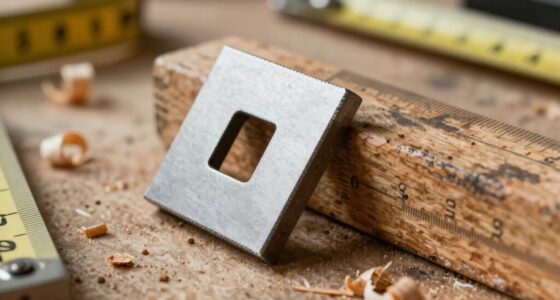
Johnson Level & Tool 1904-0700V 7-1/4" Johnny Square® MACH-1™ Smart Mark™ Rafter Square with Level Vial, Black
Innovative Smart Mark Cutout – faster, easier, more accurate marks at critical dimensions
As an affiliate, we earn on qualifying purchases.
As an affiliate, we earn on qualifying purchases.
Conclusion
Breaking the ‘reference face’ habit can transform your projects from skewed to precise. By consistently checking your reference points, you guarantee everything stays aligned and square. It’s easy to overlook this small step, but the impact is huge. So next time you start a project, ask yourself—are you relying on the right reference faces? Stay vigilant, and your results will always be on point. After all, isn’t precision worth a little extra effort?
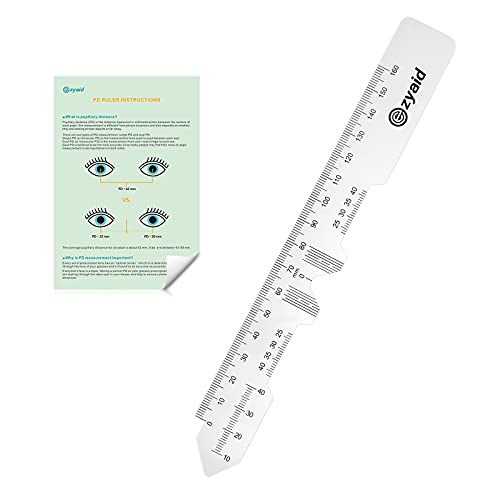
Ezyaid PD Ruler with Instruction Manual – Pupillary Distance Ruler for Pupil Distance Measuring, PD Measurement Tool for Prescription Eyeglasses, Include Eye Care Tips
Instruction Manual Included: Ezyaid PD ruler packaged with well-made instruction manual, no need to look for how to…
As an affiliate, we earn on qualifying purchases.
As an affiliate, we earn on qualifying purchases.

VAXATO Wound Measurement Tools Wound Measuring Ruler Medical Ruler Wound Measuring Tool EMI Medical Ruler with Pupil Gauge Reference Guide
High-Quality Materials – Made from durable material.
As an affiliate, we earn on qualifying purchases.
As an affiliate, we earn on qualifying purchases.