TL;DR

Get tools and workshop supplies delivered free — and shop member deals
- Fast, free delivery on millions of items
- Access to Prime Big Deal Days deals on October 6–7
- Prime Video, Amazon Music and more included
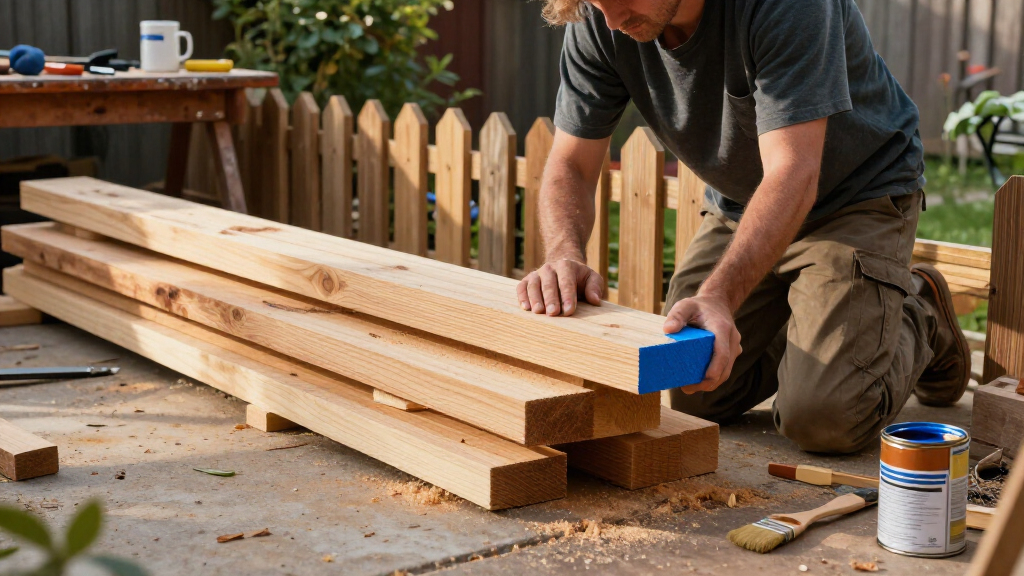
Paint on lumber ends can help slow moisture loss during drying and reduce end checking, or serve as an identification mark chosen by a mill or retailer. There is no standard U.S. color code, so a color alone does not reliably identify a board’s length, grade, species or intended use.
Painted ends on lumber can help limit drying-related cracks or identify a particular product, but the color has no universal meaning in the United States, according to a Family Handyman report. Shoppers choosing boards should assess their dimensions, grade and visible condition rather than treating blue, red or green paint as a reliable code.
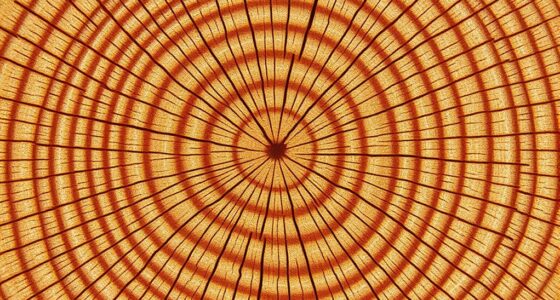
One use of an end coating is to slow moisture loss from freshly cut lumber. The exposed end grain can dry faster than the sides, and uneven drying can contribute to cracks or splits known as end checks. The coating does not stop the board from drying; it slows moisture loss at the ends so the wood can dry more evenly.
The USDA Forest Service’s Forest Products Laboratory describes end coatings as a way to help prevent end checks during drying. Its research says those defects can result in a loss of valuable lumber. Timber Custom Woods also describes painting the ends of logs or slabs to slow water loss and reduce cracking and checking as the wood dries.
Paint may also function as a supplier’s identification mark. Mills and lumber yards can choose colors to distinguish products, species, grades, brands or other categories. Dunn Lumber, for example, sells signature blue-end studs; that blue identifies its product line, not a nationwide lumber category. U-C Coatings, a manufacturer of lumber paint, lists identification among the uses for end paints.
Why Color Alone Can Mislead
For shoppers, the practical point is that paint is not a substitute for checking the board. A color may carry meaning inside one mill or retailer’s system, but the same color can mean something different elsewhere. Assuming that blue always signals a certain length, or that red or green reliably identifies a grade or species, could lead to choosing lumber based on an unsupported assumption.
Board selection still depends on the information relevant to the project: the lumber’s dimensions, grade, species where specified, and visible condition. Look for product labels or ask the retailer what a particular mark means. The paint may help explain how lumber was dried or sorted, but it does not by itself confirm that a board meets a project’s requirements.
As an affiliate, we earn on qualifying purchases.
Two Uses for Painted Ends
Painted ends can appear on boards in a lumber yard for different reasons. The first is related to drying: moisture can escape more quickly through exposed end grain, so an end coating may slow that loss and help limit drying defects. The second is identification: a producer or retailer may use a chosen color as an internal or branded marker.
The distinction matters because there is no standard U.S. color code for lumber ends. A Reddit discussion about blue-painted 2-by-4s included different explanations from commenters, which Family Handyman cited as an example of how practices can vary among suppliers. Those comments do not establish a general rule; company-specific information is a better guide to what a mark means.
“End coatings are typically used to help prevent end checks on sawn lumber during the drying process.”
— USDA Forest Service, Forest Products Laboratory research cited by Family Handyman
What Each Color Actually Signals
The meaning of a particular color cannot be established from the color alone. The source material does not provide a single code covering U.S. mills and retailers, and it does not specify what every supplier’s marks represent. Meanings can vary by company, product and location.
It is also not possible to tell from paint alone whether a board is a particular grade, species or length. A mark may identify a supplier’s own product or sorting system, but shoppers need the relevant label or an explanation from that supplier to confirm its meaning.
How Shoppers Can Verify Marks
Before buying, check the lumber’s printed or attached product information, inspect the board for the condition and dimensions your project requires, and ask store staff if an end color is unclear. If the retailer confirms that a color belongs to a specific product line, treat that as a supplier-specific identification rather than a general industry standard.
The guidance remains the same unless a supplier provides a documented code: use painted ends as a possible clue, not as proof of a board’s specifications. The available report does not announce a change to lumber labeling or a new national standard; it explains existing, varied uses of end paint.
Key Questions
Why are the ends of some lumber boards painted?
Paint or another coating can slow moisture loss through the end grain during drying, helping reduce cracks known as end checks. It may also be used by a mill or retailer to identify a product or category.
Does blue paint mean a board has a specific length or grade?
Not across the United States. There is no universal color code, and a blue mark may have a meaning only within a particular supplier’s system.
Does end paint stop lumber from drying?
No. The coating slows moisture loss at the ends; it does not stop the wood from drying. The aim is to help it dry more evenly.
How should I identify a board’s grade or species?
Use the board’s product label, grade stamp or supplier information, and ask the retailer if the markings are unclear. Do not rely on end color alone.
Source: rss
Fall yard work Picks
leaf blowers
As an affiliate, we earn on qualifying purchases.