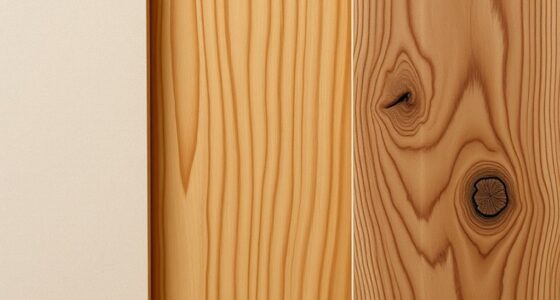
When choosing edge banding materials like PVC, wood, and veneer, you should consider their durability, appearance, and application. PVC offers affordability and moisture resistance, making it great for kitchens and bathrooms. Wood provides a natural, high-end look and is highly durable but requires more work during installation. Veneer gives a refined appearance at a lower cost and works well on curved surfaces. Exploring these options further will help you make the best choice for your project.
Key Takeaways
- PVC edge banding is affordable, moisture-resistant, and available in various colors, ideal for kitchens and bathrooms.
- Wood edge banding offers a natural appearance, durability, and can be sanded or refinished for a high-quality finish.
- Veneer edge banding provides a flexible, cost-effective way to achieve a real wood look, suitable for curved surfaces.
- Installation methods differ: PVC often uses pre-glued strips; wood and veneer typically require glue and heat application.
- Choice of material depends on project location, desired aesthetics, durability needs, and installation complexity.
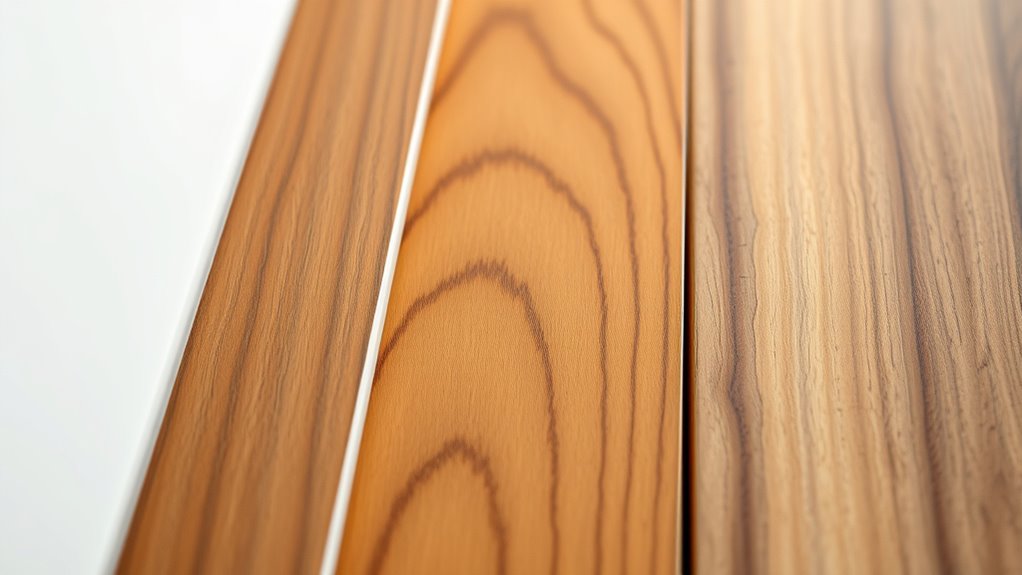
Edge banding materials are essential for achieving a polished, professional finish on furniture and cabinetry. They not only enhance the appearance but also protect the raw edges from moisture, damage, and wear. When choosing the right material, it’s important to take into account the benefit comparison and installation techniques, as these factors influence both the durability and the ease of application. For instance, selecting the appropriate material can significantly improve the longevity of your project. PVC edge banding is popular due to its affordability and versatility. It comes in a wide array of colors and textures, allowing you to match or contrast with your surface material easily. Its benefit comparison shows that PVC is highly resistant to moisture and chemicals, making it ideal for kitchen and bathroom cabinetry. Installation techniques for PVC tend to be straightforward; most commonly, you use a hot iron or a specialized edge banding machine to adhere the strip securely to the substrate. The process is quick, especially with pre-glued varieties, and doesn’t require specialized skills, making it a suitable choice for DIY projects. However, PVC can sometimes be less durable over time, especially if exposed to high heat or UV light, which may cause it to warp or discolor. Wood edge banding offers a natural, authentic look that many prefer for high-end furniture or traditional cabinetry. Its benefit comparison shows that wood provides excellent durability and can be sanded and refinished if damaged. Installing wood edge banding requires more attention to detail; you’ll typically need to cut the strips to size, then glue and clamp them in place. Some techniques involve using a hot iron with a pressing cloth to melt the adhesive, ensuring a smooth, tight bond. Once adhered, you may need to trim excess material and sand the edges for a seamless finish. While the installation process is more labor-intensive than PVC, it results in a more aesthetically pleasing and long-lasting edge, suitable for areas where appearance is paramount. Additionally, understanding the types of edge banding materials available can help you select the best option for your specific project requirements. Veneer edge banding combines the natural look of wood with a thinner, more flexible application. Its benefit comparison shows that veneer provides a high-end appearance at a lower cost than solid wood, with better flexibility for curved surfaces. Installation techniques often involve a contact adhesive or hot iron, similar to wood banding, but it’s vital to handle veneer carefully to prevent tearing or bubbling. The veneer’s thin profile makes it easier to conform to complex contours, but it requires precise application to avoid imperfections.

White PVC 3/4 inch x 25 ft Edge Banding Tape Peel Stick Adhesive Edging Veneer Trim Flexible Vinyl Strip Molding MDF Wood Cabinet Laminate Shelf Furniture Countertop Formica Plywood Board Repair
HIGH QUALITY FLEXIBLE PVC TRIM – This trim is durable and long-lasting. Made to cover the edges of…
As an affiliate, we earn on qualifying purchases.
As an affiliate, we earn on qualifying purchases.
Frequently Asked Questions
How Long Does Each Edge Banding Material Typically Last?
PVC edge banding usually lasts 10-15 years due to its durability comparison, resisting moisture and scratches well. Wood edge banding can last around 8-12 years, but its lifespan depends on exposure to humidity and wear. Veneer edge banding generally lasts 5-10 years, as it’s more sensitive to damage and environmental factors. Your choice affects longevity; proper maintenance can extend each material’s lifespan.
Are There Eco-Friendly Options for Edge Banding Materials?
Imagine a world where your furniture breathes with nature’s own life. You can choose eco-friendly edge banding options like biodegradable alternatives and recycling options that blend sustainability with style. These materials, crafted from renewable resources, reduce environmental impact while still providing a sleek finish. By selecting such options, you’re not just enhancing your space—you’re contributing to a greener planet. Your choices today shape a cleaner, more sustainable tomorrow.
Can Edge Banding Be Applied to Curved Surfaces?
Yes, you can apply edge banding to curved surfaces using flexible edge banding designed for curved surface adaptation. This type of banding bends easily, ensuring a smooth, seamless finish on rounded or irregular shapes. You simply need to select flexible materials like PVC or veneer that can conform to curves, and carefully apply them with appropriate tools. This approach allows you to achieve professional-looking results on non-flat surfaces effortlessly.
Which Material Offers the Best Resistance to Heat and Moisture?
PVC edge banding offers the best resistance to heat and moisture, making it ideal for areas prone to humidity or temperature fluctuations. It’s highly durable, preventing warping or peeling over time. Wood edge banding, while attractive, isn’t as resistant to moisture or heat, risking damage in wet environments. Veneer provides a natural look but offers limited heat and moisture resistance, so it’s less suitable for high-humidity spaces.
Is Professional Installation Necessary for All Types of Edge Banding?
You don’t need professional installation for all types of edge banding, but DIY tips can help you achieve better results, especially with simpler materials like PVC. If you’re comfortable with basic tools, you can save on costs by installing it yourself. However, for more complex materials like veneer or if you want a flawless finish, investing in professional installation might be worth the extra expense to avoid costly mistakes.

BEVTEE Birch Edge Banding 3/4 Inch x 50 ft Wood Veneer Roll Pre-glued, Flexible, Birch Iron-on Veneer Edge Band for Plywood & Furniture Edging, Natural Wood Color for DIY & Professional Projects
【Birch Edge Banding Set】Includes one 50 ft x 3/4 inch roll of edge band with 0.6 mm thickness;…
As an affiliate, we earn on qualifying purchases.
As an affiliate, we earn on qualifying purchases.
Conclusion
Choosing the right edge banding material is key to achieving a polished finish. Whether you opt for PVC, wood, or veneer, each offers unique benefits for your project. Remember, it’s not just about the material; it’s about how you use it. Keep in mind, a good craftsman knows how to make every piece count—like fitting the last puzzle piece perfectly. With the right choice, your work will shine brighter than a diamond.

Edge Supply Birch 3/4 in x 50 ft Roll – Pre-Glued Iron On Wood Veneer Tape – Wood Veneer Edge Banding Tape with Hot Melt Adhesive, Smooth Sanded Finish Ideal for Furniture & DIY, Made in USA
PREMIUM REAL WOOD VENEER: Crafted from extra clean "A" grade Birch wood veneer strips, this high-quality veneer edging…
As an affiliate, we earn on qualifying purchases.
As an affiliate, we earn on qualifying purchases.
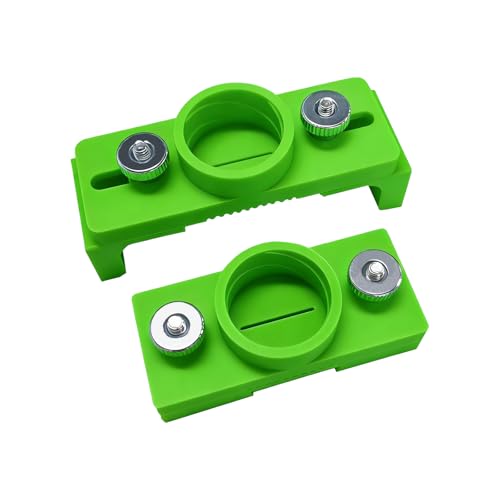
Adjustable Wood Glue Applicator–Edge Banding Glue Spreader,Handheld Woodworking Tool for Even Application, Reusable Bottle Attachment(Set of 2)
Clean & Controlled Glue Application:Achieve smooth, even adhesive layers every time. Our precision wood glue applicator prevent messy…
As an affiliate, we earn on qualifying purchases.
As an affiliate, we earn on qualifying purchases.