
To clean safely, avoid soaking dishes in harsh chemicals and skip using dishwashers with strong detergents. Instead, opt for eco-friendly, biodegradable products like vinegar and baking soda. Use warm water and gentle soap, scrubbing thoroughly to remove residues. This protects your skin and reduces environmental pollution. Being mindful of your cleaning methods helps keep your home healthier and eco-friendly. If you want to learn more about safe cleaning practices, there’s valuable information to explore ahead.
Key Takeaways
- Use eco-friendly, biodegradable cleaning agents instead of harsh chemicals to ensure safety during cleaning.
- Wash dishes with warm water and mild soap, avoiding soaking in strong cleaners.
- Rinse thoroughly to remove any residues, minimizing ingestion and skin contact risks.
- Handle cleaning tools carefully to prevent chemical splashes and skin irritation.
- Always follow proper handwashing techniques to reduce exposure and promote safe cleaning practices.

Are you aware of the potential hazards lurking in everyday cleaning products? Many common cleaners contain chemicals that can irritate your skin, respiratory system, or even cause long-term health issues. That’s why exploring eco friendly solutions is essential for safer cleaning routines. These alternatives often rely on natural ingredients like vinegar, baking soda, or lemon juice, which are effective yet gentle on your health and the environment. By choosing eco friendly solutions, you reduce your exposure to harmful toxins and minimize your ecological footprint.
When it comes to maintaining cleanliness, proper handwashing techniques play a crucial role, especially if you’re using natural or homemade cleaners. Correct handwashing not only prevents the spread of germs but also guarantees that you’re not transferring contaminants from surfaces to your body or vice versa. To do this effectively, wash your hands with warm water and a mild soap, scrubbing for at least 20 seconds, paying attention to all areas, including under your nails and between your fingers. This simple practice substantially reduces the risk of spreading bacteria and viruses, making your cleaning routine safer and more hygienic. Remember, thorough hand hygiene is just as important as choosing the right cleaning products.
Avoiding soaking items in harsh chemicals or using dishwashers with aggressive detergents is another essential aspect of safe cleaning. Soaking dishes or other household items in highly concentrated cleaners can expose your skin to unnecessary risks and may cause allergic reactions or irritation. Similarly, dishwashers often contain strong chemicals that, if not handled properly, can leave residues on your dishes or harm your skin during loading and unloading. Instead, opt for eco friendly cleaning agents that are biodegradable and non-toxic. When washing dishes by hand, use warm water and a gentle, eco friendly soap. Focus on scrubbing thoroughly and rinsing well to remove any residues. This approach is not only safer but also more environmentally sustainable.
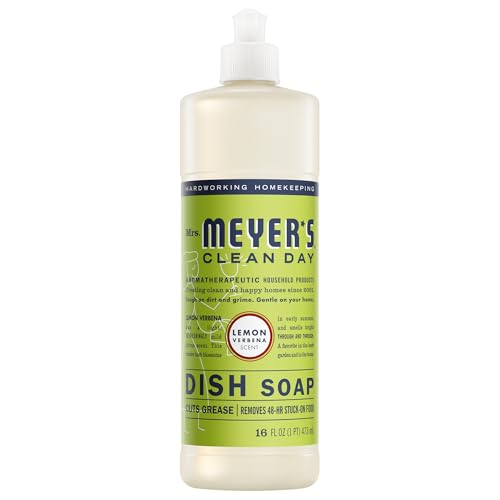
B000S5S1AI
As an affiliate, we earn on qualifying purchases.
As an affiliate, we earn on qualifying purchases.
Frequently Asked Questions
Can Soaking Damage My Cookware’s Finish?
Soaking can damage your cookware’s finish because soaking risks finish degradation over time. Prolonged exposure to water or harsh cleaning agents can weaken the surface, causing peeling or dullness. You should avoid soaking unless the manufacturer recommends it, and instead, clean your cookware promptly with gentle scrubbing. This helps preserve the finish and keeps your cookware looking new longer.
Are There Specific Dishwasher Detergents to Avoid?
You should avoid harsh dishwasher detergents that contain strong chemicals, as they can damage your cookware’s finish. Instead, opt for eco-friendly detergents or enzyme-based cleaners, which are gentler and safer for your dishes and cookware. These options effectively clean without causing corrosion or damage. Always check labels to verify the detergent is suitable for your cookware type, and follow manufacturer guidelines for the best results.
How Can I Tell if My Dishware Is Dishwasher Safe?
You can tell if your dishware is dishwasher safe by checking the label or manufacturer’s instructions, which often mention dishwasher durability. Look for symbols or words like “dishwasher safe,” and avoid items with delicate finishes or glued parts. When in doubt, test by placing a small piece in the dishwasher first. Proper label reading helps prevent damage, so always verify before cleaning.
What Are Alternative Cleaning Methods for Delicate Items?
Think of delicate items as fragile flowers—you want gentle care, not harsh chemicals. For gentle cleaning, use eco-friendly solutions like a mix of vinegar and water or mild dish soap. Hand wash with soft sponges or cloths, avoiding soaking. This method preserves your items’ beauty while being kind to the environment. You’ll enjoy safe, effective cleaning that keeps your delicate ware pristine without risking damage or waste.
Is Hand Washing Safer for Certain Materials?
Yes, hand washing is safer for certain materials because it allows you to control water temperature and cleaning agents, ensuring better material compatibility and cleaning safety. Delicate items like fine china, vintage glass, or soft textiles can be damaged in dishwashers or soaking. By hand washing, you minimize the risk of warping, cracking, or fading, helping your items stay in good condition longer while maintaining their integrity.

Simple Green All Purpose Cleaner Concentrate 64 Fl Oz
All-purpose concentrated cleaner removes dirt, grease, and stains
As an affiliate, we earn on qualifying purchases.
As an affiliate, we earn on qualifying purchases.
Conclusion
By avoiding soaking and dishwashers, you protect your items from damage, preserve their shine, and extend their lifespan. You maintain their integrity, keep their beauty, and guarantee their safety. When you choose gentle cleaning, you safeguard your belongings, prevent unnecessary wear, and honor their value. With careful care, you create a future where your items remain pristine, your efforts are rewarded, and your space stays safe and sparkling. Clean wisely, and let your belongings thrive.

MRS. MEYER'S CLEAN DAY Multi-Surface Everyday Cleaner, Rain Water Scent, 16 Fl Oz Bottle
REMOVES DIRT, FRESHENS SURFACES: A Multi-Surface Spray that cleans nonporous surfaces quickly, and leaves a fresh garden-inspired scent…
As an affiliate, we earn on qualifying purchases.
As an affiliate, we earn on qualifying purchases.

Scotch-Brite Non-Scratch Dishwand, Scrubber for Cleaning Kitchen, Bathroom, and Household, Non-Scratch Dish Scrubber Safe for Non-Stick Cookware, 1 Dishwand
AMERICA’S #1 SELLING DISHWAND: One package of Scotch-Brite Non-Scratch Dishwand; one pack contains one dish scrub wand
As an affiliate, we earn on qualifying purchases.
As an affiliate, we earn on qualifying purchases.