To make a simple wall-mounted coat rack, start by choosing sturdy hooks and a small shelf or wooden plank. Measure and mark where you want the hooks, making sure they’re evenly spaced and level. Use a stud finder to locate studs or select wall anchors for added support. Drill pilot holes, then securely attach the hooks and shelf with screws. If you want to see more tips, keep going for detailed instructions!
Key Takeaways
- Choose a sturdy wooden board and wooden hooks for durability and aesthetic appeal.
- Measure and mark evenly spaced spots on the wall for hook placement, using a level for alignment.
- Locate wall studs or use appropriate wall anchors to ensure secure mounting and support.
- Drill pilot holes and attach hooks firmly to the wall or a mounted wooden board.
- Test the stability by hanging coats and adjust hooks if necessary for safety and functionality.

A wall-mounted coat rack is a practical addition to any entryway or mudroom, providing a convenient spot to hang coats, hats, and bags. To build a simple yet effective rack, you’ll need some wooden hooks and a sturdy piece of wood, like a plank or a small shelf. Wooden hooks are a popular choice because they’re durable, easy to install, and add a warm, natural touch to your space. Before you start, decide where you want to place your coat rack, considering height and accessibility. Once you’ve chosen the location, measure and mark where the hooks will go to ensure even spacing.
A wall-mounted coat rack adds practical, natural charm to your entryway or mudroom.
When it comes to installing the hooks, wall mounting techniques are key to making sure your coat rack is secure and safe. First, locate the wall studs using a stud finder, because anchoring into studs provides the strongest support for heavier items. If you can’t align your hooks with studs, don’t worry—use appropriate wall anchors designed for your wall type (drywall, plaster, etc.). Drill pilot holes at your marked spots, making sure they’re level. Then, screw in the wooden hooks, either directly into the studs or into wall anchors, ensuring they’re tight and flush with the wall surface. This approach prevents the hooks from loosening or pulling out under the weight of coats and bags.
To make your wall-mounted coat rack look neat and professional, double-check that all hooks are aligned and at the same height. You might want to use a level during installation to prevent crooked hooks. If you’re attaching the hooks to a wooden board or shelf, drill the holes into the wood first, then screw the hooks into the board. Once mounted, hang your coats, hats, and bags to see how well it works. If the hooks feel loose or wobbly, tighten the screws or add additional wall anchors. Incorporating proper wall mounting techniques ensures your coat rack remains sturdy over time.
The key to a successful project is choosing the right wall mounting techniques and using quality wooden hooks. Properly anchored hooks will hold up over time, even with daily use. Take your time during installation—measure carefully, drill precisely, and double-check for levelness. With these steps, you’ll create a sturdy, attractive wall-mounted coat rack that keeps your entryway organized and clutter-free. Remember, a well-installed coat rack isn’t just functional; it adds a touch of charm and practicality to your home.
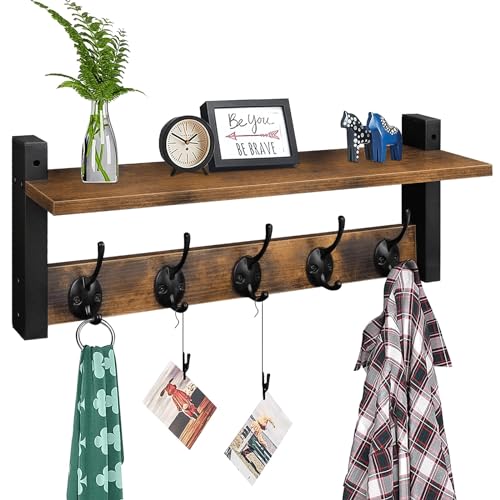
Homode Wall Hooks with Shelf, Wood Coat Rack with Shelf Wall-Mounted, Entryway Hanging Shelves with 5 Metal Hooks for Clothes Hats Towel Purse Robes, Bathroom Mudroom Bedroom, Rustic Brown Black
MATCHE THE AESTHETIC: Rustic brown wood surface for an old-time classic look, rigid black iron for industrial chic…
As an affiliate, we earn on qualifying purchases.
As an affiliate, we earn on qualifying purchases.
Frequently Asked Questions
What Tools Are Needed for Installation?
You’ll need a drill with the appropriate drill bit to make holes, wall anchors to secure the coat rack, a screwdriver to tighten screws, and a measuring tape to guarantee accurate placement. Start by measuring where you want the rack, then drill holes using the drill bit. Insert wall anchors if needed, and screw the rack into place with the screwdriver. These tools make installation quick and secure.
Can I Customize the Rack’s Size?
You can definitely customize the rack’s size, especially if it features adjustable length options. Many wall-mounted coat racks are designed with modular components or extendable sections, allowing you to tailor the size to fit your space perfectly. Just make certain you select a model with customizable features or consider modifying it yourself with the right tools. This way, you get a coat rack that fits your needs and looks great on your wall.
What Weight Can the Coat Rack Hold?
Your wall-mounted coat rack can typically hold up to 10-15 pounds per hook, depending on the material durability and installation quality. If it’s made from sturdy wood or metal and properly anchored into wall studs, it can support heavier items like coats and bags. Always check the manufacturer’s weight capacity recommendations for safety. Avoid exceeding the weight capacity to prevent damage or accidents.
How Do I Prevent Wall Damage During Installation?
Did you know that using the right wall anchors can increase load capacity by up to 50%? To prevent wall damage during installation, start with proper surface preparation—clean the area and patch any holes. Use suitable anchors for your wall type, and avoid over-tightening screws. This guarantees your coat rack stays secure without harming your wall, keeping it looking great and damage-free.
Is It Suitable for Outdoor Use?
Yes, a simple wall-mounted coat rack can be suitable for outdoor use if it has good weather resistance and durable materials. Look for racks made from rust-proof metals or weather-treated wood that withstand rain, sun, and humidity. Regularly check for signs of wear or corrosion, and consider applying protective coatings. Proper installation and maintenance guarantee your coat rack remains functional and attractive outside, despite the elements.

XAOMLP Entrance Coat Rack ,Coat Hooks, Wall-Mounted Wooden Hook Rack, Wall-Mounted Shelves are Very Suitable (Walnut Color Finish—A-1)
1. High-quality materials: made of solid wood multi-layer boards, strong and durable, healthy and environmentally friendly, with a…
As an affiliate, we earn on qualifying purchases.
As an affiliate, we earn on qualifying purchases.
Conclusion
Now that you’ve built your wall-mounted coat rack, it’s ready to catch your jackets and bags like a trusty guardian. With just a few simple steps, you’ve turned plain wood into a practical masterpiece that adds charm and function to your space. Every time you hang your coat, remember you created this handy piece with your own hands—proof that even small projects can make a big difference. Your home just got a little more organized and a lot more welcoming.
![81 PCS Heavy Duty Self Drilling Drywall Anchor Kit (3 Sizes) - Holds 100LBS+ [2025 Upgraded] Metal Wall Anchors with Screws for TV Mounting, Cabinets, Shelves - No Drill Required](https://m.media-amazon.com/images/I/41cYjK4IYCL._SL500_.jpg)
81 PCS Heavy Duty Self Drilling Drywall Anchor Kit (3 Sizes) – Holds 100LBS+ [2025 Upgraded] Metal Wall Anchors with Screws for TV Mounting, Cabinets, Shelves – No Drill Required
【All-in-One Kit – Simplifies Anchor Selection】This self drilling drywall anchors and screws kit includes 40 small, 20 medium,…
As an affiliate, we earn on qualifying purchases.
As an affiliate, we earn on qualifying purchases.
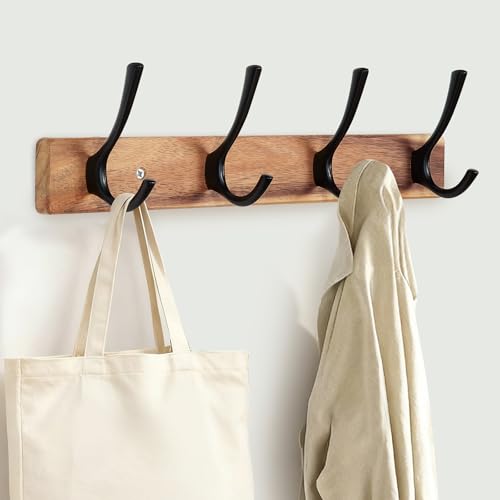
Yangbaga Coat Rack Wall Mount,Acacia Wood Coat Hooks Wall Mount,15" Wall Coat Rack with Heavy Duty 4-Double-Hooks,Hat Rack Wall Coat Hanger for Towel/Dog’s Leashes/Coat/Bag
【Bigger Hooks, Smarter Spacing】The dimensions of our product are 15 x 2 inches. Most coat racks are too…
As an affiliate, we earn on qualifying purchases.
As an affiliate, we earn on qualifying purchases.