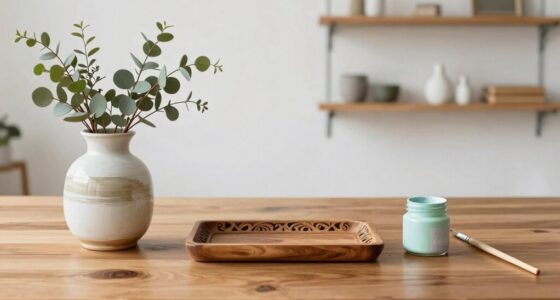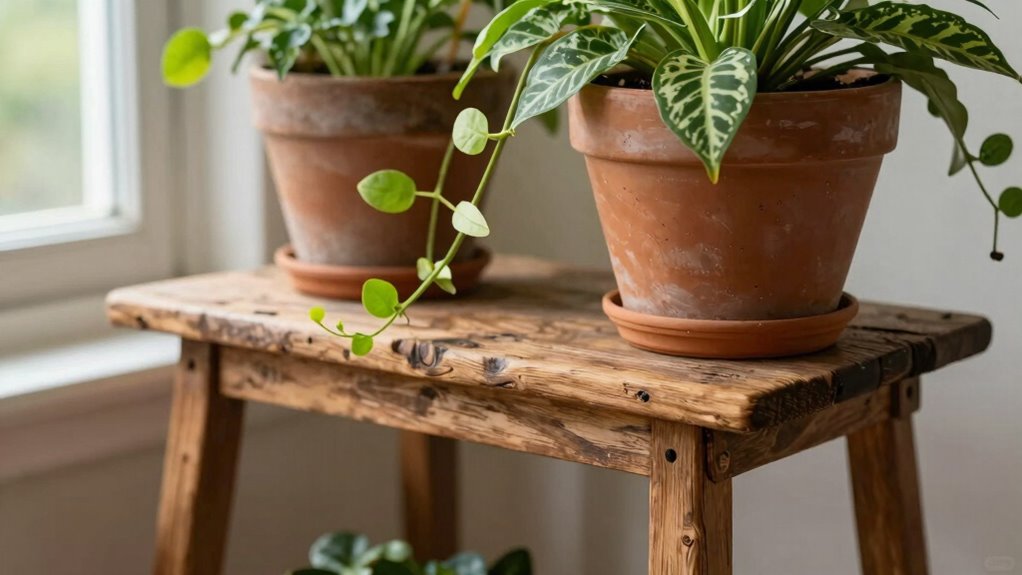

Creating a good plant stand project teaches you more than just design skills. You’ll improve your indoor gardening abilities, learning how to optimize light and water for healthier plants. It also develops your problem-solving skills by figuring out stability and material selection. Plus, it sparks personal growth and creativity as you craft a unique piece that reflects your style. If you keep exploring, you’ll discover even more valuable lessons hidden in this simple project.

Get tools and workshop supplies delivered free — and shop member deals
- Fast, free delivery on millions of items
- Access to Prime Big Deal Days deals on October 6–7
- Prime Video, Amazon Music and more included
Key Takeaways
- It enhances practical indoor gardening skills, including plant care, placement, and environmental optimization.
- It develops design and problem-solving abilities through structural stability and material selection challenges.
- It fosters creativity and personal growth by encouraging customization and project ownership.
- It promotes sustainability by repurposing materials and practicing eco-friendly finishes.
- It offers educational benefits, teaching patience, resourcefulness, and environmental consciousness.
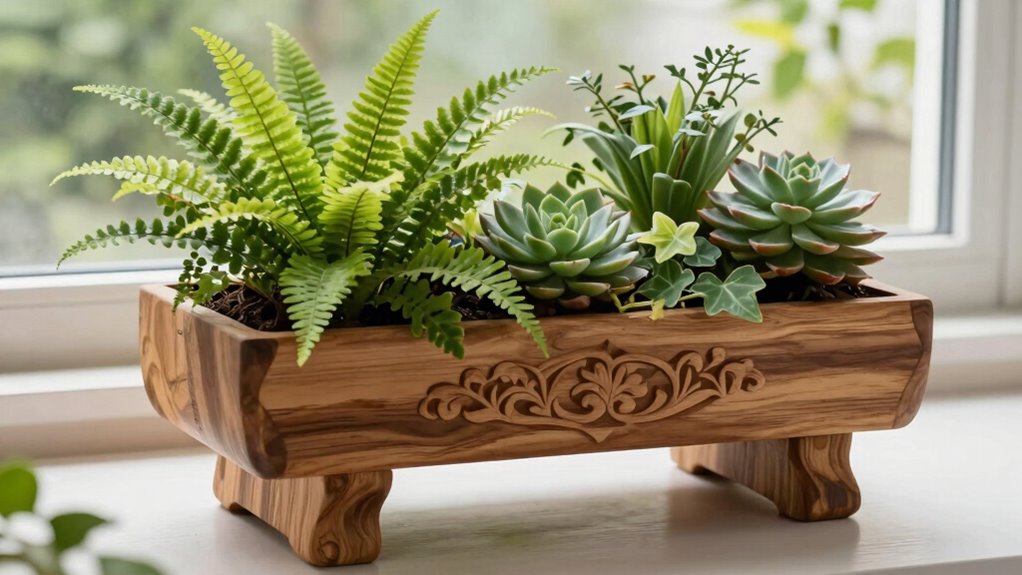
Plant stand projects are a fantastic way to showcase your favorite greenery while adding a touch of style to any space. When you embark on creating your own plant stand, you’re not just building a piece of decor—you’re engaging in a form of indoor gardening that deepens your understanding of plant care and design. These projects push you to think about how plants thrive in different environments, encouraging you to experiment with placement, light, and watering routines. As you choose materials and shapes, you develop an eye for aesthetics and balance, transforming simple DIY decor into functional art.
Building your own plant stand teaches you patience and problem-solving. You’ll likely face challenges, like figuring out the right height or stability for your plants. These hurdles force you to think critically and adapt your design, which translates into skills you can apply elsewhere. Plus, customizing your project helps you learn about material durability and how different finishes hold up over time. This hands-on approach makes you more aware of the qualities that make a sturdy, attractive piece—something you might not grasp through passive shopping or decorating. Understanding material selection and currency conversions can also improve your ability to budget and plan effectively for your projects. Additionally, gaining knowledge about indoor gardening techniques can help you optimize the environment for your plants’ health and growth.
Creating your own plant stand also fosters a sense of pride and ownership. When you see your project come together, it boosts your confidence and motivates you to try more DIY decor ideas. It’s rewarding to know that your effort results in a beautiful, functional piece that enhances your indoor gardening setup. This sense of accomplishment encourages ongoing creativity and experimentation, making your space more personalized and inviting. Your project becomes a reflection of your style, preferences, and growing knowledge of plants and design. Additionally, learning about plant care can help ensure your plants thrive in their new stands, making the entire project more successful and fulfilling. Exploring indoor gardening techniques can further deepen your understanding of creating a healthy environment for your plants.
Furthermore, building a plant stand encourages sustainability. You might repurpose old furniture, use recycled materials, or select eco-friendly finishes. This environmental mindfulness adds an extra layer of value to your DIY decor efforts. It also teaches you to be resourceful, to think about how everyday items can be transformed into something useful and beautiful. By choosing sustainable methods, you enhance not only your project but also your awareness of eco-friendly practices, which can influence other aspects of your home and lifestyle. In the process, you develop a better understanding of sustainable practices, which can influence other aspects of your home and lifestyle.
In the end, a good plant stand project is more than just a decorative piece. It’s an educational journey that enhances your skills in indoor gardening, DIY decor, and sustainable living. Each step—planning, building, and placing—teaches lessons about patience, problem-solving, and creativity. And as your collection of plants grows, so does your confidence in your ability to create a vibrant, stylish, and nurturing environment.
Frequently Asked Questions
What Tools Are Essential for Building a Plant Stand?
To build a plant stand, you’ll need essential tools like a saw, drill, measuring tape, and sandpaper. These help you bring your design inspiration to life while staying within your budget considerations. A saw cuts your materials precisely, a drill creates sturdy joints, and measuring tape ensures accurate dimensions. Sandpaper smooths surfaces, making your project professional-looking and durable. Having these tools on hand makes your DIY project smoother and more enjoyable.
How Do You Choose the Right Materials for Durability?
Did you know that selecting the right materials can double your plant stand’s lifespan? To guarantee durability, focus on material longevity and weather resistance. Opt for treated wood, metal, or plastic designed to withstand moisture, UV rays, and temperature changes. These materials resist warping, rotting, and rusting, making your plant stand last longer. Choosing the right materials means less maintenance and more time enjoying your plants.
Can This Project Be Customized for Different Plant Sizes?
Yes, you can easily customize this project for different plant sizes. You can add decorative accents or adjust the dimensions to fit larger or smaller plants. Incorporate color customization by choosing paints or finishes that match your decor or personal style. This flexibility allows you to create unique, tailored plant stands that highlight your plants beautifully while adding a personal touch through decorative accents and color choices.
What Safety Precautions Should Be Taken During Construction?
You should prioritize safety gear and hazard awareness during construction to prevent accidents. Wear gloves, goggles, and a dust mask to protect yourself from splinters, dust, and sharp tools. Stay alert to potential hazards like loose nails or unstable materials. Keep a clean workspace, and handle power tools carefully. By staying vigilant and using protective gear, you can build confidently, avoiding surprises that could turn your project into a dangerous ordeal.
How Long Does It Typically Take to Complete a Plant Stand?
It typically takes about 2 to 4 hours to complete a plant stand, depending on your creative design and experience level. You’ll want to plan your budget carefully, choosing materials that match your style without overspending. As you work, you’ll develop patience and problem-solving skills, and you’ll learn to adapt your design if needed. This project offers a rewarding balance of creativity, practical planning, and hands-on craftsmanship.
Conclusion
Building a plant stand isn’t just about creating a beautiful display—it’s a chance to develop patience, problem-solving skills, and confidence. Did you know that engaging in hands-on projects like this can boost your mental well-being by reducing stress? So, when you finish your stand, remember it’s more than a craft; it’s a step toward personal growth. Keep building, learning, and growing—just like your plants will thrive with your care.
Fall Picks
fall essentials
As an affiliate, we earn on qualifying purchases.