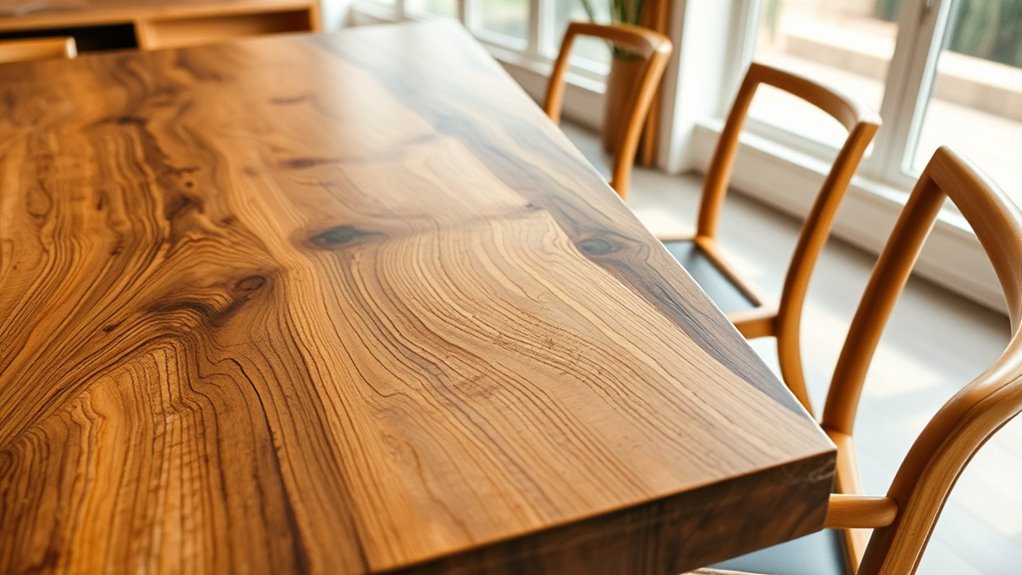

To embrace sustainable design, you can choose reclaimed wood and eco-friendly finishes for your projects. Reclaimed wood reduces demand for new timber, adds character, and minimizes environmental impact. Eco-friendly finishes, such as biodegradable coatings, break down naturally and avoid harmful chemicals, supporting healthier environments. Combining these materials promotes eco-conscious craftsmanship while creating beautiful, durable spaces. By making these thoughtful choices, you’ll discover how sustainable design benefits both the planet and your aesthetic vision.
Key Takeaways
- Incorporate reclaimed wood to reduce demand for virgin timber and support reuse of existing materials.
- Use biodegradable coatings and eco-friendly finishes to minimize chemical impact and promote natural decomposition.
- Combine reclaimed wood with sustainable finishes to enhance durability and ecological harmony of design elements.
- Support urban forestry by integrating greenery and green spaces into sustainable architectural projects.
- Make environmentally conscious choices throughout the design process to promote resource conservation and ecological health.
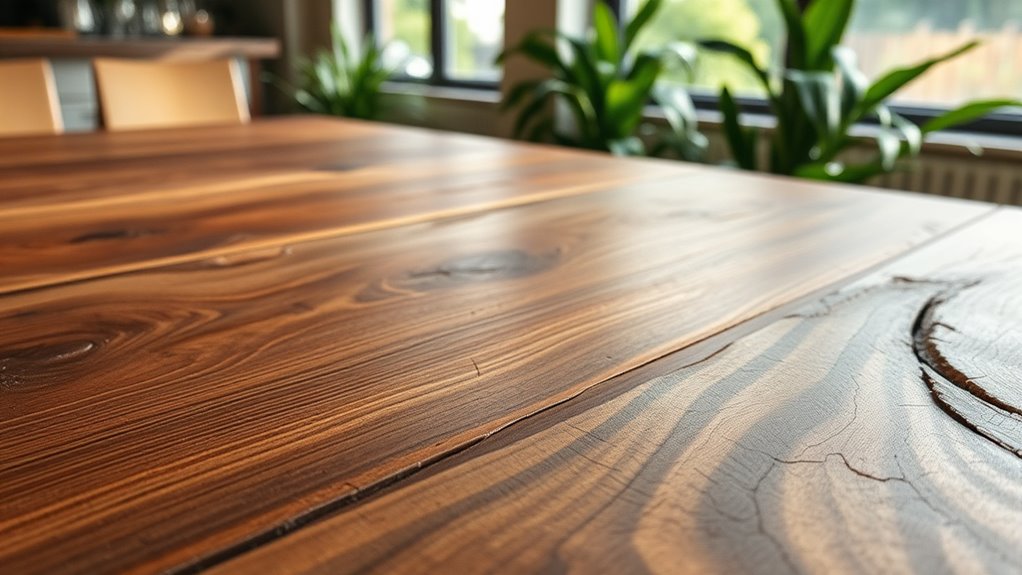
Have you ever wondered how buildings and products can be both functional and eco-friendly? It’s a great question, especially in today’s world where sustainability is more than just a trend—it’s a necessity. When you explore sustainable design, you discover that choices like incorporating urban forestry and biodegradable coatings can make a significant difference. Urban forestry isn’t just about planting trees; it’s about integrating greenery into city environments to improve air quality, reduce heat, and foster a connection to nature. By designing with urban forestry in mind, you help create healthier, more vibrant communities that benefit both people and the planet. This approach can be reflected in building materials and landscape planning, where trees and green spaces are integral components, not afterthoughts. It adds a layer of sustainability that enhances the overall function and aesthetic of urban environments. Incorporating eco-friendly materials like reclaimed wood and biodegradable finishes further supports these sustainable goals.
Integrating urban forestry and biodegradable coatings creates sustainable, vibrant urban spaces that benefit both people and the planet.
Another key aspect of sustainable design involves using biodegradable coatings. These eco-friendly finishes are vital because they minimize environmental impact during and after application. Unlike traditional coatings that can release harmful chemicals into the environment, biodegradable options break down naturally over time, reducing pollution and waste. When you choose biodegradable coatings for your projects, you’re making a conscious decision to support a healthier planet. These coatings can be applied on a variety of surfaces, including reclaimed wood, which is another cornerstone of sustainable design. Reclaimed wood not only reduces the demand for new timber but also adds character and history to structures and furniture. Combining reclaimed wood with biodegradable finishes ensures that every element of your project aligns with eco-friendly principles.
Using reclaimed wood and biodegradable coatings can also influence the overall lifecycle of your design. Since reclaimed wood often comes with a unique patina, it requires less processing, which saves energy and reduces waste. Applying biodegradable coatings to this wood preserves its natural beauty while ensuring safety and durability without harming the environment. By doing so, you create a cycle of sustainability that extends beyond just the initial construction. Your choices support urban forestry initiatives, reduce reliance on virgin materials, and promote the use of materials that can decompose naturally at the end of their life. This holistic approach guarantees that your design not only functions well but also contributes positively to ecological health.
Ultimately, sustainable design is about making mindful decisions at every stage—from material selection to finishing touches. By integrating urban forestry and biodegradable coatings, you help build environments that are nourishing, resilient, and respectful of nature. These choices demonstrate that functionality and eco-friendliness can go hand in hand, leading to spaces that serve people today while safeguarding resources for future generations.

vidaXL Vintage Cabinet Multicolor Reclaimed Solid Wood Compact Durable
【Stable & Sustainable Construction】: Crafted from reclaimed wood, this end table offers exceptional stability and durability while supporting…
As an affiliate, we earn on qualifying purchases.
As an affiliate, we earn on qualifying purchases.
Frequently Asked Questions
How Do Reclaimed Woods Compare in Durability to New Timber?
Reclaimed wood often matches or exceeds the durability of new timber when properly treated. You should consider wood treatment to enhance its strength and resistance, especially since reclaimed wood varieties can vary in density and composition. By selecting high-quality reclaimed wood and applying eco-friendly finishes, you guarantee longevity and stability, making your furniture or project both sustainable and durable. Proper maintenance will keep reclaimed wood looking great for years.
Are Eco-Friendly Finishes Safe for Indoor Air Quality?
Eco-friendly finishes are generally safe for indoor air quality because they minimize indoor air contaminants and prioritize chemical safety. When you choose these finishes, you’re reducing the risk of harmful fumes and volatile organic compounds (VOCs) that can impact health. Always check product labels for non-toxic certifications, and guarantee proper ventilation during and after application to maintain a healthier indoor environment.
What Are the Best Sources for Reclaimed Wood Materials?
Think of reclaimed wood sourcing like treasure hunting—you never know what unique pieces you’ll find. You should look for reputable sources with strong material certification, such as salvaged wood from historical buildings or certified reclaimed suppliers. Local salvage yards, demolition sites, and specialized online platforms are excellent options. These sources guarantee the wood’s origin is transparent, sustainable, and of high quality, helping you create eco-friendly, character-rich designs.
How Can I Verify the Sustainability of Finishes Used?
You can verify the sustainability of finishes by checking VOC emissions levels and certification standards. Look for eco-labels like Green Seal or FSC that guarantee low VOC emissions and eco-friendly practices. Always request detailed product data sheets, which specify VOC content and compliance with recognized standards. This way, you ensure your finishes are safer for the environment and indoor air quality, aligning with your sustainable design goals.
What Maintenance Is Required for Reclaimed Wood Furniture?
Think of reclaimed wood as a story waiting to be told—your care keeps it vibrant. You should regularly follow cleaning routines with a damp cloth, avoiding harsh chemicals, to preserve its character. Check for pests periodically, sealing any entry points to prevent infestations. Apply eco-friendly finishes or oils as needed to maintain its luster. With consistent attention, your reclaimed wood furniture stays beautiful and durable for years to come.

Tried & True Original Wood Finish, 8 oz. – Linseed Oil & Beeswax Blend, Ideal for All Woodwork, Long-Lasting Durability, Food Safe Sealer, Non-Toxic Wood Finish
SUPERIOR BLEND OF LINSEED OIL & BEESWAX: Tried and True wood finish is a superior blend of linseed…
As an affiliate, we earn on qualifying purchases.
As an affiliate, we earn on qualifying purchases.
Conclusion
Sustainable design shines when you choose reclaimed wood and eco-friendly finishes, creating a conscious, mesmerizing space. By blending beauty with responsibility, you not only reduce waste but also restore nature’s natural charm. Make mindful choices that matter, merging modernity with morality. Remember, small steps in sustainability spark significant change. So, start sourcing sustainably, stay steadfast, and style your space with purpose—because your decisions can shape a greener, greater tomorrow.

Furniture Clinic Wood Stain | Natural Oak | Water Based | Fast Drying, Low Odor, & Non-Toxic | for Indoor & Outdoor Furniture and More | Multiple Finishes | (8.5oz / 250ml)
EFFECTIVE ON ALL WOOD SURFACES and QUICK DRYING: Furniture Clinic Wood Stain is a fast drying and highly…
As an affiliate, we earn on qualifying purchases.
As an affiliate, we earn on qualifying purchases.

Construction Materials, Methods, and Techniques: Building for a Sustainable Future
As an affiliate, we earn on qualifying purchases.
As an affiliate, we earn on qualifying purchases.